Distributed Solar (Rooftop + Net Metering)
Geography: Americas · South America · Brazil
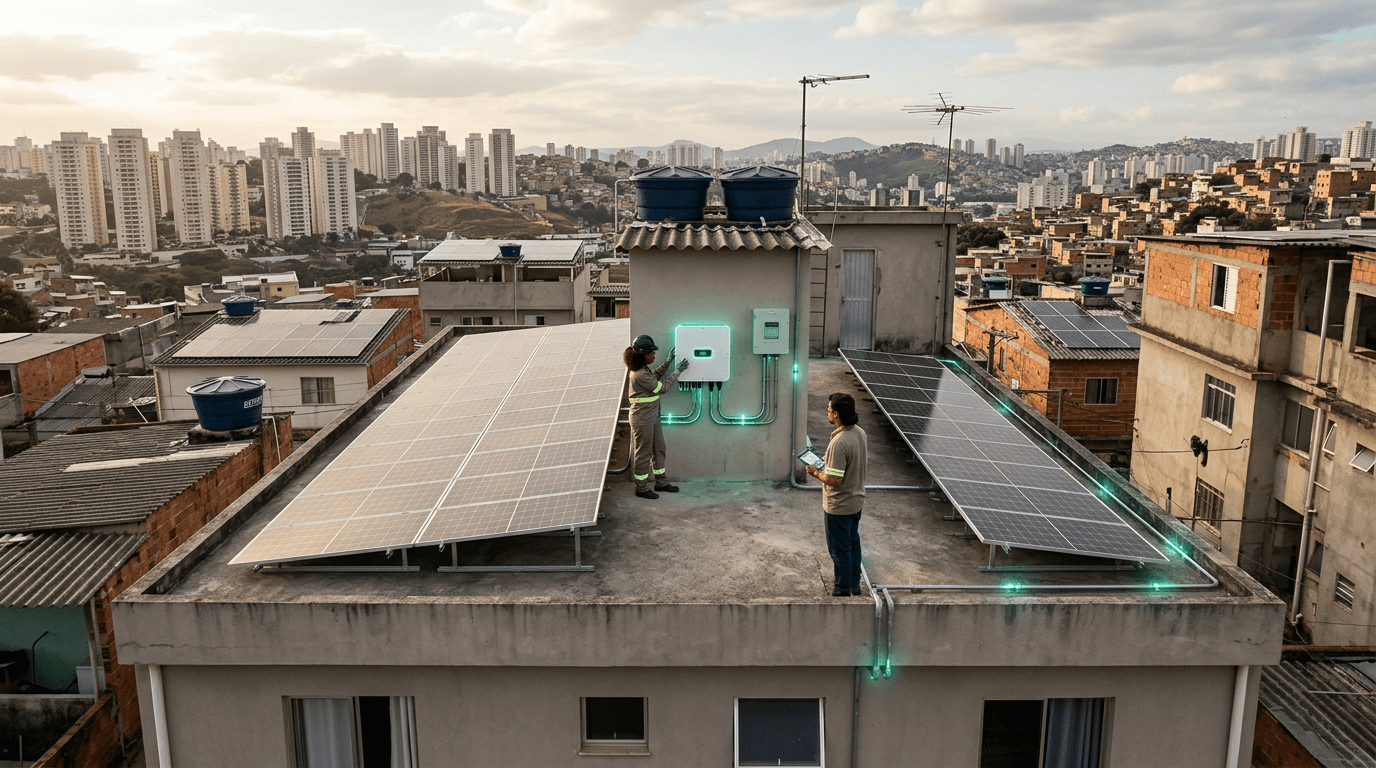
Brazil's distributed solar market exploded after ANEEL established net metering rules in 2012, allowing consumers to offset electricity bills by feeding solar power back to the grid. By 2025, over 3 million installations were connected, totaling roughly 30 GW of capacity.
The growth is driven by Brazil's high retail electricity prices (among the most expensive in Latin America) combined with exceptional solar irradiation across most of the country. Payback periods for rooftop solar dropped below 4 years in many regions.
The 2022 regulatory framework (Lei 14.300) introduced a transition period for net metering, creating a rush of installations before less favorable rules take full effect in 2029. This regulatory dynamic — combined with cheap Chinese panels — turned Brazil into one of the fastest-growing solar markets globally.
Research this in Signals
Signals turns a topic into a sourced research record you can inspect and rerun. Your first scan is free, and this one starts with Distributed Solar (Rooftop + Net Metering) already loaded, so edit it or scan as is.