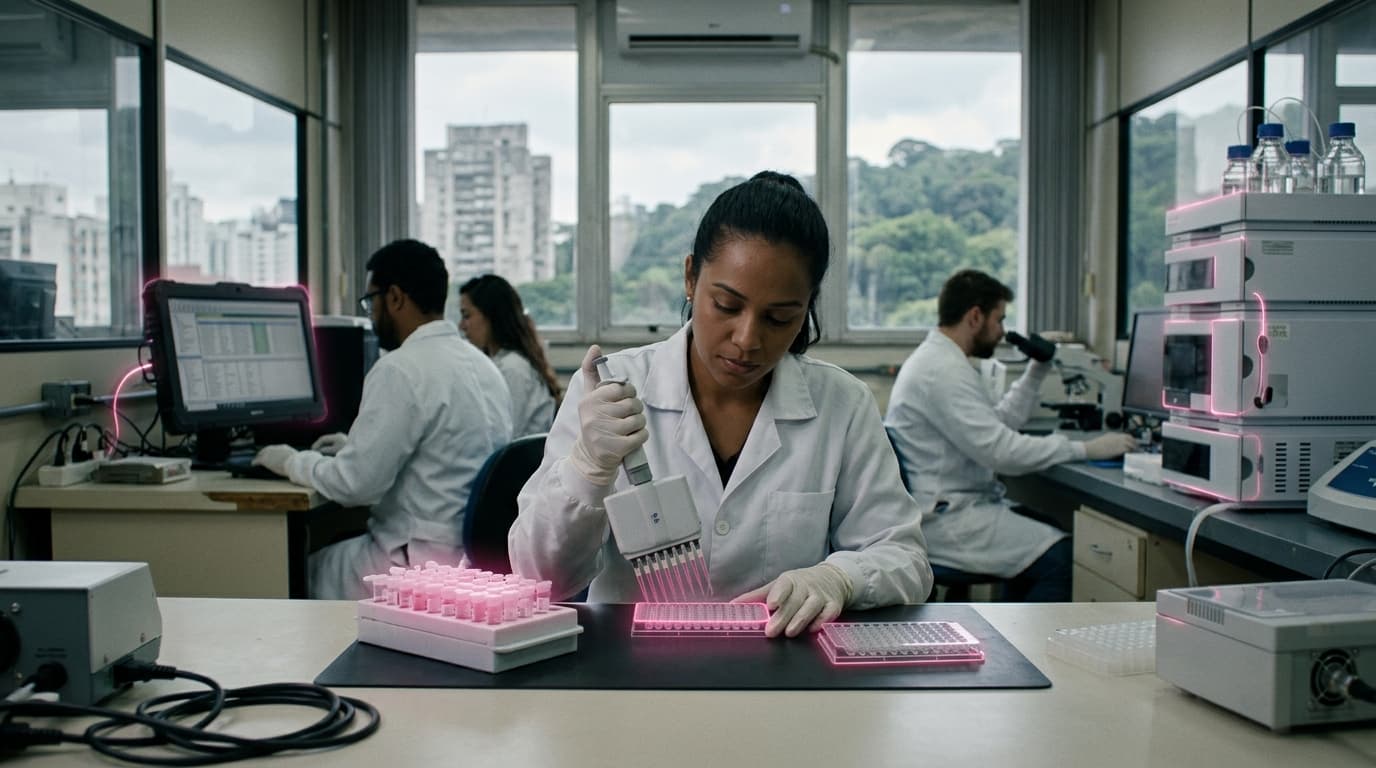
Venom-Derived Drug Discovery Platform
Geography: Americas · South America · Brazil
The discovery that peptides from the venom of Bothrops jararaca (Brazilian pit viper) inhibit angiotensin-converting enzyme (ACE) led to captopril — the first ACE inhibitor, approved by the FDA in 1981 and still one of the most prescribed cardiovascular drugs worldwide. This discovery by Brazilian pharmacologist Sérgio Ferreira launched an entire drug class (ACE inhibitors) that treats hypertension in hundreds of millions of patients globally.
Butantan Institute maintains one of the world's largest collections of animal venoms — from snakes, spiders, scorpions, and marine organisms endemic to Brazil's megadiverse ecosystems. Modern proteomics and reverse antivenomics techniques are being used to identify novel bioactive peptides for drug development. Current research targets include anticoagulants (from Bothrops venoms), analgesics (from spider venoms), and antimicrobials (from amphibian secretions). Butantan also produces 80% of Brazil's antivenoms using improved immunization protocols.
Brazil's biodiversity — the world's largest — is an unmatched pharmacopeia. The country hosts more venomous snake species than any other nation, each producing a unique cocktail of bioactive molecules refined by millions of years of evolution. The combination of biodiversity access, research institutions (Butantan, Fiocruz, university networks), and the Nagoya Protocol framework for benefit-sharing creates a sustainable pipeline from venom to pharmaceutical.
Research this in Signals
Signals turns a topic into a sourced research record you can inspect and rerun. Your first scan is free, and this one starts with Venom-Derived Drug Discovery Platform already loaded, so edit it or scan as is.