Cerrado Tropical Soil Engineering
Geography: Americas · South America · Brazil
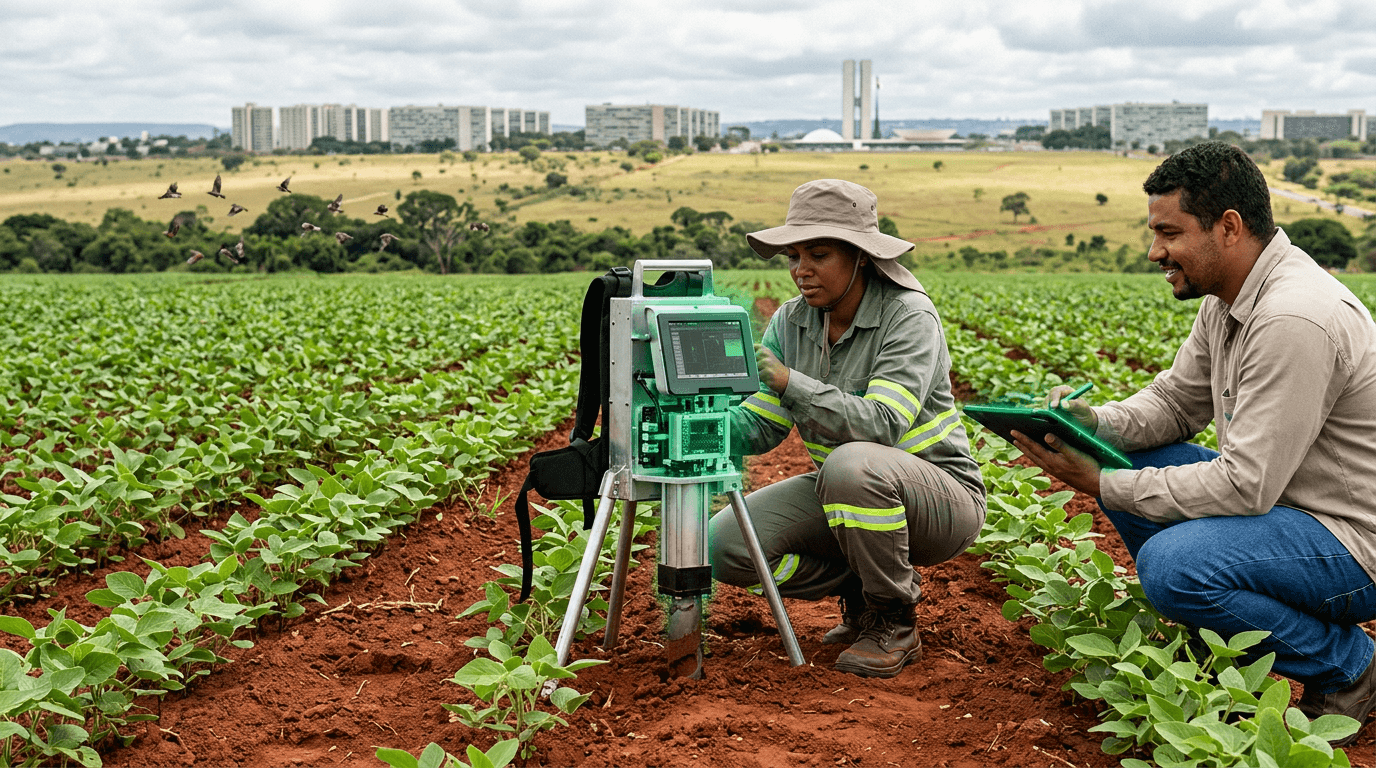
The Brazilian cerrado — a savanna biome covering 25% of the country — has naturally acidic, aluminum-rich soils that are toxic to most crops. EMBRAPA developed lime application techniques, phosphate fertilization methods, and crop varieties adapted to these conditions, transforming 'unfarmable' land into a breadbasket.
The result is one of the most consequential agricultural transformations in history. Brazil went from a net food importer in the 1970s to the world's largest exporter of soybeans, coffee, sugar, orange juice, and beef. The cerrado now produces roughly 40% of Brazil's grain output.
The technology package — soil correction + adapted varieties + no-till systems — is being studied for application in African savannas with similar soil chemistry. If the cerrado model transfers to sub-Saharan Africa, it could unlock hundreds of millions of hectares of currently unproductive land.
Research this in Signals
Signals turns a topic into a sourced research record you can inspect and rerun. Your first scan is free, and this one starts with Cerrado Tropical Soil Engineering already loaded, so edit it or scan as is.