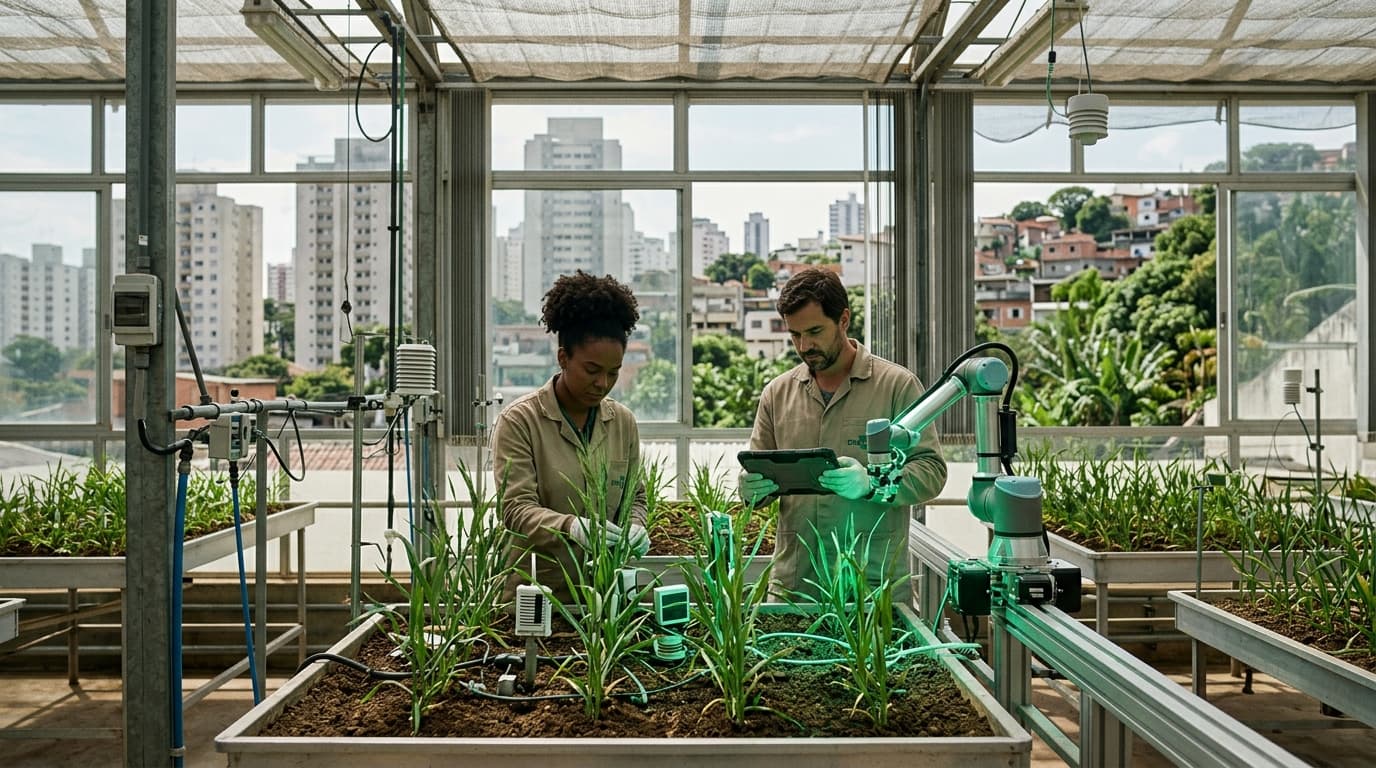
Tropical Wheat Breeding
Geography: Americas · South America · Brazil
Wheat traditionally requires cool, temperate climates. EMBRAPA has spent 40 years crossing heat-tolerant varieties from around the world with Brazilian germplasm, and since 2010 has been testing wheat adapted to the cerrado's hot, dry winters.
The cerrado already produces roughly 10% of Brazil's wheat as a safrinha crop after soybeans. The goal is to expand this dramatically: if even a fraction of the cerrado's 200 million hectares grows wheat, Brazil could shift from importing 7 million tons annually to self-sufficiency.
The geopolitical dimension is significant. Brazil's wheat imports come primarily from Argentina, the US, and Canada. Achieving wheat self-sufficiency would eliminate a major food security dependency and complete the cerrado transformation story — from infertile savanna to full-spectrum grain producer.
Research this in Signals
Signals turns a topic into a sourced research record you can inspect and rerun. Your first scan is free, and this one starts with Tropical Wheat Breeding already loaded, so edit it or scan as is.