Amazon Bioeconomy Products
Geography: Americas · South America · Brazil
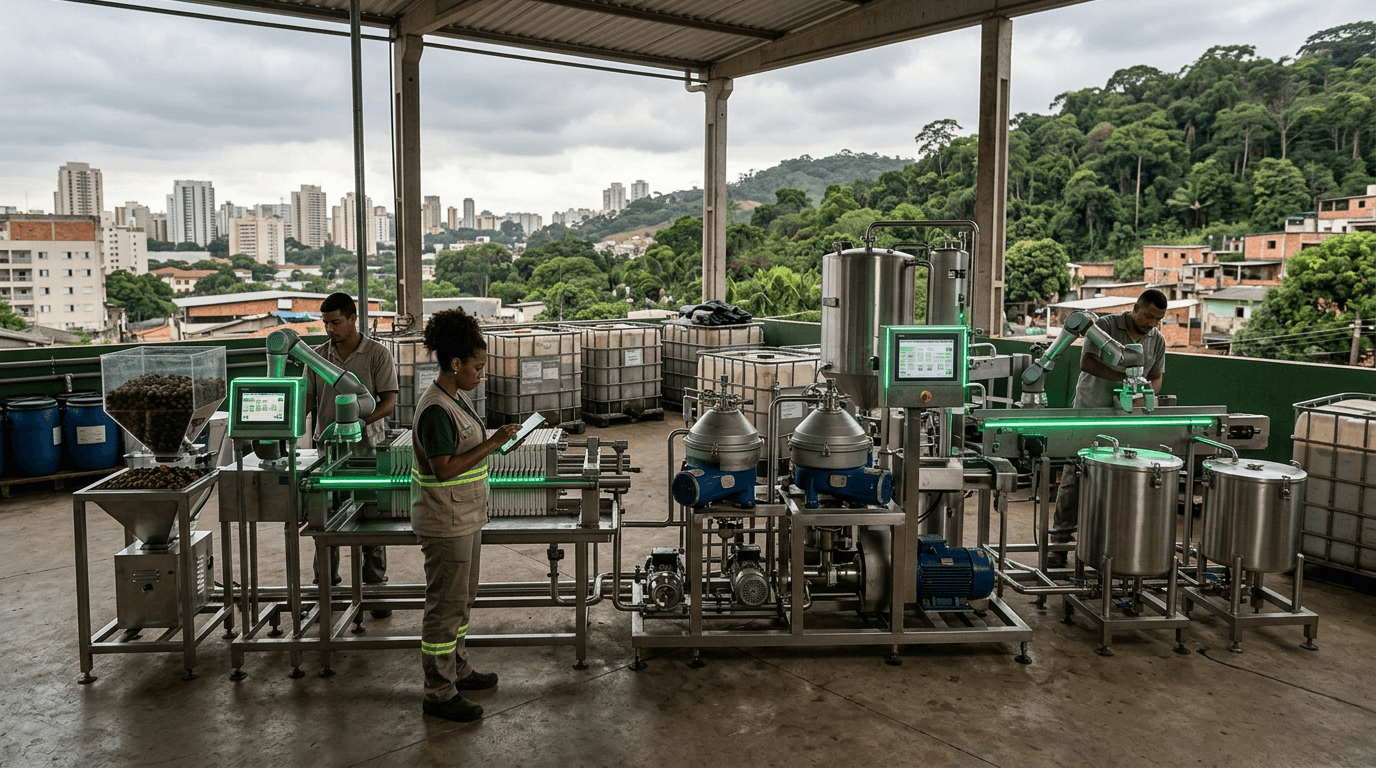
The Amazon bioeconomy encompasses the industrial use of forest products harvested without deforestation: açaí berries, Brazil nuts, andiroba and copaíba oils, babaçu kernels, natural rubber, and dozens of other species. The value chain runs from extractivist communities to companies like Natura (cosmetics), Sambazon (açaí exports), and pharmaceutical firms.
Açaí alone generates over .5 billion annually and supports hundreds of thousands of families in Pará. Biotechnological processing is expanding the value: açaí waste is being converted into antioxidant supplements, natural dyes, and biochar. Copaíba oil is used in pharmaceutical formulations. Babaçu is processed into cosmetic oils and industrial lubricants.
The strategic argument is economic: bioeconomy products from standing forest can generate 3-7x more revenue per hectare than cattle ranching, while employing more people and maintaining ecosystem services. If the economics scale, they reduce the financial incentive for deforestation — making conservation the more profitable choice. The Brazilian Bioinnovation Association estimates billion in bioeconomy investment could generate billion in returns by 2050.
Research this in Signals
Signals turns a topic into a sourced research record you can inspect and rerun. Your first scan is free, and this one starts with Amazon Bioeconomy Products already loaded, so edit it or scan as is.