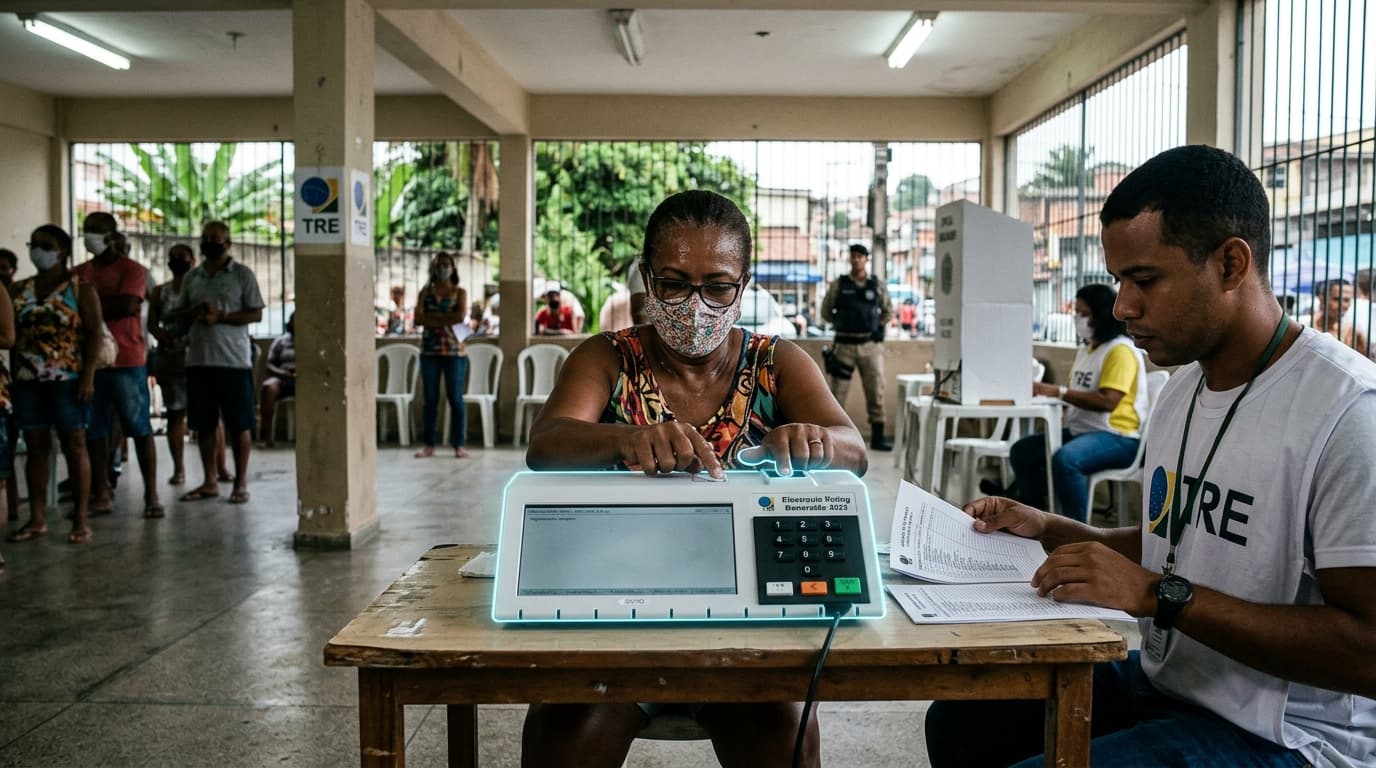
Electronic Voting System
Geography: Americas · South America · Brazil
Brazil has used electronic voting machines since 1996 and went 100% electronic in 2000 — the first country in the world to do so. The current 12th-generation hardware includes biometric fingerprint verification. Results for national elections are typically available within hours of polls closing.
The system is administered by the Electoral Justice (TSE), which handles voter registration, biometric enrollment, vote collection, and result consolidation. The machines are standalone devices that are not connected to the internet, reducing attack surface. Each election cycle, the TSE invites public security testing.
The technology has been scrutinized and survived political attacks (notably during the 2022 election), but continues to operate. The scale — processing 150 million+ votes in a single day with results in hours — remains unmatched globally.
Research this in Signals
Signals turns a topic into a sourced research record you can inspect and rerun. Your first scan is free, and this one starts with Electronic Voting System already loaded, so edit it or scan as is.