Integrated Pest Management (Biological Control)
Geography: Americas · South America · Brazil
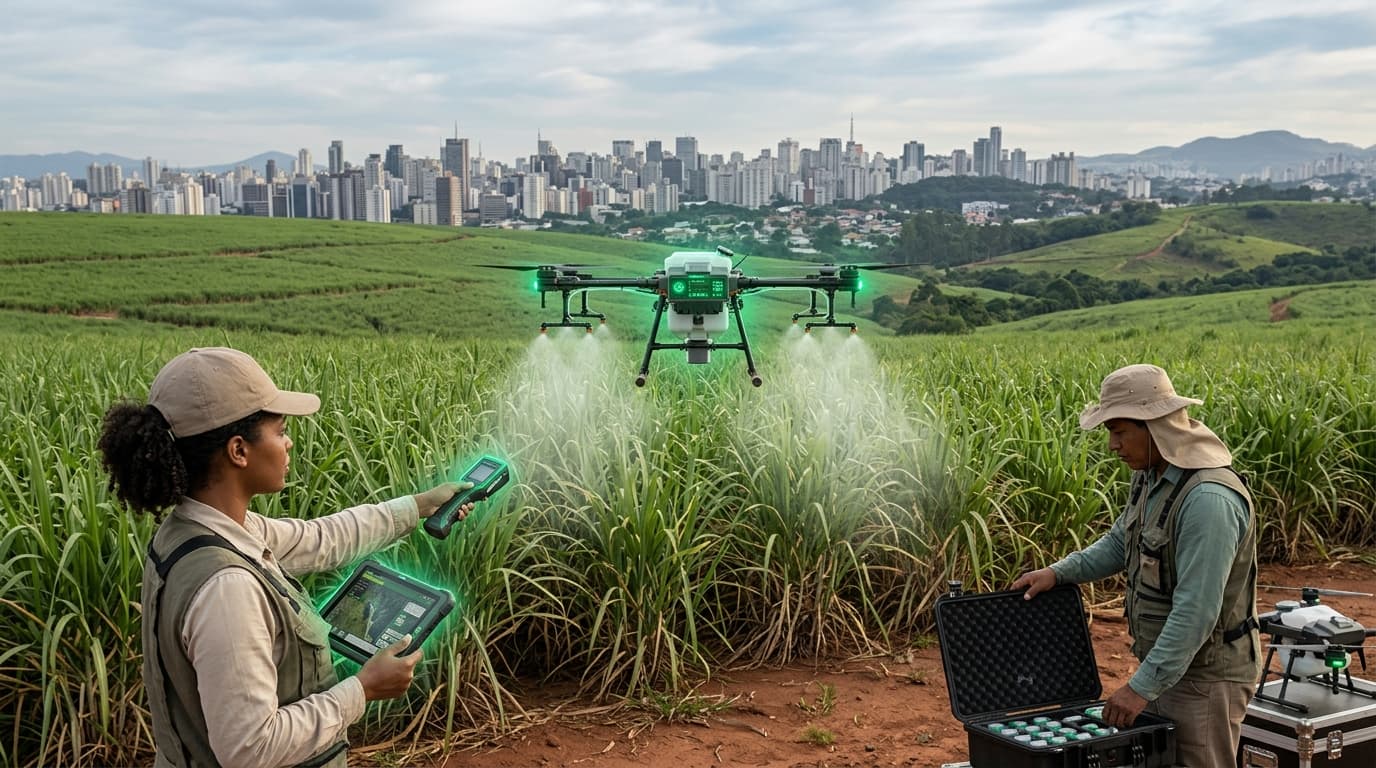
Brazilian agriculture has become the world's largest market for biological pest control agents. EMBRAPA and private companies breed and release natural enemies — parasitic wasps that attack sugarcane borers, fungi that infect soybean caterpillars, bacteria (Bt) that target crop-damaging insects.
The approach is driven by economics as much as environmental concern: biological control is often cheaper than chemical pesticides, especially when resistance develops. Brazil's tropical climate means year-round pest pressure, creating a strong incentive to find sustainable solutions.
The scale is impressive: tens of millions of hectares are treated with biological agents annually. This positions Brazil to meet growing international demand for sustainably produced food, particularly from European markets that are tightening pesticide residue limits.
Research this in Signals
Signals turns a topic into a sourced research record you can inspect and rerun. Your first scan is free, and this one starts with Integrated Pest Management (Biological Control) already loaded, so edit it or scan as is.