Technologies
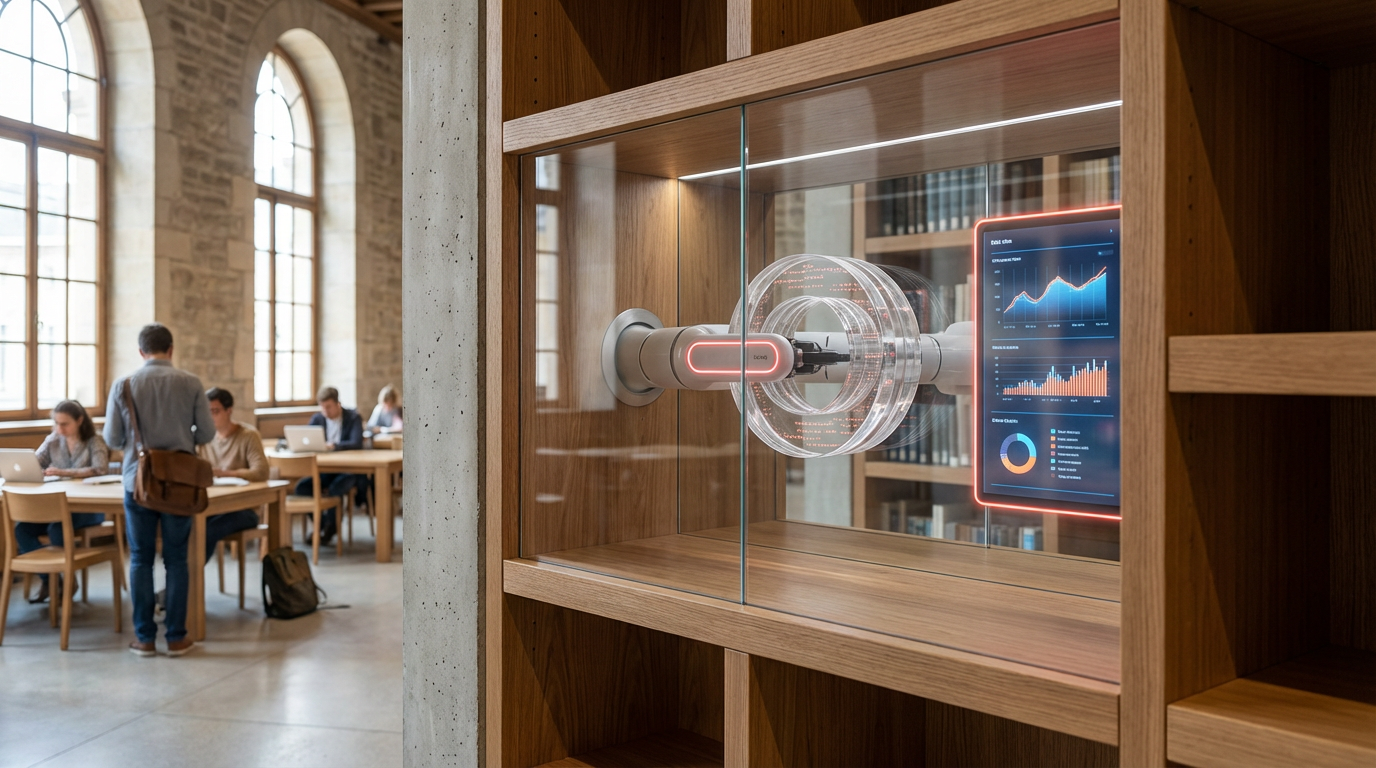
Eternal data storage in nanostructured quartz glass.
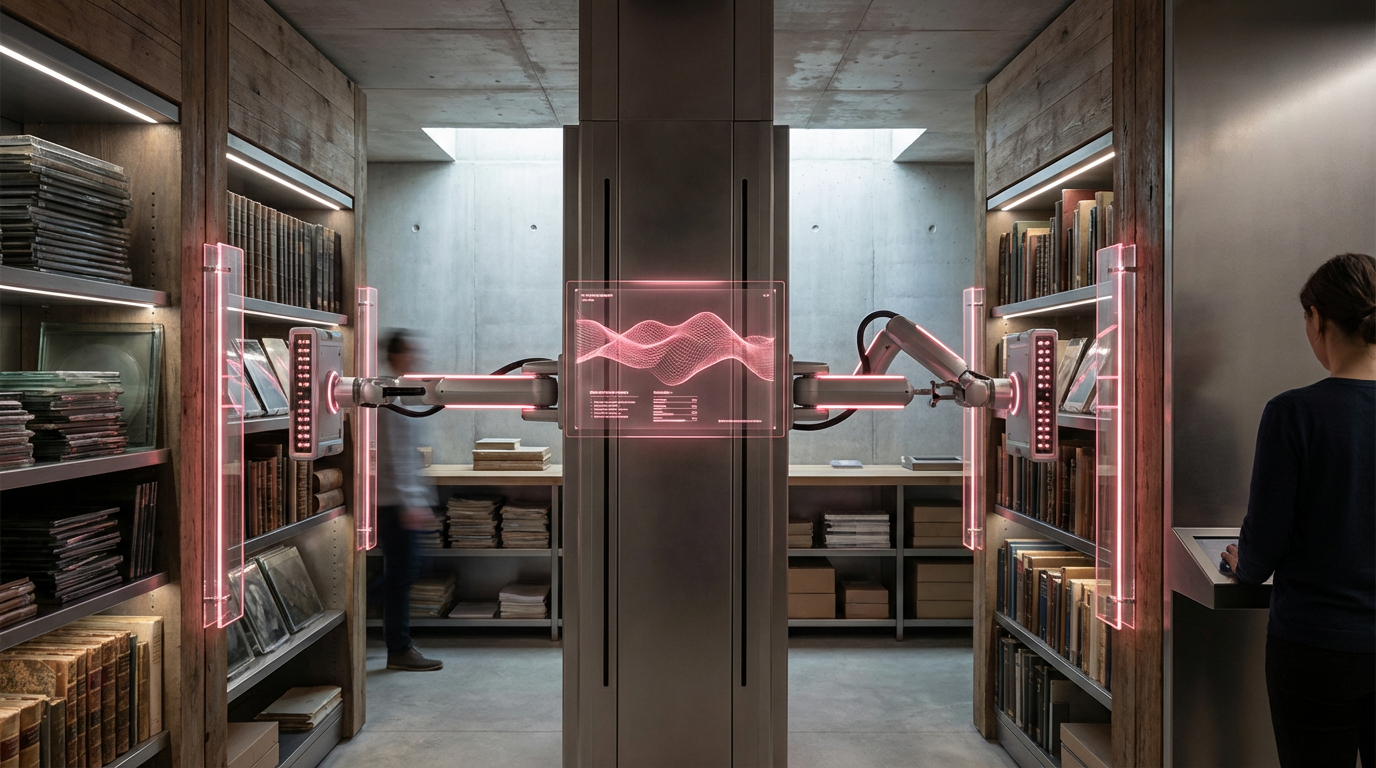
Automated integrity checking and format migration agents.
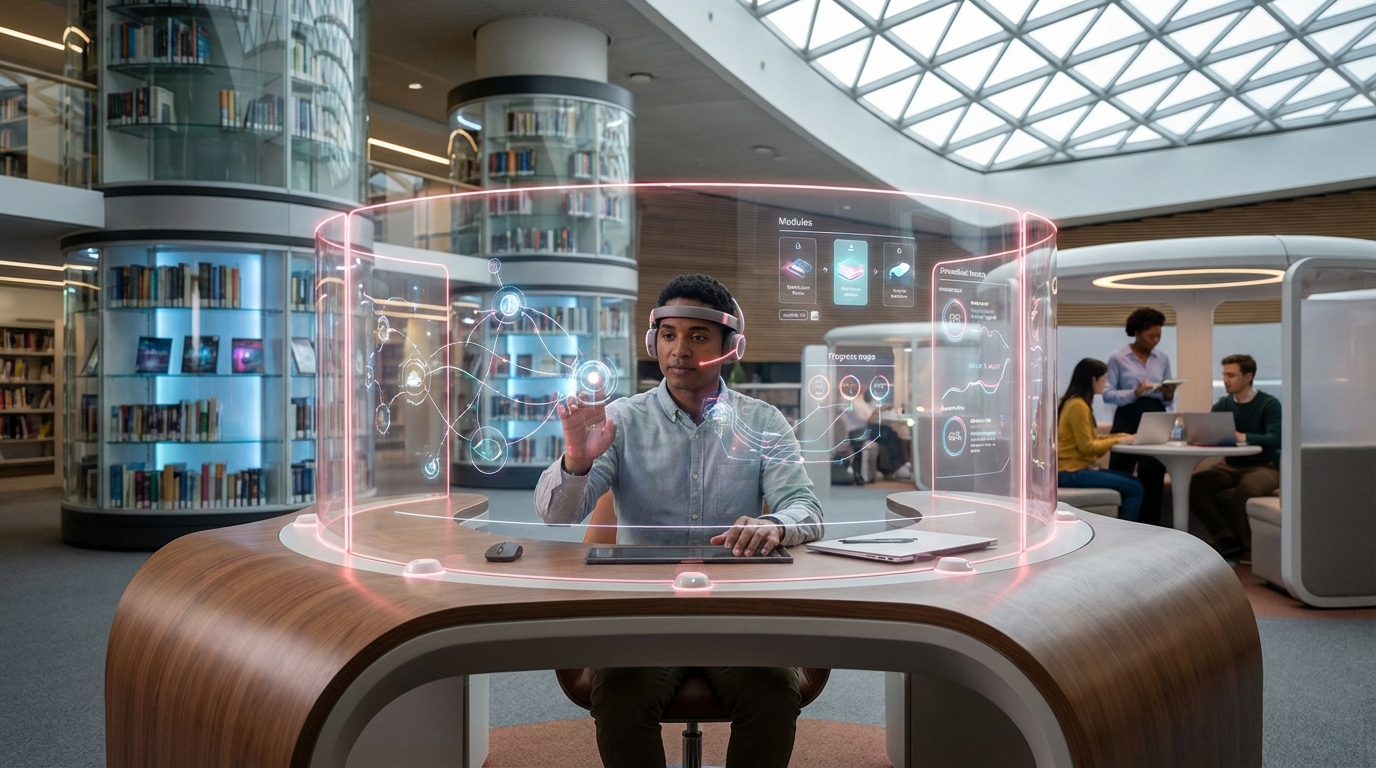
Personalized, AI-guided educational pathways.
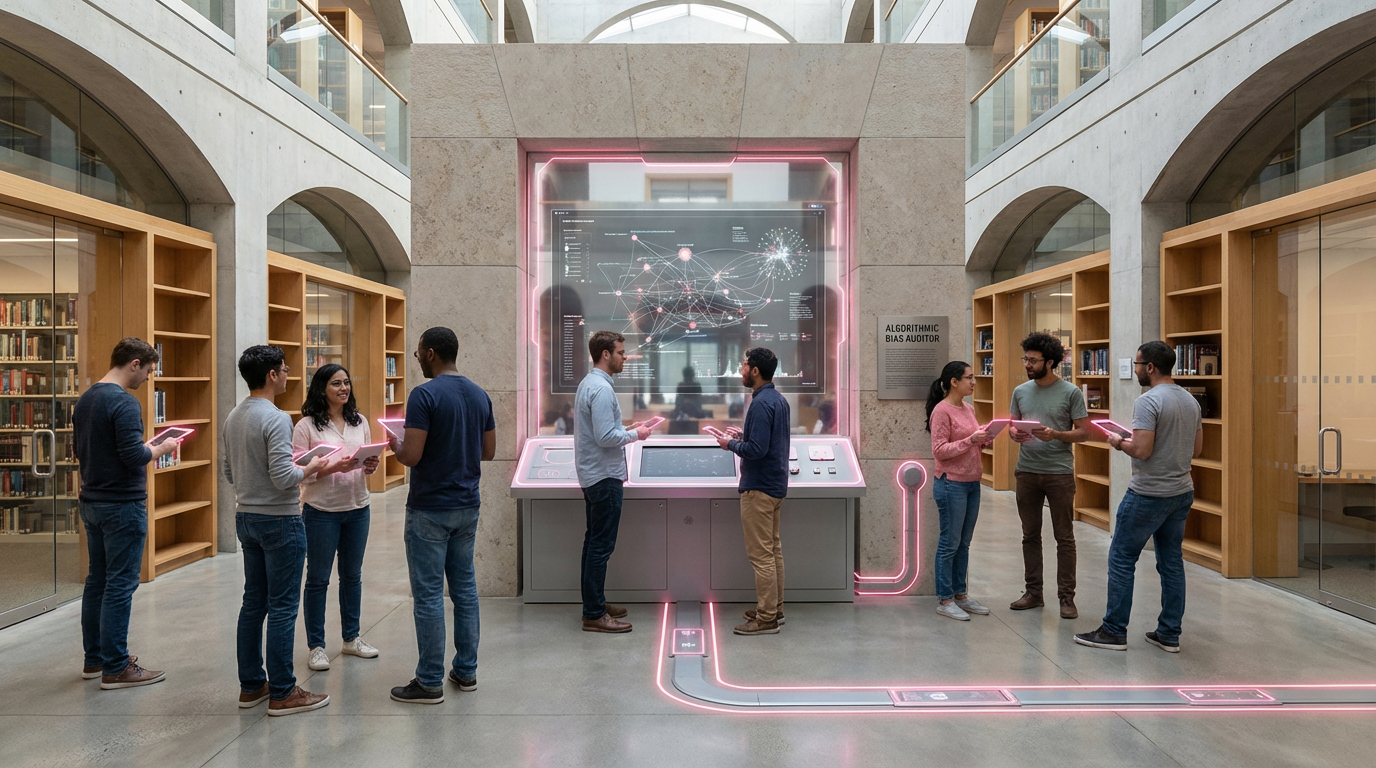
Automated systems to detect and mitigate prejudice in AI models.
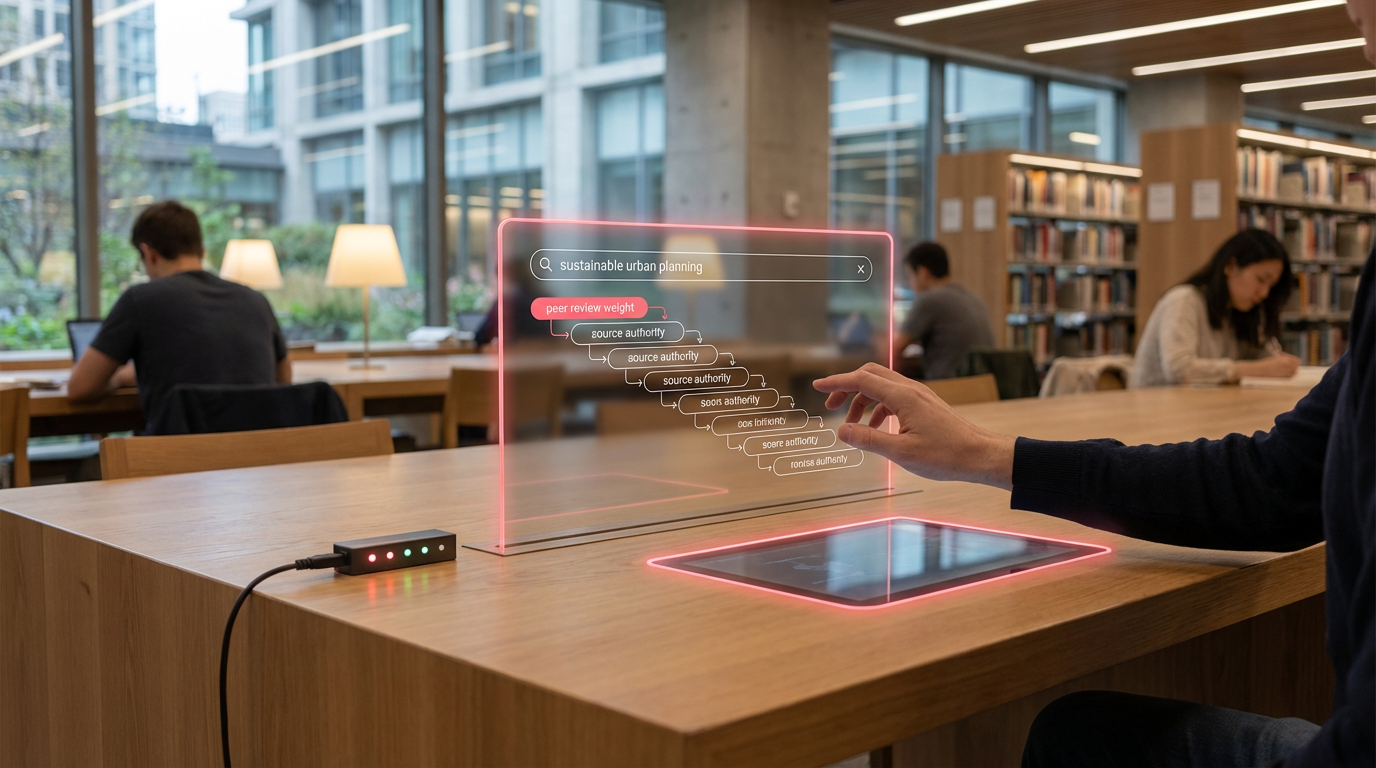
User-facing interfaces revealing how search results are ranked.
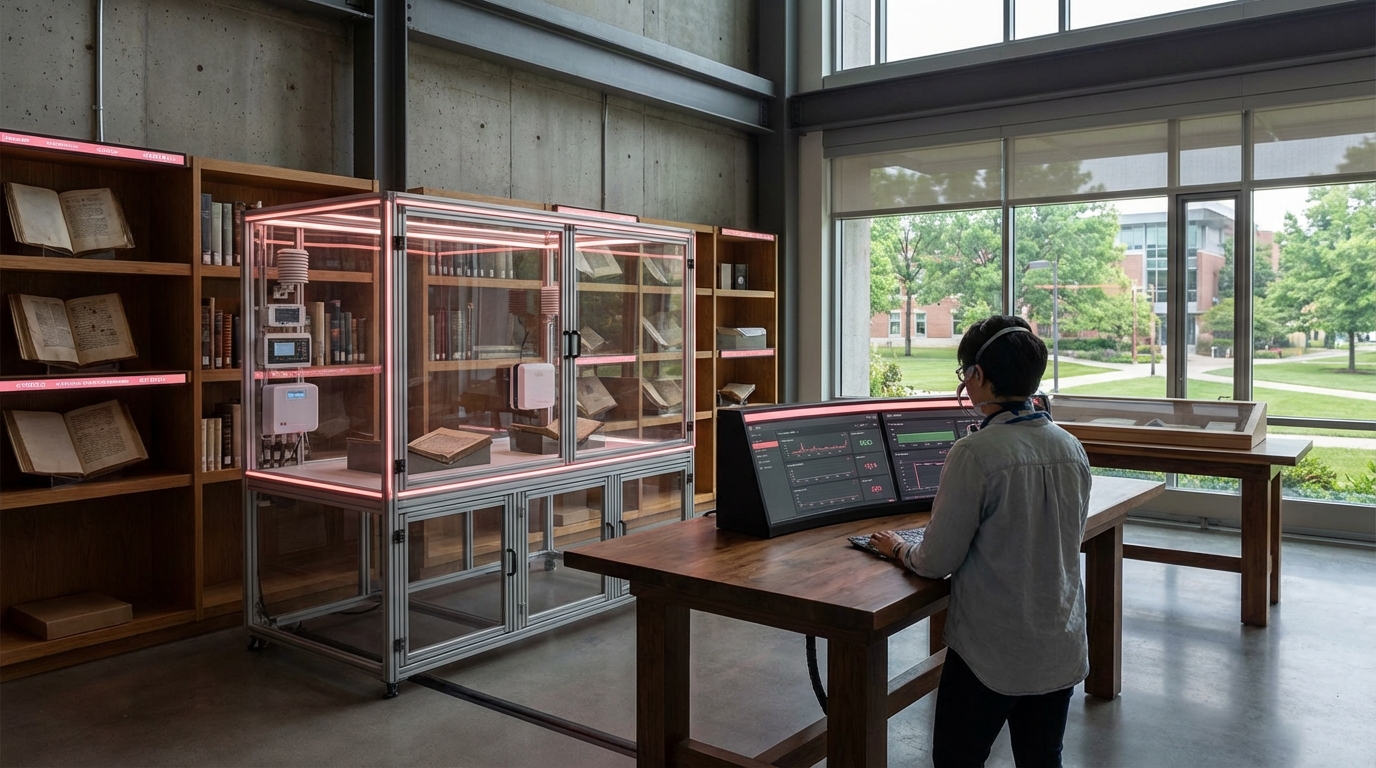
Continuous environmental monitoring for collection health.
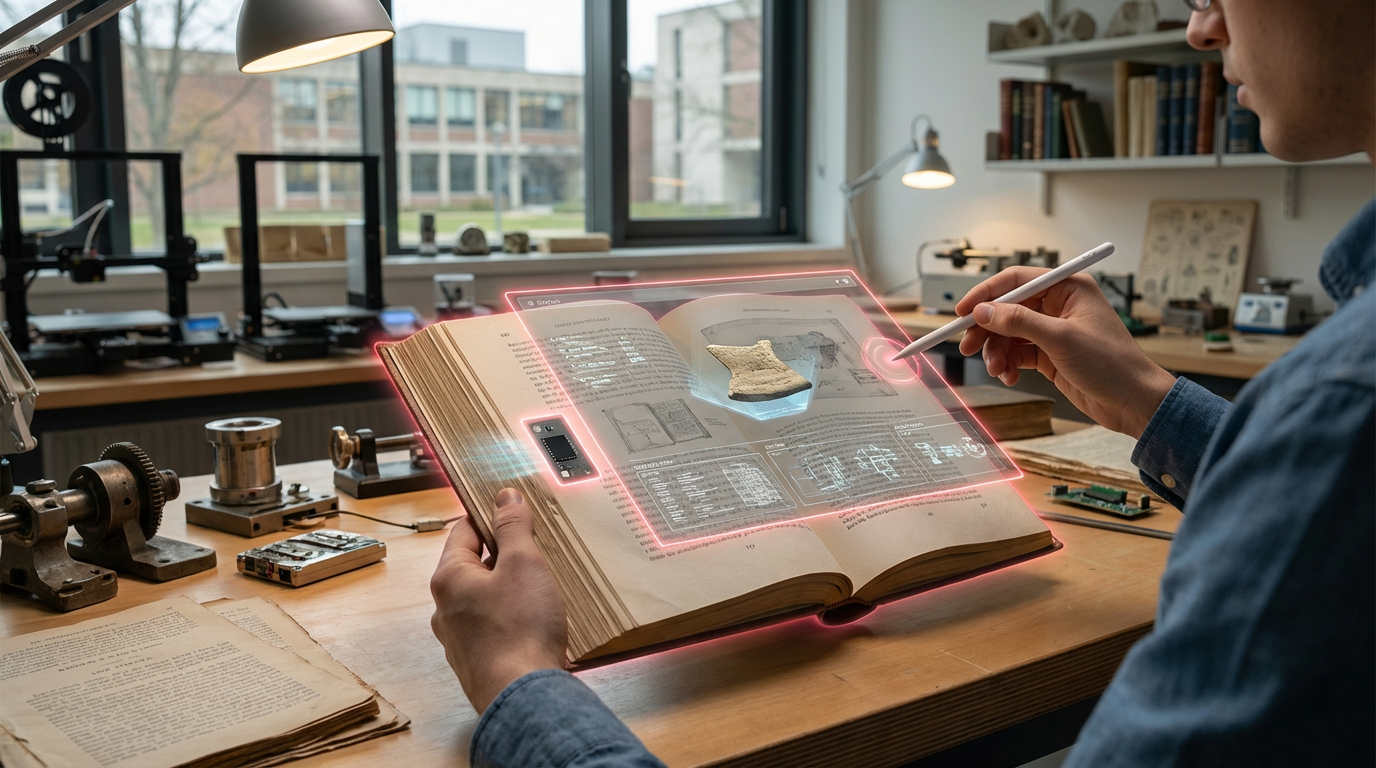
Interactive printed media bridging physical books and digital content.
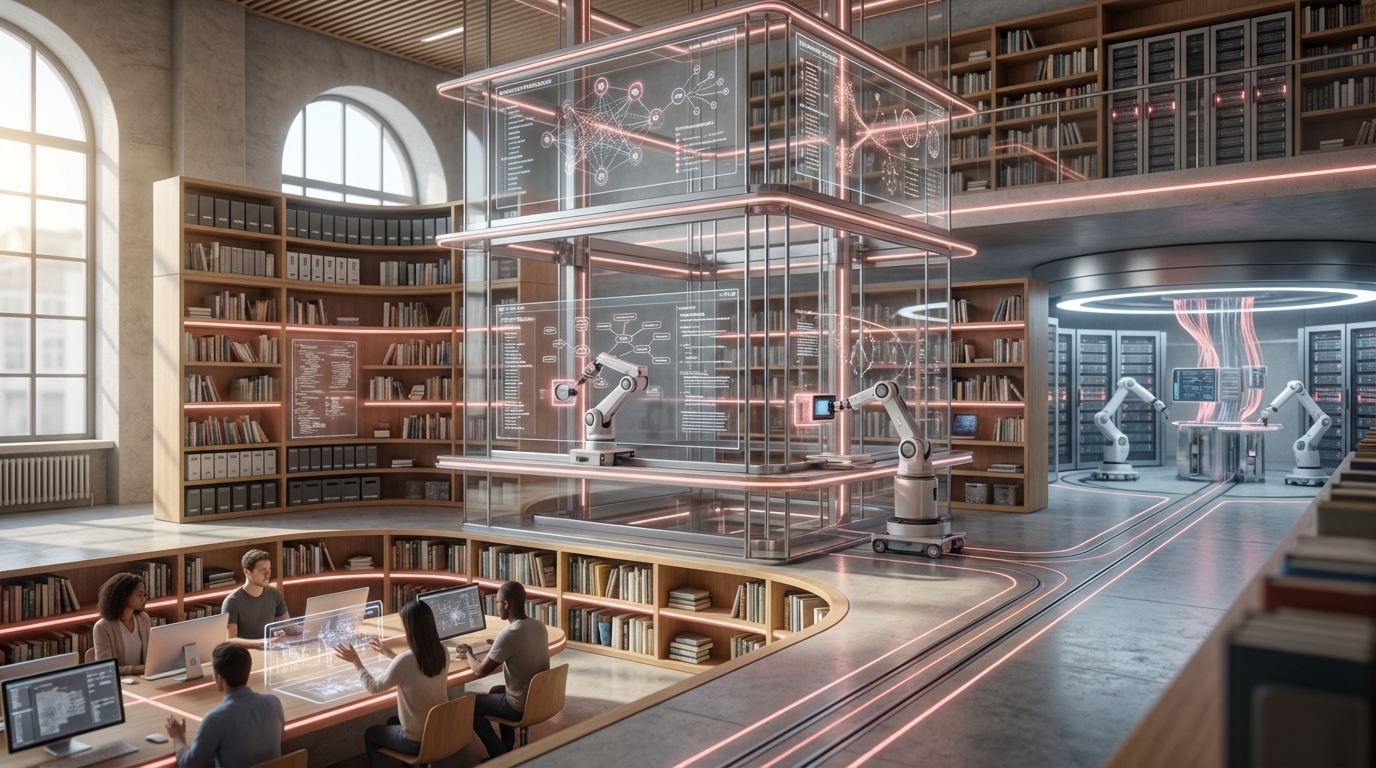
End-to-end ML pipelines for enrichment and ontology alignment.
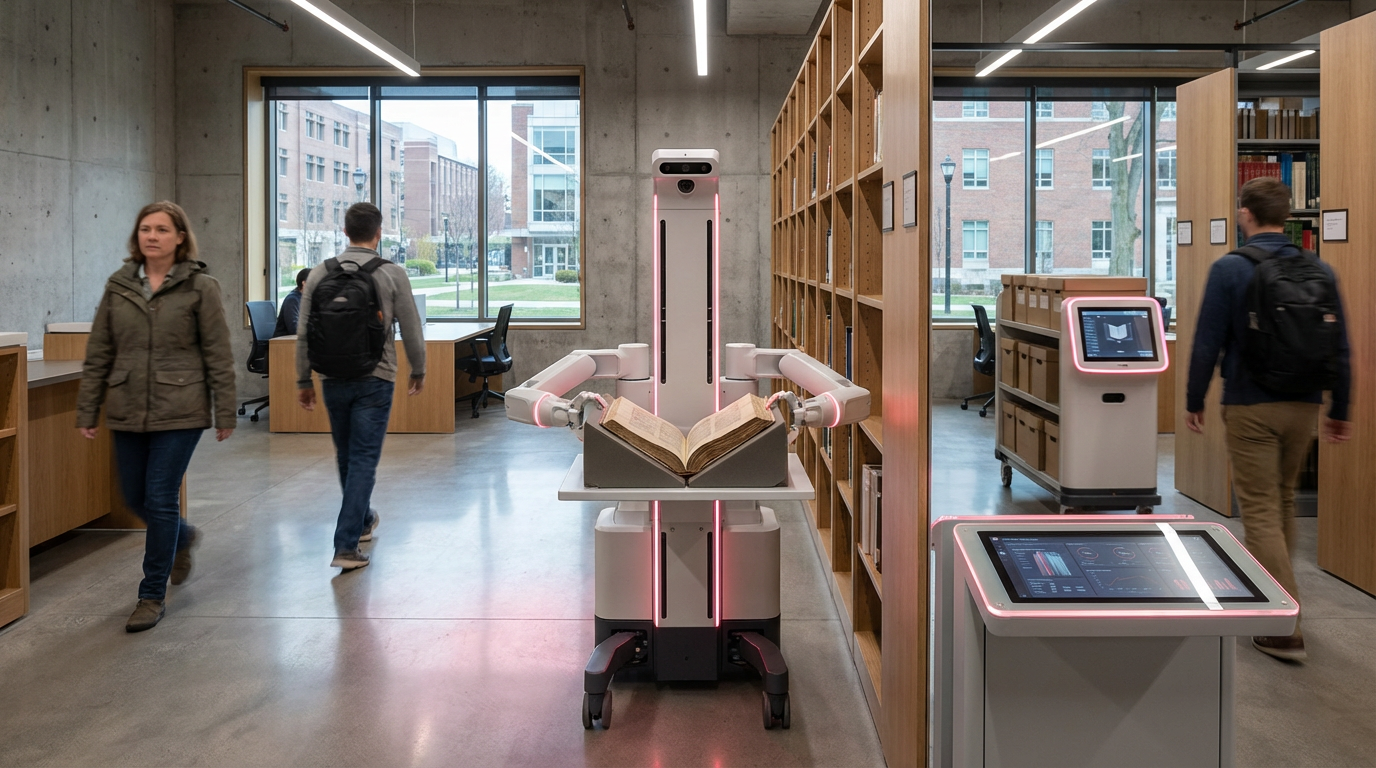
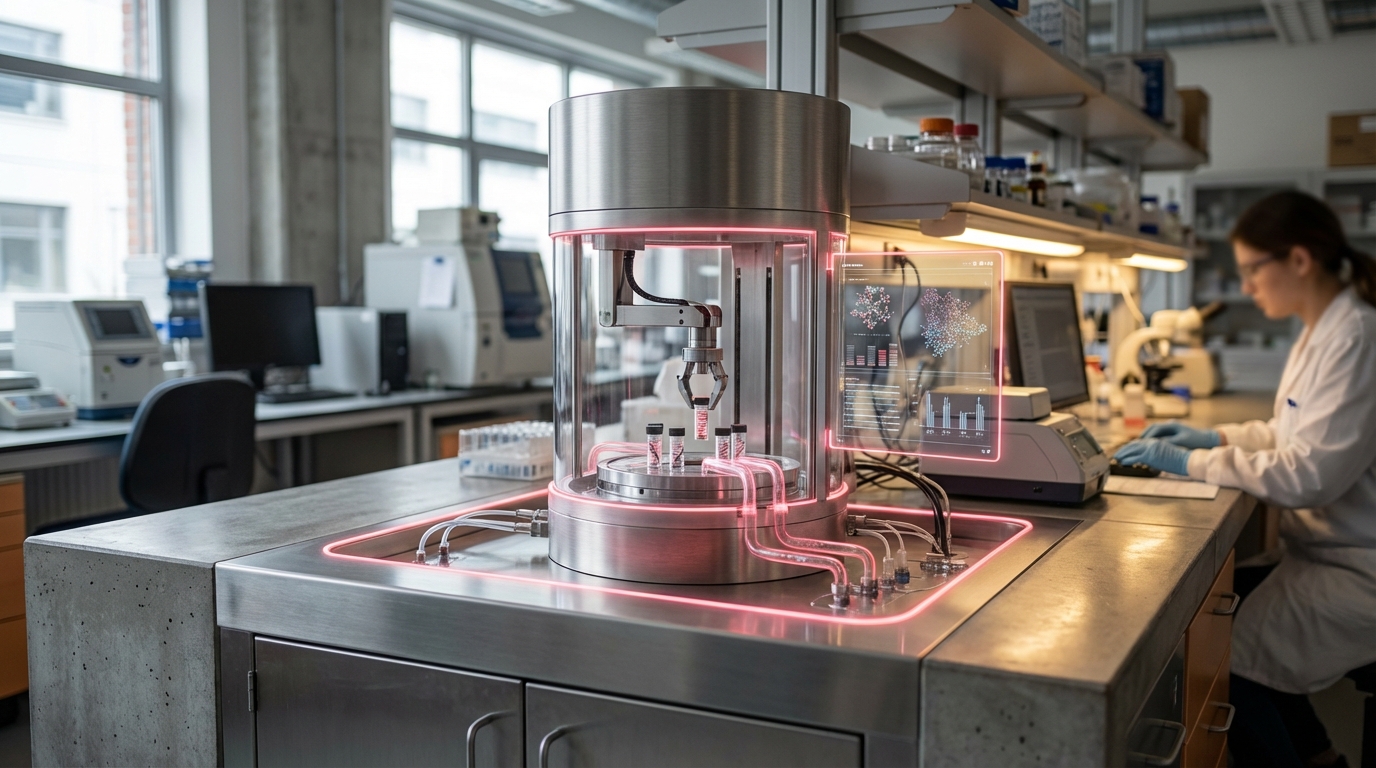
Robotic systems for safe handling and digitization of collections.
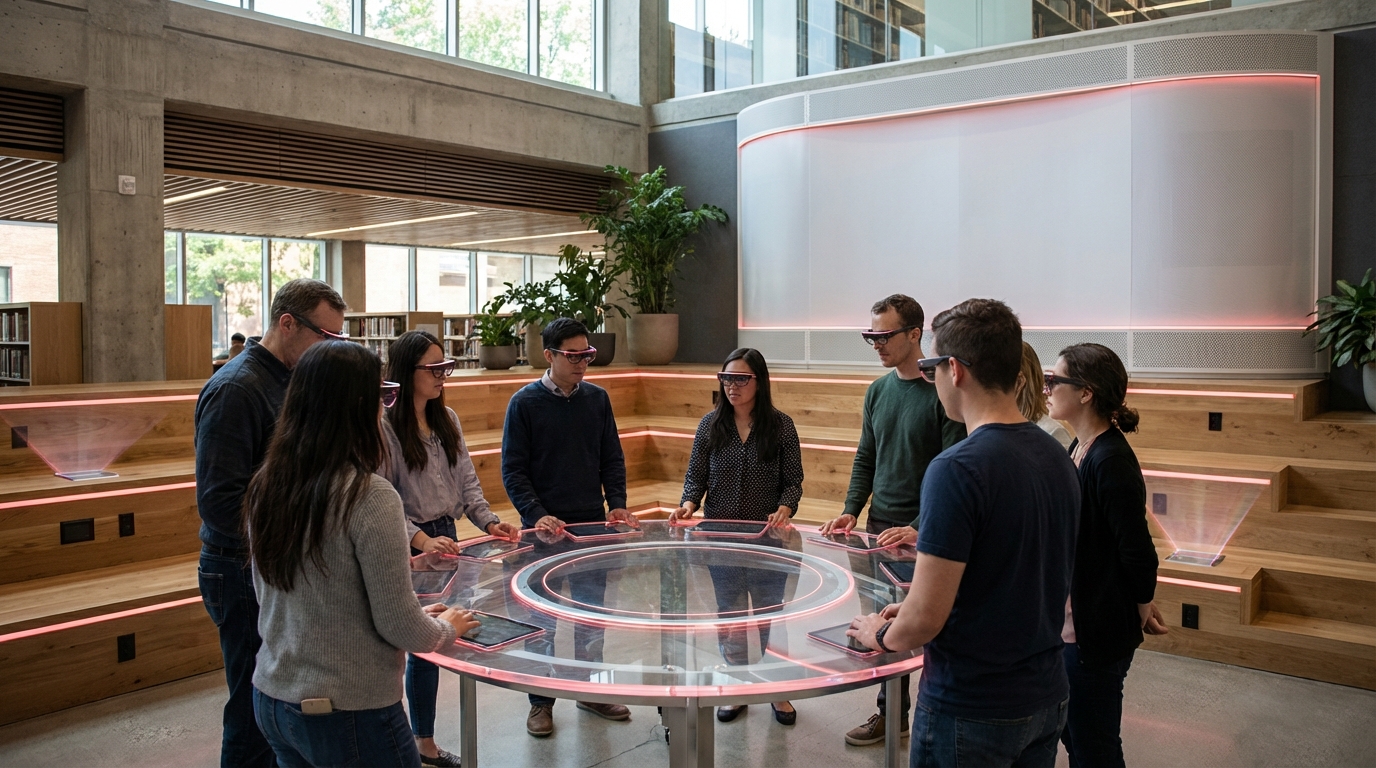
Publicly governed virtual spaces for community assembly.
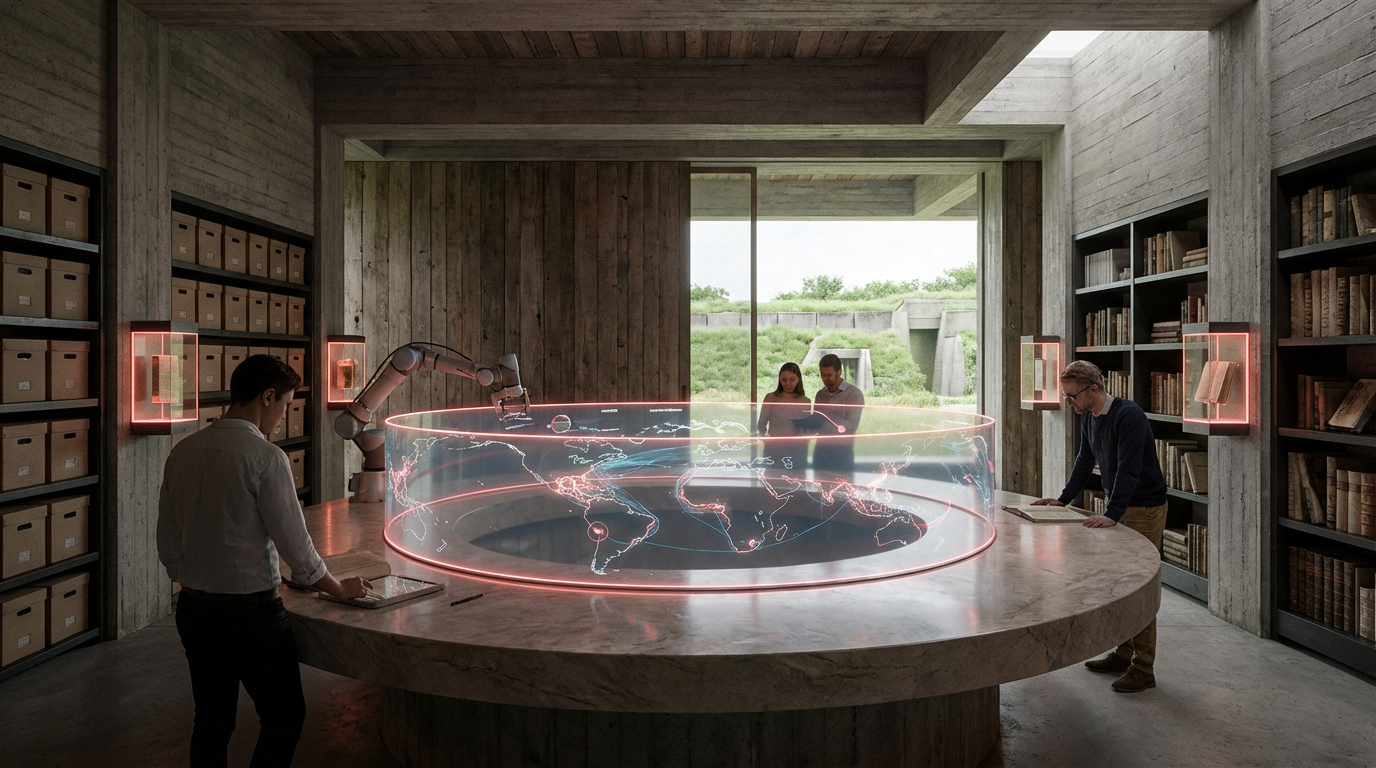
Predictive modeling for disaster preparedness and migration.
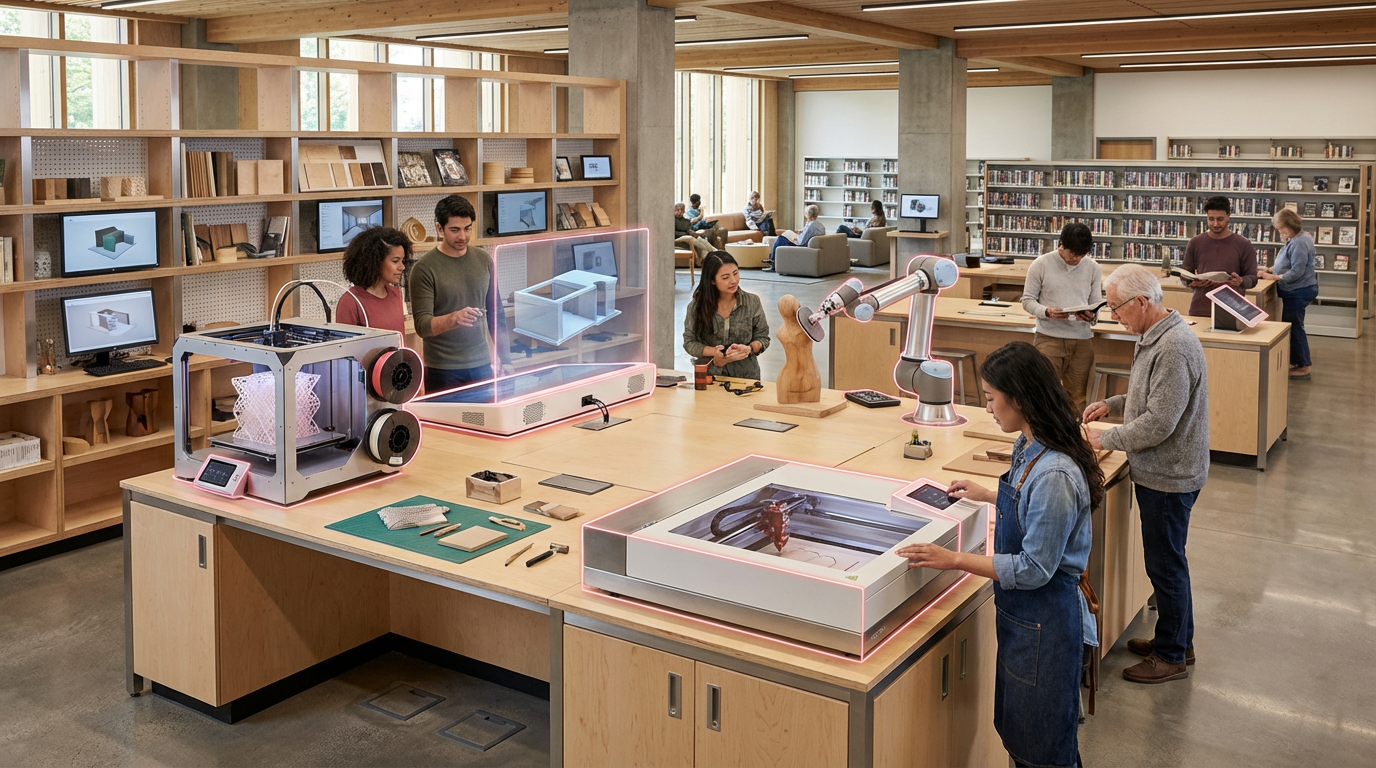
Open-access spaces for physical and digital fabrication.
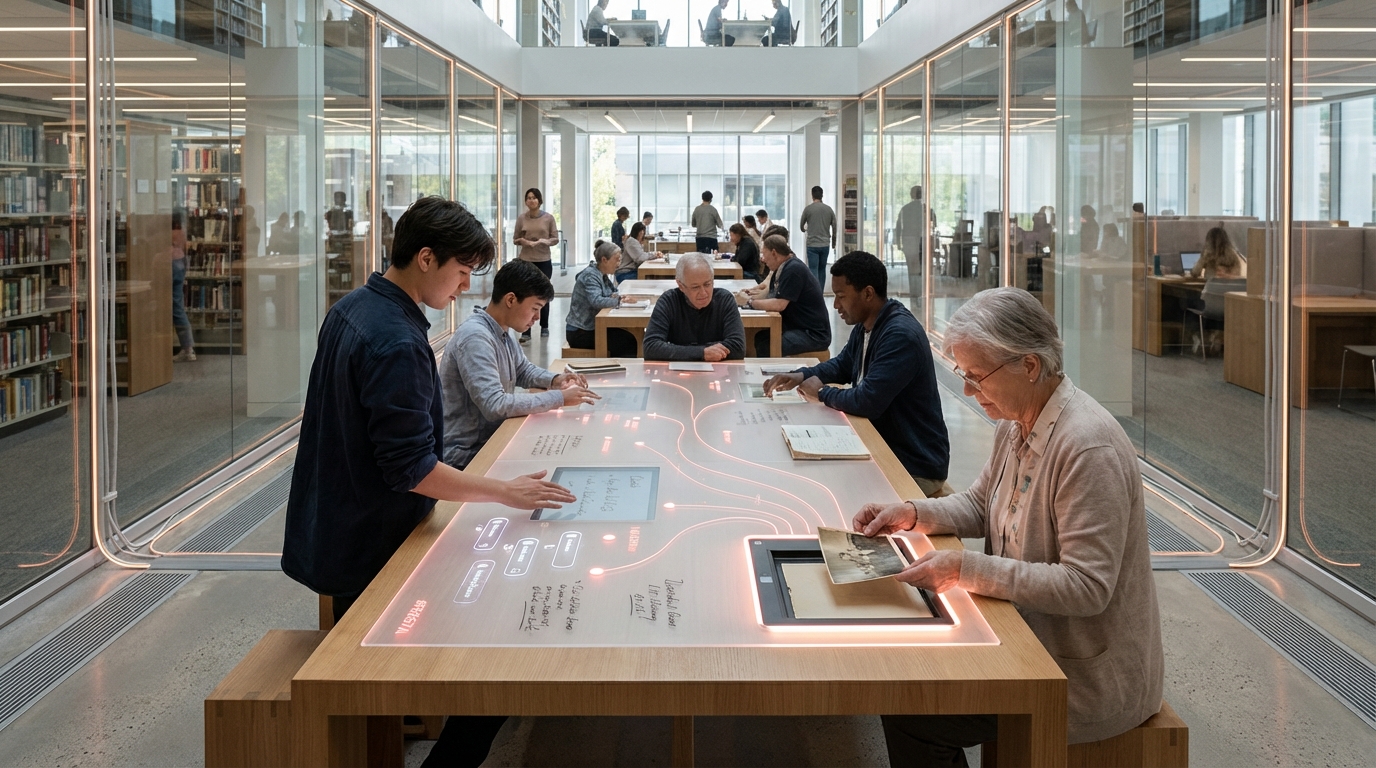
Participatory archives co-created with local communities.
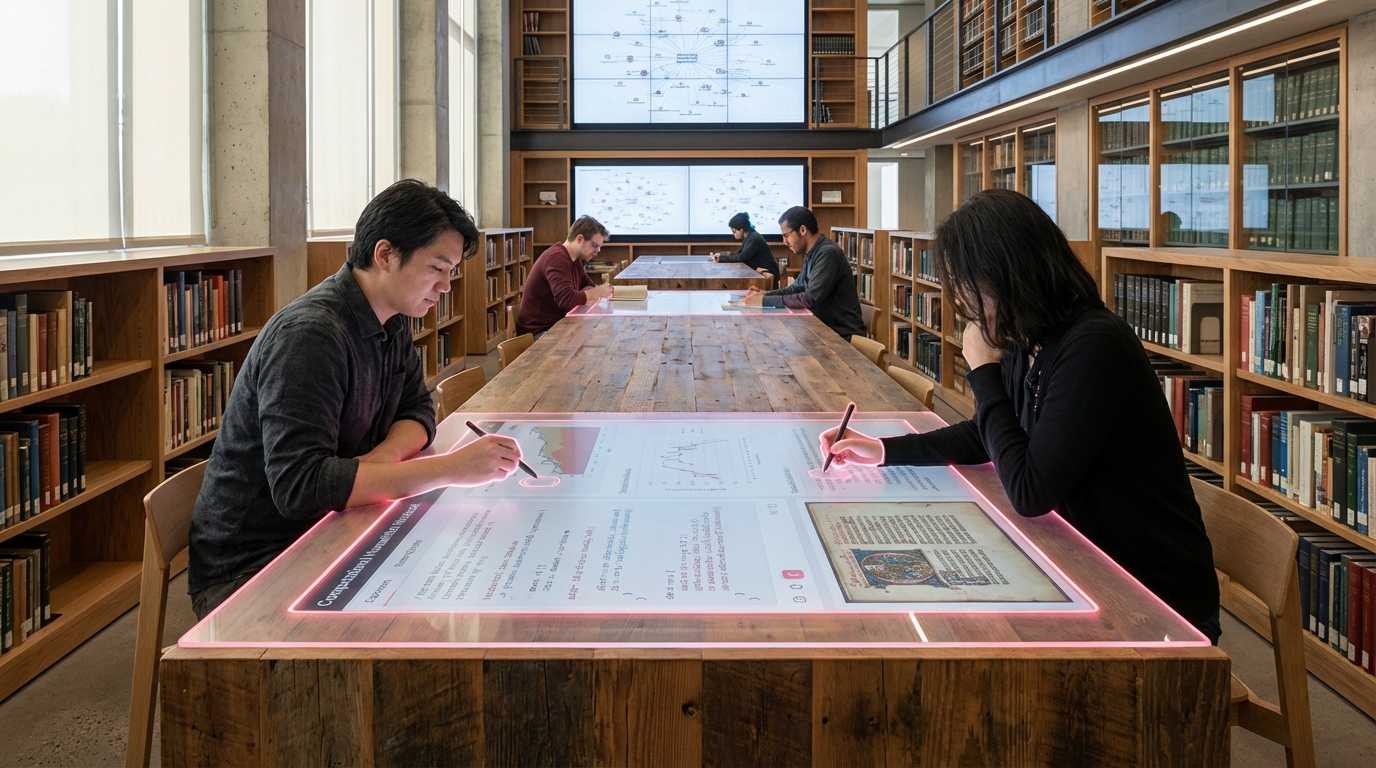
Literate programming environments for reproducible scholarship.
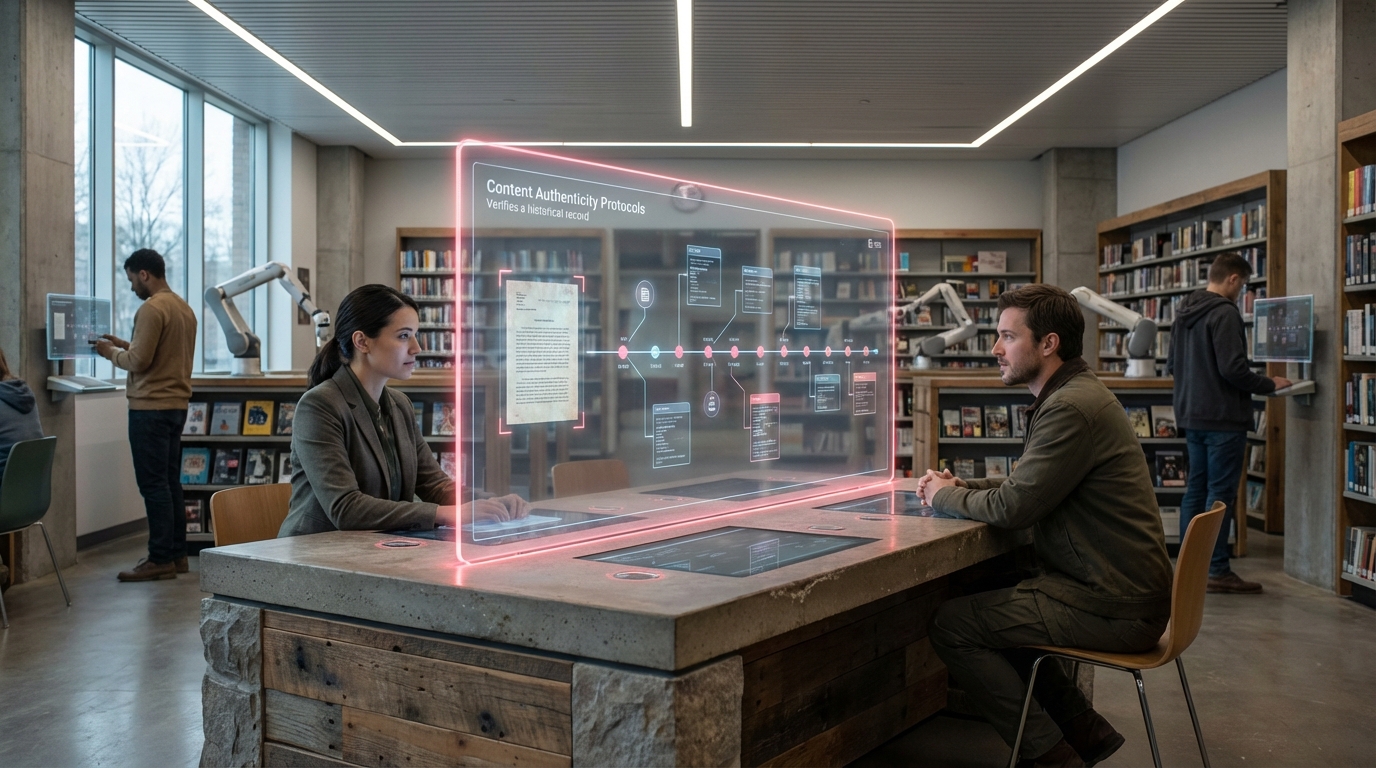
Immutable provenance tracking for digital truth.
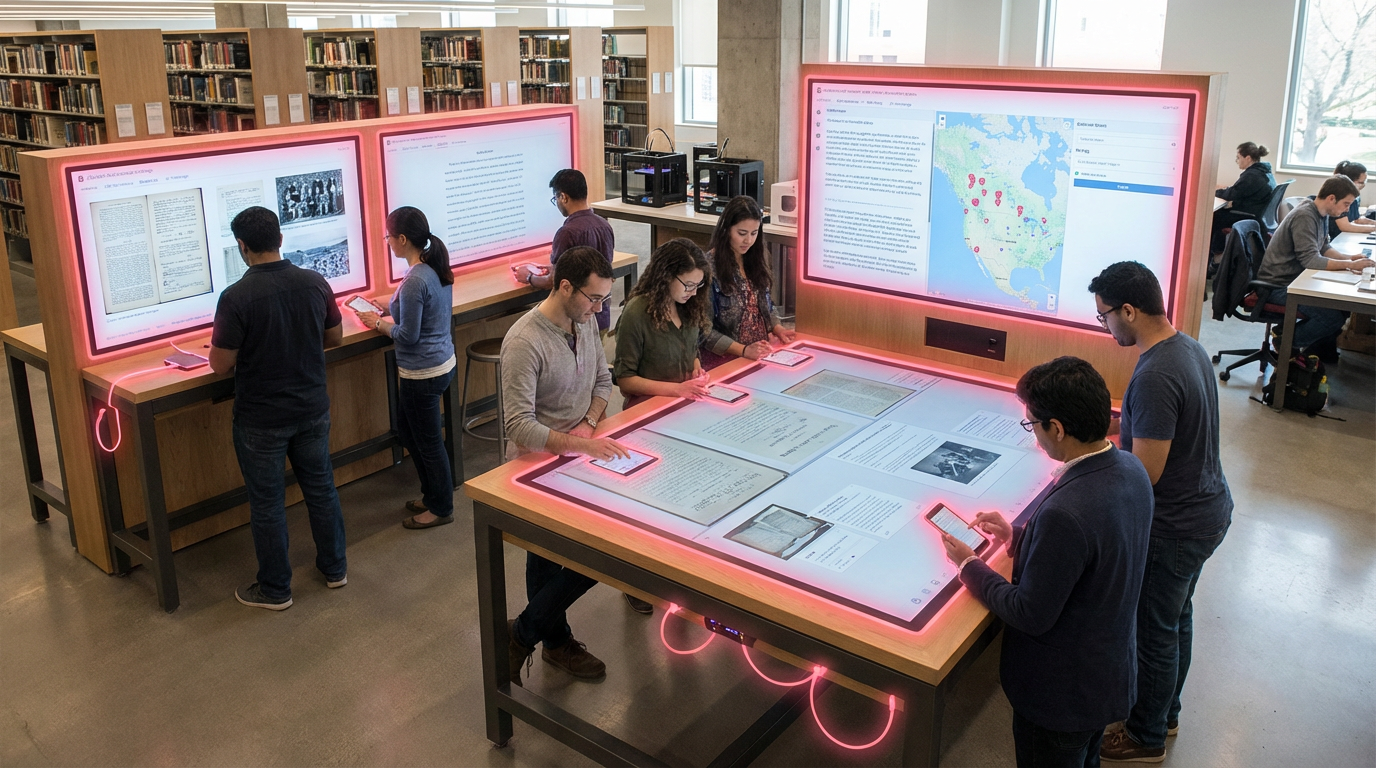
Distributed public participation in metadata enrichment.
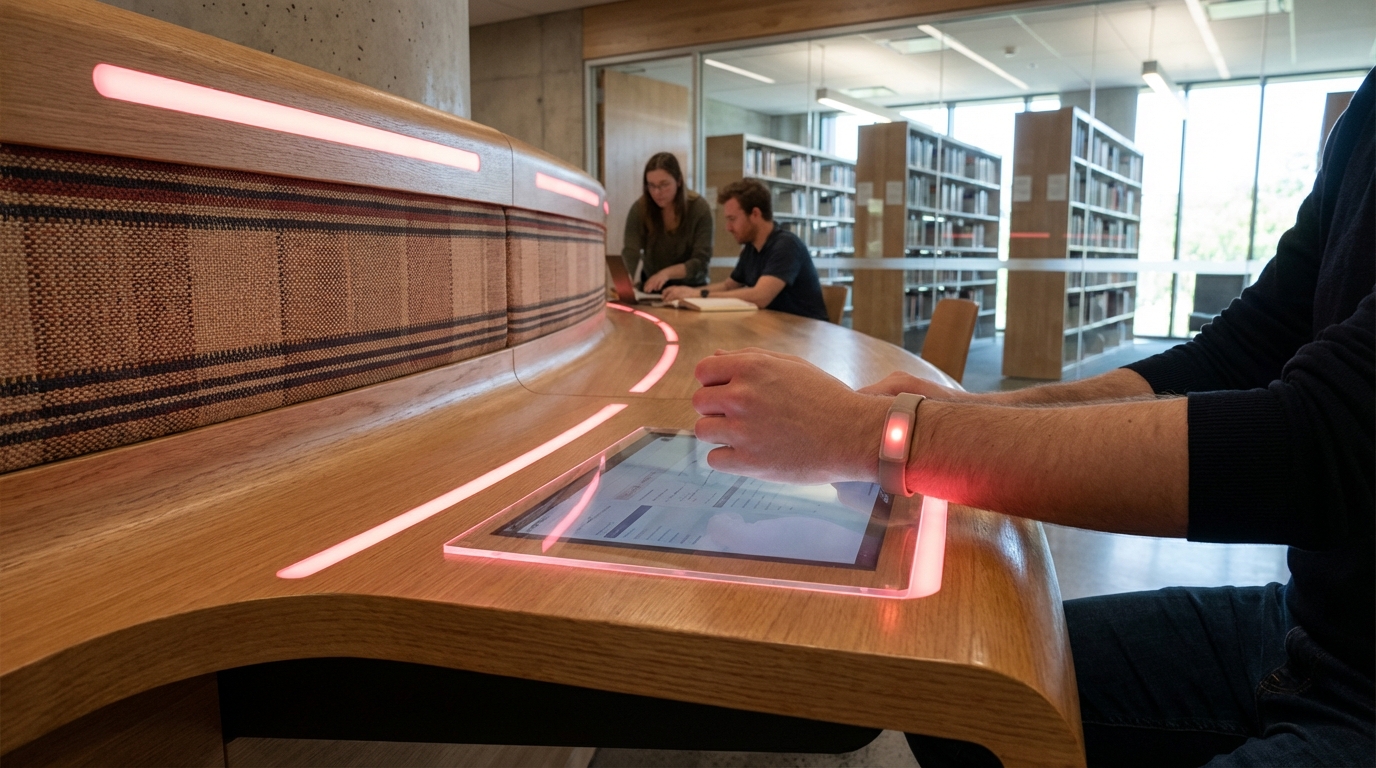
Technologies that respect Indigenous and local data sovereignty.
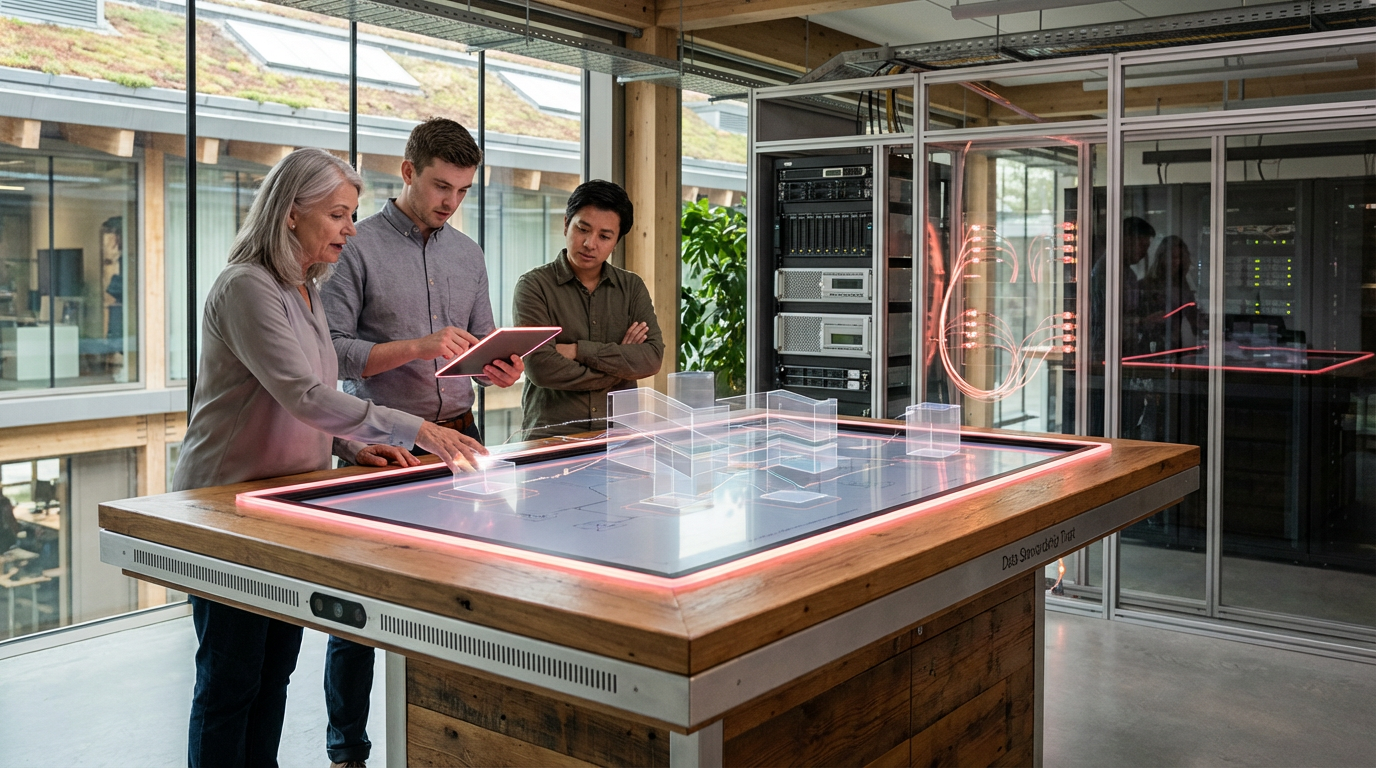
Governance frameworks for shared control over knowledge data.
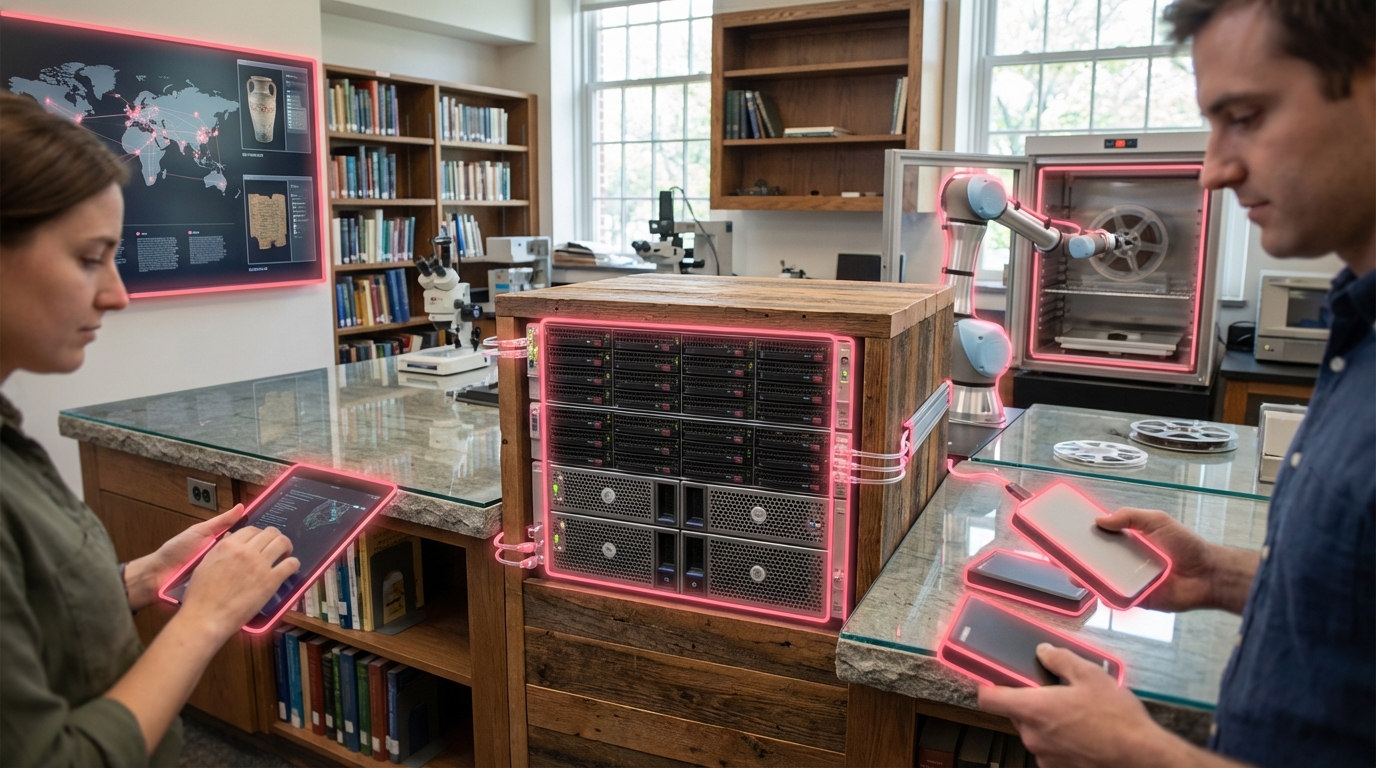
Distributed, censorship-resistant storage for cultural heritage.
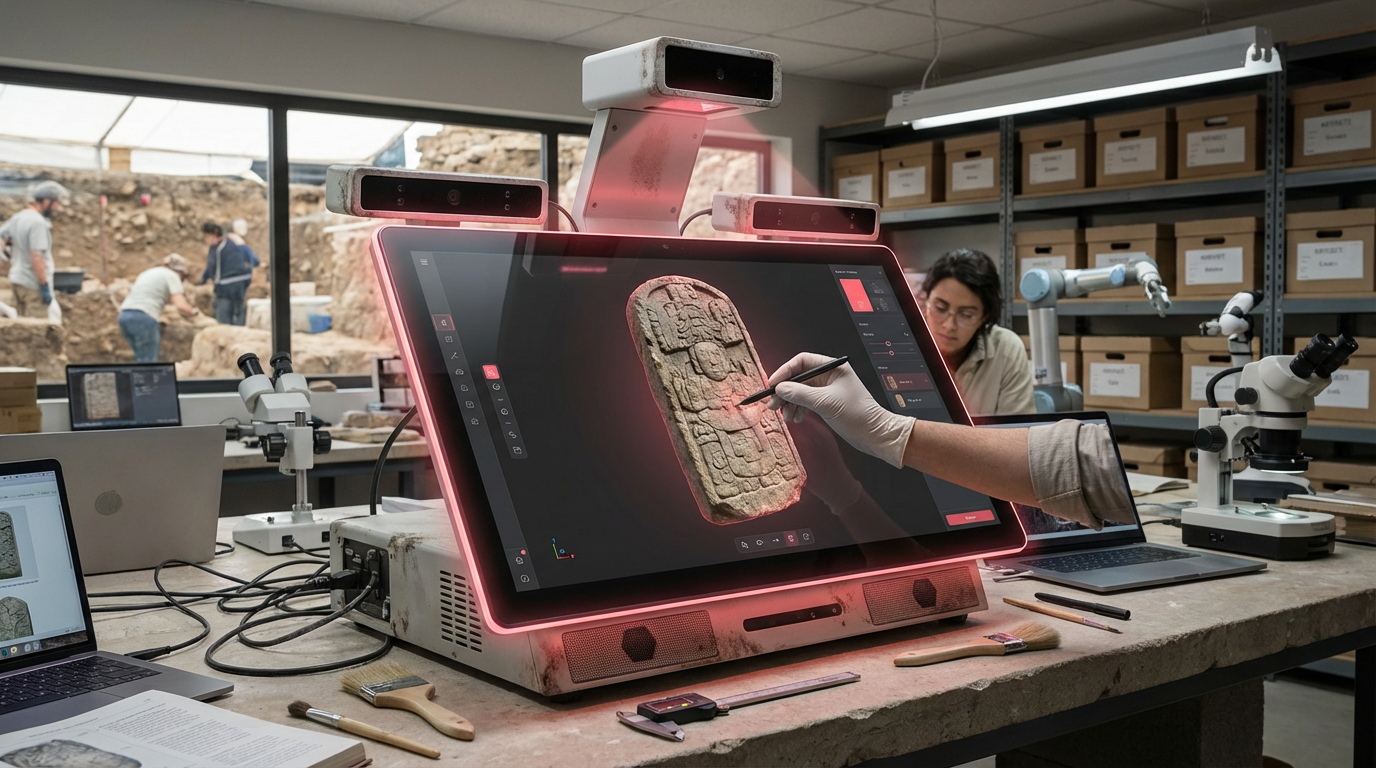
High-fidelity virtual replicas of physical sites and artifacts.

Technologies for returning cultural materials to origin communities.
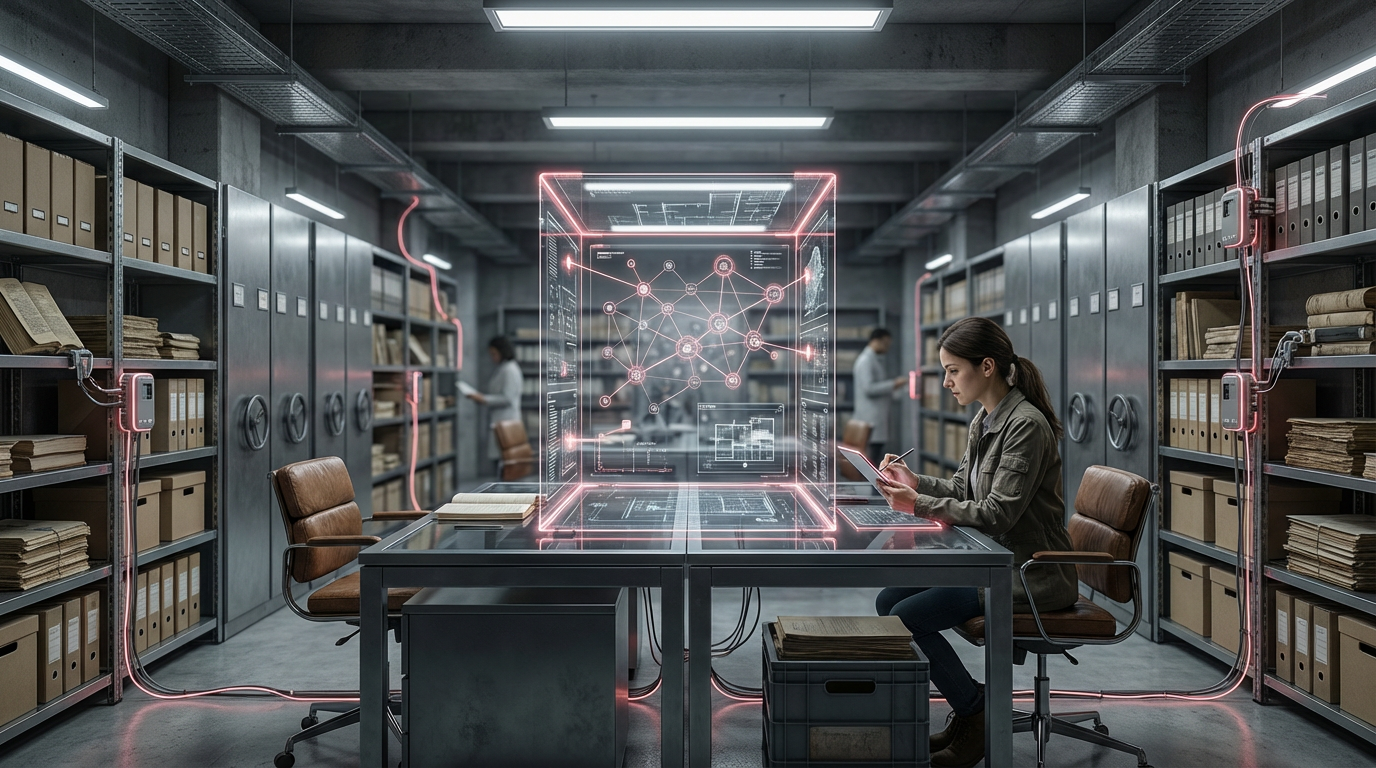
Privacy-preserving AI analysis across distributed repositories.
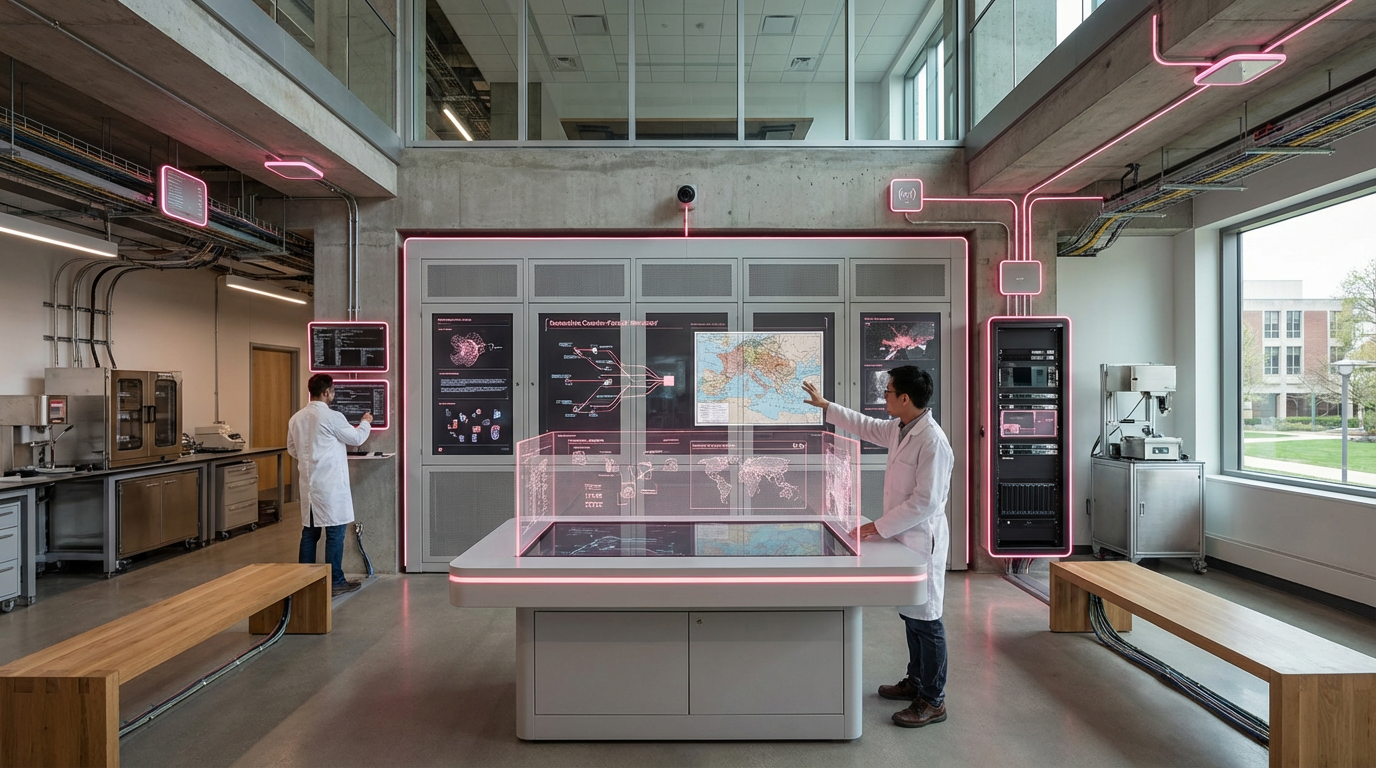
AI engines for exploring historical 'what-if' scenarios.
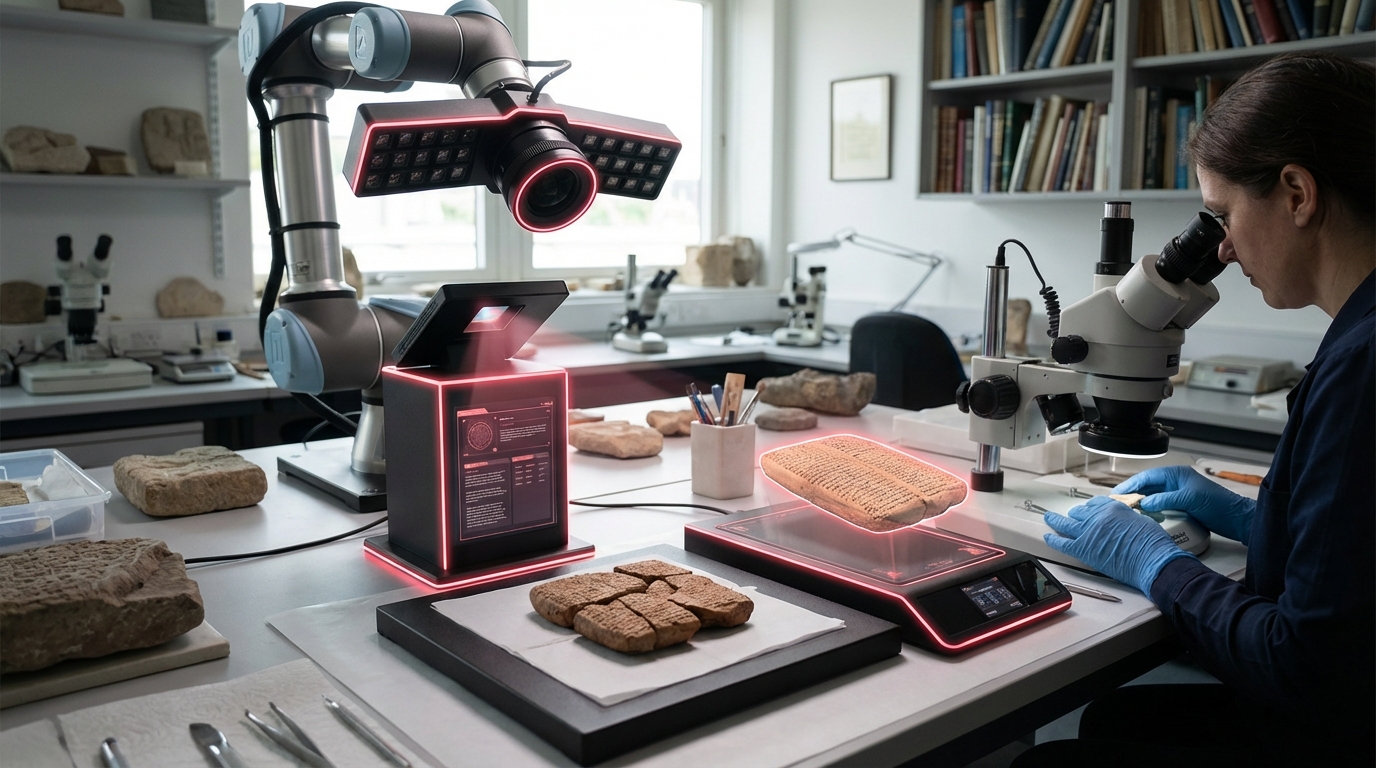
AI-driven repair of damaged or incomplete historical artifacts.
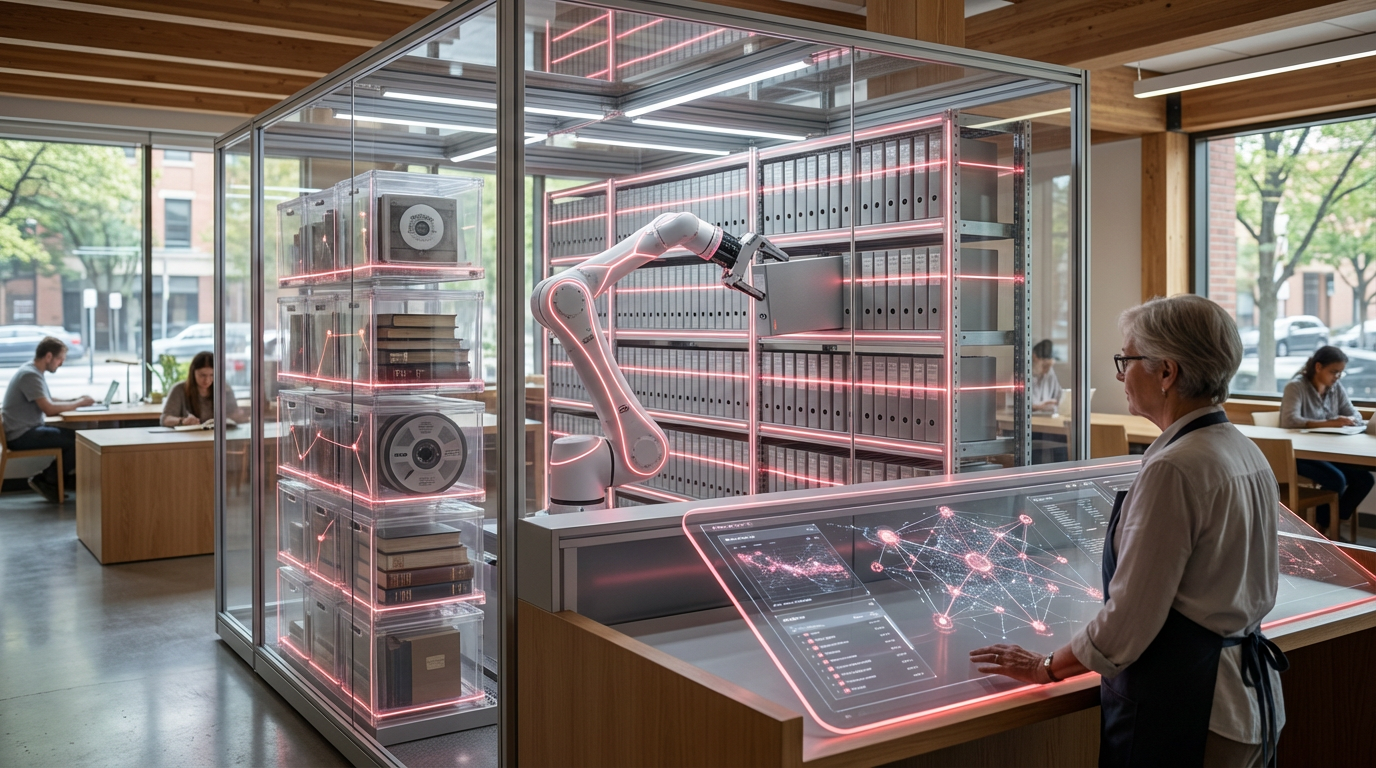
Discovery networks linking galleries, libraries, archives, and museums.
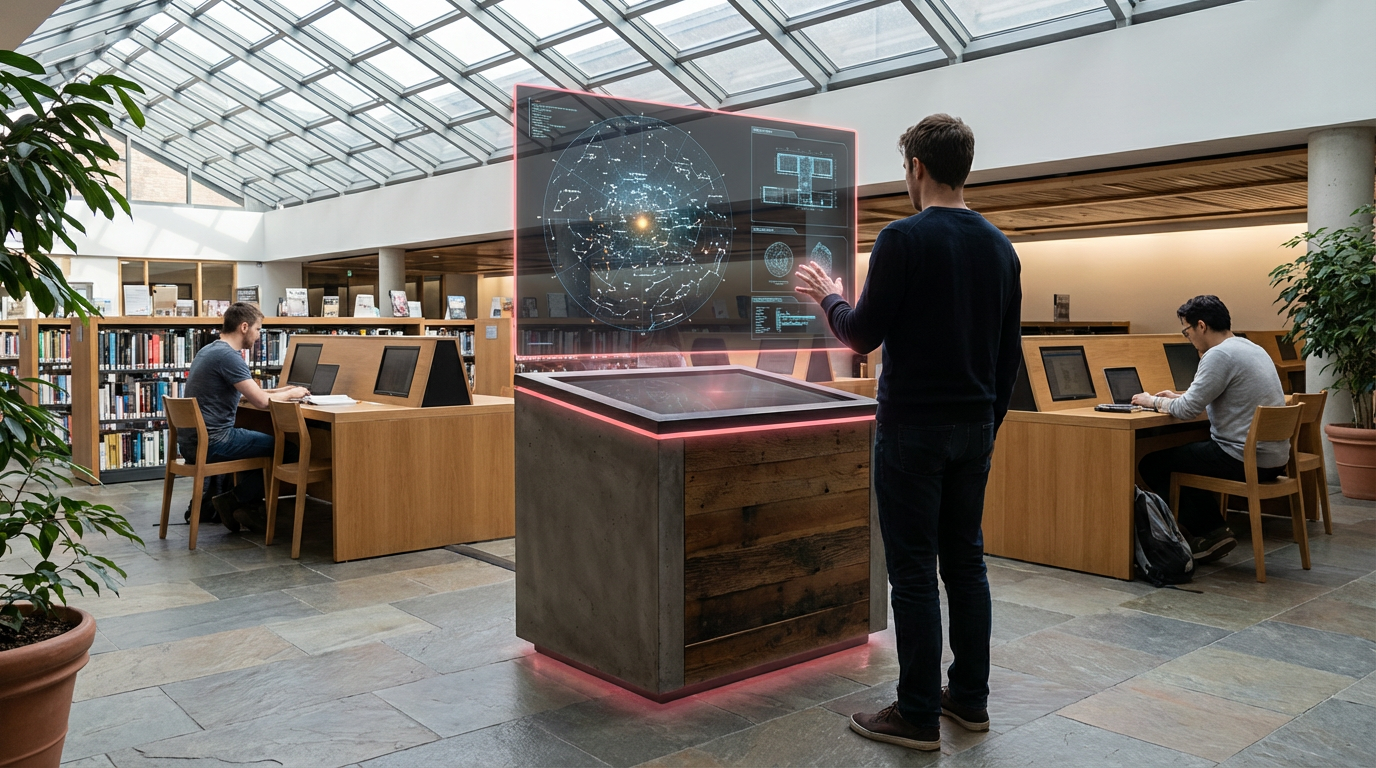
Interactive, standing displays for volumetric exploration.
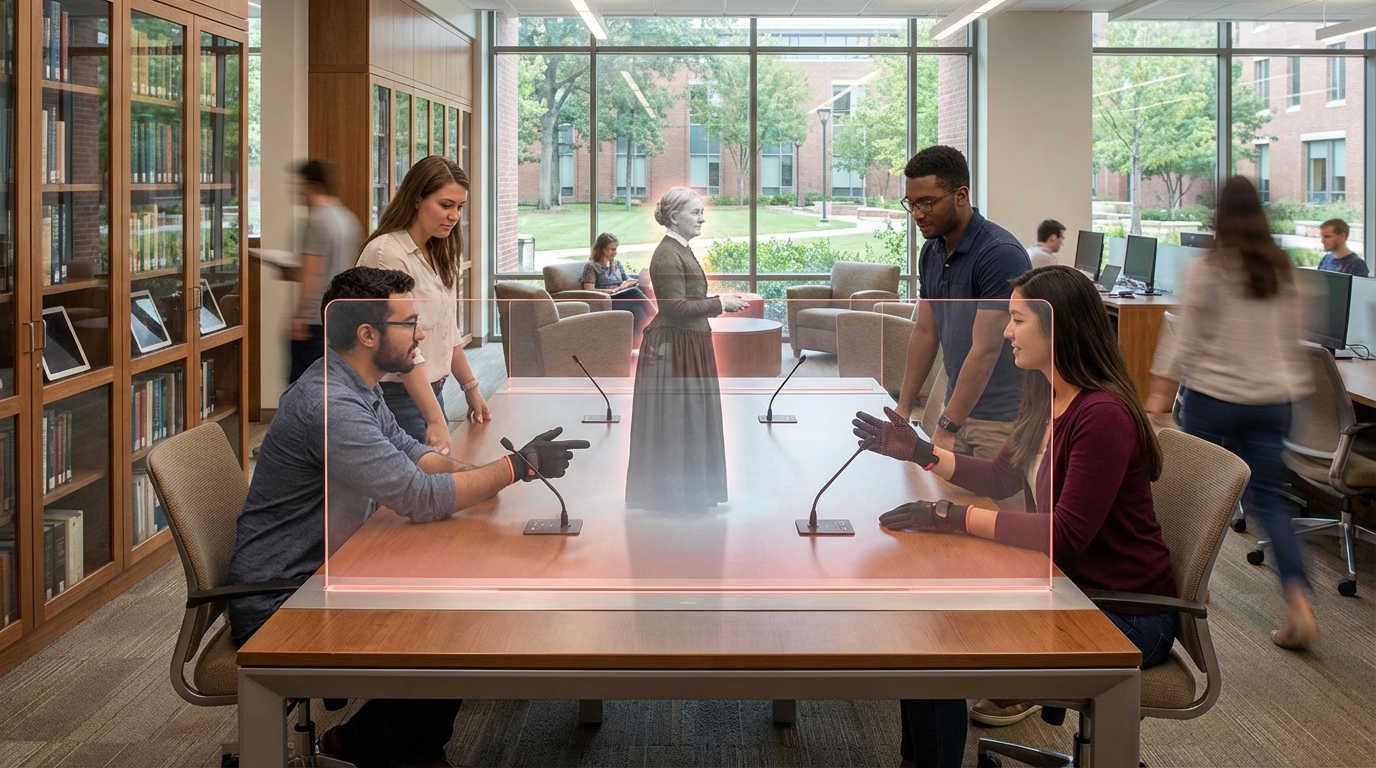
AI personas simulating historical figures for conversational inquiry.
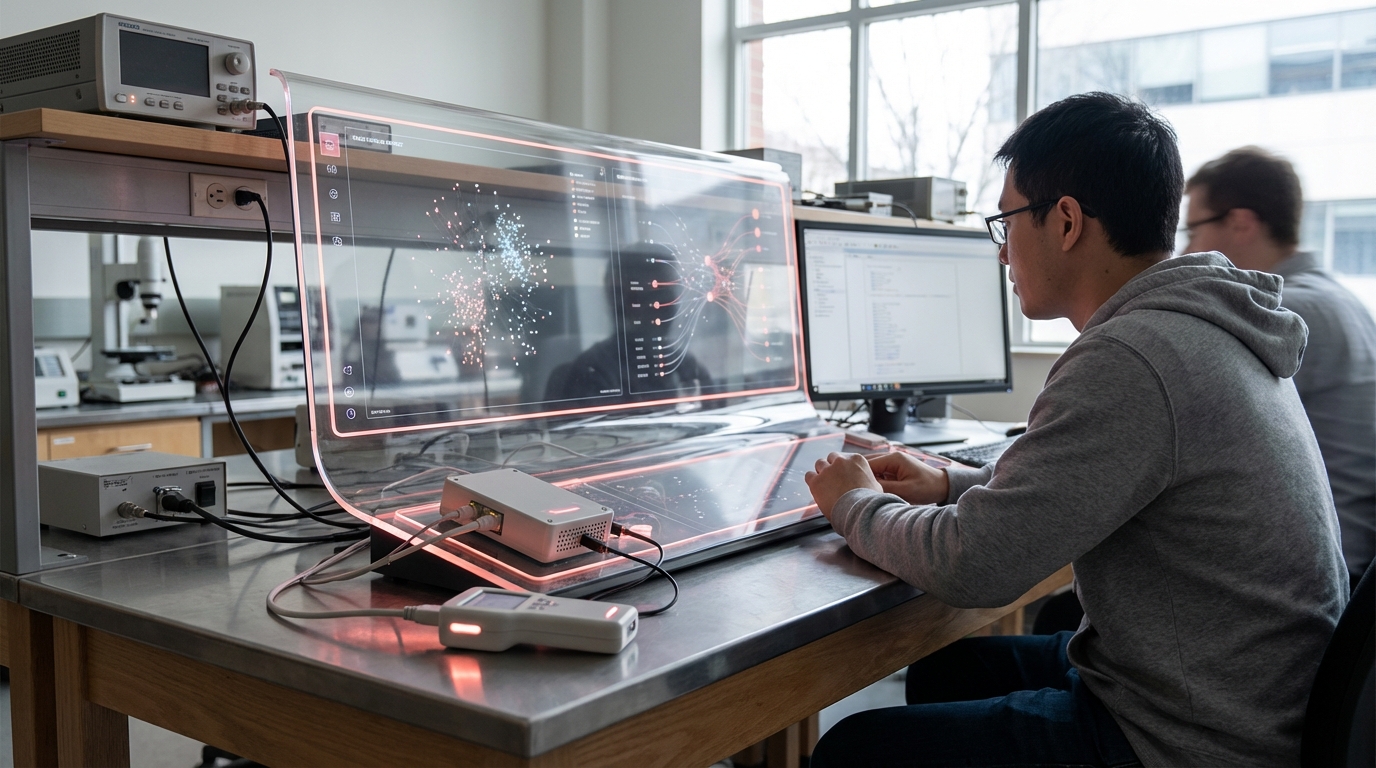
Oversight of ethical labor practices in content moderation.
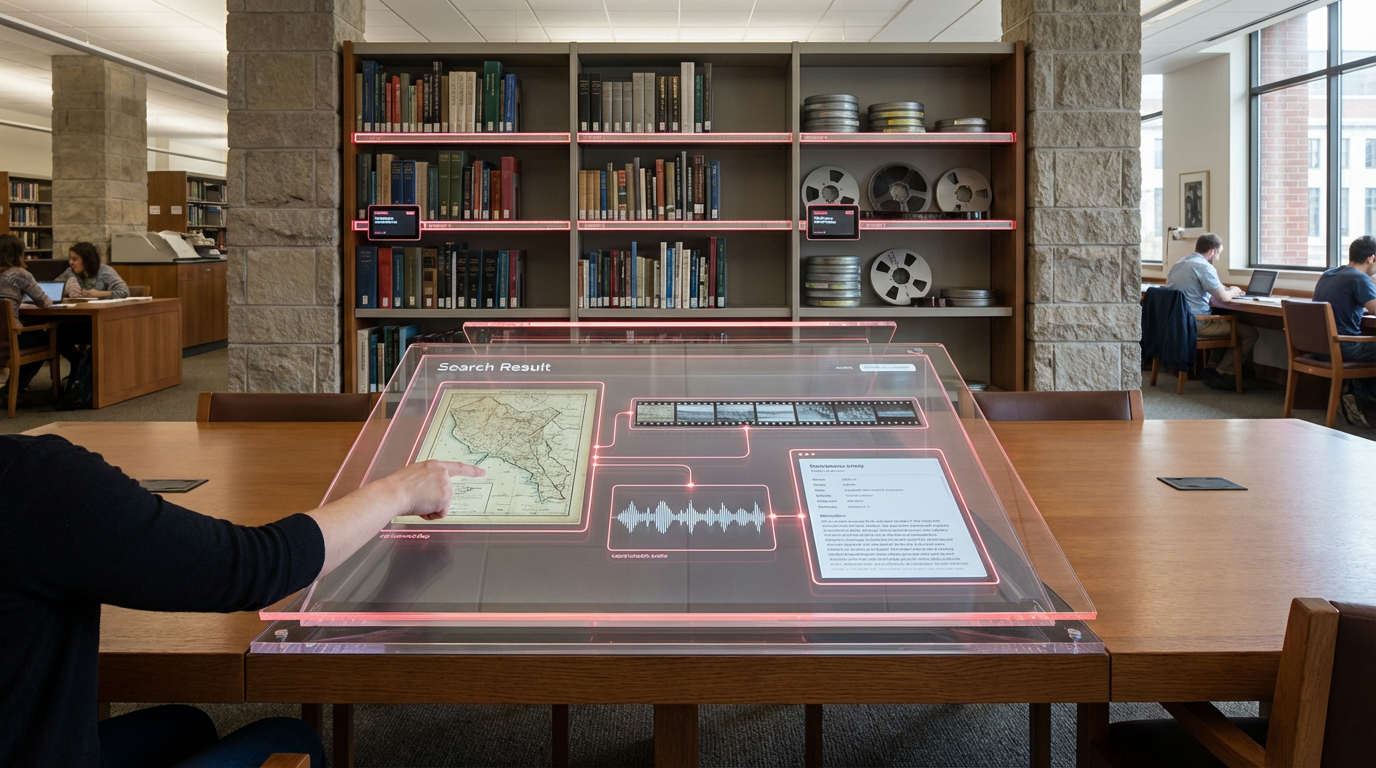
Unified search across text, image, audio, and video collections.
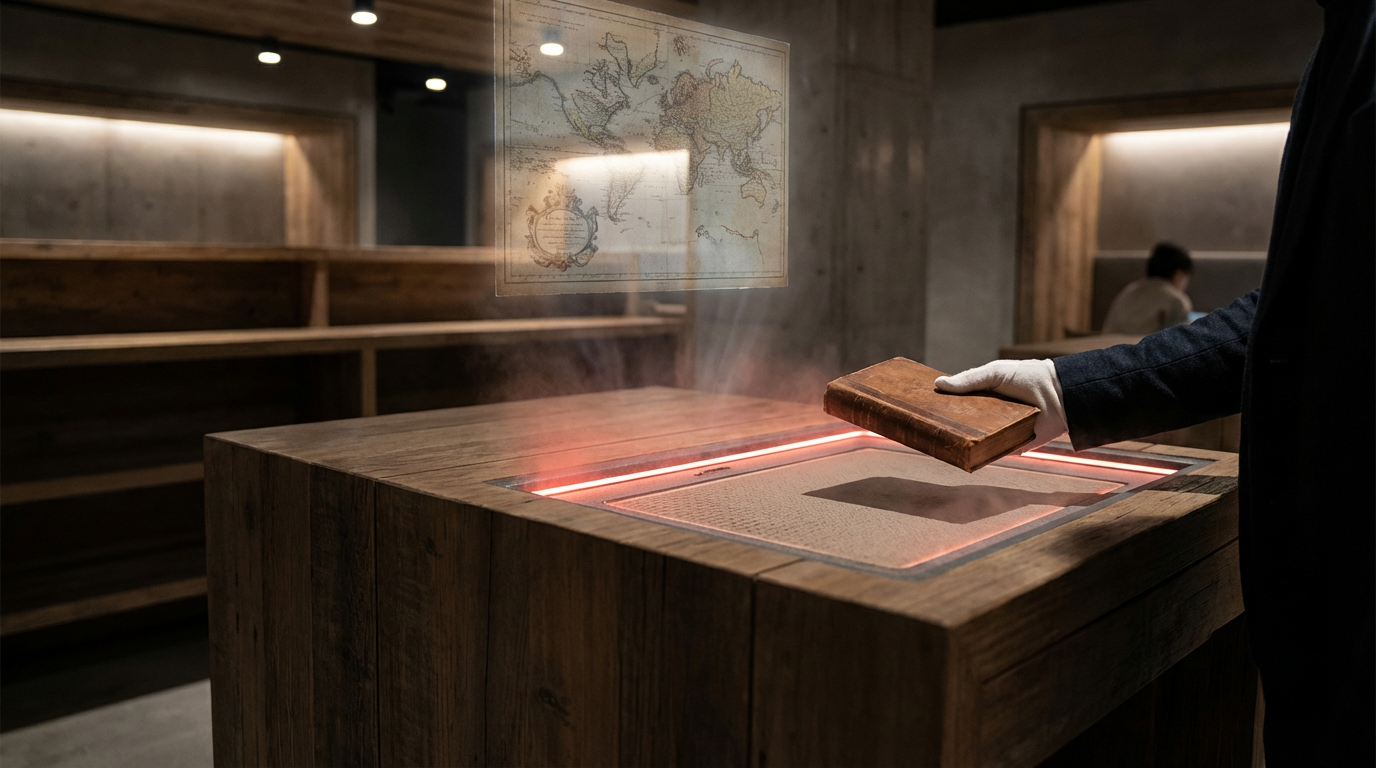
Digital transmission of smell and touch for embodied archives.
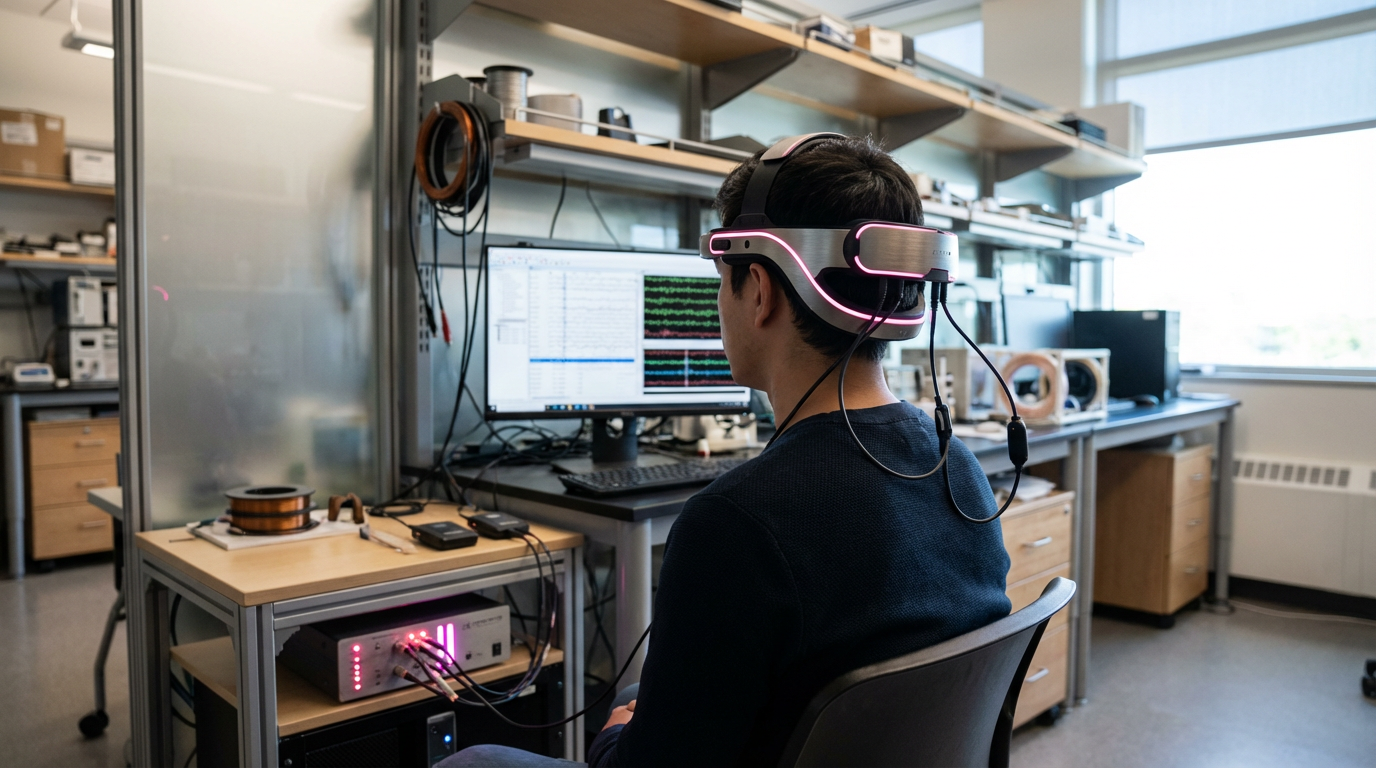
Direct brain-computer communication for rapid knowledge access.
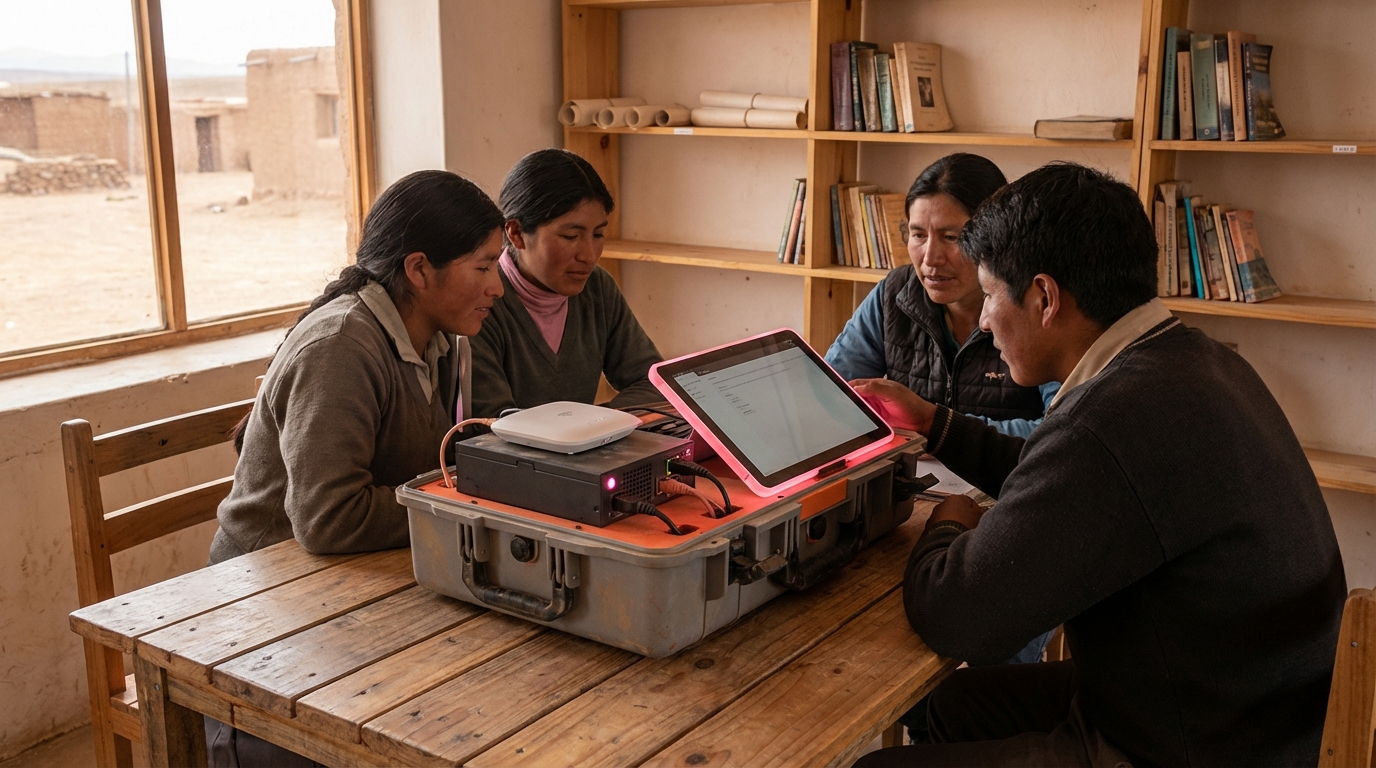
Low-cost, resilient systems for disconnected regions.
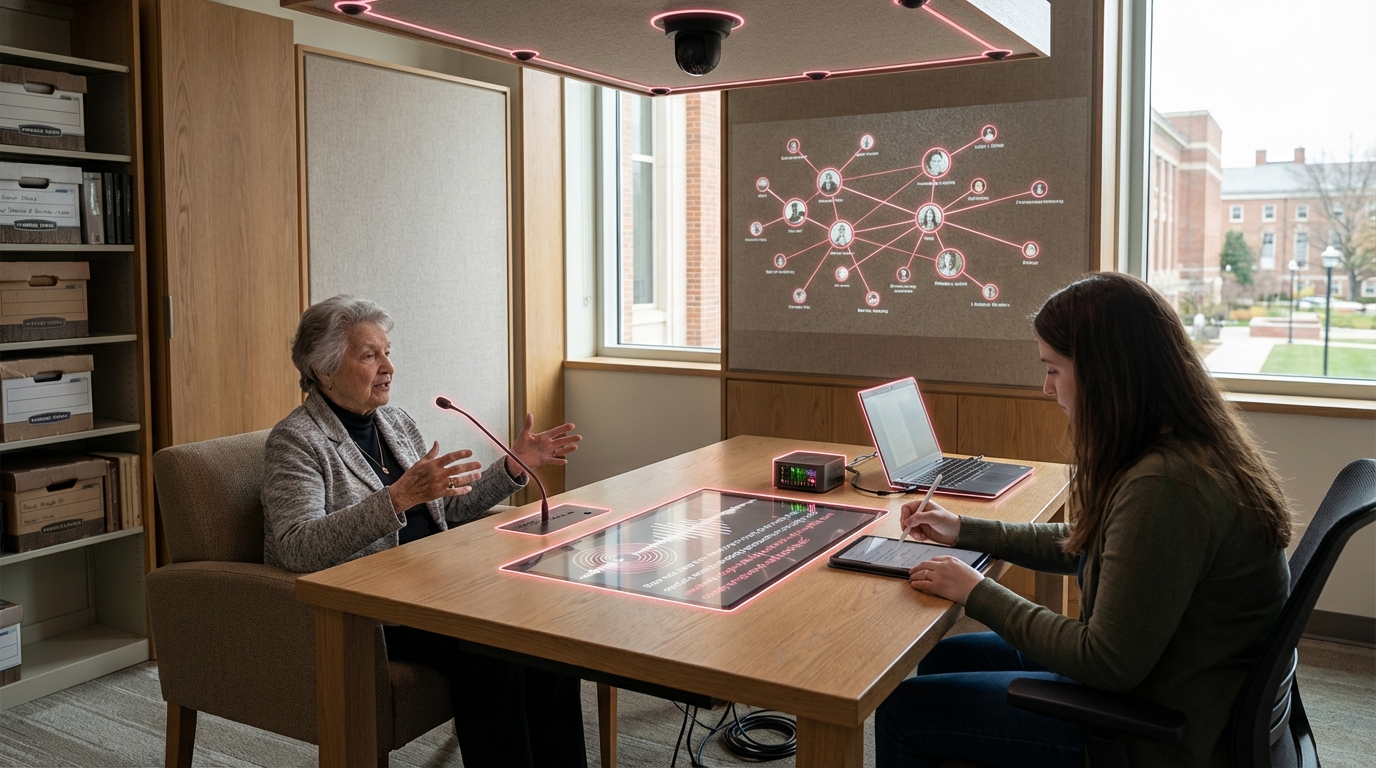
Automated transcription, translation, and indexing of spoken archives.
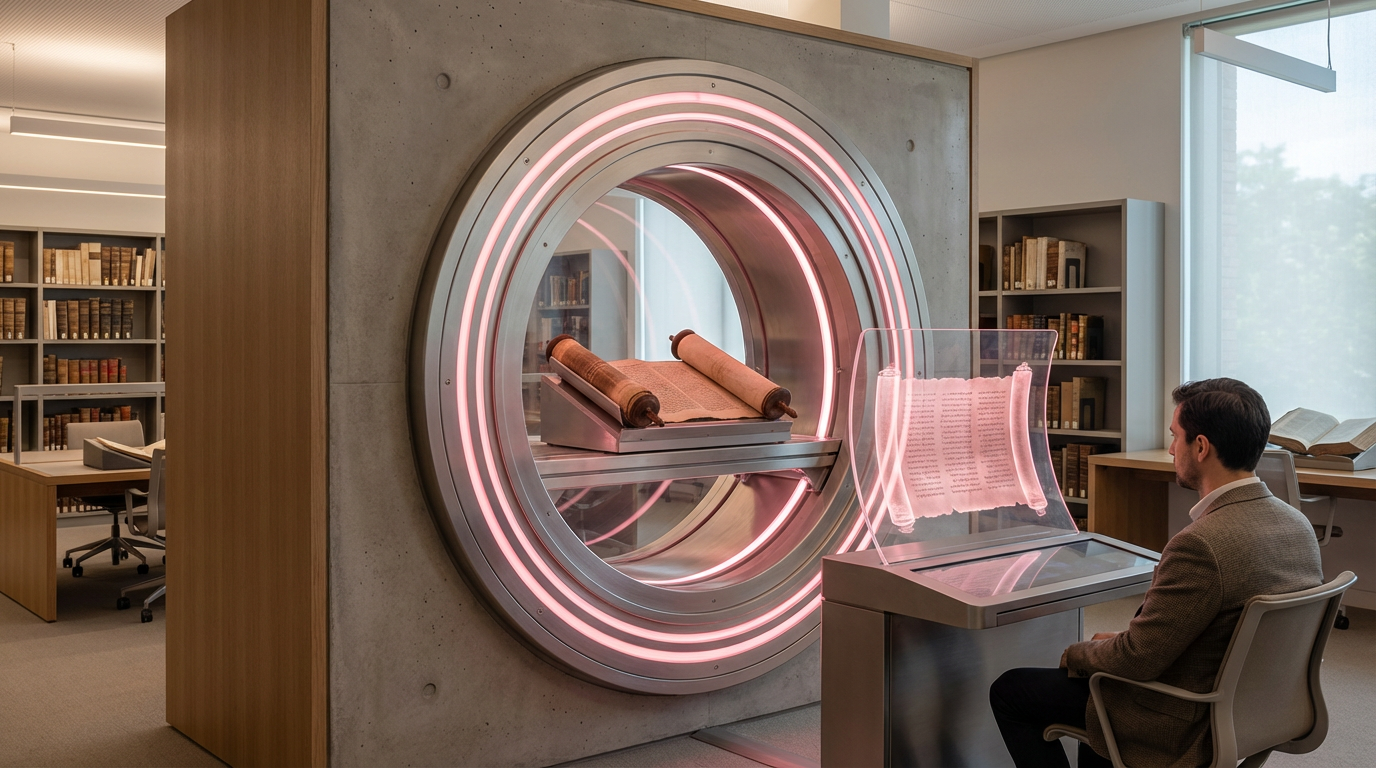
Non-invasive imaging to read closed books and fragile scrolls.
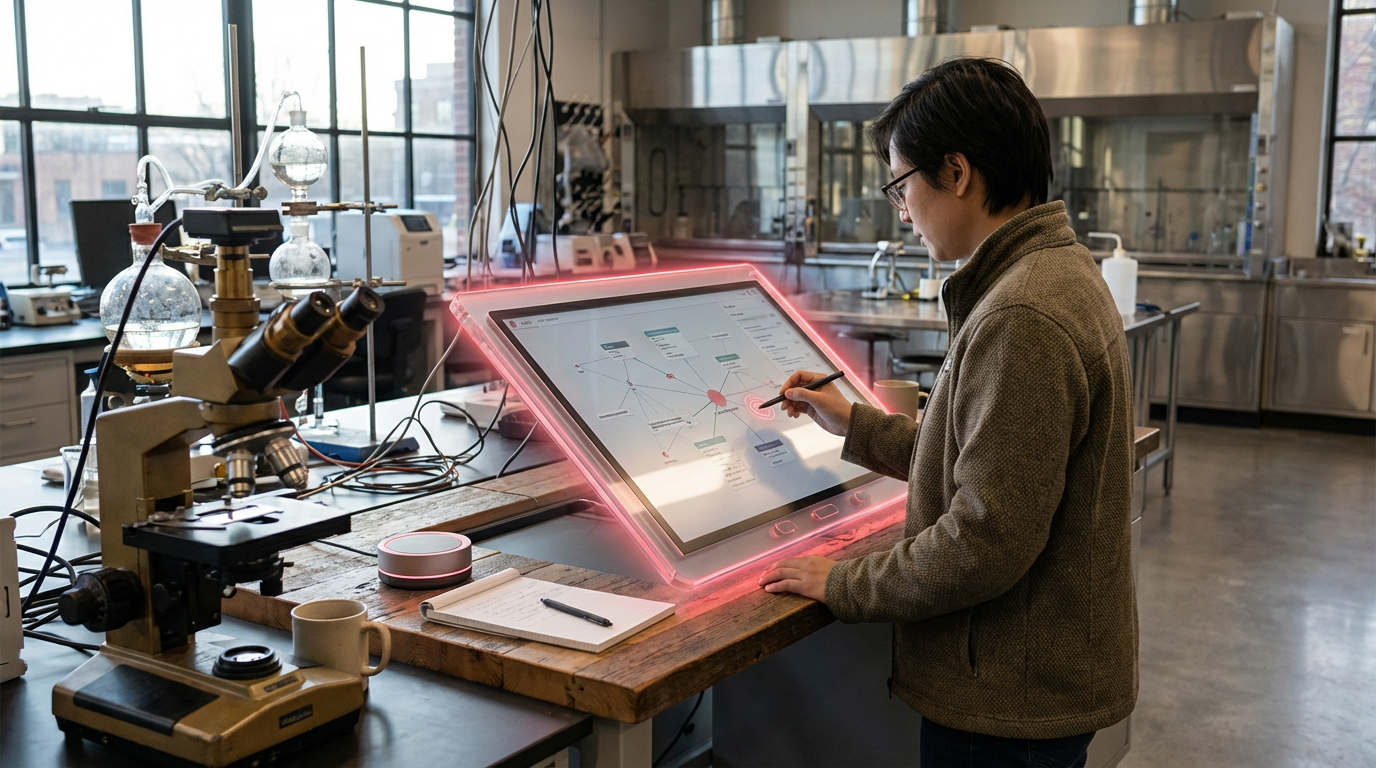
Agents that build and maintain individual scholarly graphs.
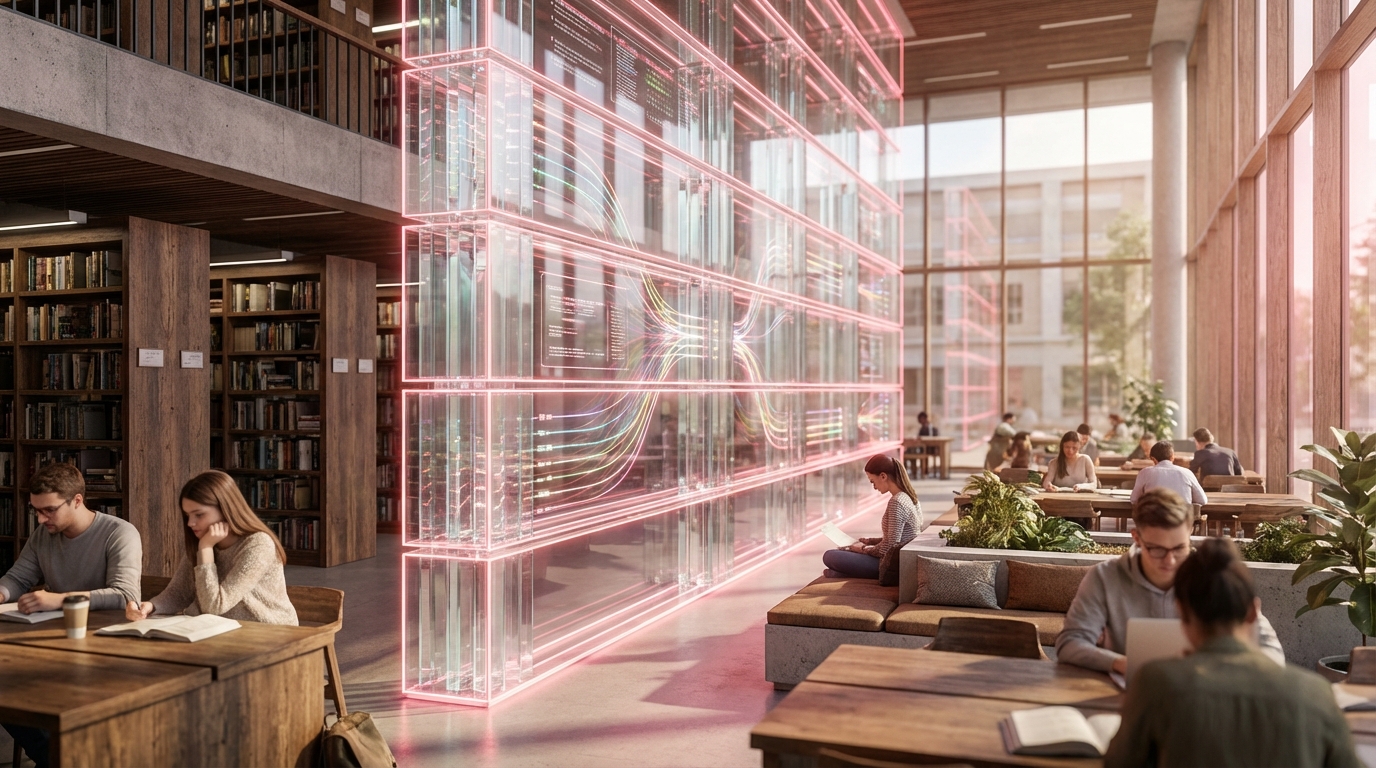
Light-based, brain-inspired computing for ultra-low-power AI.
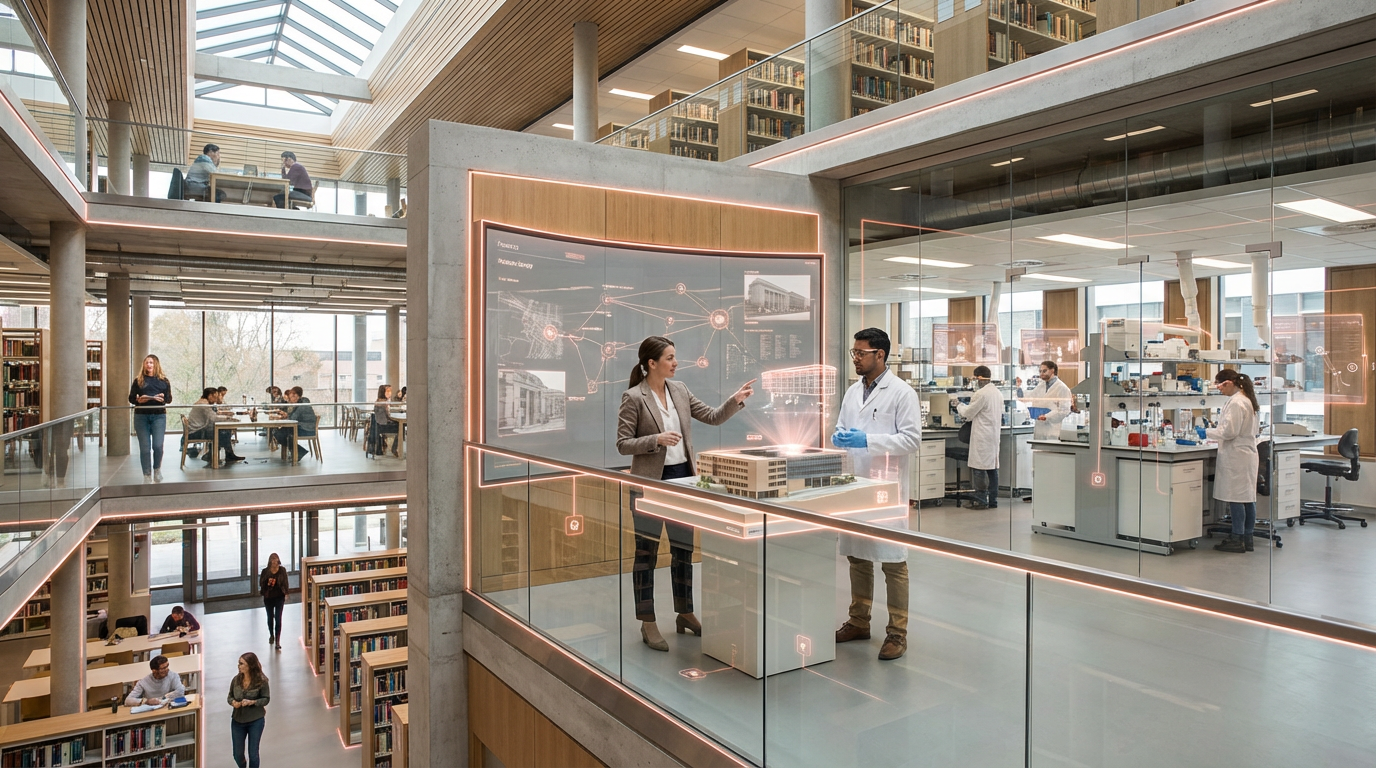
Augmented reality overlays tying spaces to stories.

Encryption resistant to future quantum computing attacks.
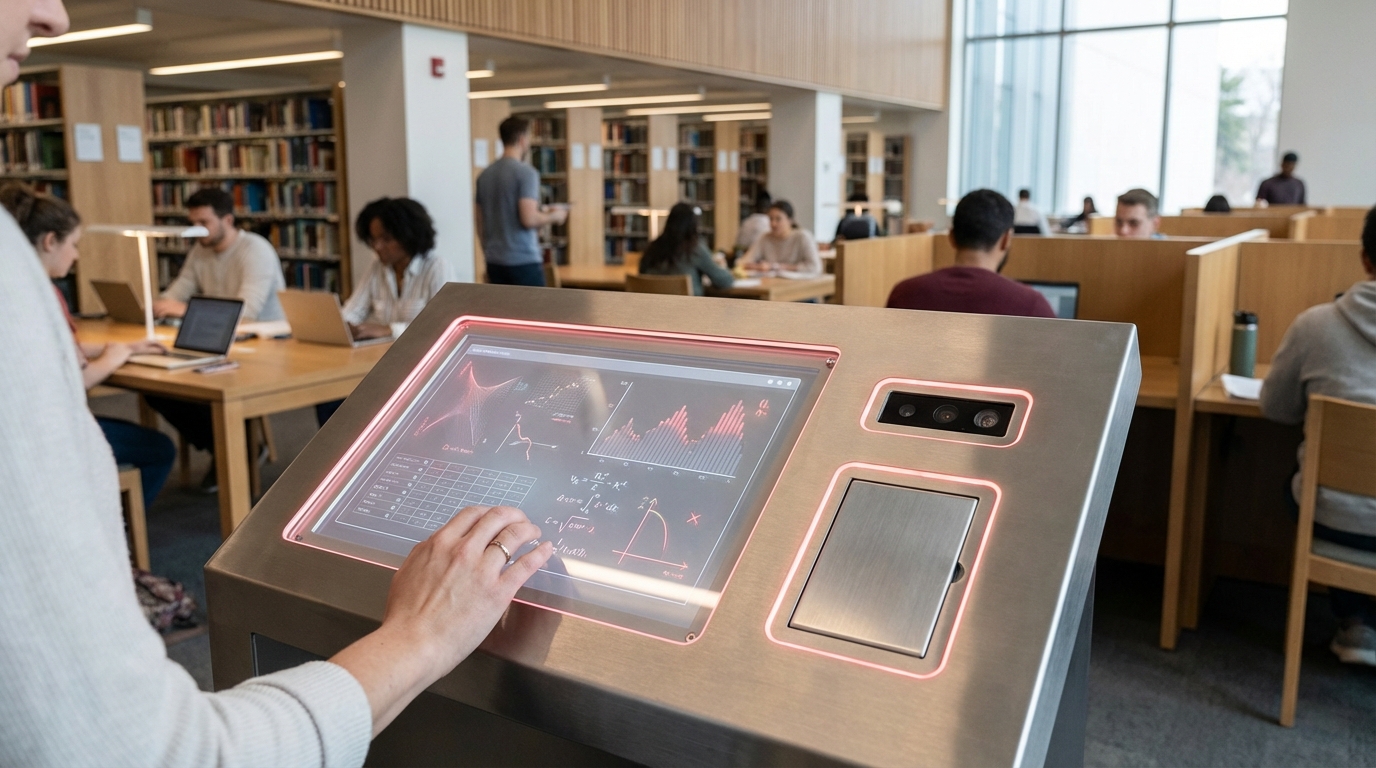
Usage insights with strong mathematical privacy guarantees.
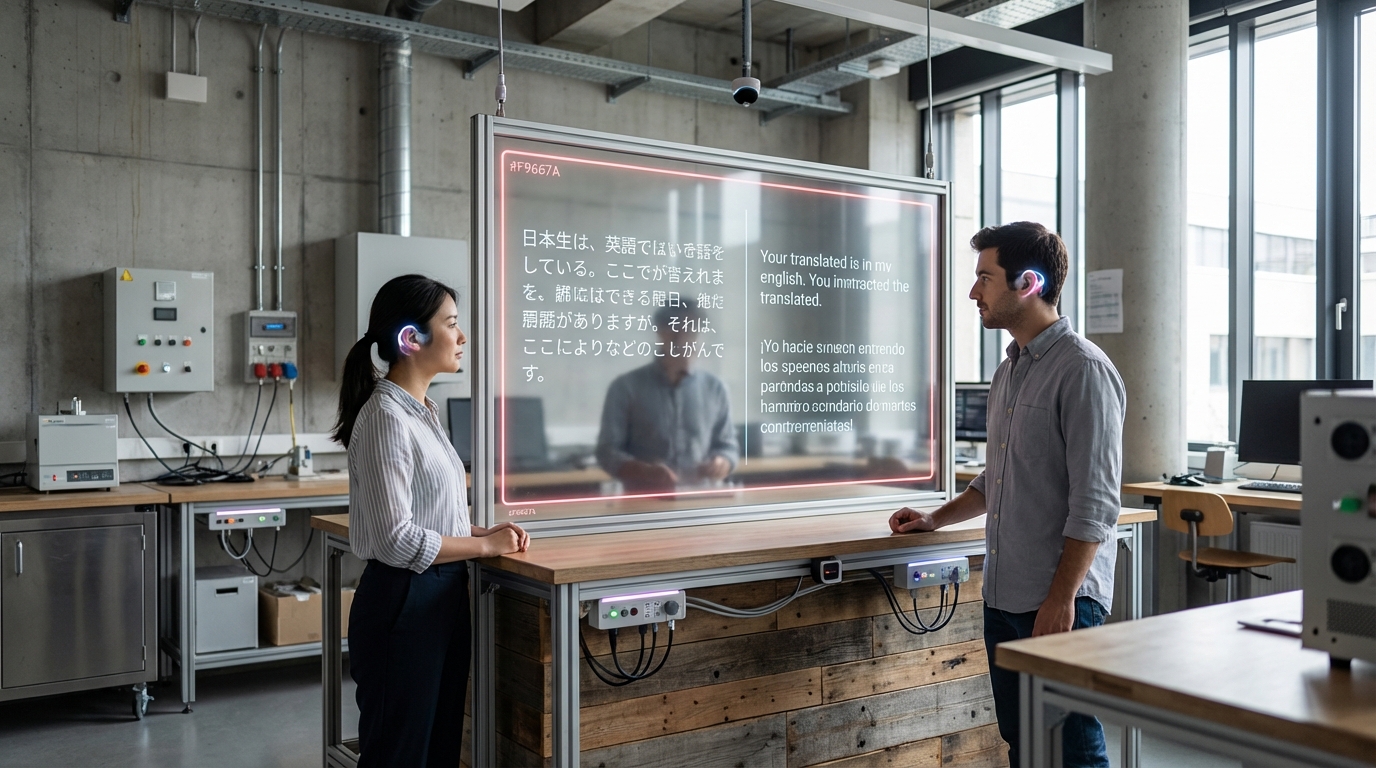
On-the-fly translation and transcription at scale.
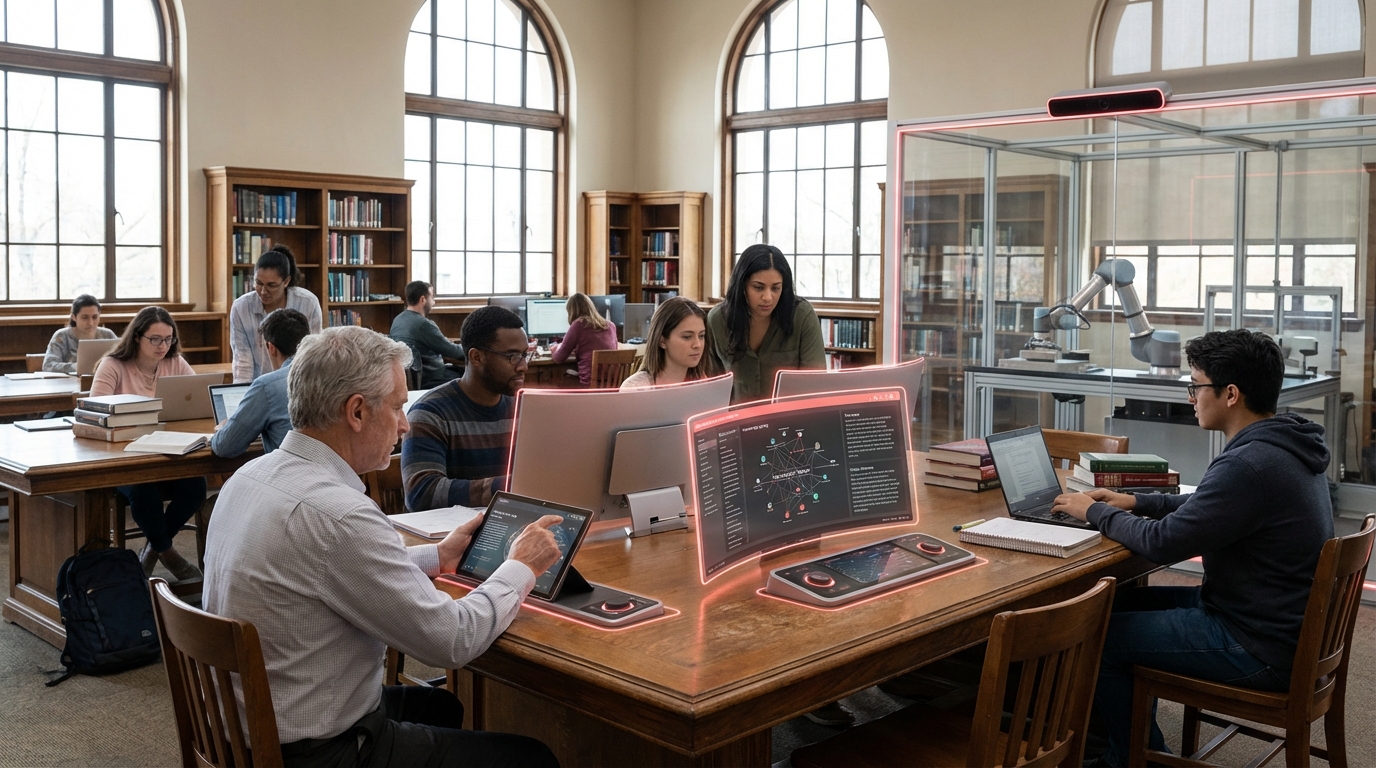
LLM-powered assistants woven into scholarly workflows.
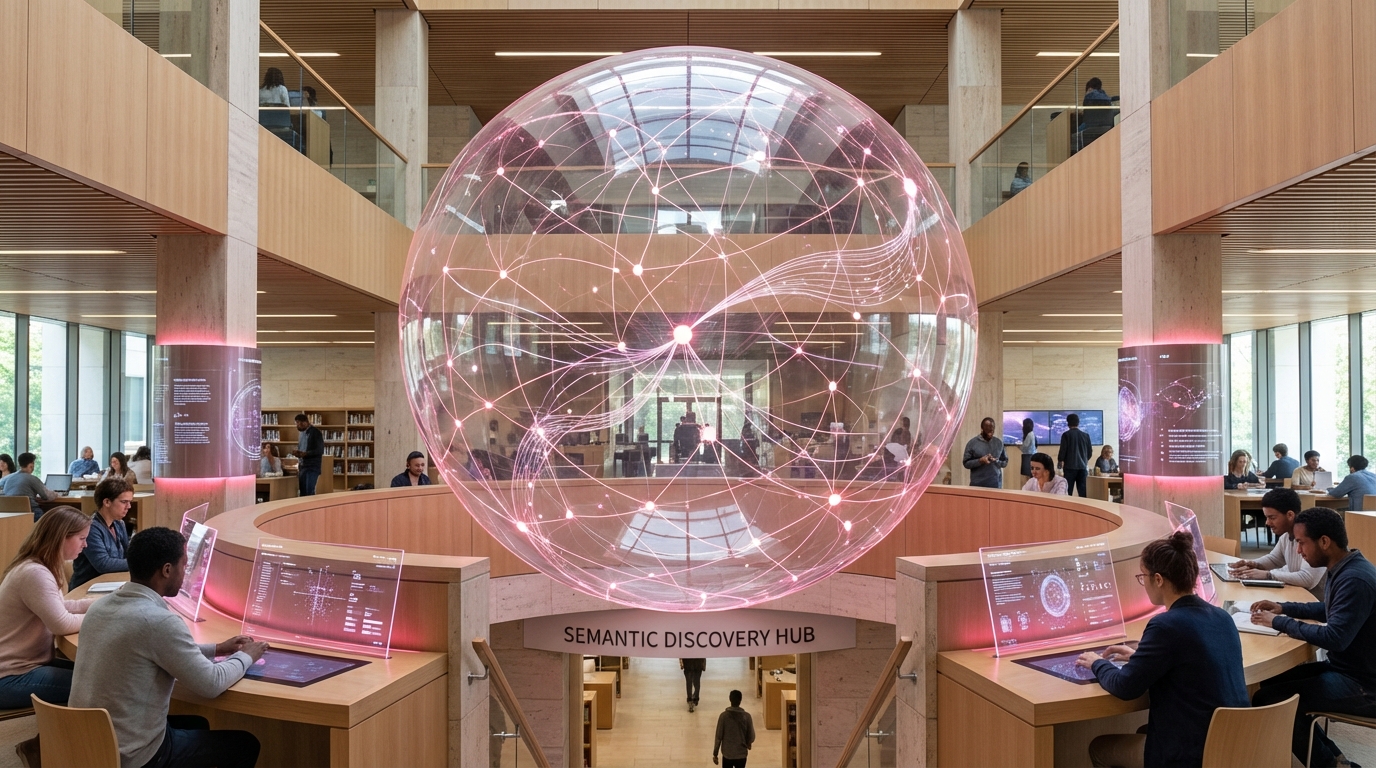
Interconnected data structures for deep contextual discovery.
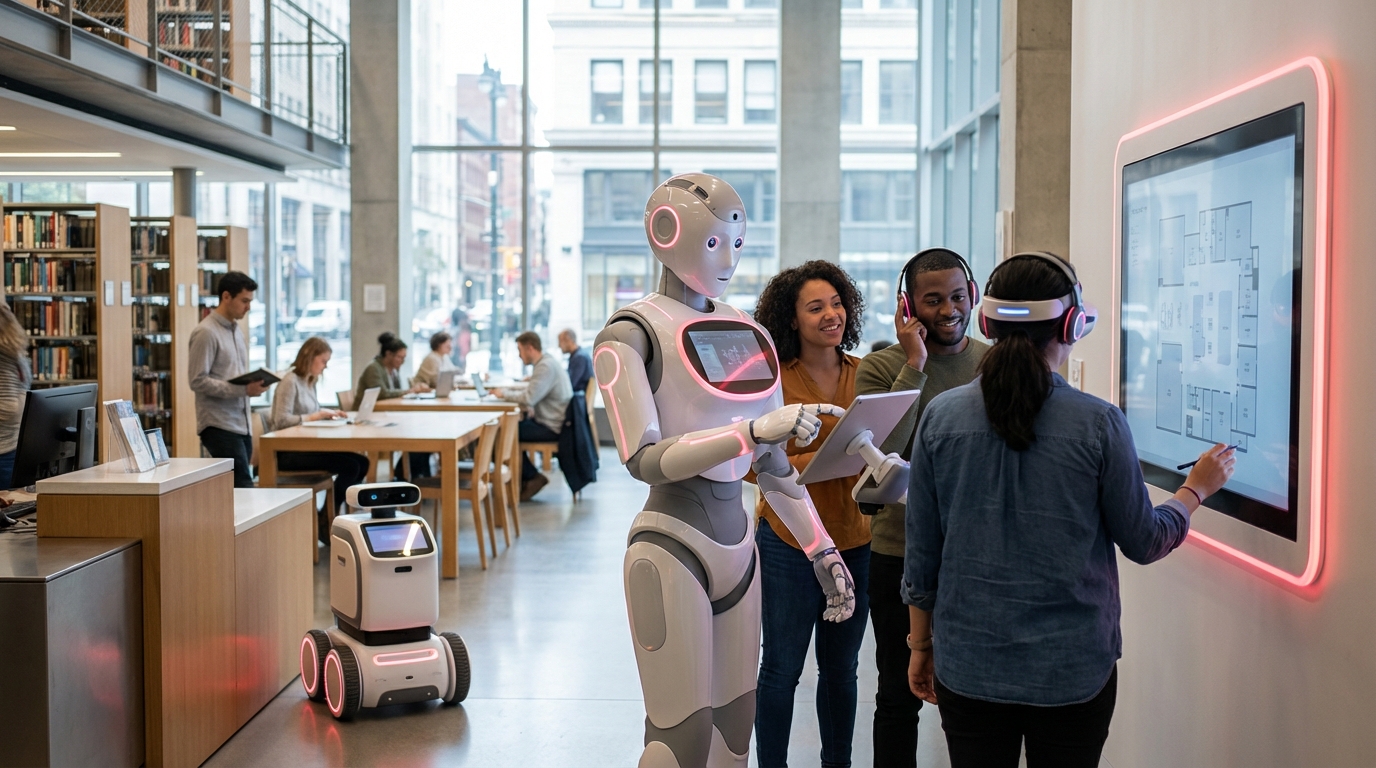
Humanoid assistants for guidance, language aid, and engagement.
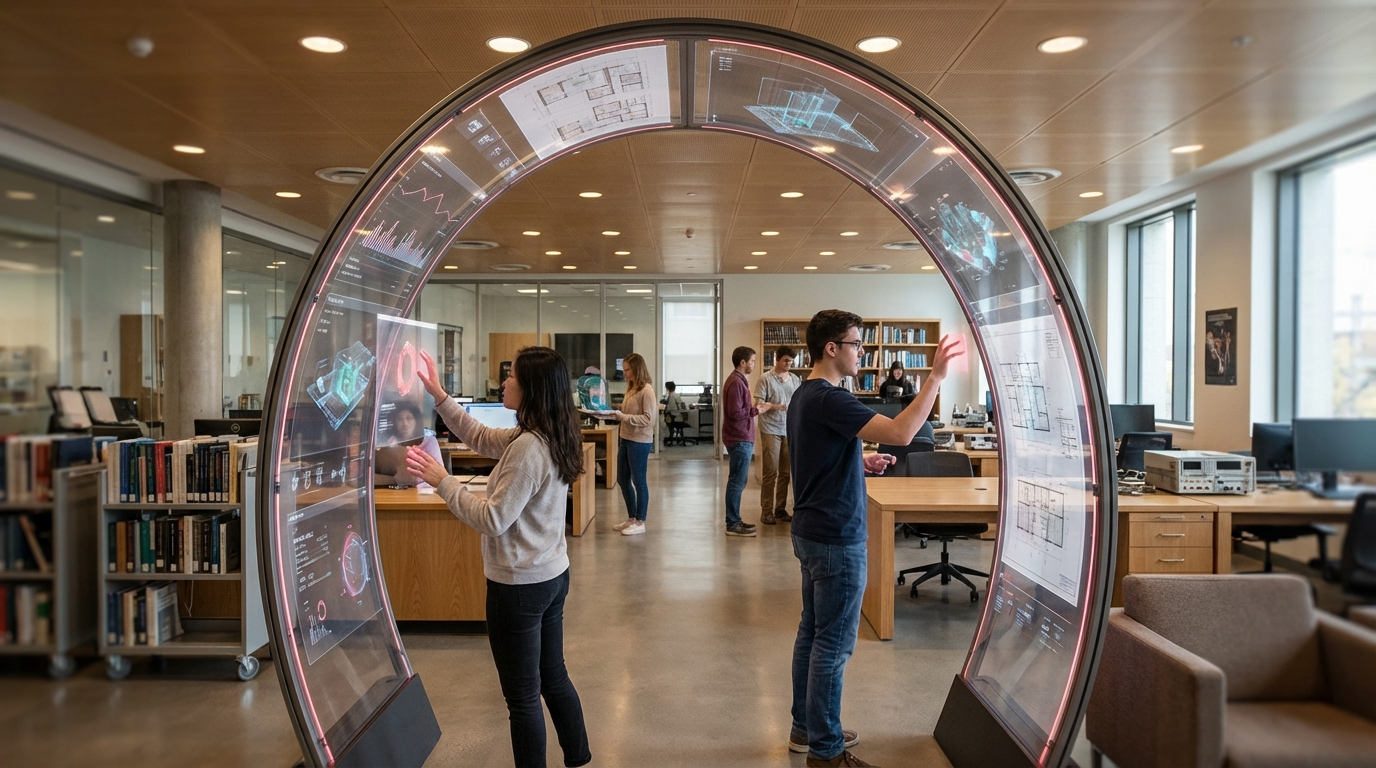
XR and holographic surfaces for immersive knowledge spaces.
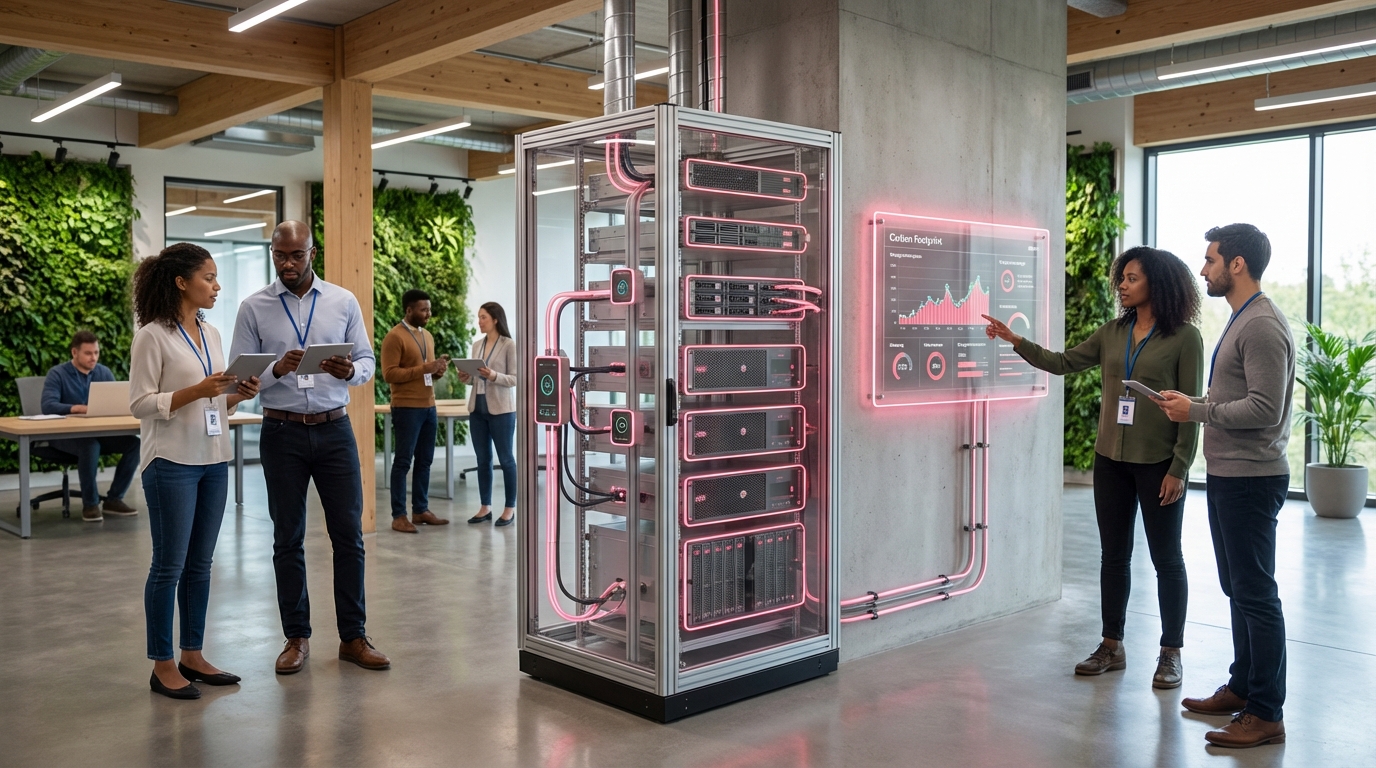
Carbon footprint tracking for digital infrastructure.
Turn this hub into a team session
Interested in our work?
Newsletter
Follow us for weekly foresight in your inbox.