Climate-Resilience Planning Systems
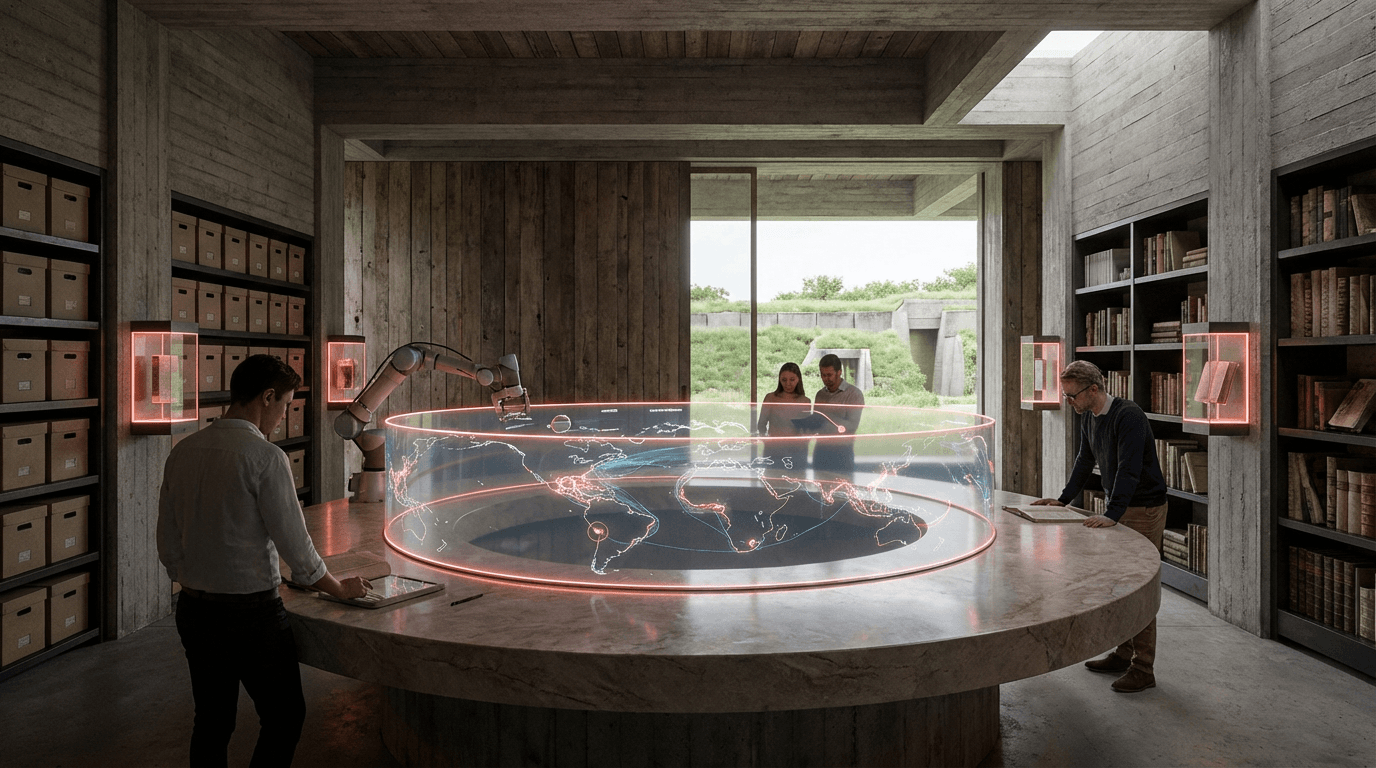
Climate-resilience planning systems represent a critical evolution in how cultural institutions protect their collections and maintain continuity of service in an era of increasing environmental volatility. These sophisticated decision-support platforms integrate climate science, geospatial analysis, and risk modeling to help libraries, archives, and museums anticipate and prepare for environmental threats ranging from flooding and wildfires to extreme heat events and sea-level rise. At their technical core, these systems combine historical climate data with forward-looking projections from climate models, overlaying this information with precise location data about collection facilities, storage conditions, and infrastructure vulnerabilities. Advanced algorithms assess multiple risk factors simultaneously—analyzing everything from proximity to flood zones and wildfire corridors to building age, HVAC capacity, and local emergency response capabilities. The platforms then generate probabilistic scenarios that help institutions understand their exposure across different timeframes, from immediate seasonal risks to long-term threats decades into the future.
For cultural heritage institutions operating with limited resources and irreplaceable collections, these systems address a fundamental challenge: how to make informed decisions about protection and preservation when facing an uncertain and rapidly changing climate future. Traditional disaster planning often relied on historical precedent, but climate change has rendered past patterns increasingly unreliable as predictors of future risk. Climate-resilience planning systems fill this gap by providing evidence-based guidance on where to focus limited mitigation resources, which collections face the greatest danger and should be prioritized for digitization or relocation, and how to sequence infrastructure improvements for maximum protective benefit. They enable institutions to move beyond reactive crisis management toward proactive adaptation, identifying vulnerabilities before disasters strike and developing graduated response protocols tailored to different threat levels. This capability is particularly valuable for regional library systems and archival networks that must coordinate protection strategies across multiple facilities with varying risk profiles.
Early implementations of these systems have emerged primarily through partnerships between cultural institutions and climate research organizations, with several national libraries and major museum networks piloting integrated resilience platforms. These deployments have demonstrated practical value in scenarios ranging from coastal archives developing phased relocation plans for collections threatened by storm surge, to libraries in fire-prone regions establishing priority digitization queues based on predicted wildfire risk. The systems are increasingly incorporating real-time environmental monitoring, connecting building sensors and local weather stations to provide dynamic updates that trigger pre-established response protocols when thresholds are exceeded. As climate impacts intensify and cultural institutions face mounting pressure to justify preservation investments, these planning systems are becoming essential infrastructure for the heritage sector, supporting a fundamental shift from preservation as static protection toward preservation as adaptive resilience in the face of ongoing environmental change.
Related Organizations

Develops wireless environmental monitoring sensors and software specifically designed for museum and archive collections.

A private international research institute dedicated to advancing conservation practice, including environmental management guidelines.

A university-based research center dedicated to supporting the preservation of cultural heritage collections.

A global network of organizations committed to tackling climate change and its impact on culture.

The lead public body set up to investigate, care for and promote Scotland's historic environment.

International Centre for the Study of the Preservation and Restoration of Cultural Property.

A charity that supports the creative community to act on climate change and environmental sustainability.

An international organization working to protect cultural heritage in the event of armed conflict and natural disasters.

A nonprofit providing sustainable solutions for cultural heritage.


Supporting Evidence
Research this in Signals
Signals turns a topic into a sourced research record you can inspect and rerun. Your first scan is free, and this one starts with Climate-Resilience Planning Systems already loaded, so edit it or scan as is.