Synthetic DNA Storage
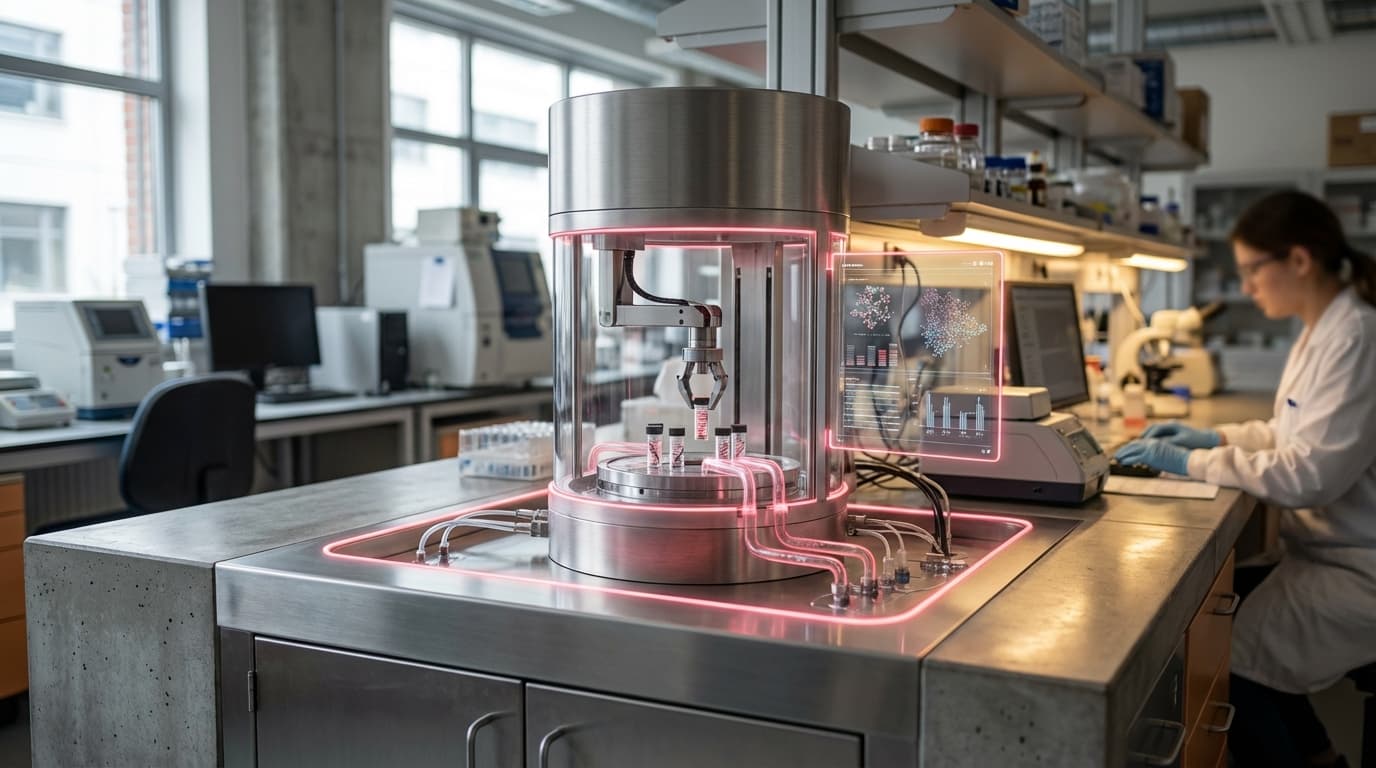
Synthetic DNA storage represents a paradigm shift in data preservation, leveraging the fundamental information-encoding mechanisms of biological systems to archive digital information. At its core, this technology translates binary data—the ones and zeros of conventional computing—into sequences of nucleotide bases (adenine, guanine, cytosine, and thymine) that form synthetic DNA strands. The process begins with encoding algorithms that convert digital files into genetic sequences, which are then chemically synthesized using automated DNA synthesis machines. These microscopic strands can be stored in stable, temperature-controlled environments or even embedded in inert materials like silica beads. To retrieve the data, the DNA is sequenced using modern genomic sequencing technologies, and the genetic information is decoded back into its original digital format. The remarkable density of this approach stems from DNA's natural compactness—a single gram of DNA can theoretically store approximately 215 petabytes of data, representing a storage density millions of times greater than conventional magnetic tape or hard drives.
For libraries, archives, and research institutions facing the perpetual challenge of preserving humanity's expanding knowledge base, synthetic DNA storage addresses critical limitations inherent in current preservation technologies. Traditional digital storage media degrade over time, requiring constant migration to newer formats and consuming significant energy for climate-controlled storage facilities. Magnetic tapes deteriorate within decades, hard drives fail, and even supposedly permanent optical media prove vulnerable to environmental factors. DNA, by contrast, has demonstrated stability over millennia when properly preserved, as evidenced by successful sequencing of ancient genetic material from archaeological specimens. This technology enables institutions to move beyond the costly cycle of periodic data migration, offering a "write once, read rarely" solution ideal for archival collections, historical records, and cultural heritage materials that must endure for future generations. The elimination of continuous power requirements for data preservation also addresses sustainability concerns, as conventional data centers consume enormous amounts of electricity simply maintaining stored information.
Research institutions and technology companies have already demonstrated the viability of DNA storage through successful pilot programs encoding everything from digital images to entire operating systems. Microsoft and the University of Washington have collaborated on projects storing hundreds of megabytes of data in DNA, while the European Bioinformatics Institute has archived scientific papers and audio recordings using this approach. Current limitations include the high cost of DNA synthesis and sequencing, which makes this technology economically viable primarily for long-term archival purposes rather than frequently accessed data. However, as biotechnology advances and synthesis costs continue their downward trajectory—following trends similar to those that revolutionized genome sequencing—DNA storage is positioned to become increasingly practical for institutional archives. This technology aligns with broader movements toward sustainable infrastructure and the recognition that preserving humanity's intellectual and cultural heritage requires solutions that transcend the limitations of silicon-based storage. As climate change and digital obsolescence threaten existing archives, synthetic DNA storage offers a biologically-inspired answer to one of civilization's most fundamental challenges: ensuring that knowledge endures across centuries and millennia.
Related Organizations

A startup focused exclusively on DNA-based data storage and computation.

An organization formed to create an interoperable ecosystem for DNA-based data storage.

A synthetic biology company that manufactures synthetic DNA based on a silicon platform.
French startup developing a DNA drive for data storage using biocompatible processes.

Developing a semiconductor-based DNA data storage solution.



Developing a scalable, biomimetic preservation platform for DNA and RNA storage.

Conducts advanced research in bioelectronics and the interface between biological systems and electronic circuits.

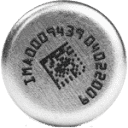
Develops 'DNAshell' technology, stainless steel capsules designed to preserve DNA at room temperature for centuries.
Supporting Evidence
Research this in Signals
Signals turns a topic into a sourced research record you can inspect and rerun. Your first scan is free, and this one starts with Synthetic DNA Storage already loaded, so edit it or scan as is.