Technologies
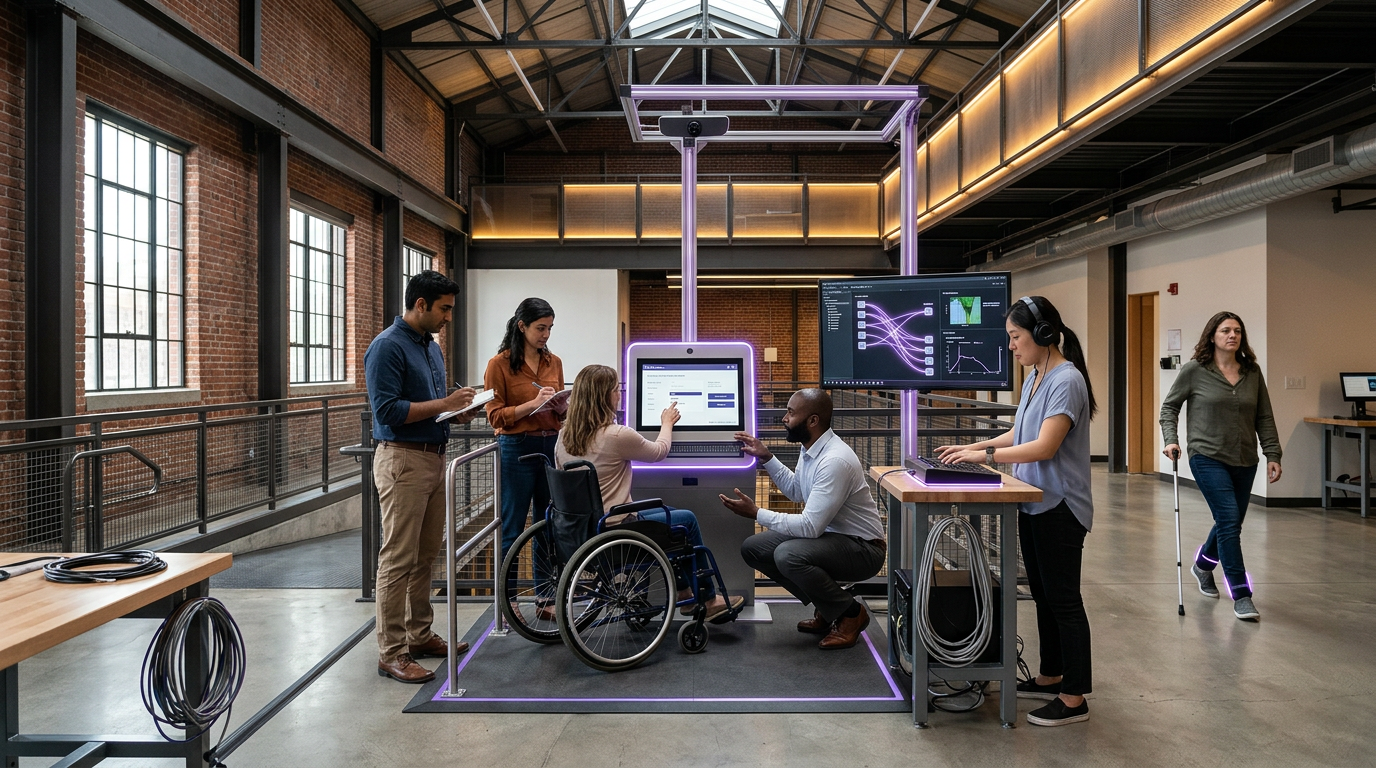
Ensuring civic systems work for everyone, not just ‘default’ users.

Hardening models against manipulation and gaming.

Computational support for institutional architecture.
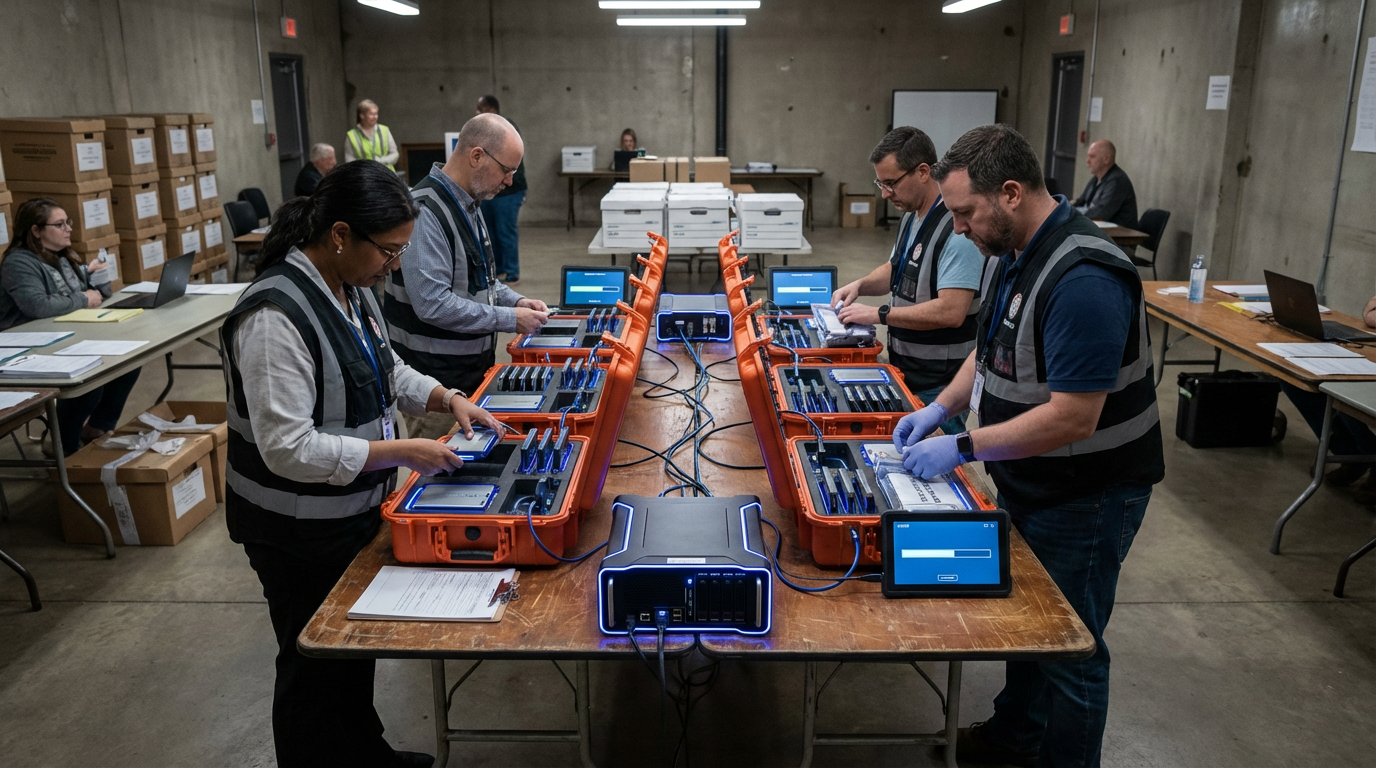
Portable, controlled media and workflows for secure tabulation.
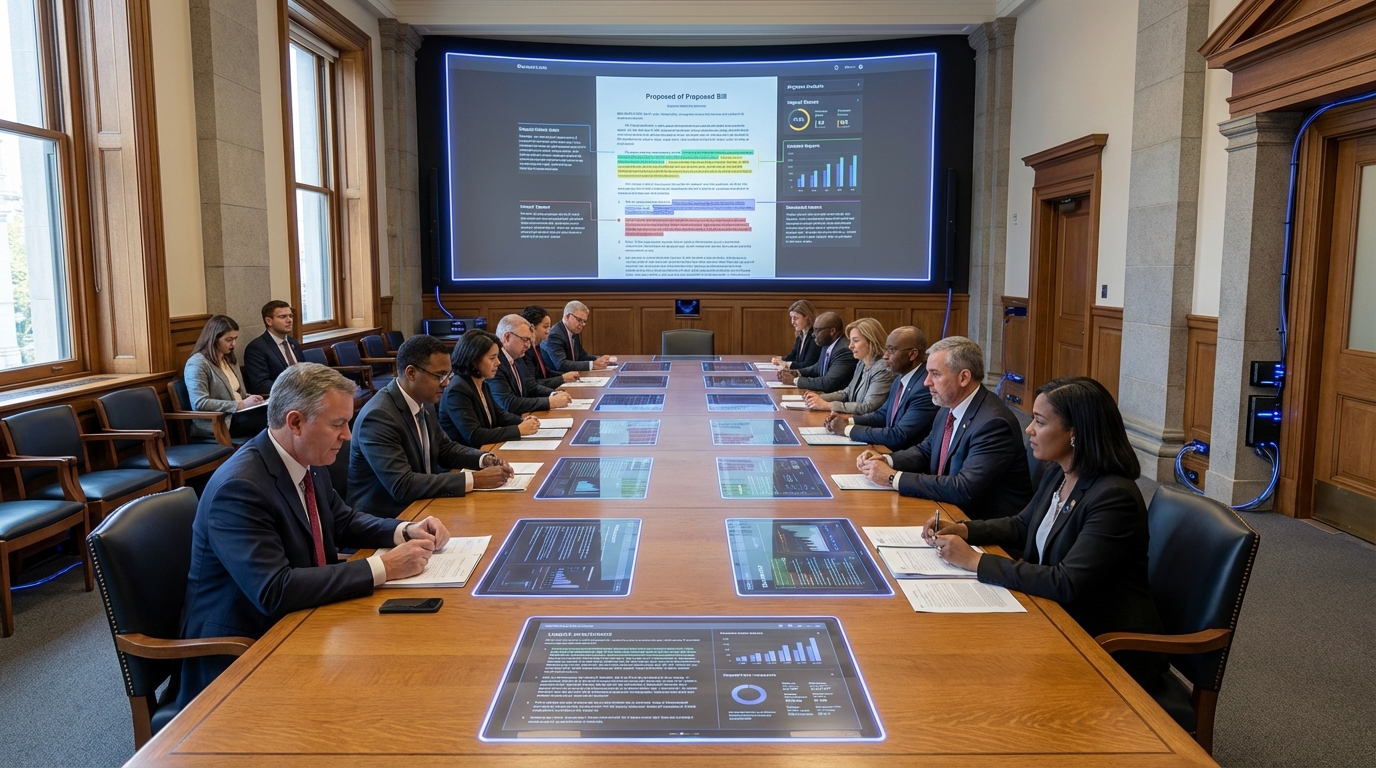
AI analysis of proposed laws for bias and impact.

Making civic automation contestable and inspectable.

Computational evidence for electoral boundary challenges.

Tools that extract claims, reasons, and consensus from public input.
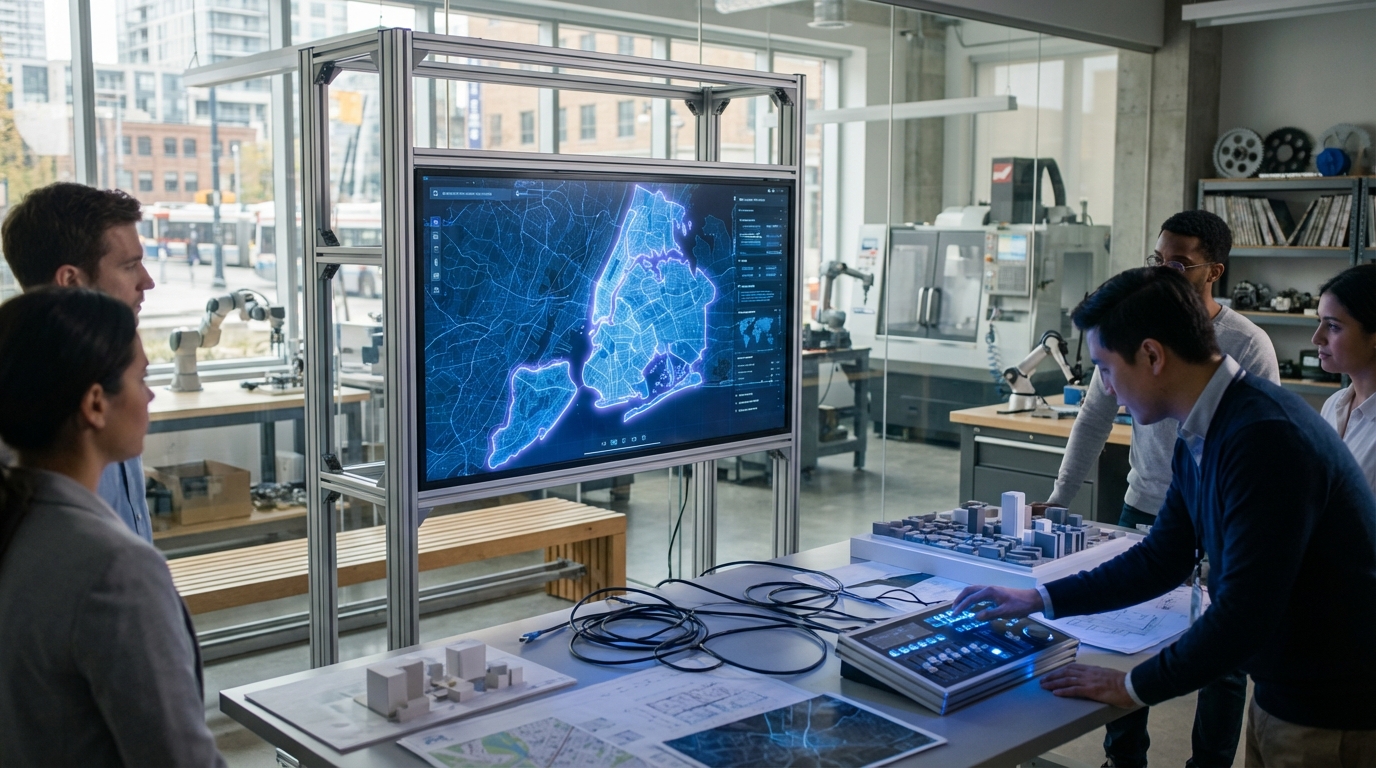
Algorithmic boundary drawing to prevent gerrymandering.
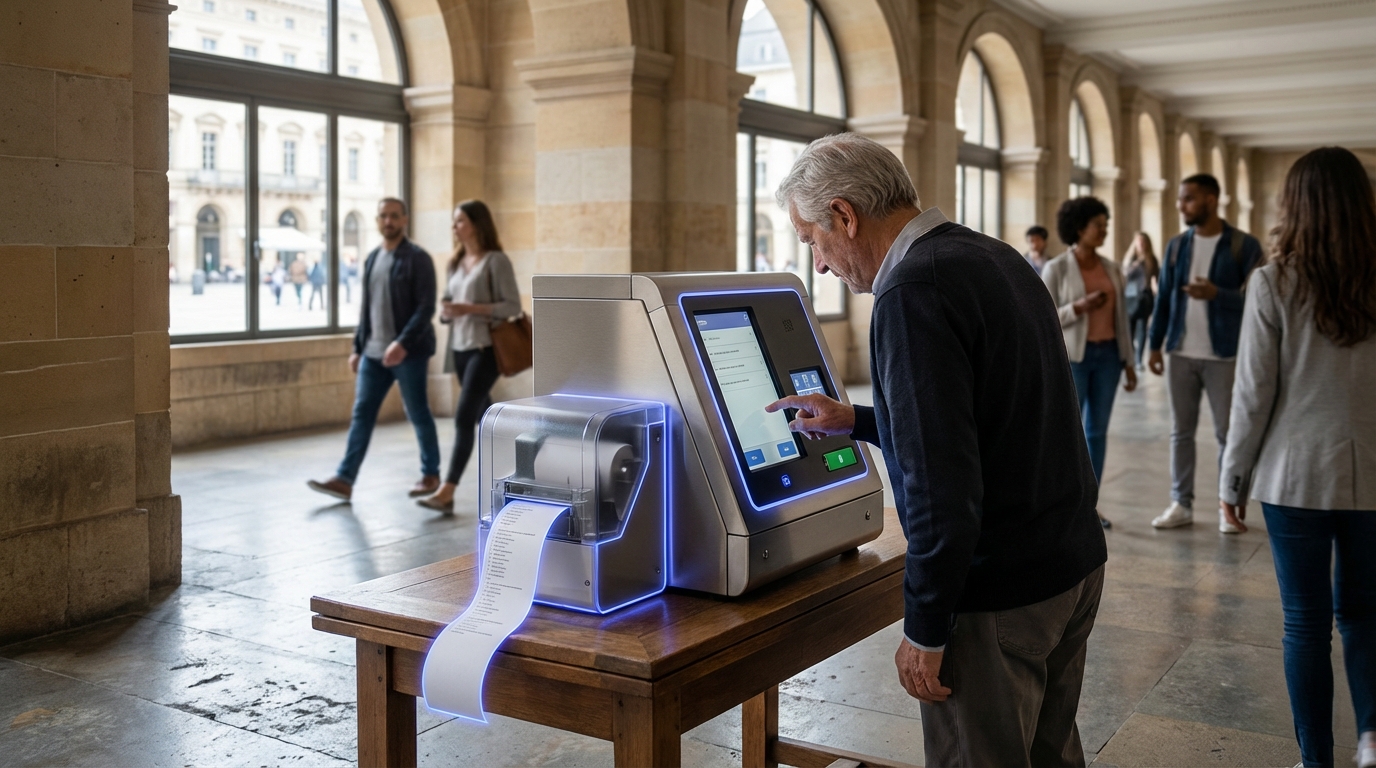
Accessible ballot marking with voter-verifiable paper records.
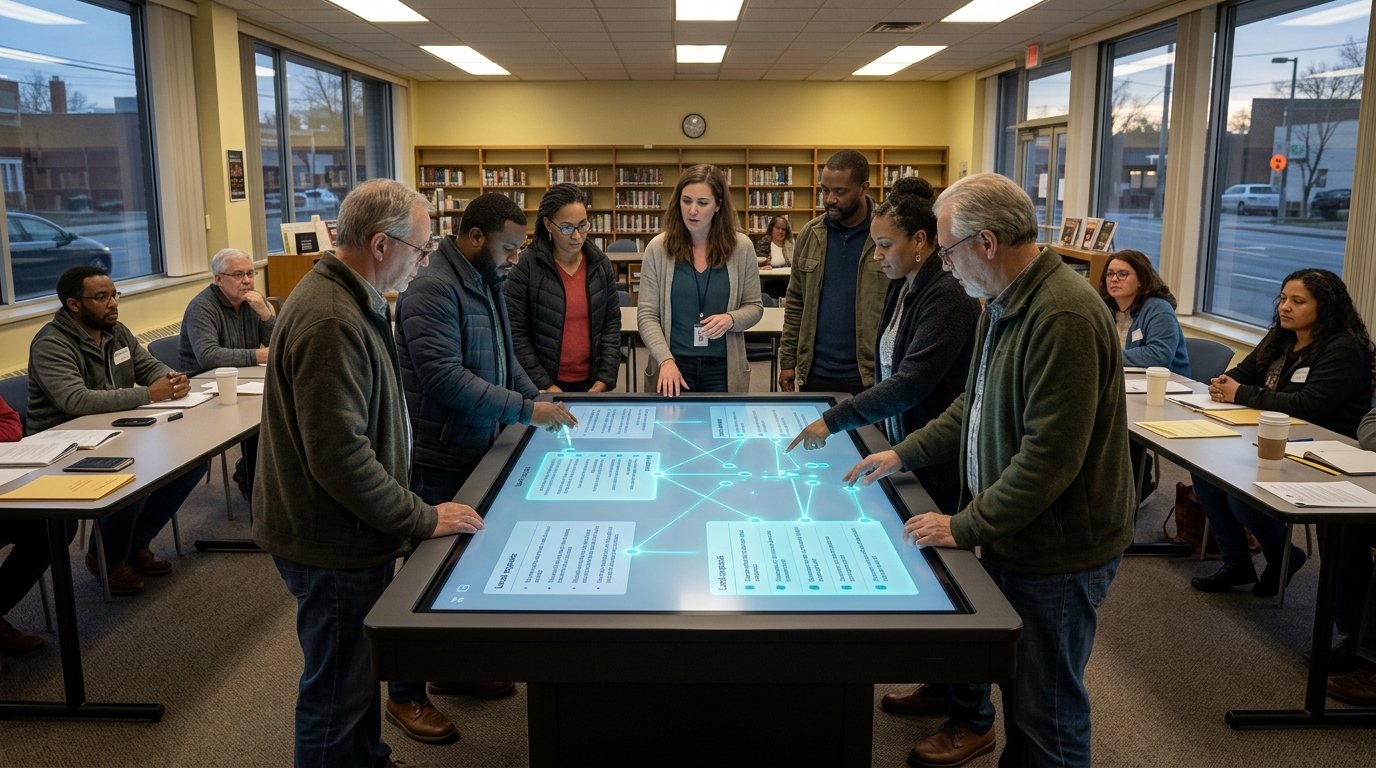
Recommender systems optimized for consensus across divides.
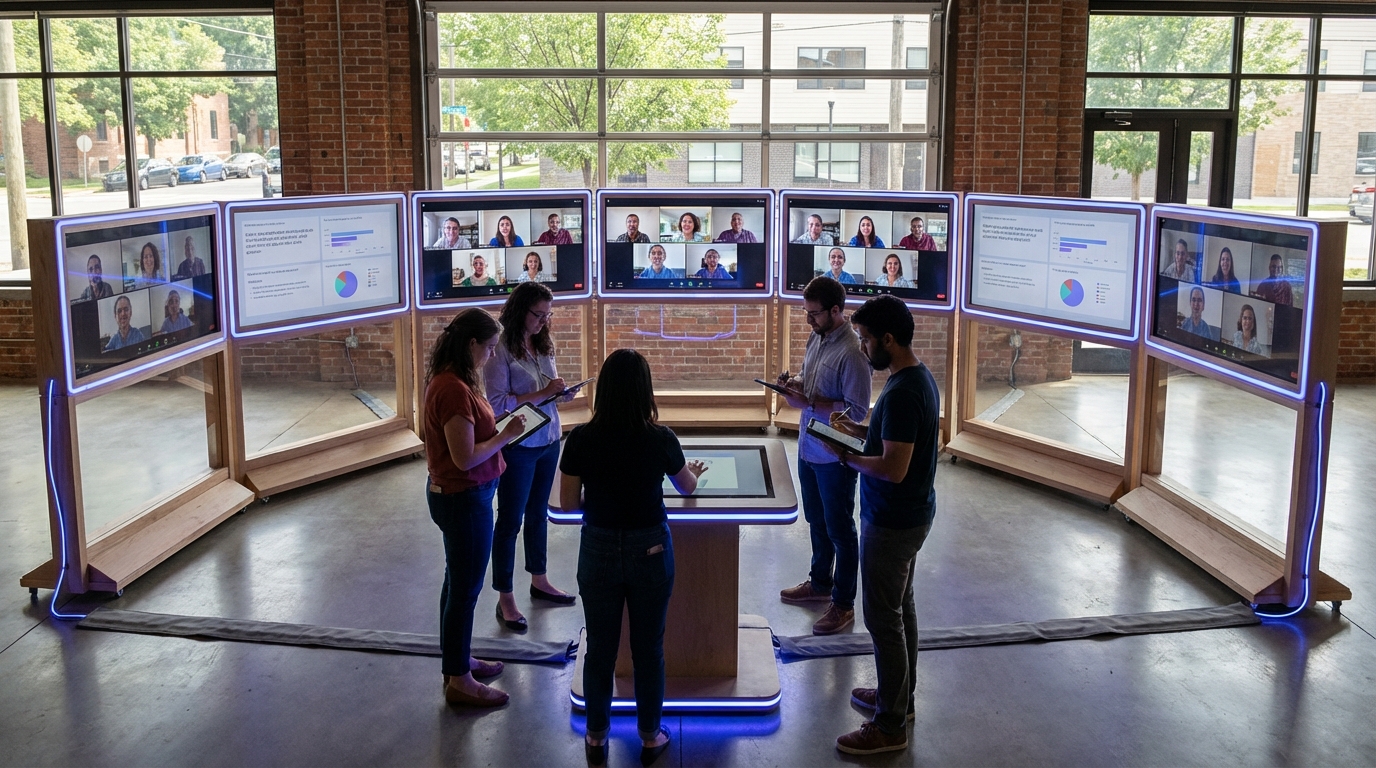
Scalable online spaces for structured public debate.
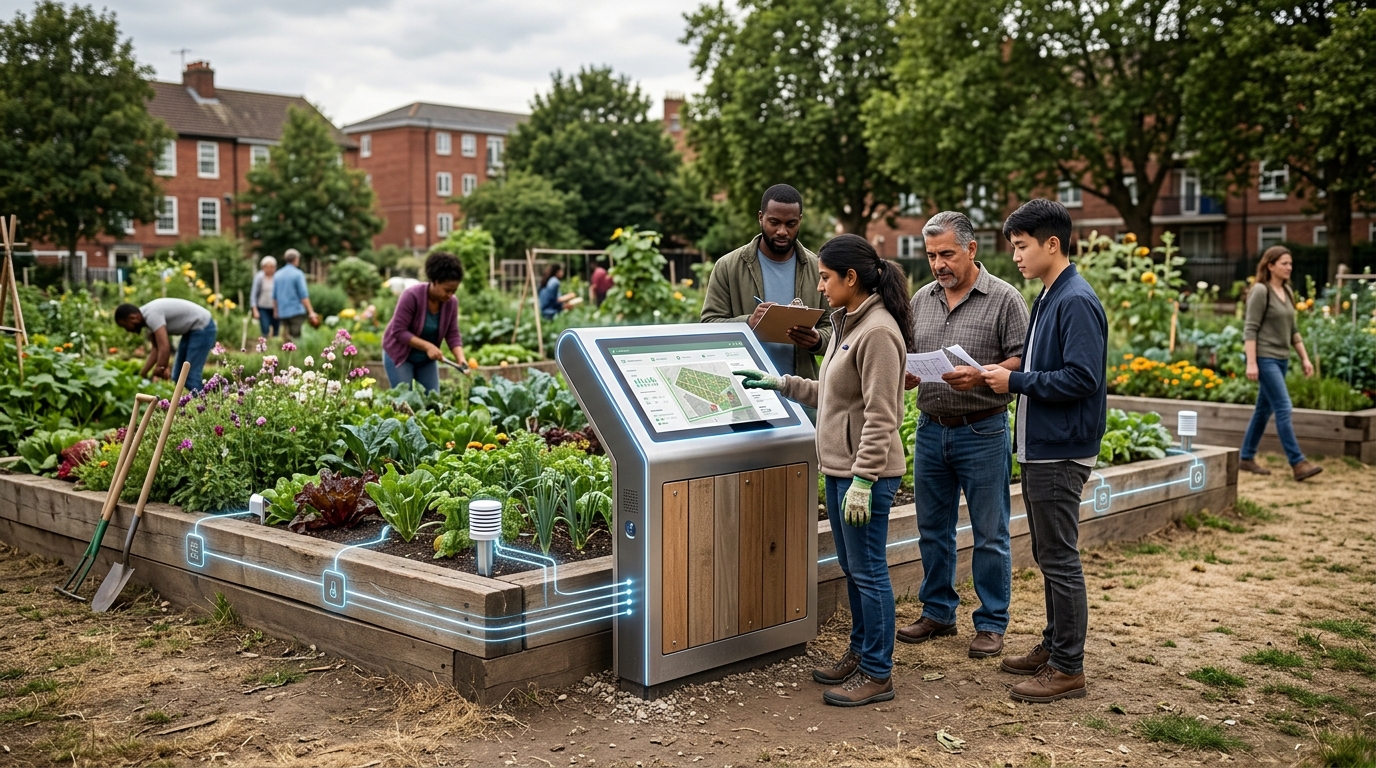
Community governance of public data assets.

Two-way service channels that close the loop with residents.
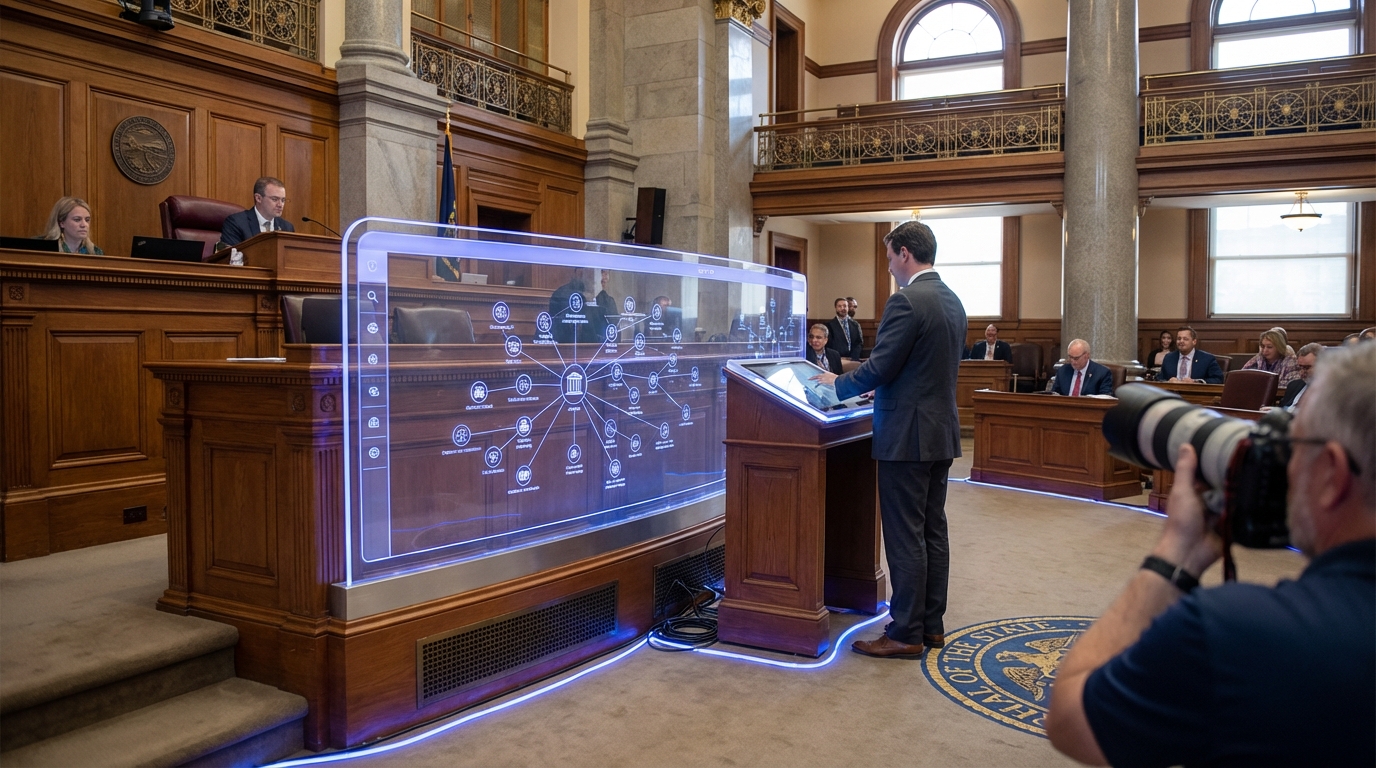
Structured representations of institutions, programs, and outcomes.

Democratic coordination for managed retreat and resilience.
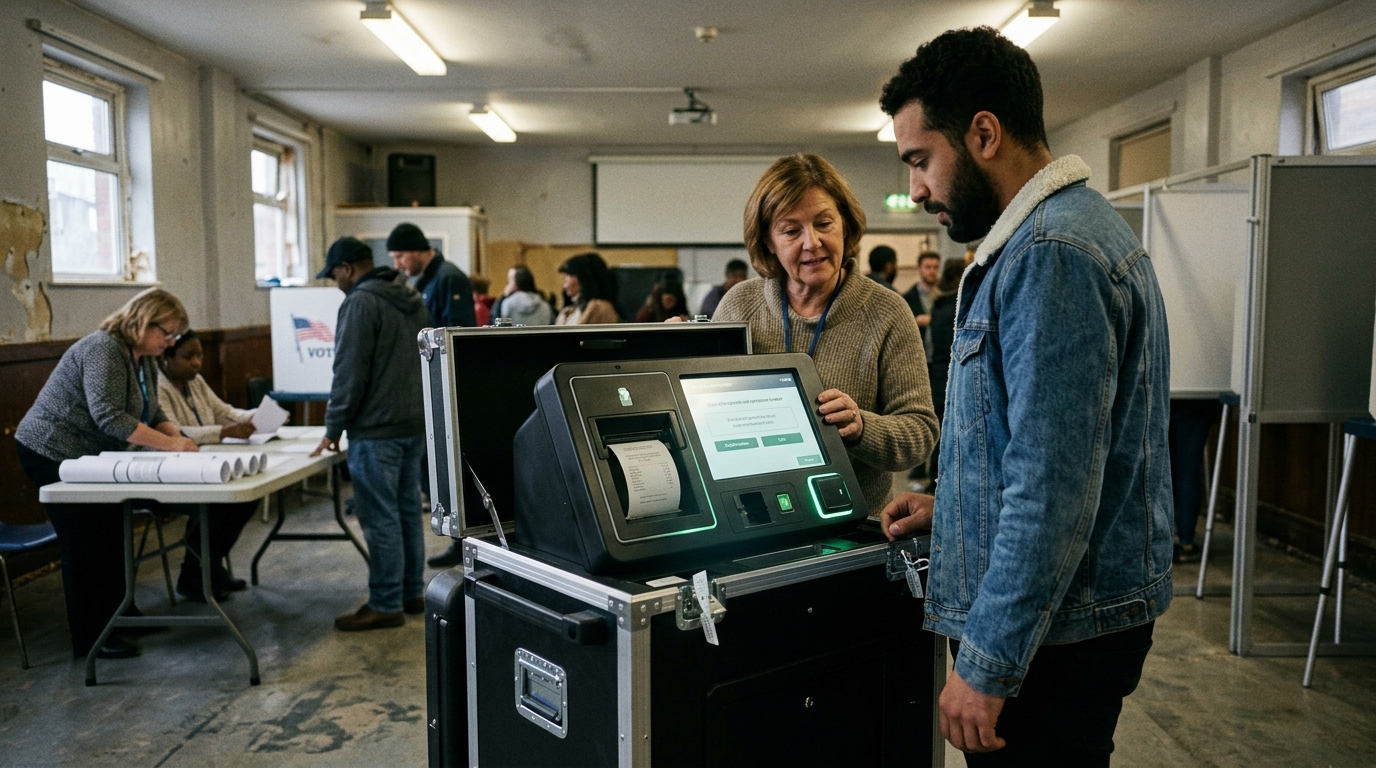
Designing systems so voters cannot prove how they voted.

Augmented sensemaking for complex public problems.

Audio-based participation infrastructure for low-literacy contexts.
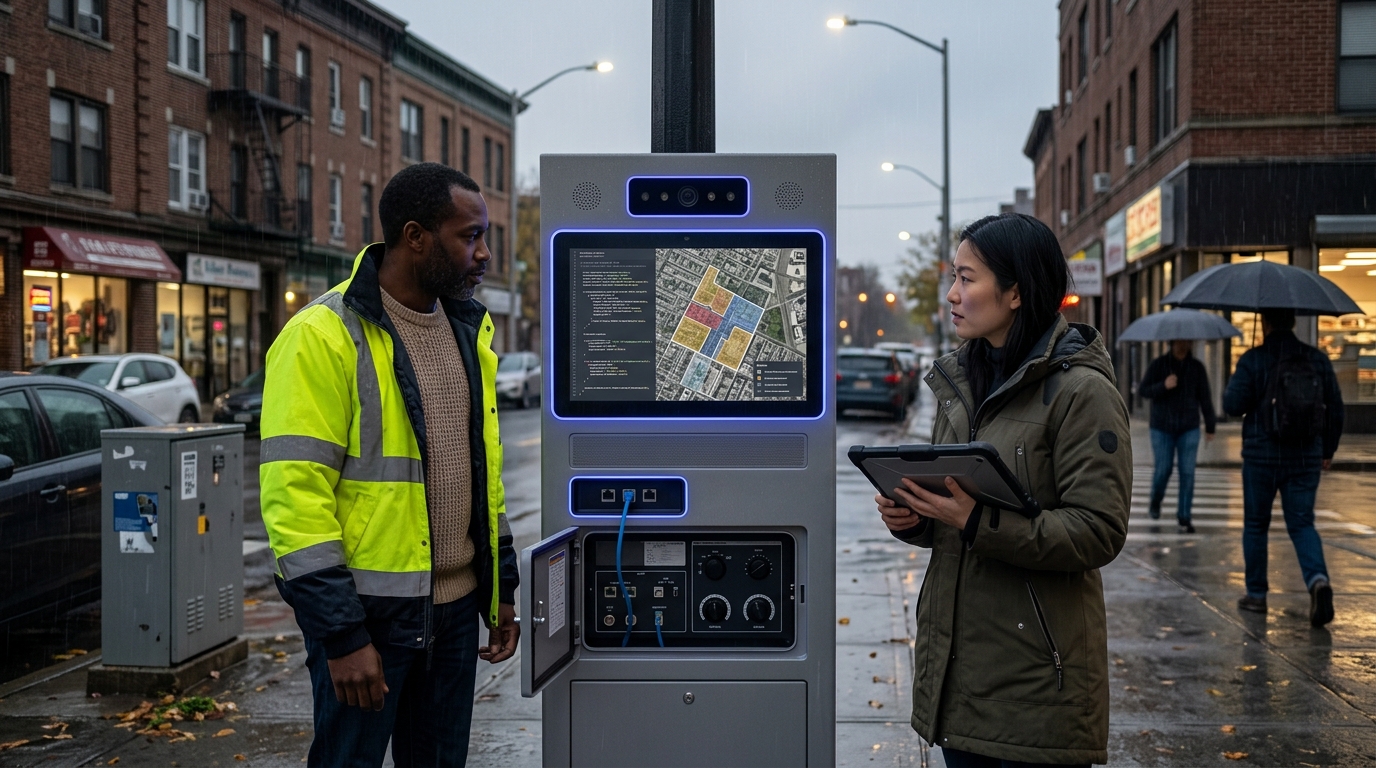
Legislation drafted as machine-executable logic.
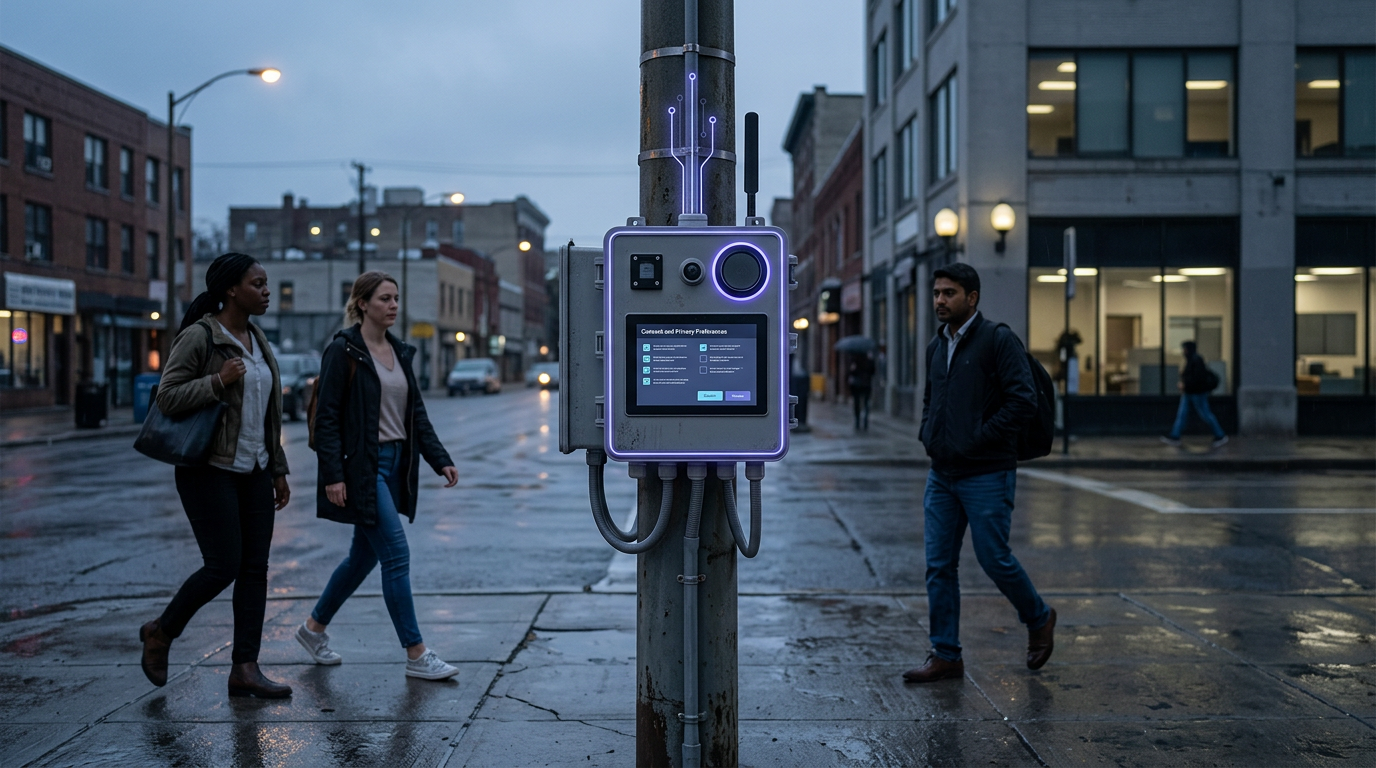
Granular, revocable control over personal data in public systems.

Cryptographic provenance metadata for media integrity and trust.

Tools for transnational governance and solidarity networks.

On-chain coordination for commons stewardship.
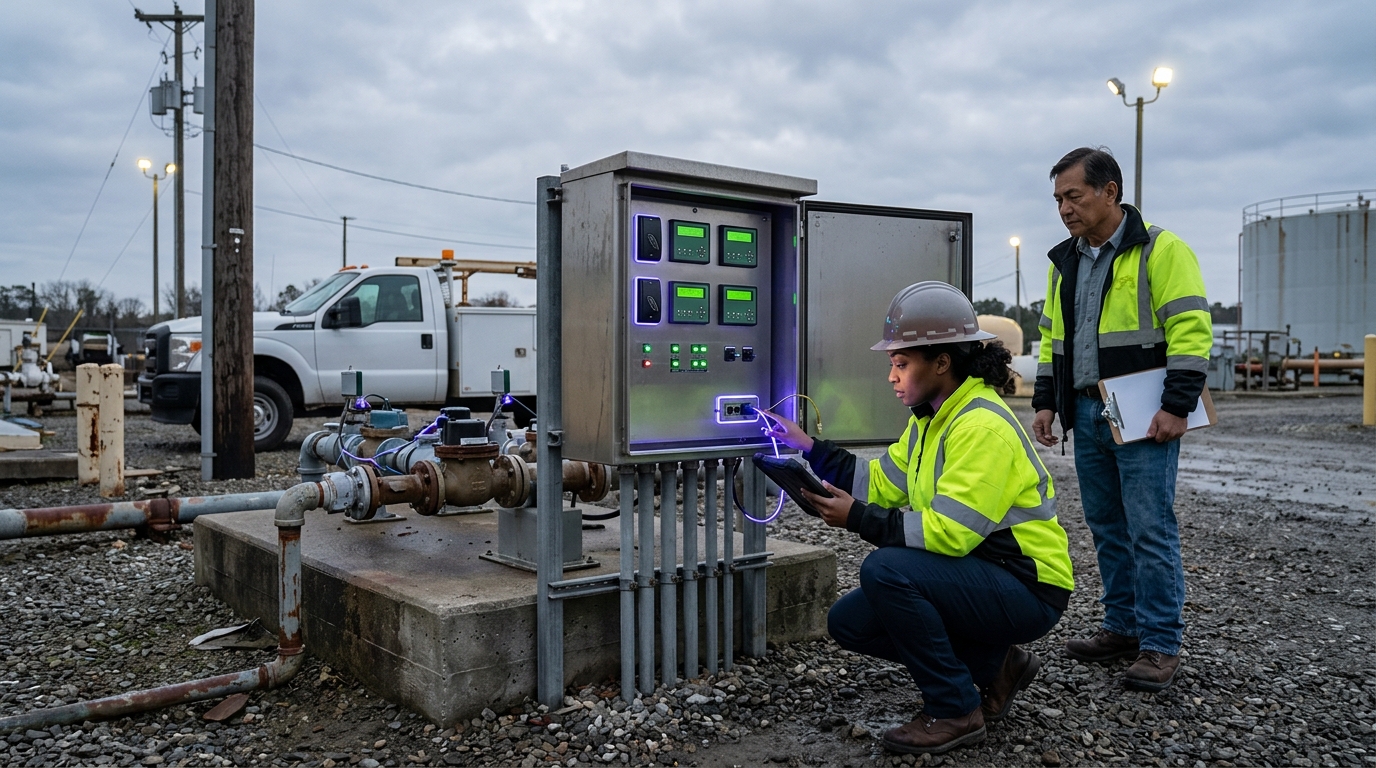
Preventing mission creep and ‘function creep’ in civic data systems.

ActivityPub, ATProtocol, and federated town squares.

Publishing useful civic data with formal privacy guarantees.

Structured channels for policy feedback at scale.

National and community control over civic tech stacks.

Technical implementation of human rights in digital governance.

Blended in-person and remote democratic forums.
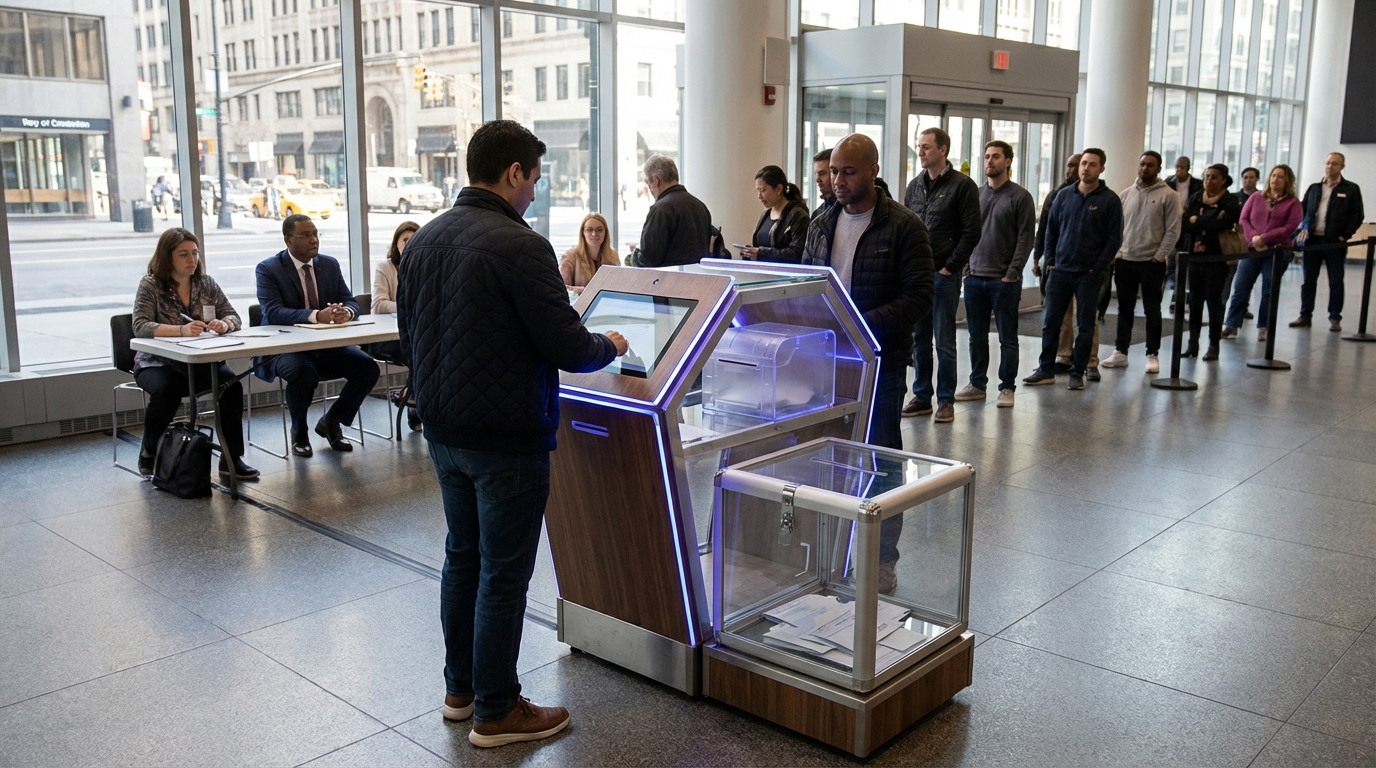
Cryptographic voting where voters and observers can verify outcomes.

Proxy mechanisms for non-present stakeholders.

Root-of-trust devices for signing, encryption, and key custody.
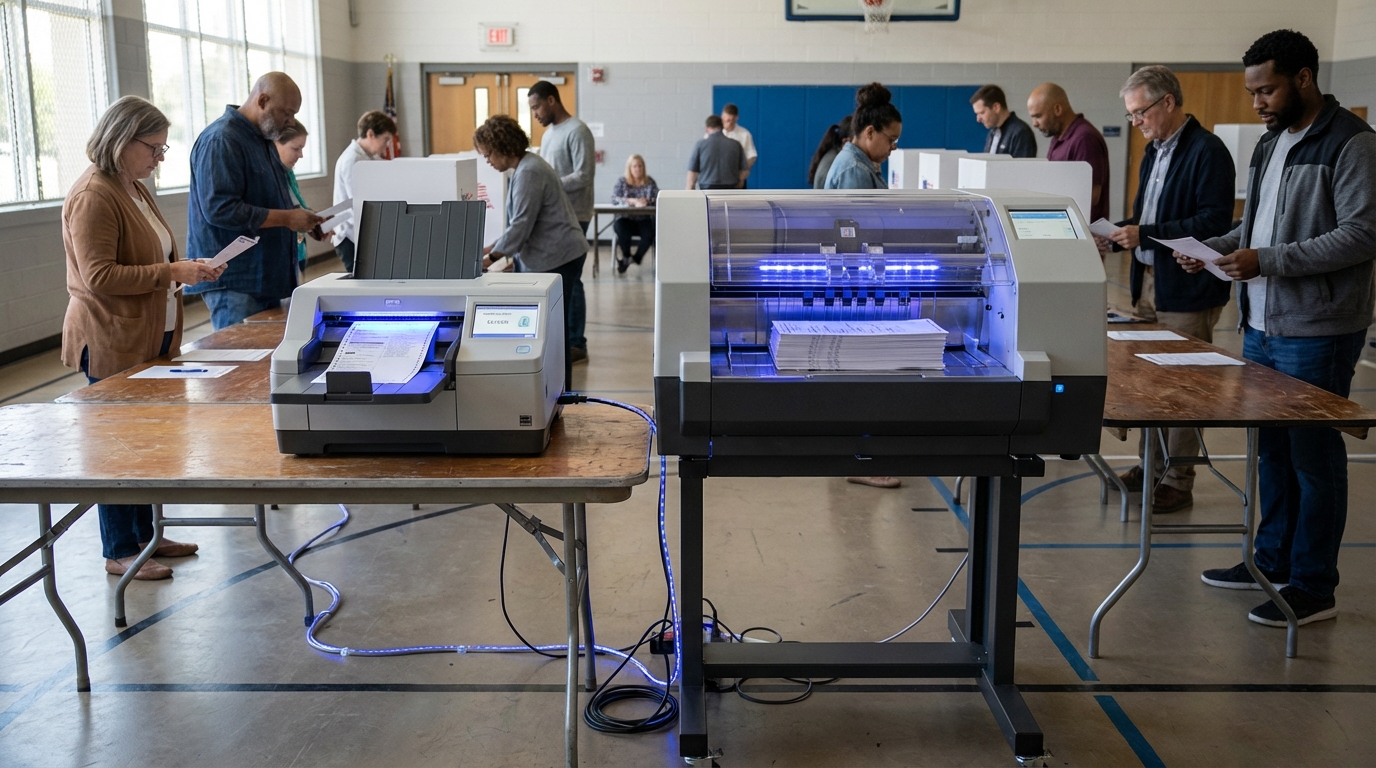
Optical scanning infrastructure for auditable paper elections.
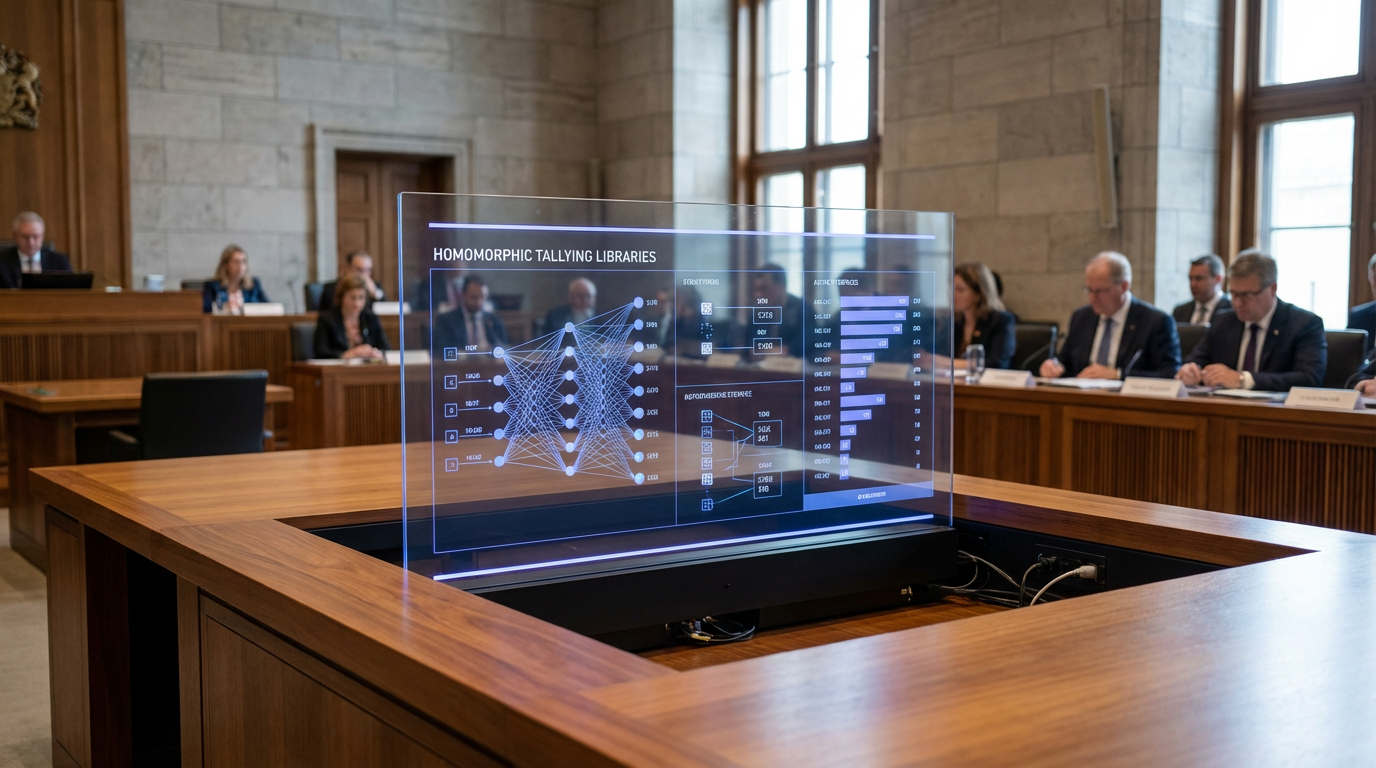
Counting encrypted votes without decrypting individual ballots.

Technology that respects and enables customary decision-making.

Dynamic delegation of voting power to trusted proxies.
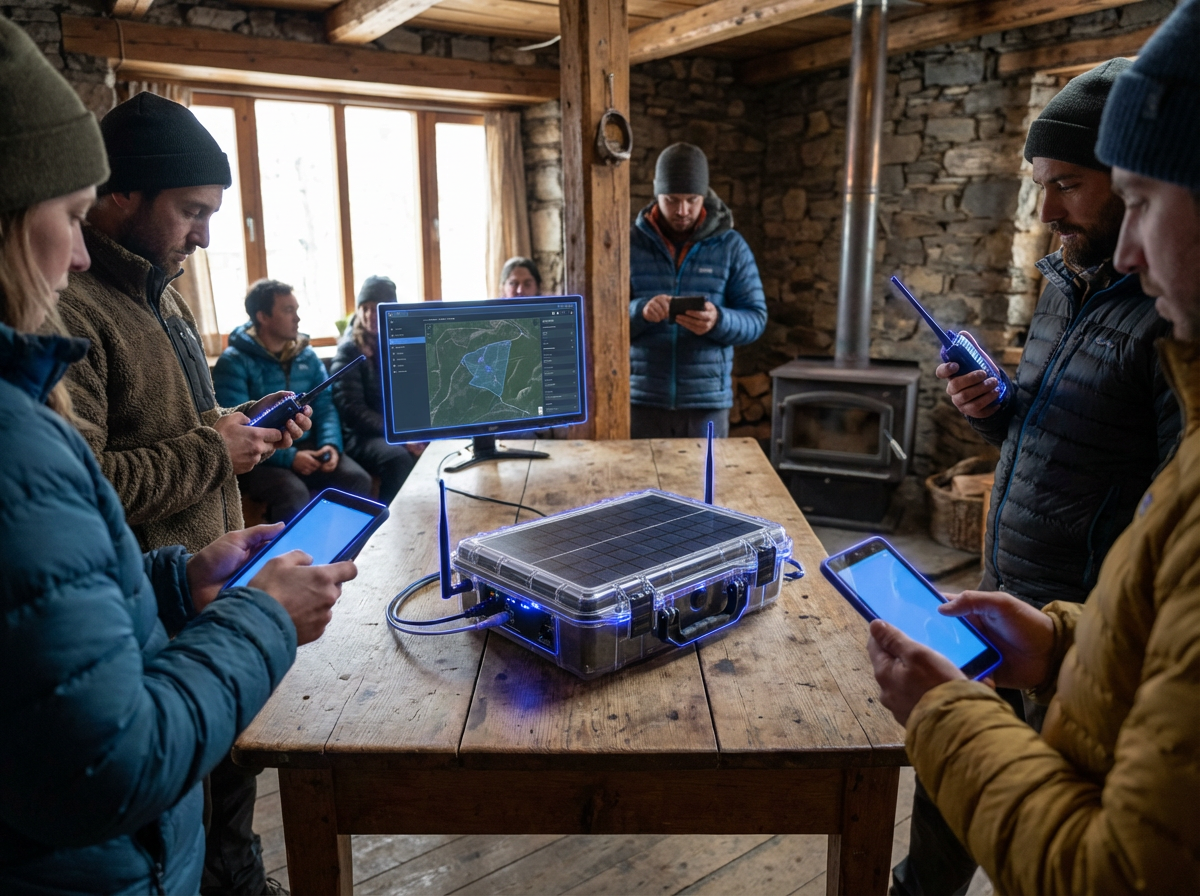
Decentralized networking for off-grid civic coordination.

Breaking linkability between voters and ballots with verifiable shuffles.
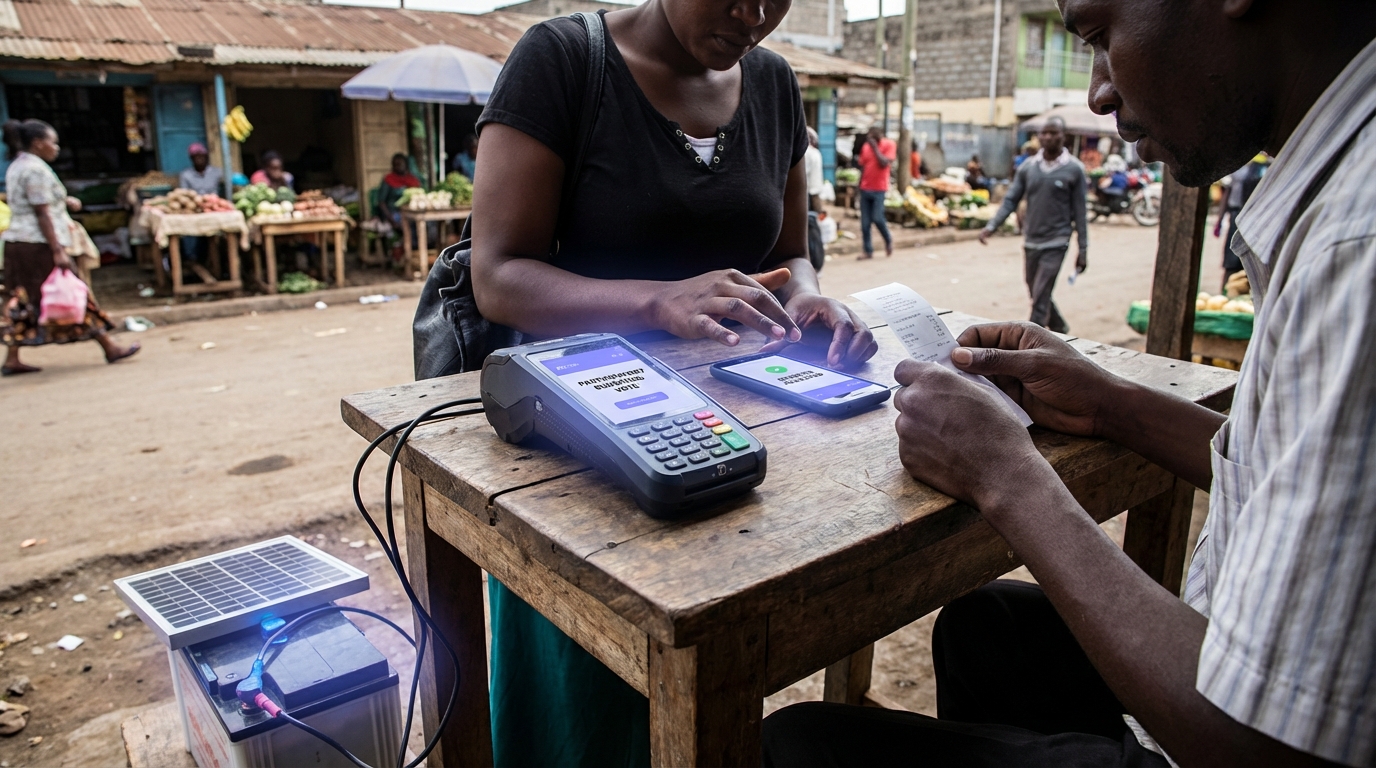
M-Pesa-style platforms for participatory budgeting and benefits.

Inclusive interfaces for non-neurotypical civic engagement.
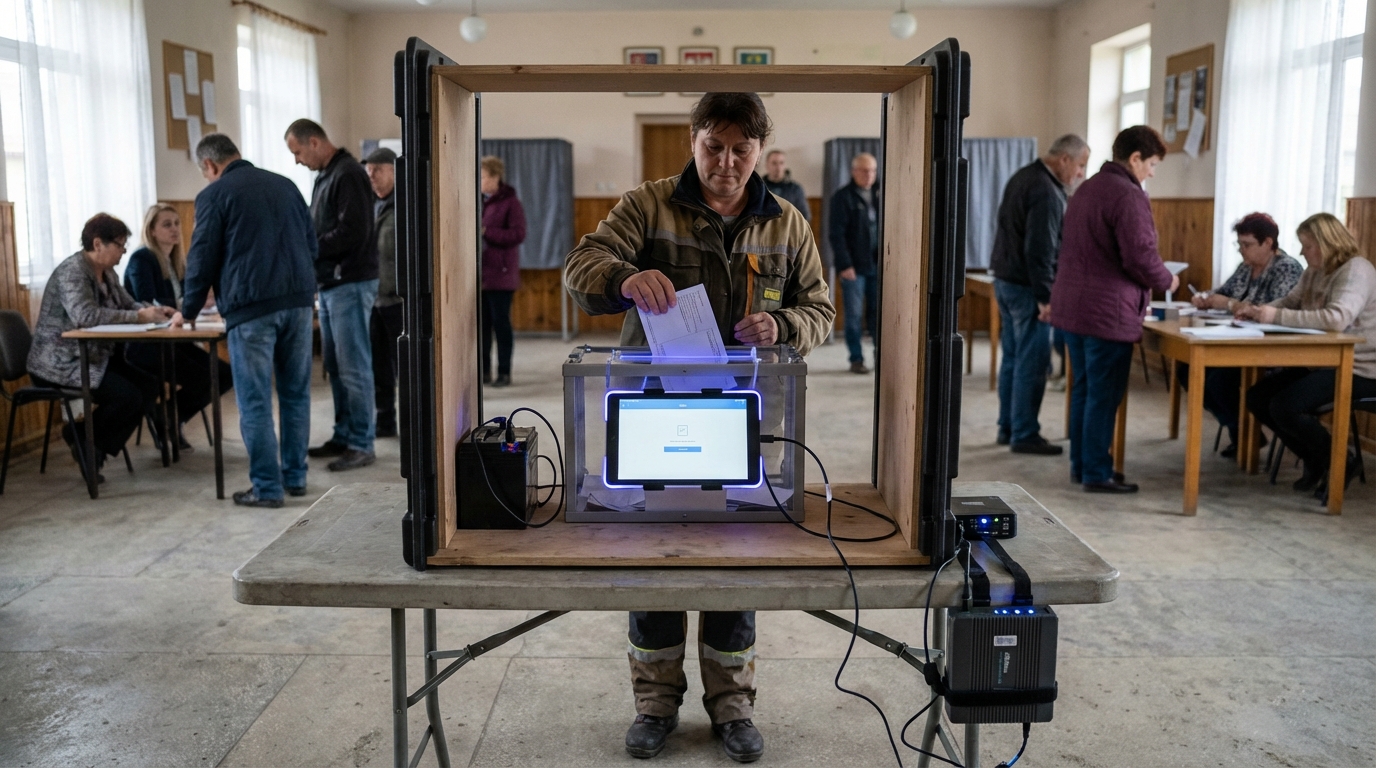
Hybrid paper-digital systems for low-connectivity contexts.
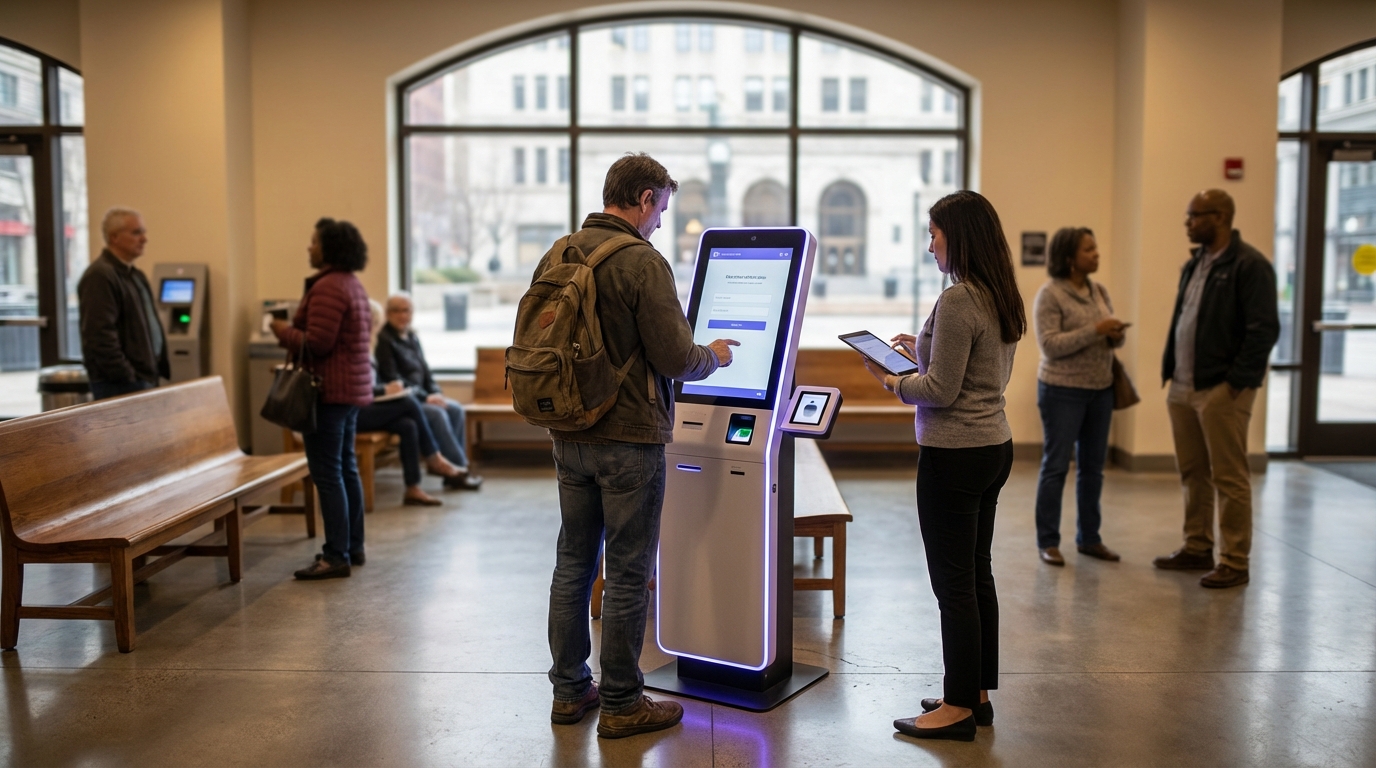
Eligibility, enrollment, and case management built for dignity.

Public, machine-readable legislative text with change history.

Machine-readable transparency for contracts, vendors, and spend.

''Guilty until proven innocent'' verification for faster governance.

Direct citizen allocation of public funds.

Resident-driven mapping of assets, risks, and inequities.

Verified, transparent mechanisms for agenda-setting from below.

Harnessing market incentives for forecasting policy outcomes.

Hardware-based sybil resistance without identity disclosure.
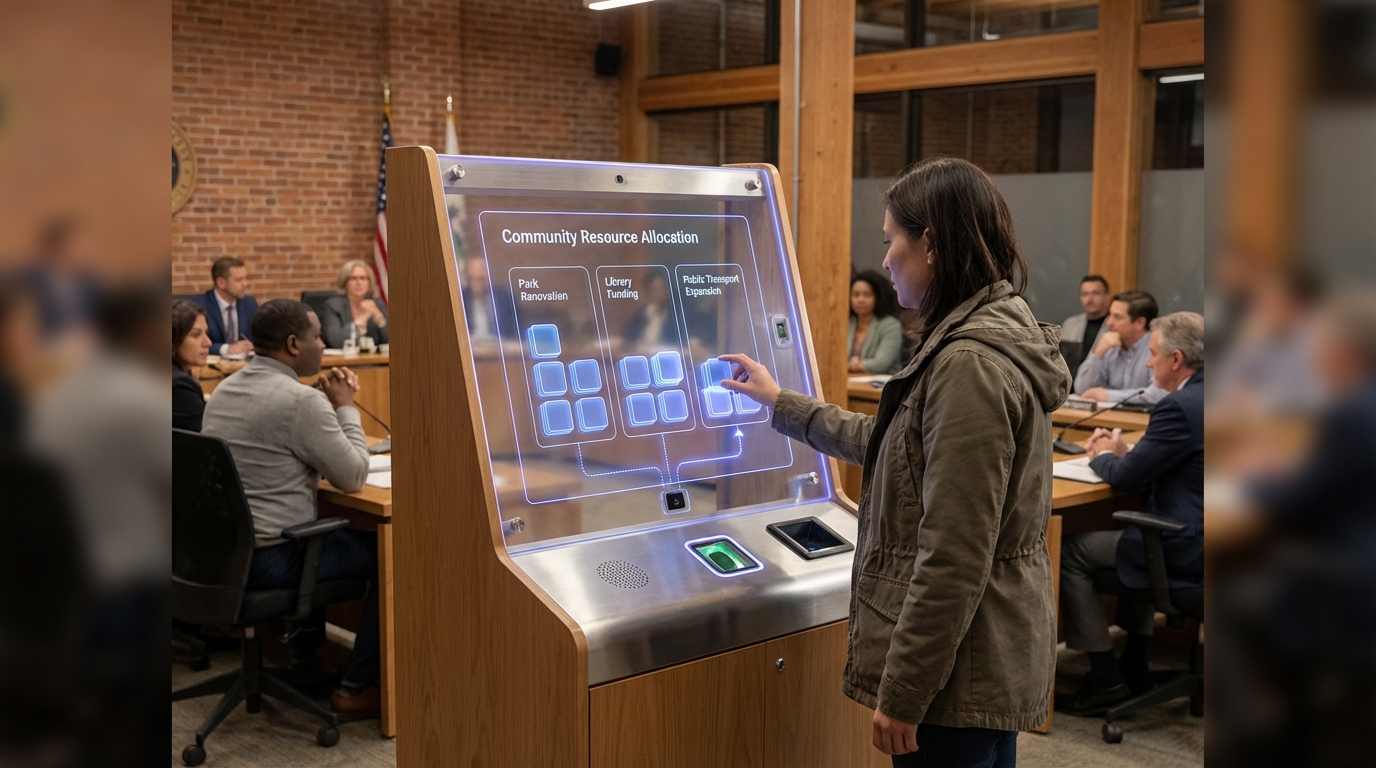
Algorithms allowing expression of preference intensity.

IRV, approval, STAR, and other non-plurality methods.

Interactive models for participatory fiscal planning.

Truth-telling, acknowledgment, and redress coordination.
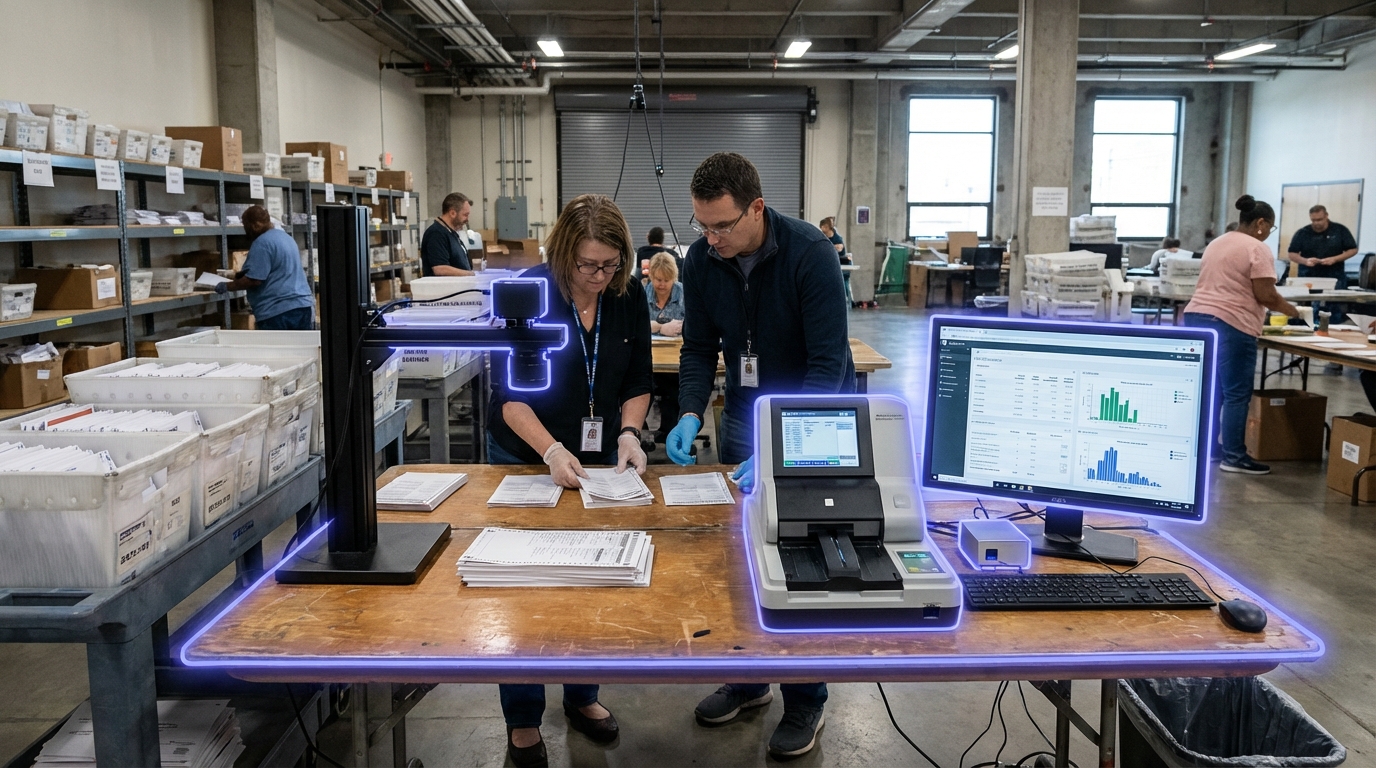
Statistical audits that provide strong evidence election outcomes are correct.
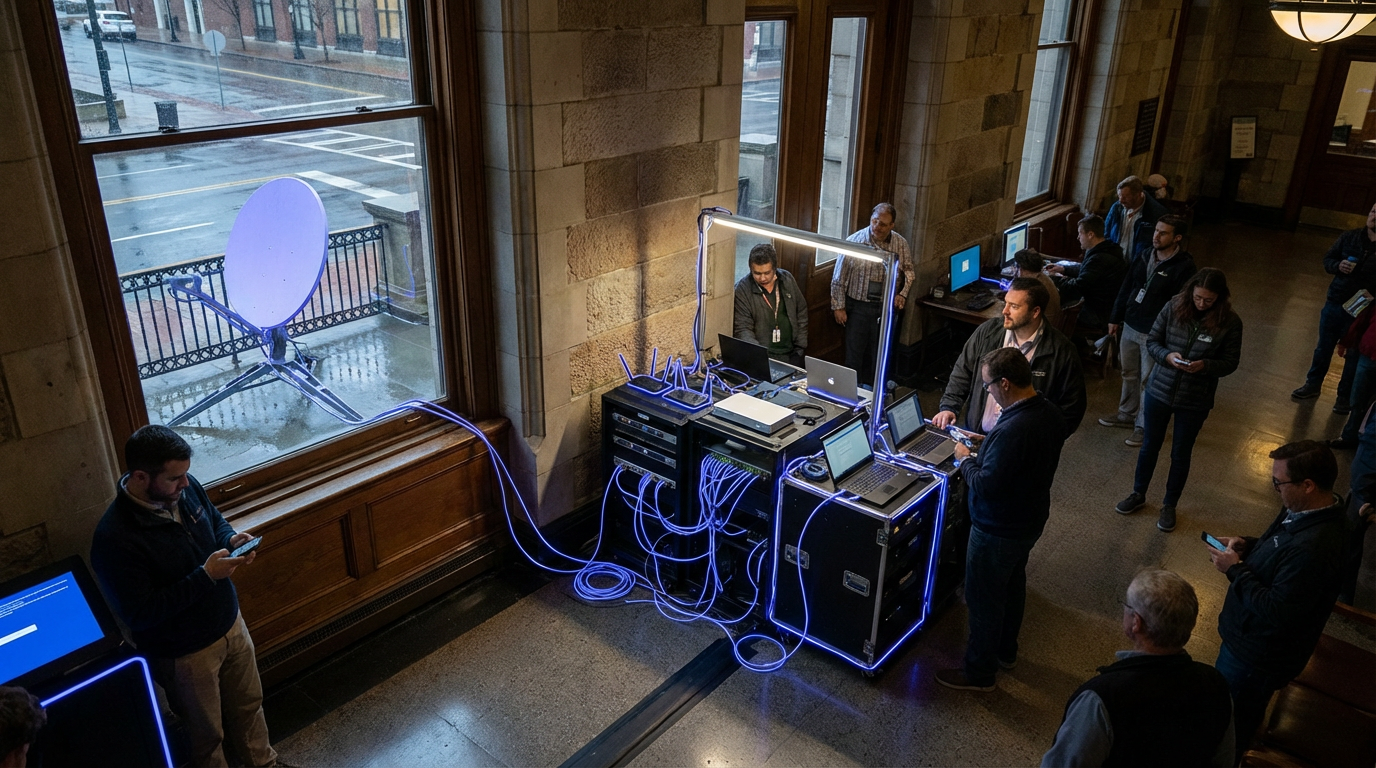
Fallback connectivity for election sites and civic services.

Joint computation on sensitive civic data without data sharing.

Anonymous disclosures for accountability and anti-corruption.
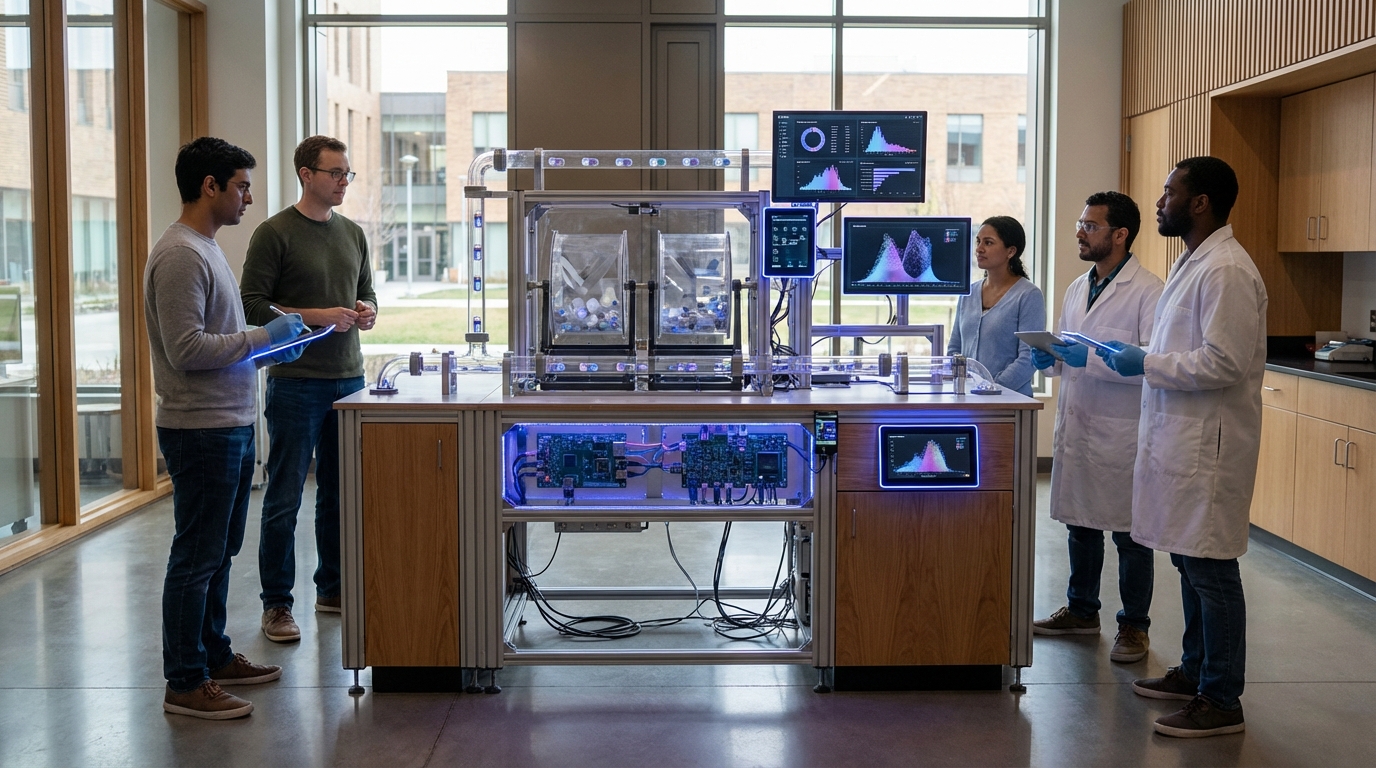
Fair random selection and stratification for mini-publics.

Preventing fake identities in digital democracy.
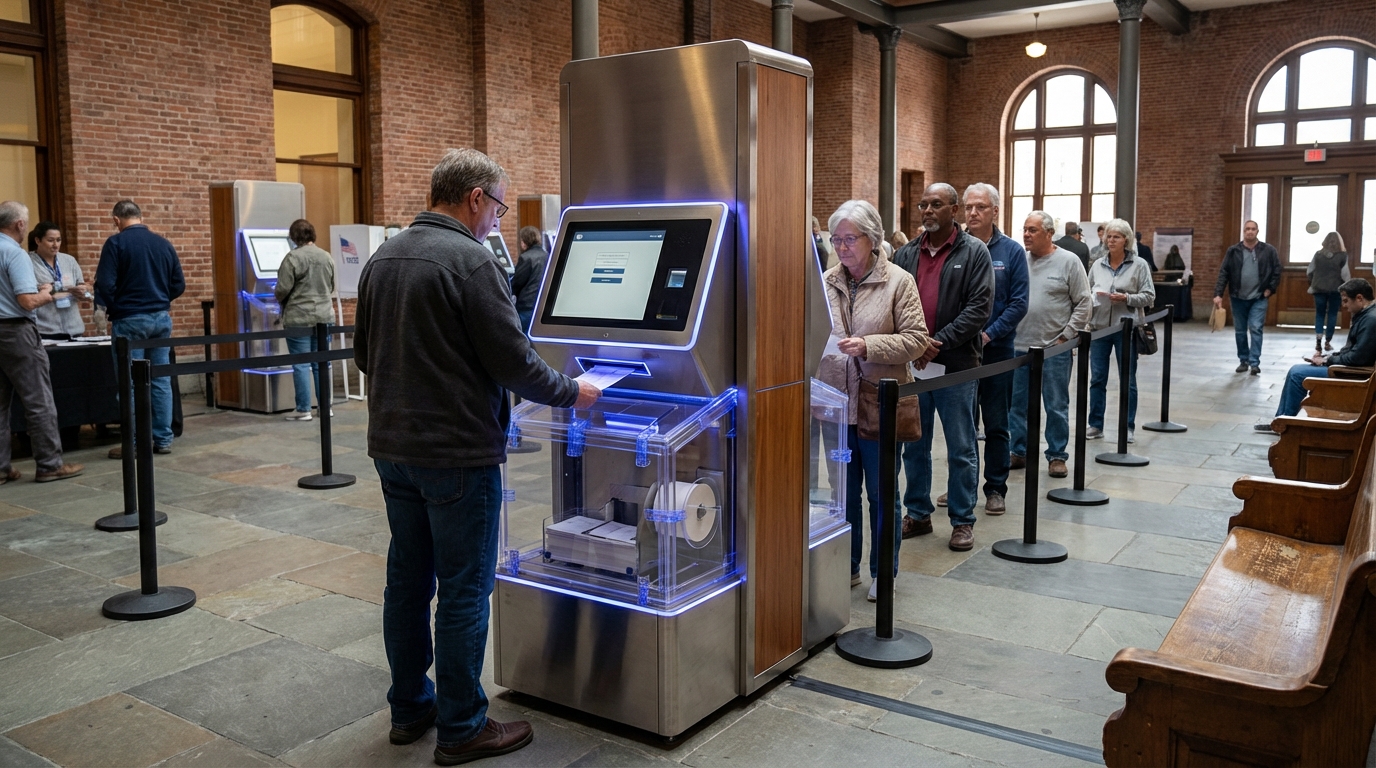
Secure, transparent hardware for verifiable in-person voting.

Formal adversary analysis and continuous hardening of civic infrastructure.

Authentic, resilient public messaging during fast-moving events.
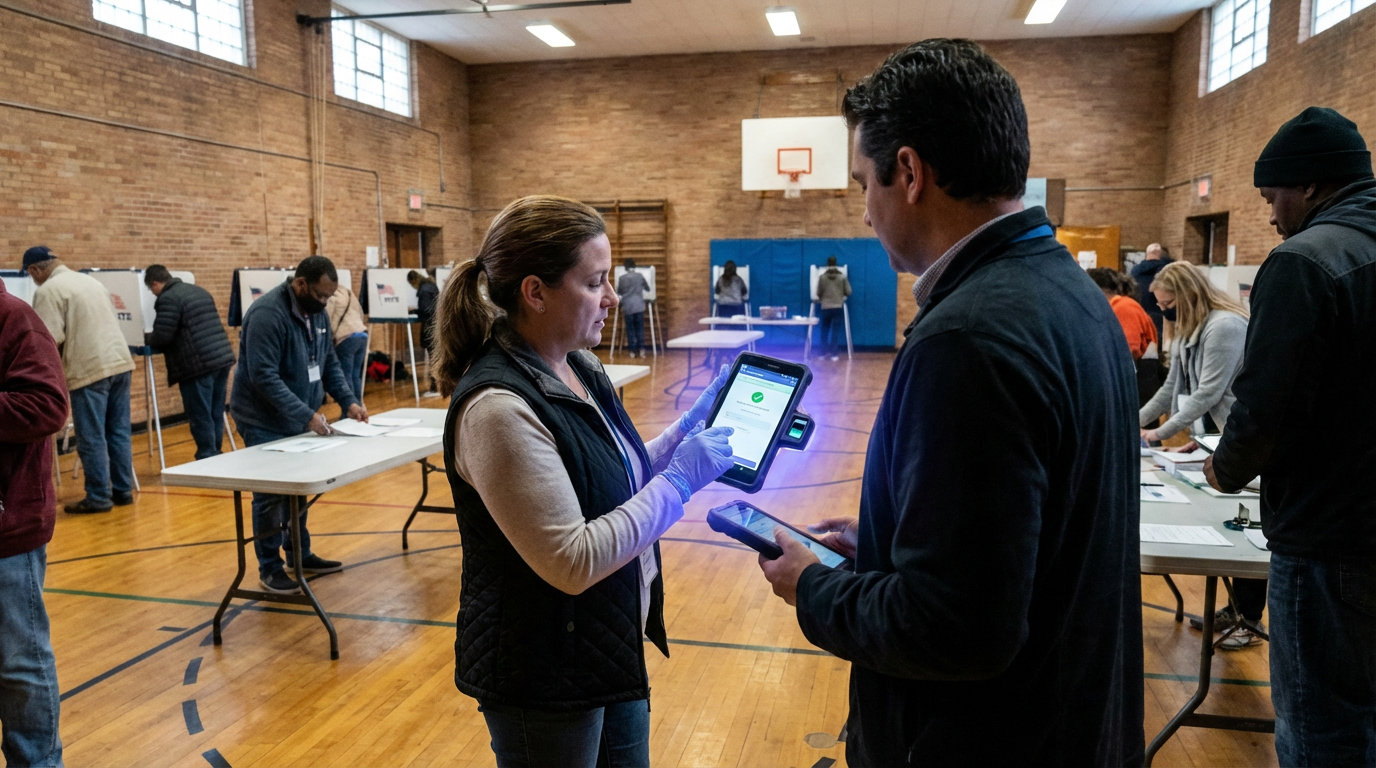
Assuring poll-worker and inspector devices are uncompromised.
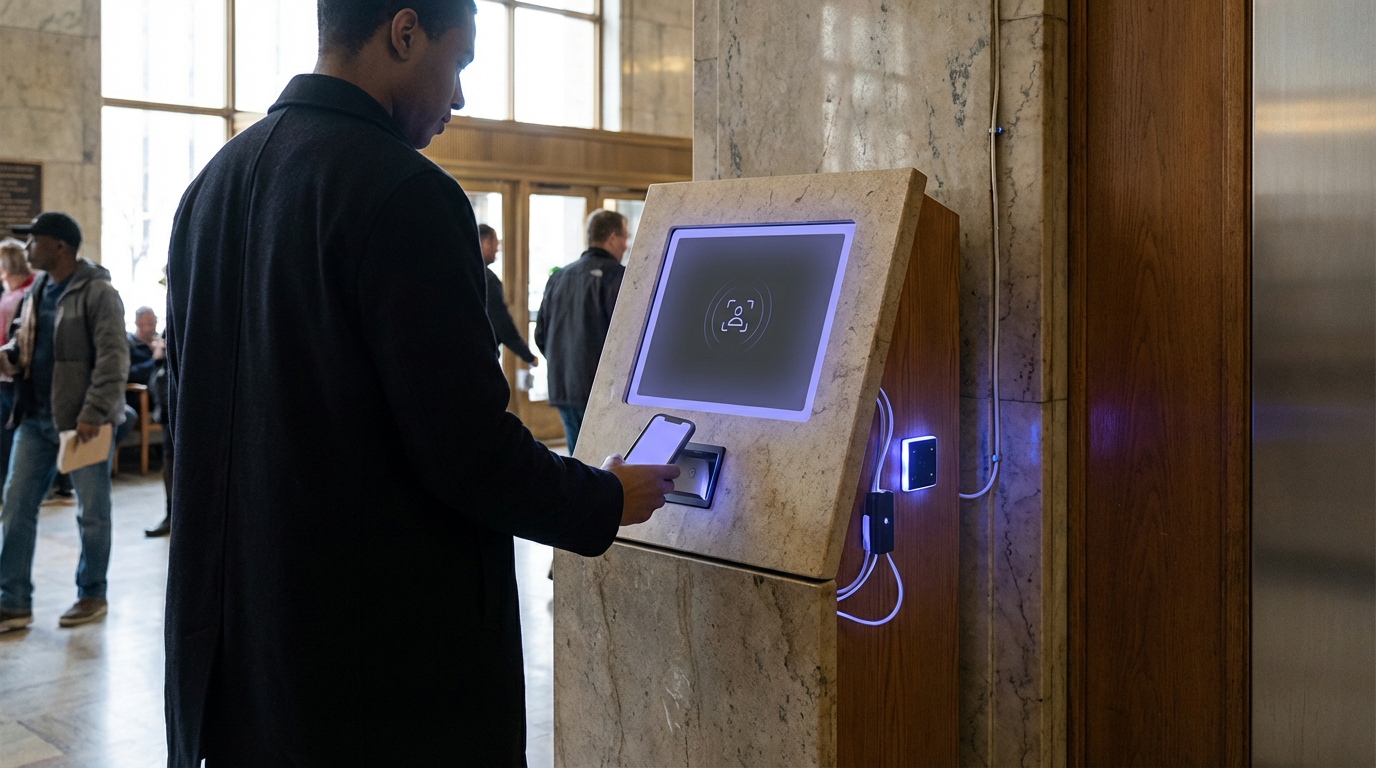
Portable, privacy-respecting identity proofs for civic services.
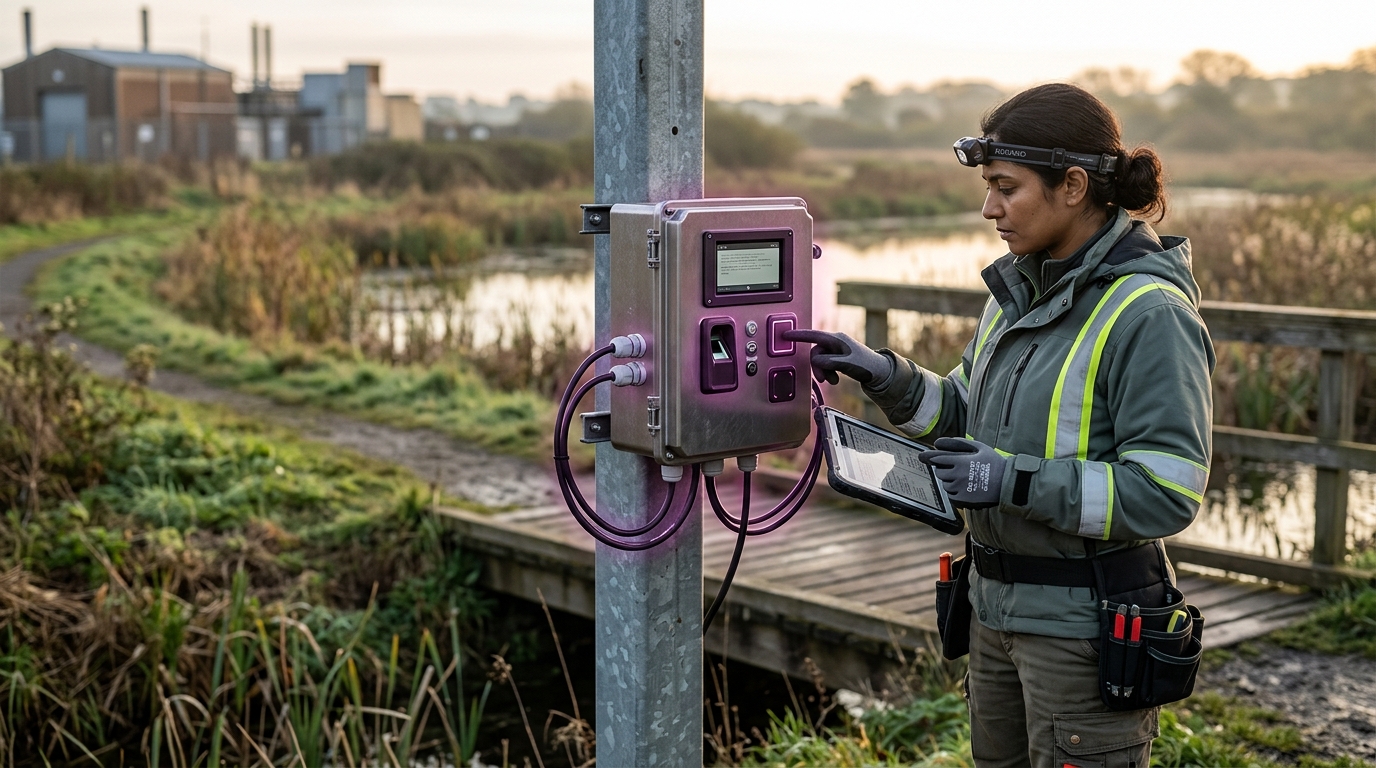
Cryptographic insurance for high-risk accountability.
Turn this hub into a team session
Interested in our work?
Newsletter
Follow us for weekly foresight in your inbox.