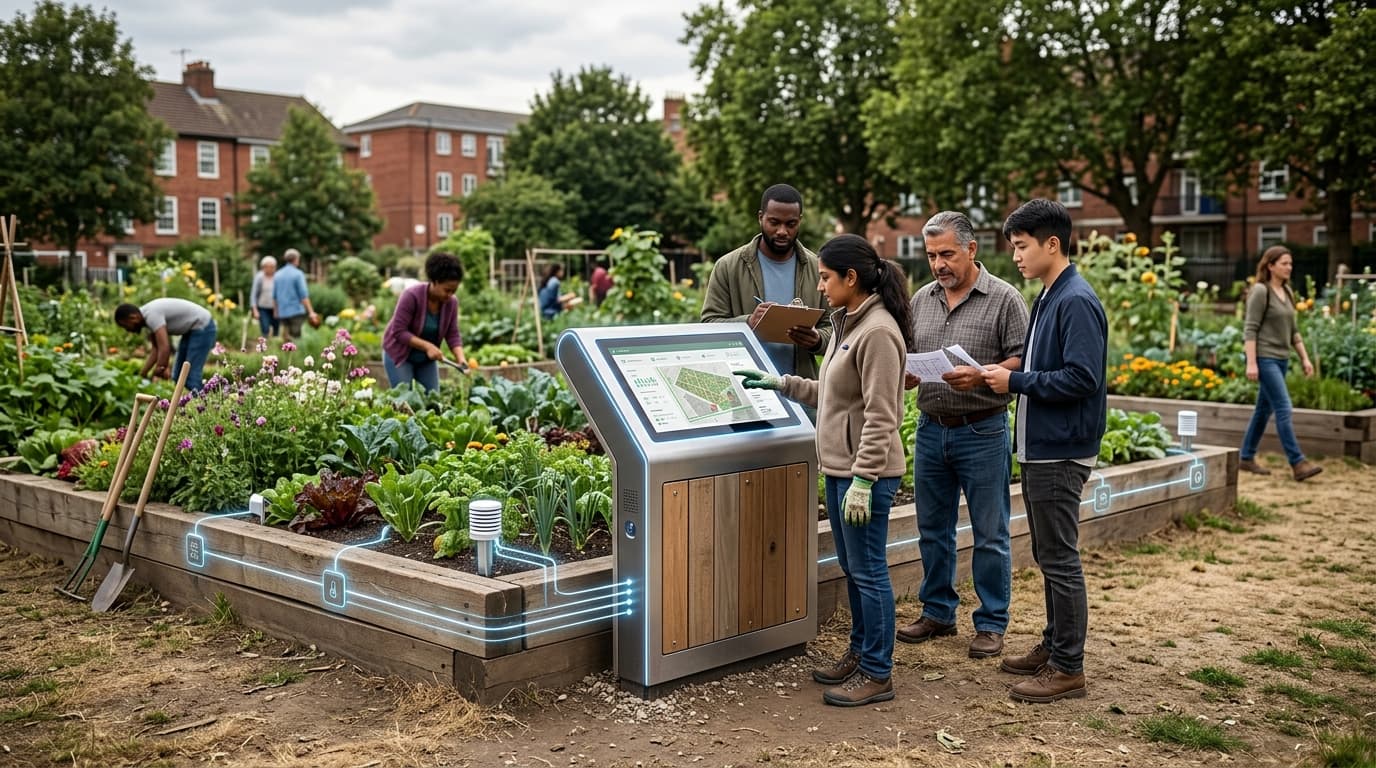
The exponential growth of data collection in urban environments has created a fundamental tension between technological innovation and citizen rights. Smart city initiatives generate vast amounts of information through sensors, cameras, and connected infrastructure, yet residents often have little say in how this data is collected, stored, or used. Traditional data governance models typically vest control in either municipal governments or private technology vendors, creating scenarios where public data assets may be exploited for commercial gain, used for intrusive surveillance, or managed without meaningful community input. Civic Data Trusts emerge as a solution to this governance gap, establishing a legal and institutional framework where data collected in public spaces is managed by an independent fiduciary organization that operates explicitly in the interests of the community it serves.
At its core, a Civic Data Trust functions similarly to a land trust or financial trust, with trustees holding a legal obligation to manage assets for the benefit of designated beneficiaries—in this case, urban residents. The trust structure creates a separation between data collection entities and data governance, inserting a layer of accountable stewardship between sensors and decision-makers. Trustees, who may include community representatives, technical experts, and ethicists, establish policies governing data access, usage permissions, retention periods, and sharing protocols. This framework typically combines legal instruments such as trust deeds or charter agreements with technical infrastructure including secure data repositories, access control systems, and audit mechanisms. The trust can grant conditional access to researchers, city agencies, or private companies, but only under terms that demonstrably serve public benefit—whether that means improving transportation systems, enhancing emergency response, or informing equitable policy decisions. Crucially, the trust structure creates enforceable fiduciary duties, meaning trustees can be held legally accountable if they mismanage data or prioritize private interests over community welfare.
Early implementations of civic data trust principles have emerged in several jurisdictions exploring alternatives to conventional smart city partnerships. Barcelona's digital sovereignty initiatives and efforts in cities like Toronto following controversies over waterfront development projects have demonstrated growing interest in community-controlled data governance models. These frameworks address practical challenges such as preventing discriminatory algorithmic decision-making, ensuring equitable access to data-derived insights, and maintaining public trust in urban technology deployments. As cities worldwide grapple with the implications of ubiquitous sensing and artificial intelligence, civic data trusts represent a maturing approach to digital governance that treats public data as a commons requiring careful stewardship. This model aligns with broader movements toward data sovereignty, participatory governance, and the recognition that information generated by communities should ultimately serve those communities. By establishing clear accountability structures and centering resident interests, civic data trusts offer a pathway toward smart cities that are not only efficient but also democratic, equitable, and aligned with the values of the people who inhabit them.
Related Organizations
Research institution focusing on the intersection of technology and society, specifically advocating for data stewardship and community data rights.

Non-profit founded by Sir Tim Berners-Lee and Sir Nigel Shadbolt to advocate for the innovative use of open data.

A strategic discovery lab working on new institutional infrastructures for towns and cities.

A non-profit organization that advocates for a healthy internet and conducts 'Trustworthy AI' research.

An independent research institute with a mission to ensure data and AI work for people and society.

Pioneering city government known for its digital sovereignty strategy and the DECODE project, giving citizens control over their IoT data.

Based at NYU Tandon School of Engineering, it studies how to improve governance using data, including 'Data Collaboratives' for environmental insights.

An international nonprofit advocating for human-centric personal data management and sovereignty.

Public organization administering the revitalization of Toronto's waterfront.
Supporting Evidence
Research this in Signals
Signals turns a topic into a sourced research record you can inspect and rerun. Your first scan is free, and this one starts with Civic Data Trusts already loaded, so edit it or scan as is.