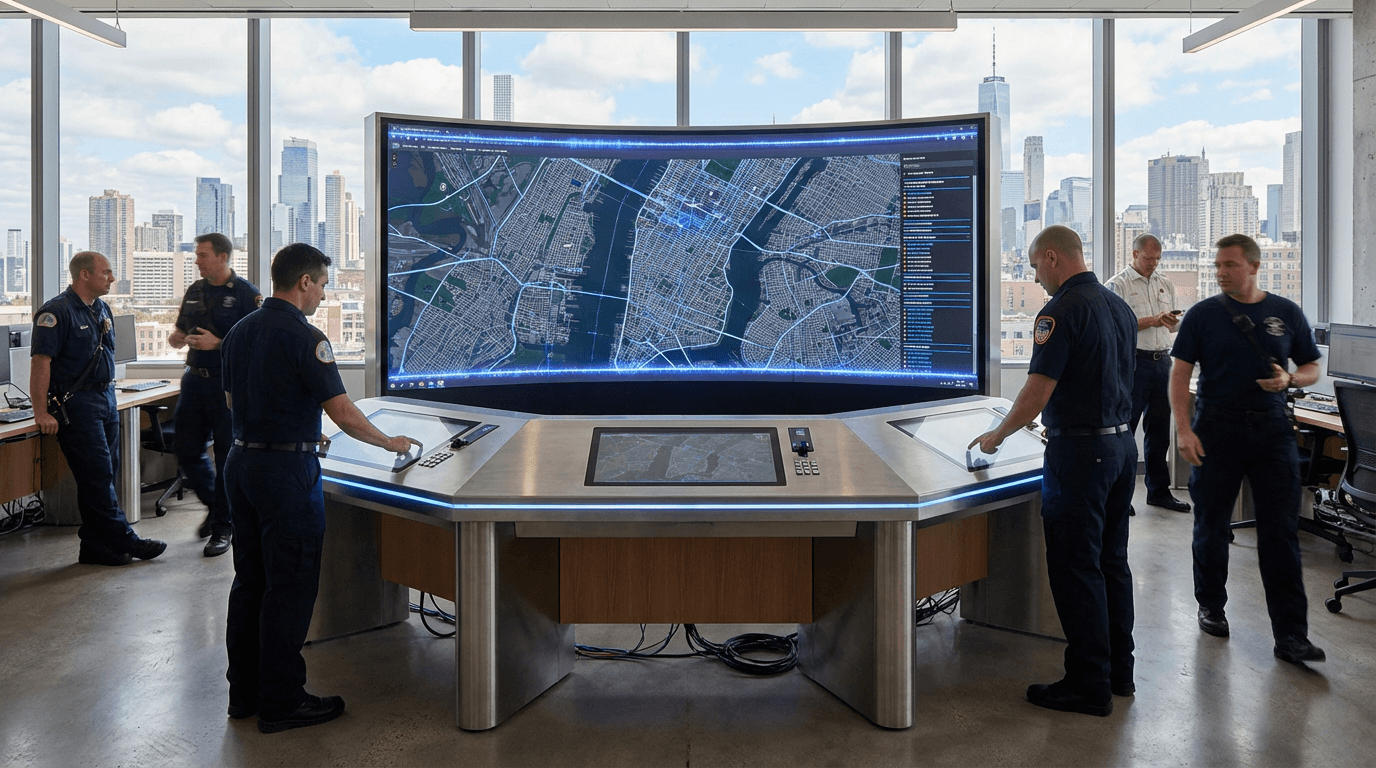
Trusted Civic Alerting & Crisis Communication
In an era where misinformation can spread faster than verified facts, trusted civic alerting and crisis communication systems address a critical vulnerability in public safety infrastructure. Traditional emergency alert mechanisms—whether SMS-based systems, broadcast interruptions, or social media announcements—face growing challenges from spoofing, deepfakes, and coordinated disinformation campaigns that can undermine public trust precisely when it matters most. These systems employ cryptographic authentication, digital signatures, and distributed verification protocols to ensure that emergency messages originate from legitimate government sources. By establishing chains of custody for official communications and embedding tamper-evident markers, the technology creates a verifiable trail that citizens, journalists, and other authorities can independently confirm. Multi-channel coordination ensures that authenticated alerts reach populations through diverse pathways—cellular networks, dedicated emergency apps, traditional broadcast media, digital signage, and social platforms—while maintaining message consistency and preventing contradictory information from fragmenting the public response.
The operational challenge these systems solve extends beyond technical authentication to encompass the preservation of institutional legitimacy during fast-moving crises. When earthquakes strike, wildfires spread, or public health emergencies emerge, the window for effective communication may last only minutes, yet the consequences of failed messaging can persist for years. Research suggests that populations exposed to conflicting or unverified emergency information exhibit lower compliance with protective instructions and diminished trust in subsequent official guidance. By providing citizens with reliable methods to verify message authenticity—through dedicated verification portals, blockchain-based audit trails, or integration with trusted digital identity frameworks—these platforms help maintain the social contract between governments and governed even under extreme stress. The systems also enable coordinated messaging across multiple agencies and jurisdictions, preventing the confusion that often arises when different authorities issue overlapping or contradictory guidance during regional emergencies.
Early deployments indicate growing adoption among national emergency management agencies and metropolitan governments, particularly in regions with recent experience of natural disasters or hybrid threats combining physical events with information warfare. Some implementations integrate with existing public warning infrastructure while adding authentication layers, while others represent ground-up redesigns of civic communication architecture. The technology proves especially valuable in contexts where social media platforms have become primary information sources but lack robust verification mechanisms for official accounts. As climate change intensifies the frequency of extreme weather events and geopolitical tensions raise concerns about coordinated disinformation during crises, the trajectory points toward these systems becoming standard components of civic infrastructure. The broader trend reflects a recognition that digital resilience—the ability to maintain trusted communication channels under adversarial conditions—now ranks alongside physical infrastructure as a prerequisite for effective governance and public safety in the twenty-first century.
Related Organizations

A global software company that provides critical event management and enterprise safety applications.
Administers grants (BRIC, HMGP) that fund property acquisitions (buyouts) and community resilience projects.

Provides the QNX operating system and Jarvis software composition analysis tool, foundational for secure automotive software.

Provides protective communications solutions, including zone-based evacuation software.

Creators of CausalImpact, a package for causal inference using Bayesian structural time-series.

A global leader in public safety and enterprise security.

Provider of critical event management and mass notification systems (CodeRED).

Provides an intelligent safety platform that links data from connected devices (wearables, apps) directly to 911 and first responders.

Provides emergency communication software for organizations to ensure safety during critical events.

Developer of InformaCast, a mass notification system.
Supporting Evidence
Research this in Signals
Signals turns a topic into a sourced research record you can inspect and rerun. Your first scan is free, and this one starts with Trusted Civic Alerting & Crisis Communication already loaded, so edit it or scan as is.