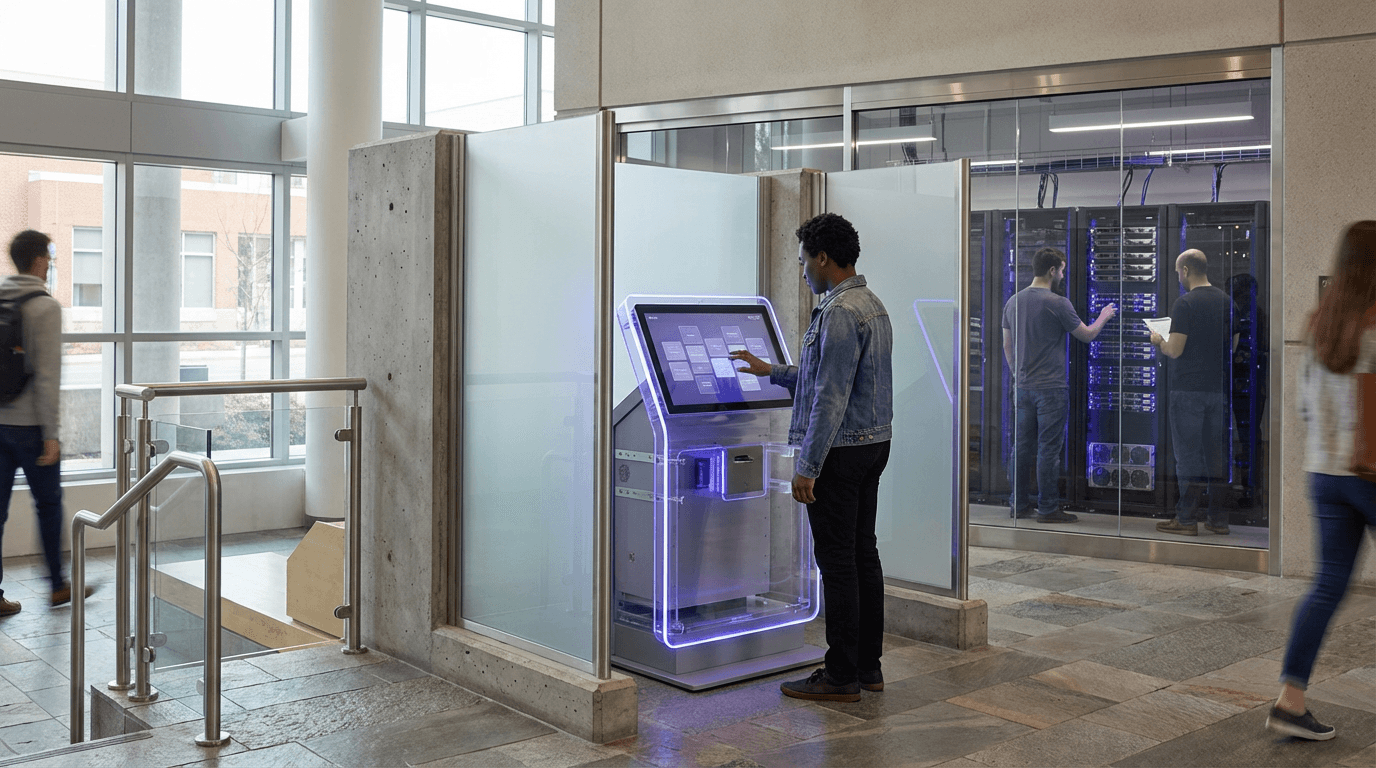
Mixnet Anonymization Systems
Mixnet anonymization systems represent a cryptographic approach to protecting privacy in digital communications by breaking the traceable link between a message's sender and its content. Unlike simple encryption, which can still reveal metadata such as who is communicating with whom, mixnets employ a series of servers that collectively shuffle and re-encrypt messages multiple times. Each server in the chain receives a batch of encrypted messages, applies a random permutation to reorder them, re-encrypts each message with its own layer of encryption, and passes the shuffled batch to the next server. This cascading process ensures that even if some servers are compromised, the connection between original senders and final messages remains obscured. Crucially, modern mixnet implementations incorporate zero-knowledge proofs and other verification mechanisms, allowing independent observers to mathematically confirm that the shuffling was performed correctly without learning anything about the underlying correspondence between inputs and outputs.
The fundamental challenge these systems address is the tension between transparency and privacy in civic processes, particularly electronic voting. Traditional digital voting systems face a critical dilemma: how can citizens verify that their votes were counted correctly without revealing how they voted? Similarly, whistleblowing platforms and secure communication channels for activists require both strong anonymity guarantees and assurance that messages have not been tampered with or censored. Mixnets solve this by enabling verifiable anonymity—observers can audit the entire process to confirm no votes were added, removed, or altered, while simultaneously ensuring that no one, including system administrators, can trace a specific ballot back to its originator. This capability transforms privacy from a mere promise dependent on institutional trustworthiness into a mathematically provable property of the system itself. The technology also addresses scalability concerns inherent in earlier anonymity approaches, as mixnets can process large batches of messages efficiently while maintaining strong privacy guarantees.
Several jurisdictions and organizations have begun deploying mixnet-based systems for high-stakes civic applications. Research institutions and electoral authorities in various countries have conducted pilot programs testing verifiable mixnet voting in municipal elections and organizational governance, with early deployments indicating that the technology can meet both security and usability requirements for real-world democratic processes. Beyond voting, mixnet architectures underpin secure communication platforms used by journalists, human rights organizations, and civic groups operating in environments where surveillance poses genuine risks. The technology aligns with broader movements toward privacy-preserving computation and zero-knowledge systems, which seek to enable verification and accountability without sacrificing individual privacy. As concerns about digital surveillance and data privacy intensify globally, mixnet anonymization systems offer a rigorous technical foundation for civic infrastructure that must balance transparency with the fundamental right to anonymous participation in democratic processes.
Research this in Signals
Signals turns a topic into a sourced research record you can inspect and rerun. Your first scan is free, and this one starts with Mixnet Anonymization Systems already loaded, so edit it or scan as is.