Three-dimensional land and property registries for dense, mixed-use environments.
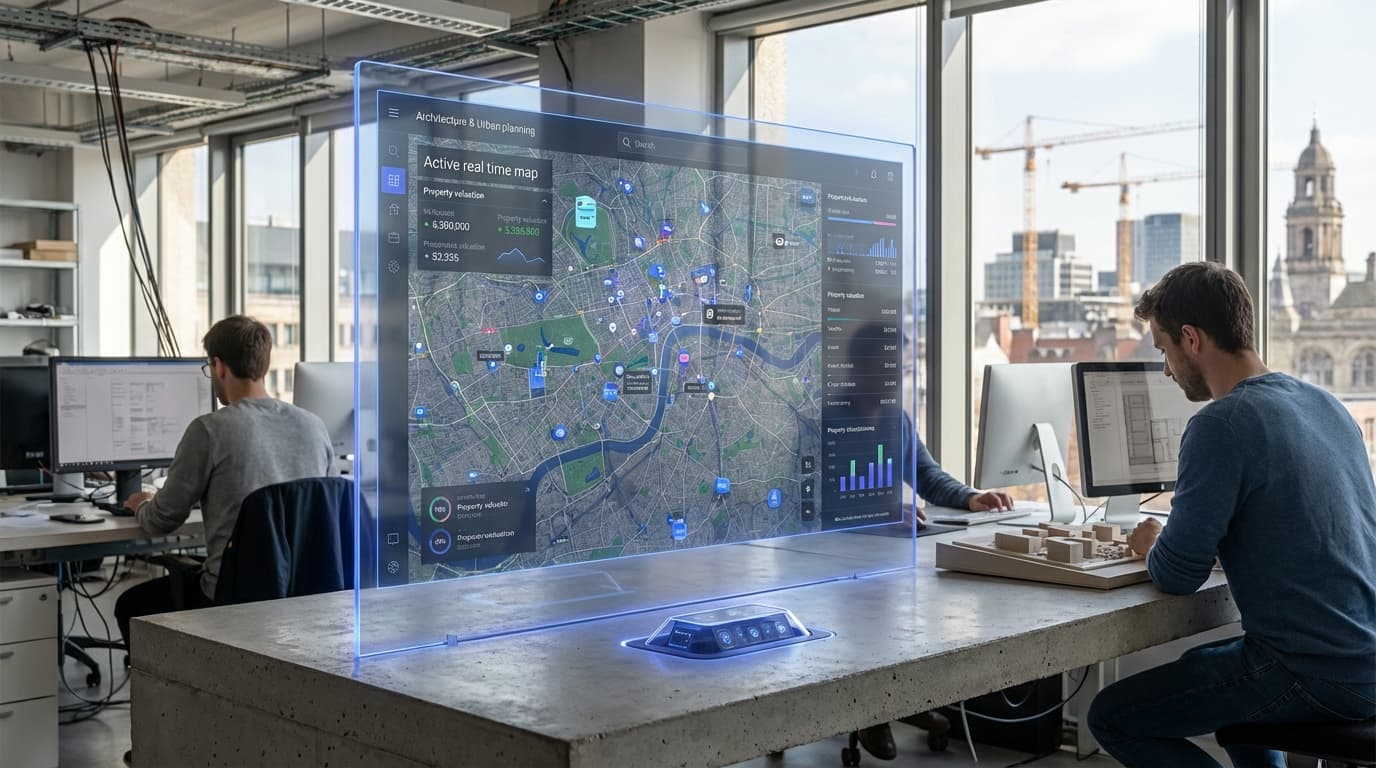
Machine learning algorithms for real-time, high-precision asset appraisal.
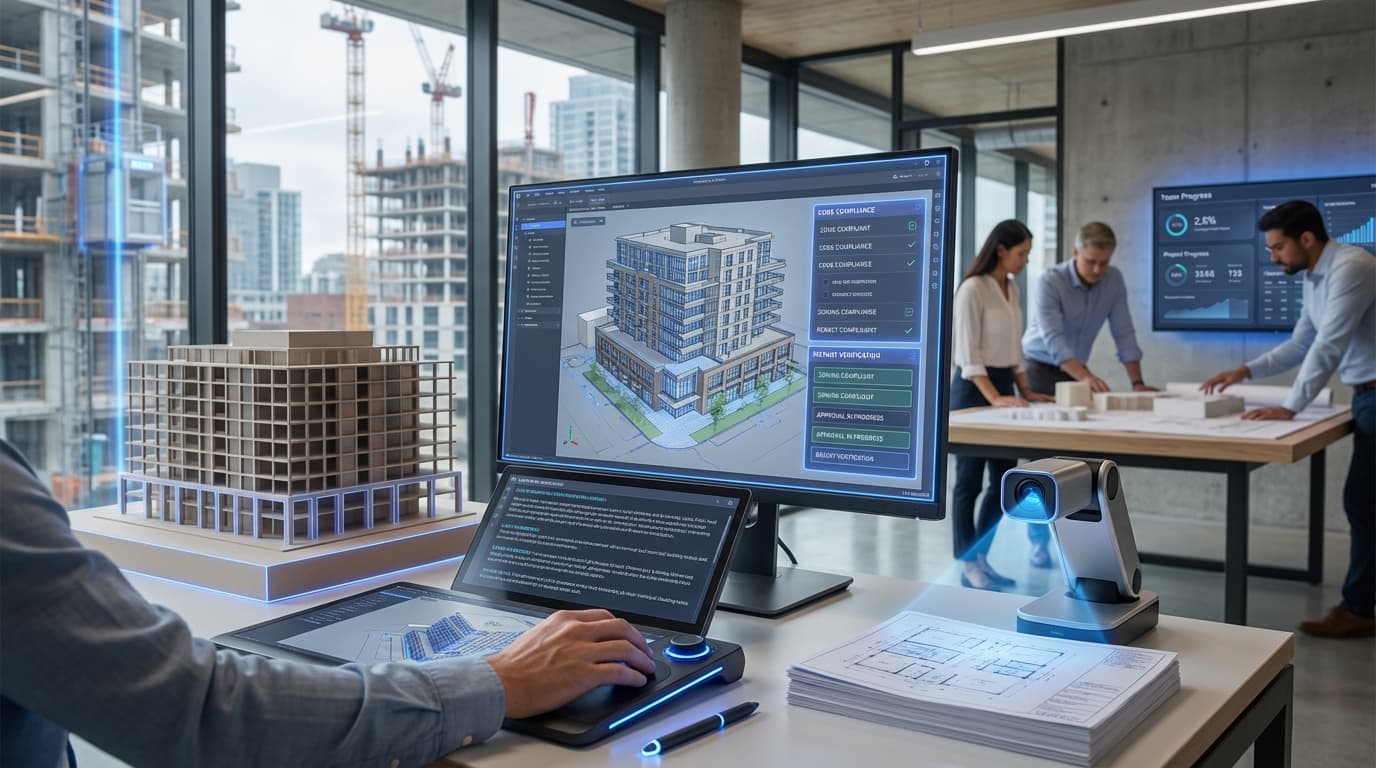
AI systems that instantly verify architectural plans against local zoning codes.
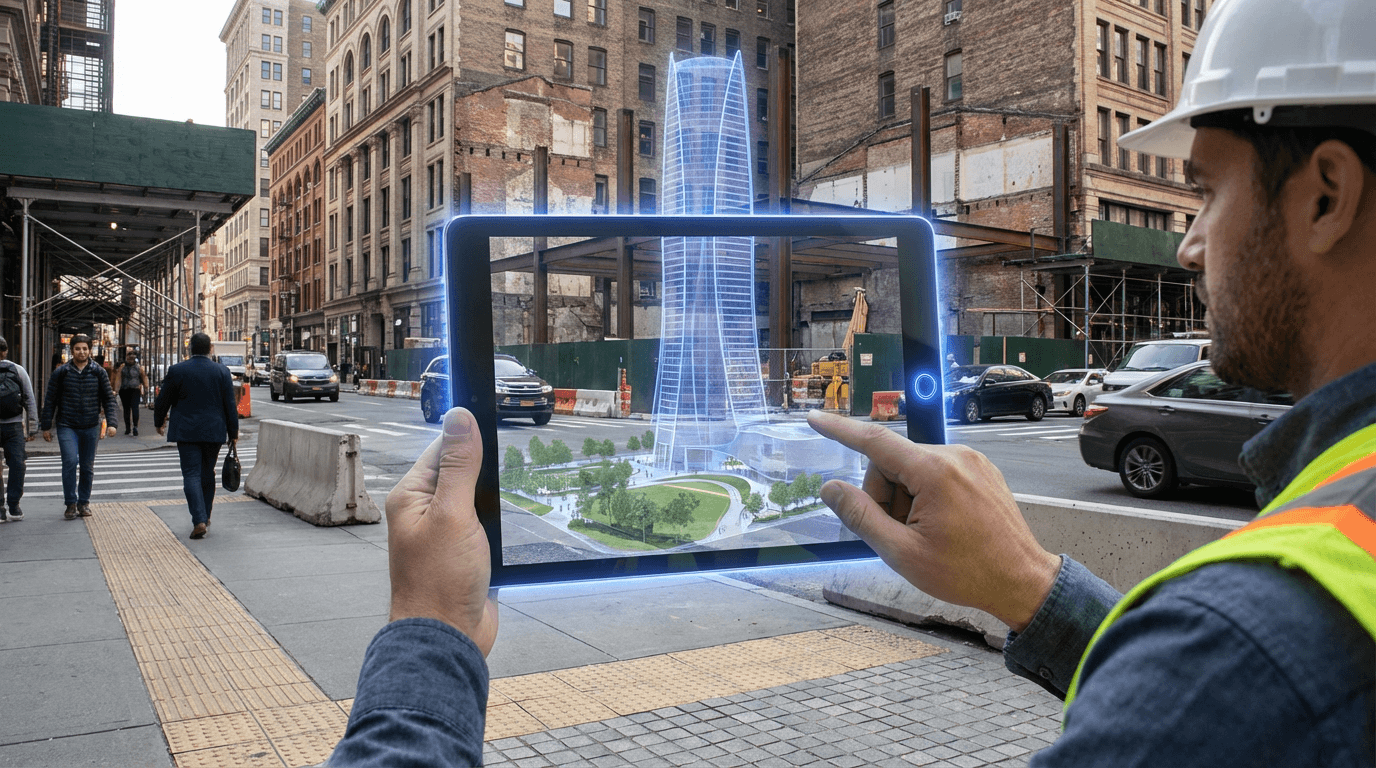
Augmented reality tools for in-situ visualization of future infrastructure.
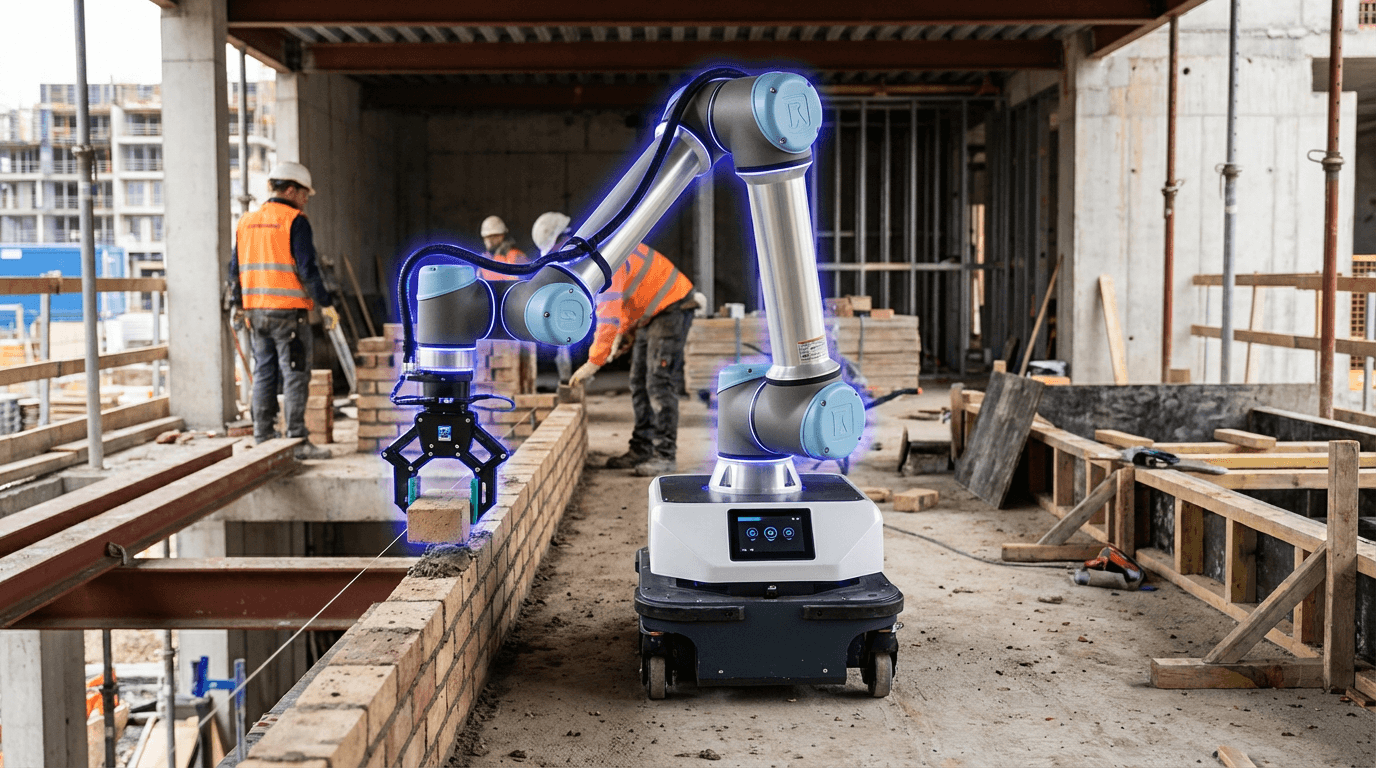
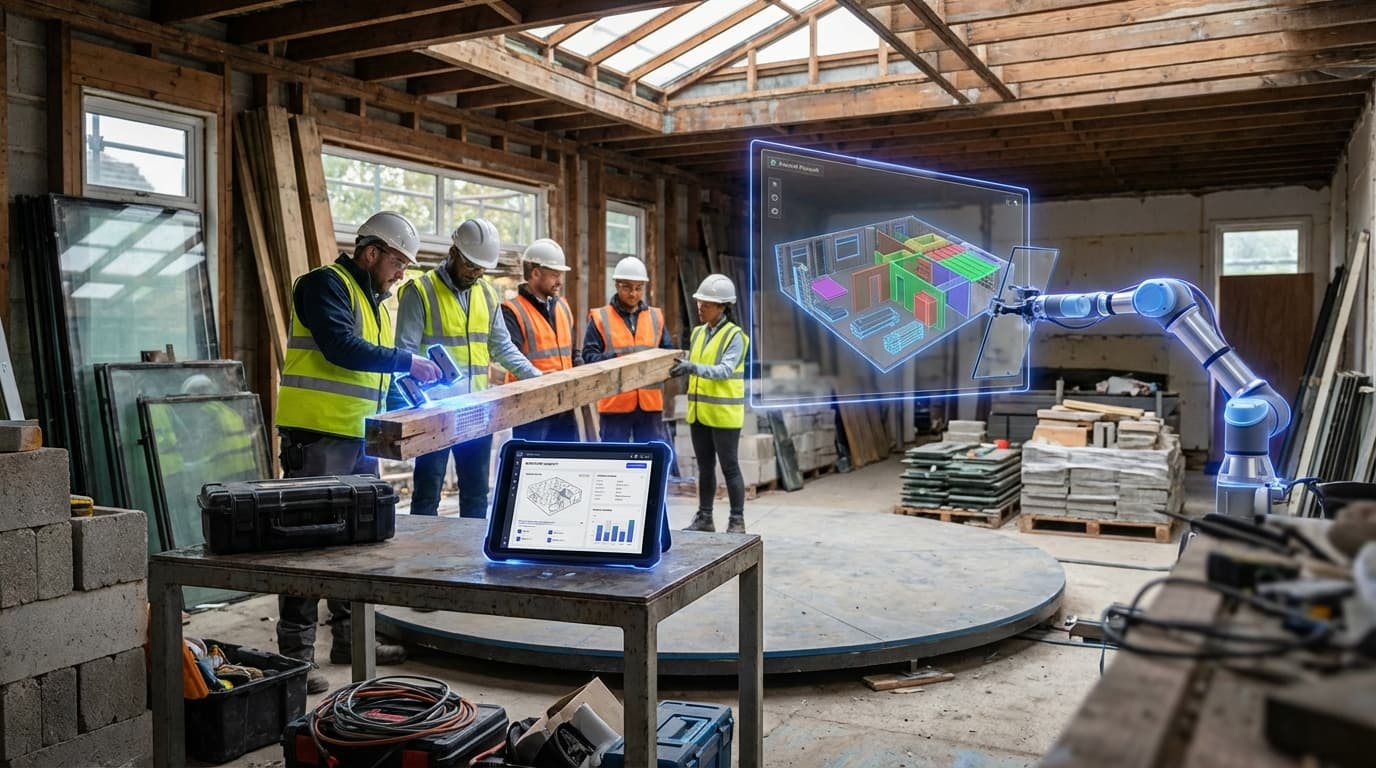
Robotic systems for automated bricklaying, welding, and material handling.
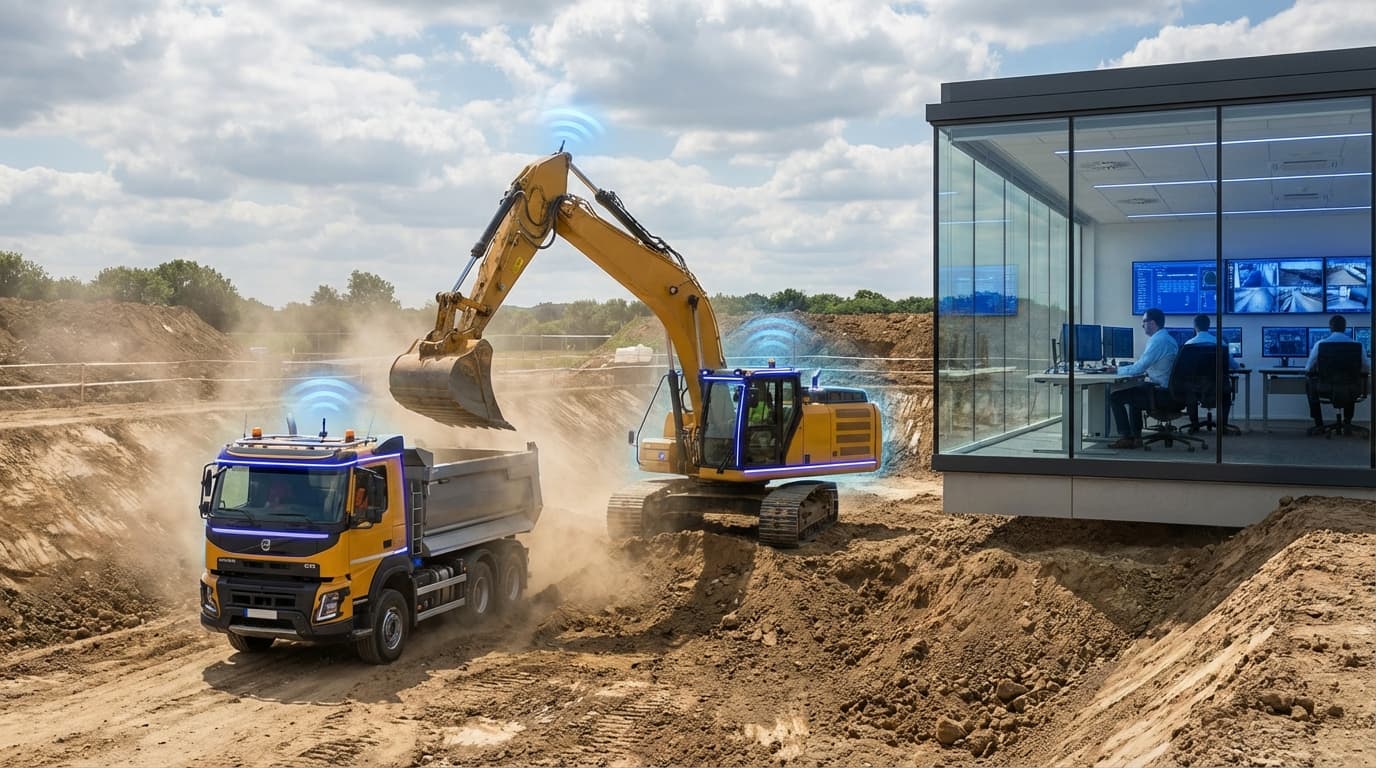
Self-driving excavators, trucks, and loaders orchestrated from central control rooms.
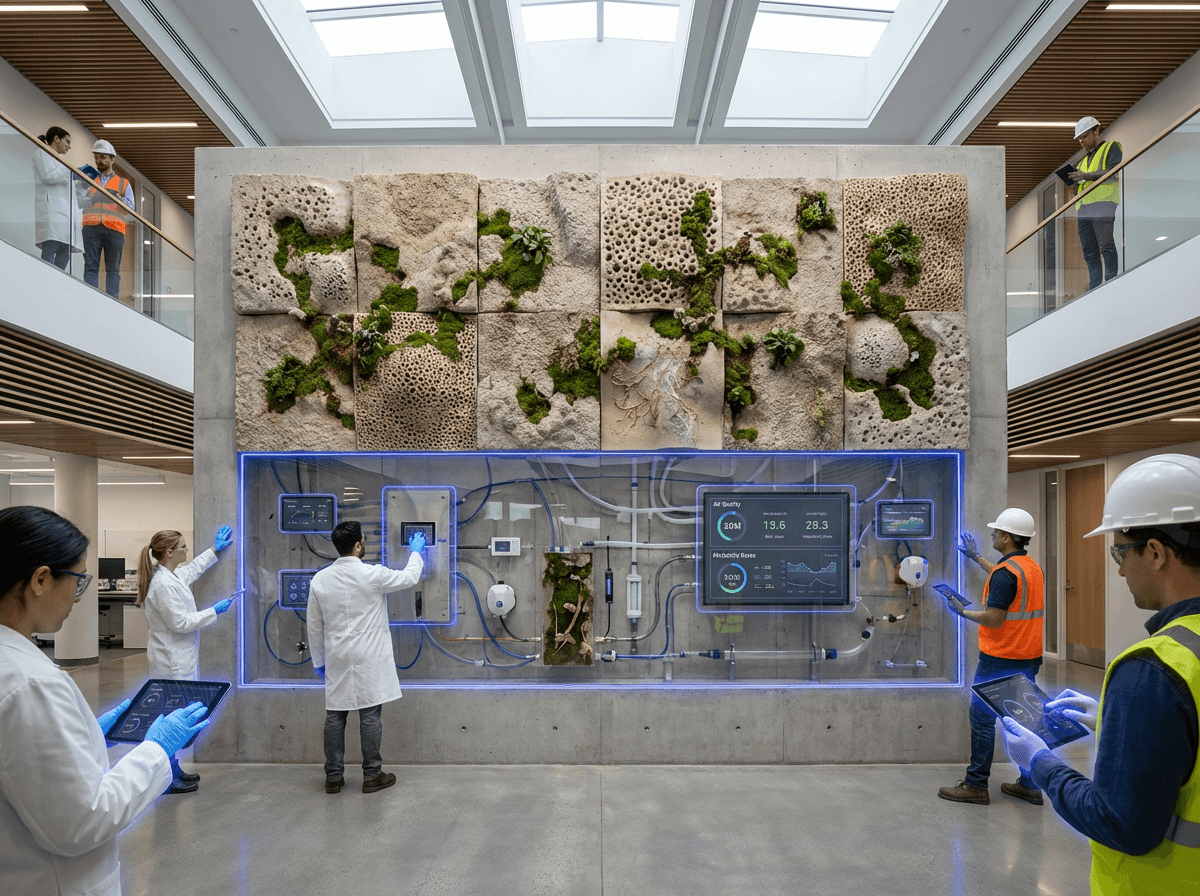
Architectural surfaces designed to host living organisms for air quality and biodiversity.
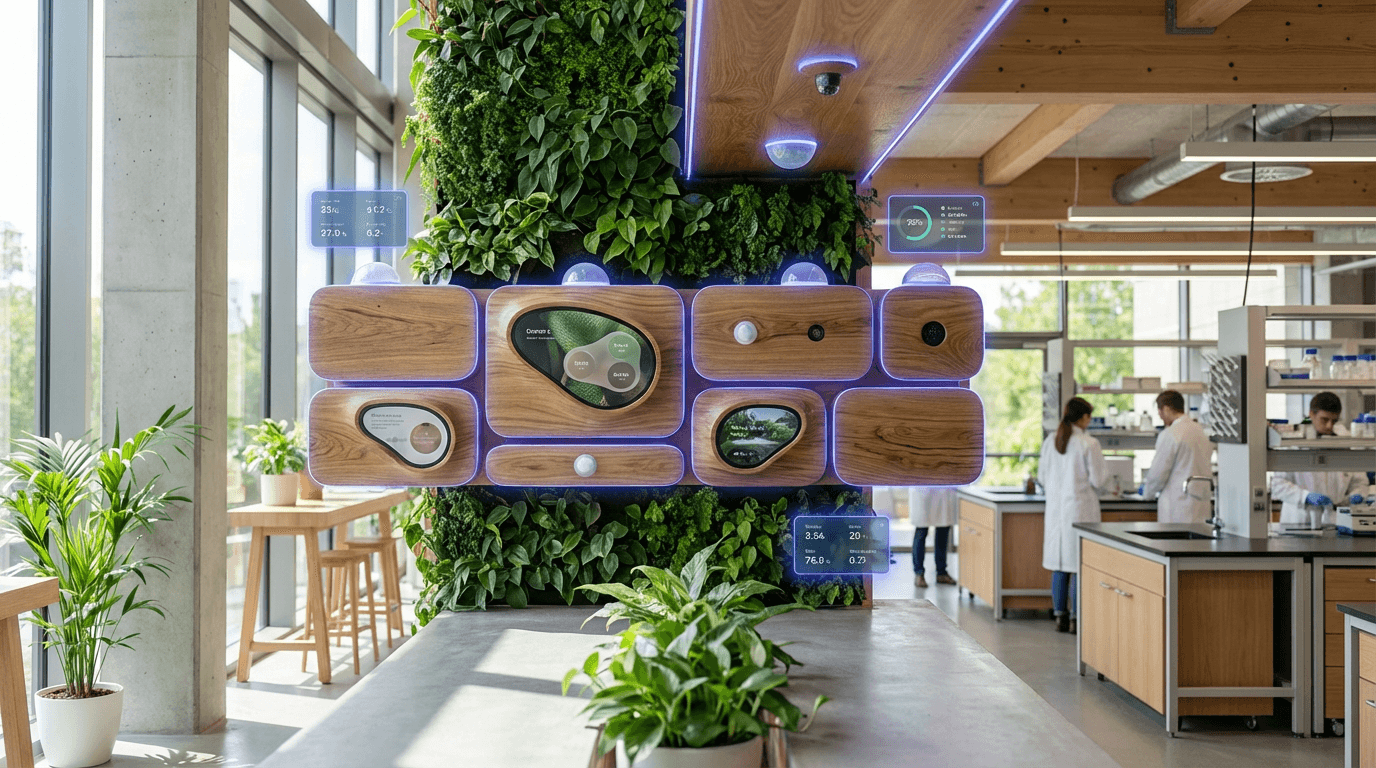
Environmental monitoring networks optimizing spaces for human health and wellbeing.
Self-executing contracts for transparent and automated real estate transactions.
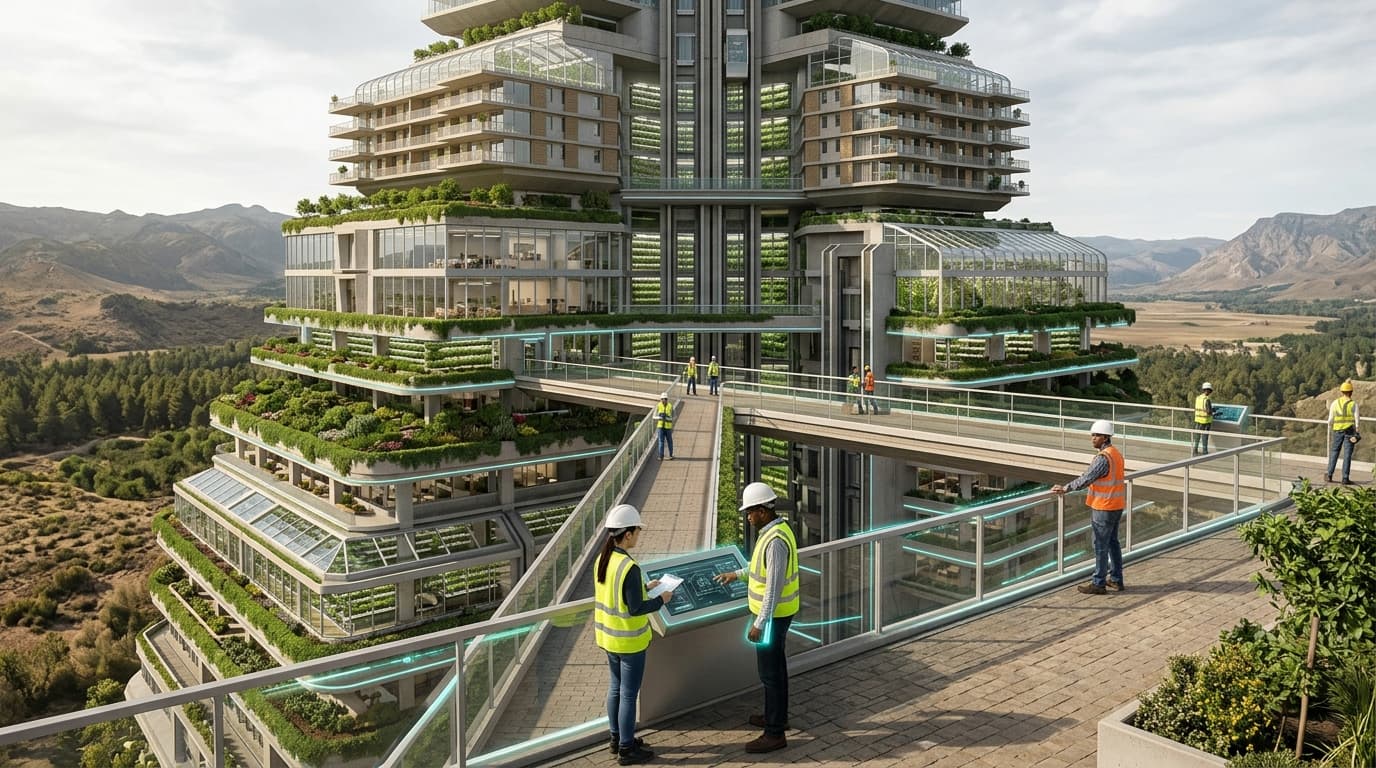
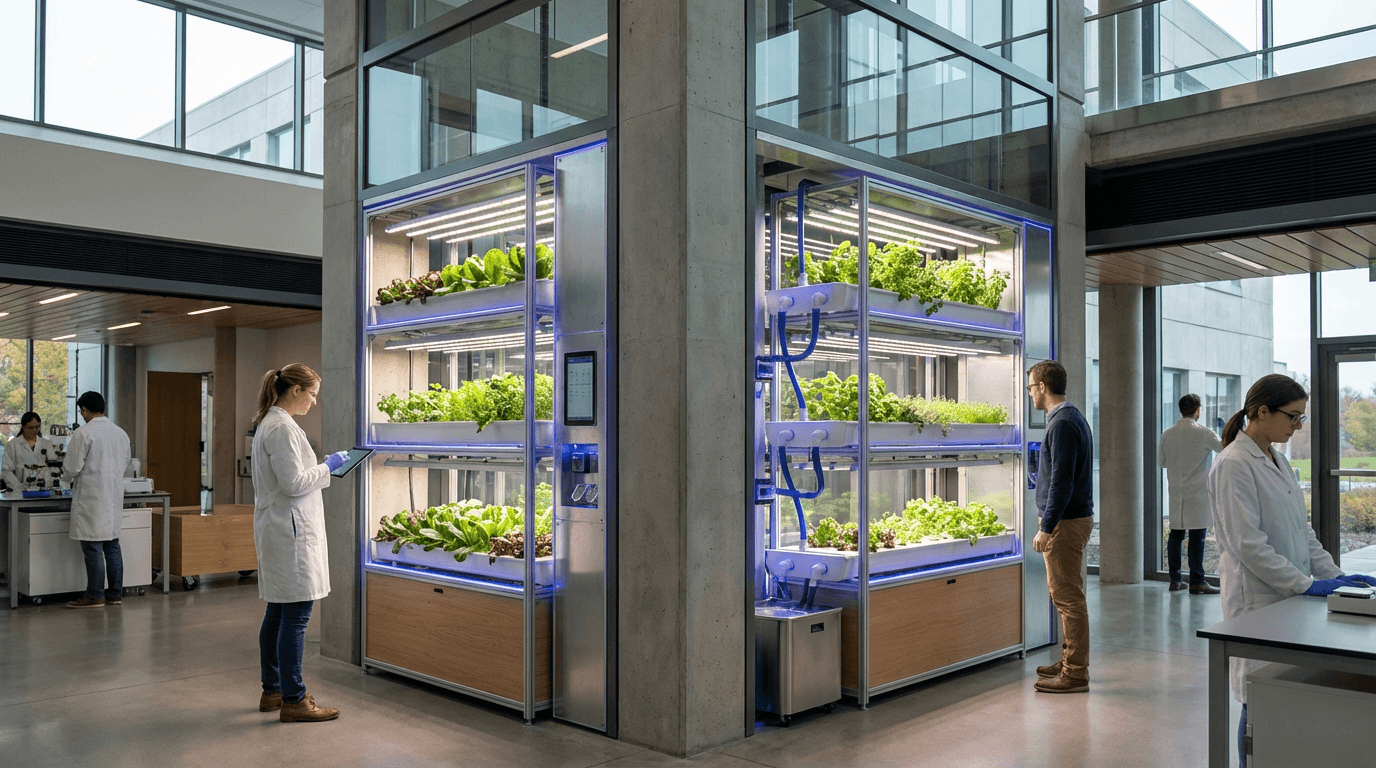
Vertical farms and hydroponic systems embedded in building architecture.
Digital marketplaces and material passports enabling deconstruction and reuse.
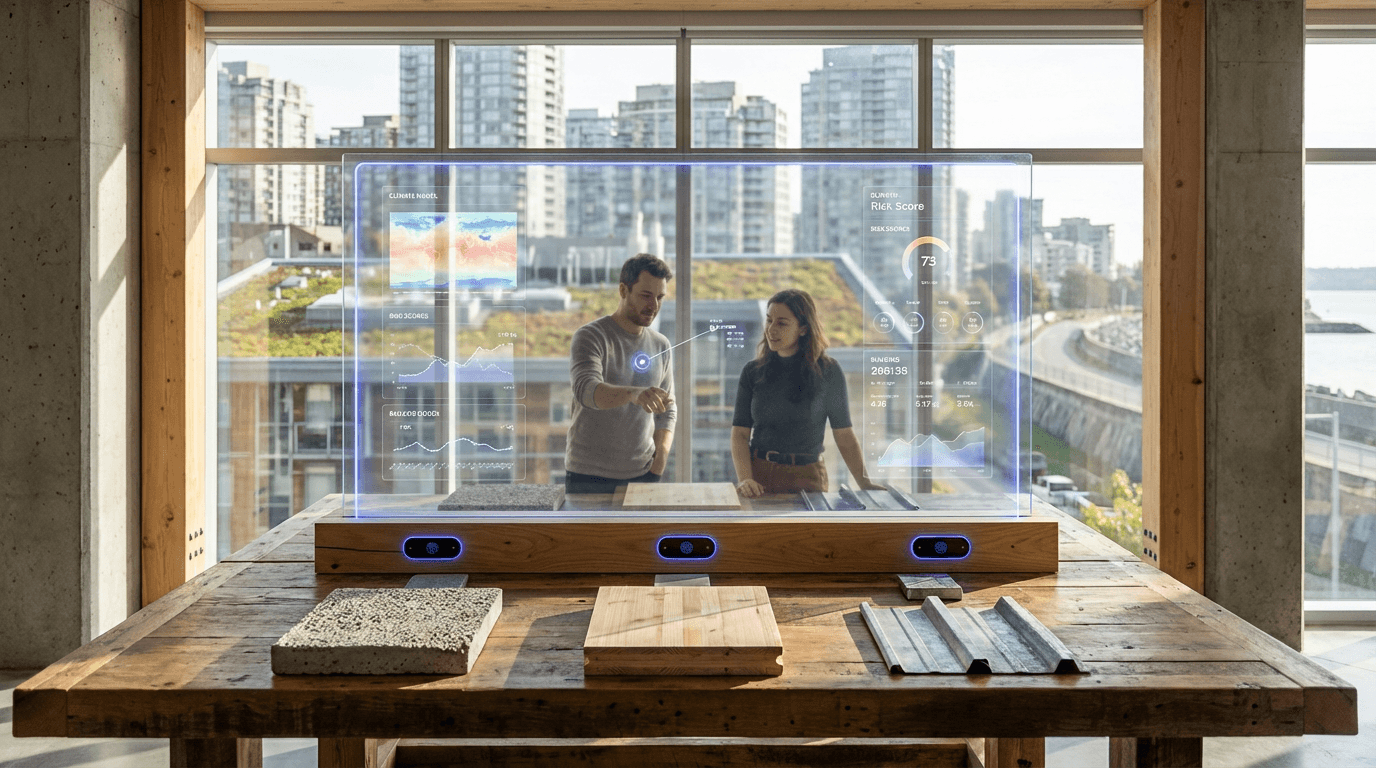
Asset-level climate risk scoring for resilient real estate portfolios.
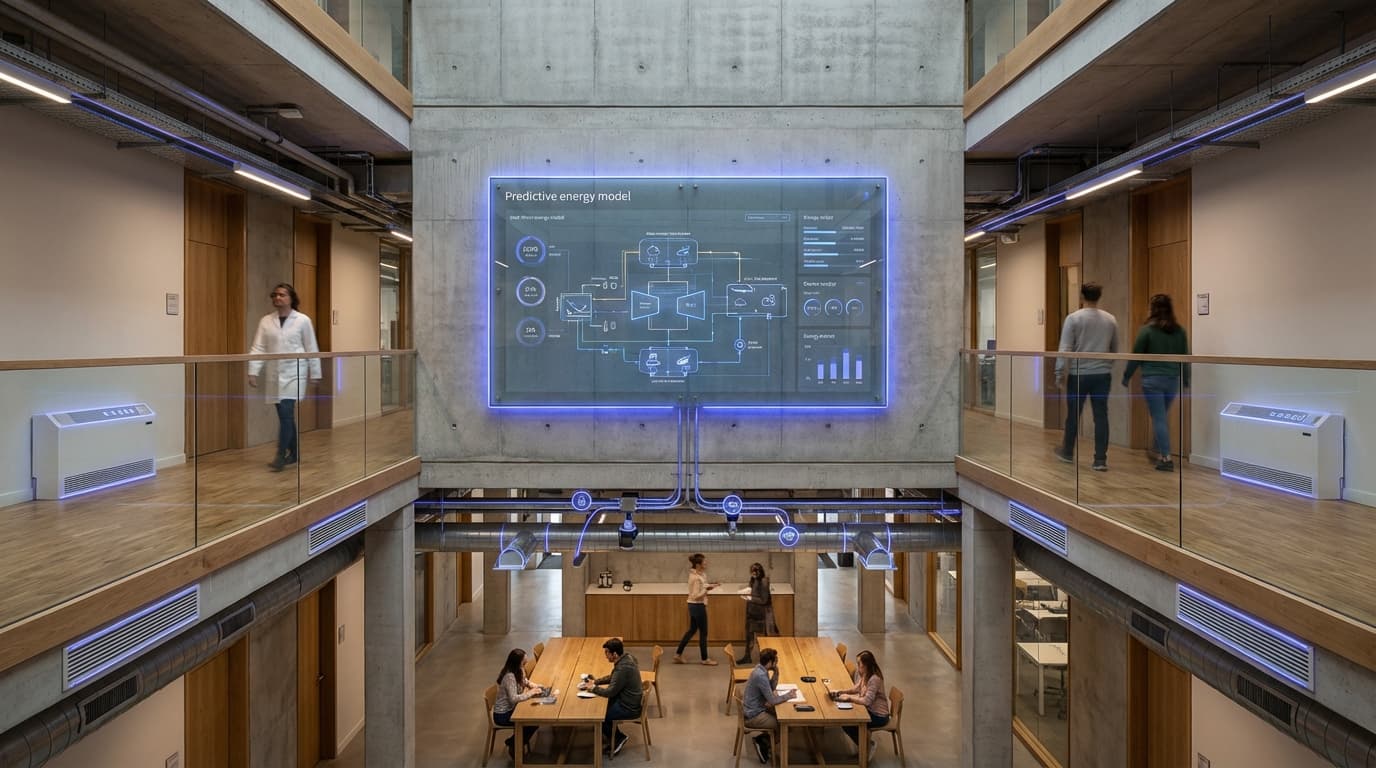
AI-driven building management systems for predictive climate and energy control.
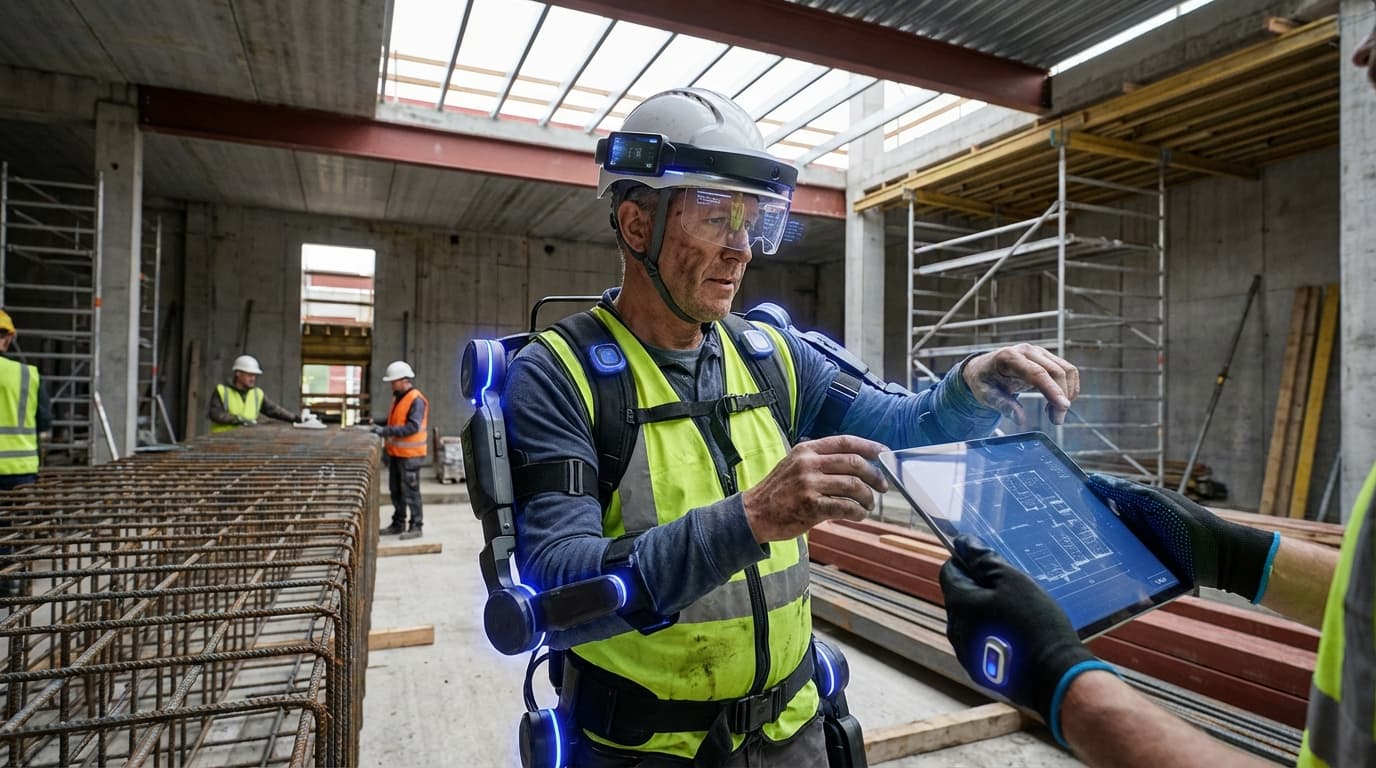
IoT wearables and exoskeletons enhancing worker safety and productivity.
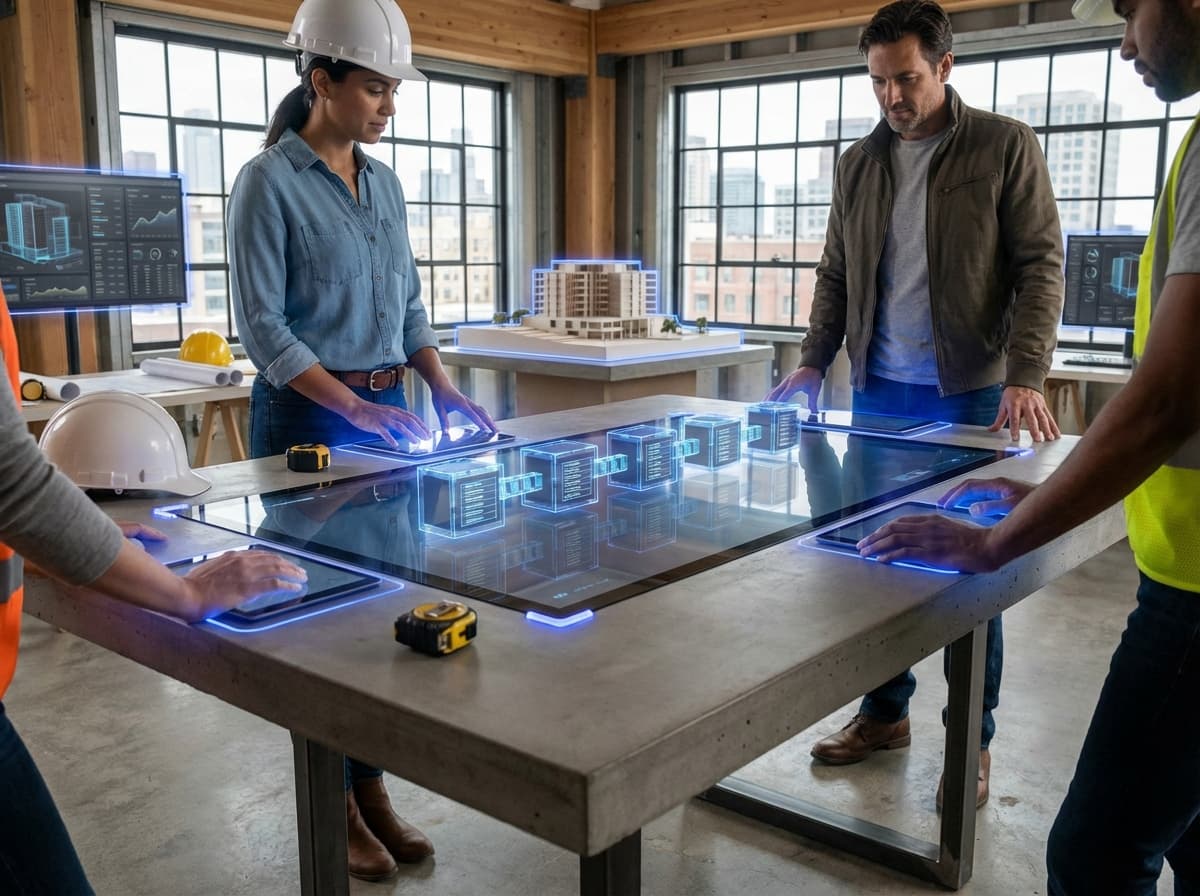
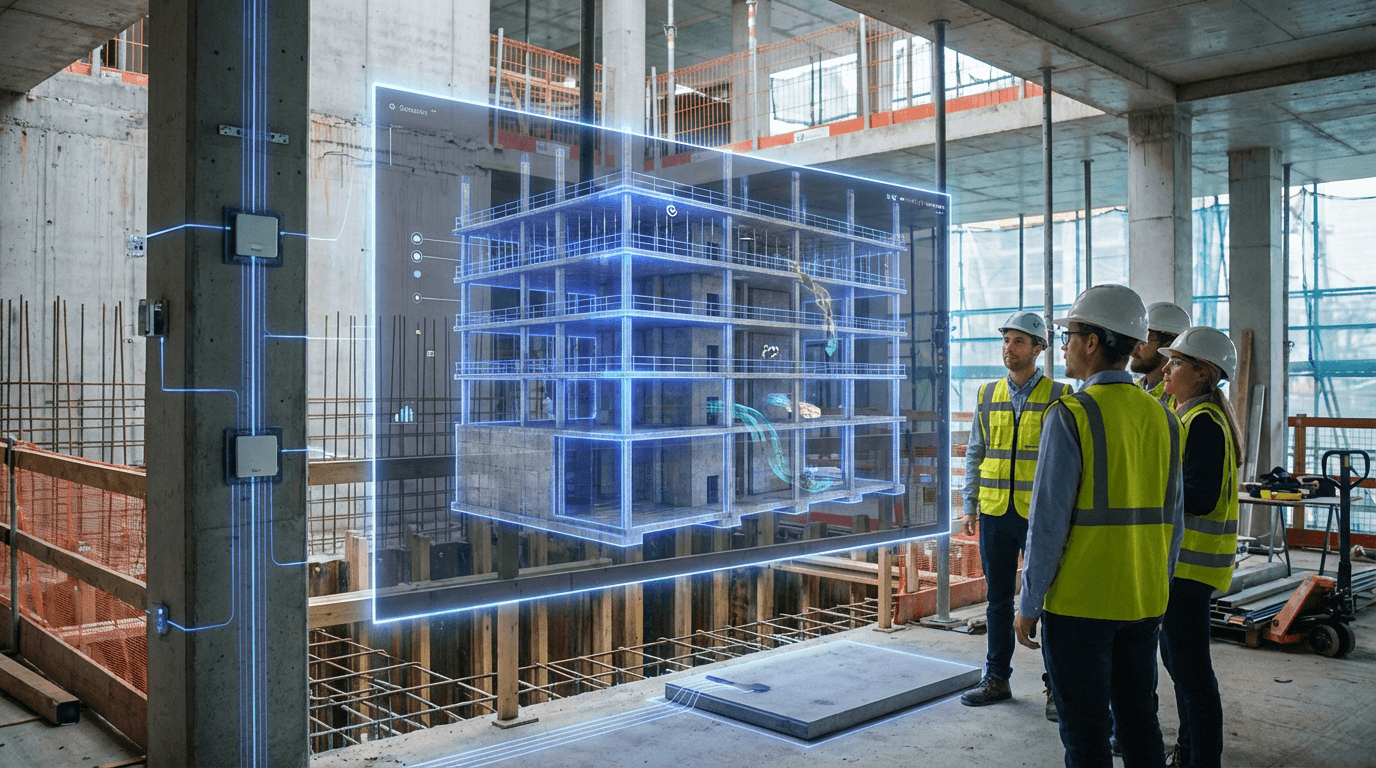
Live, simulation-ready replicas of construction projects during execution.
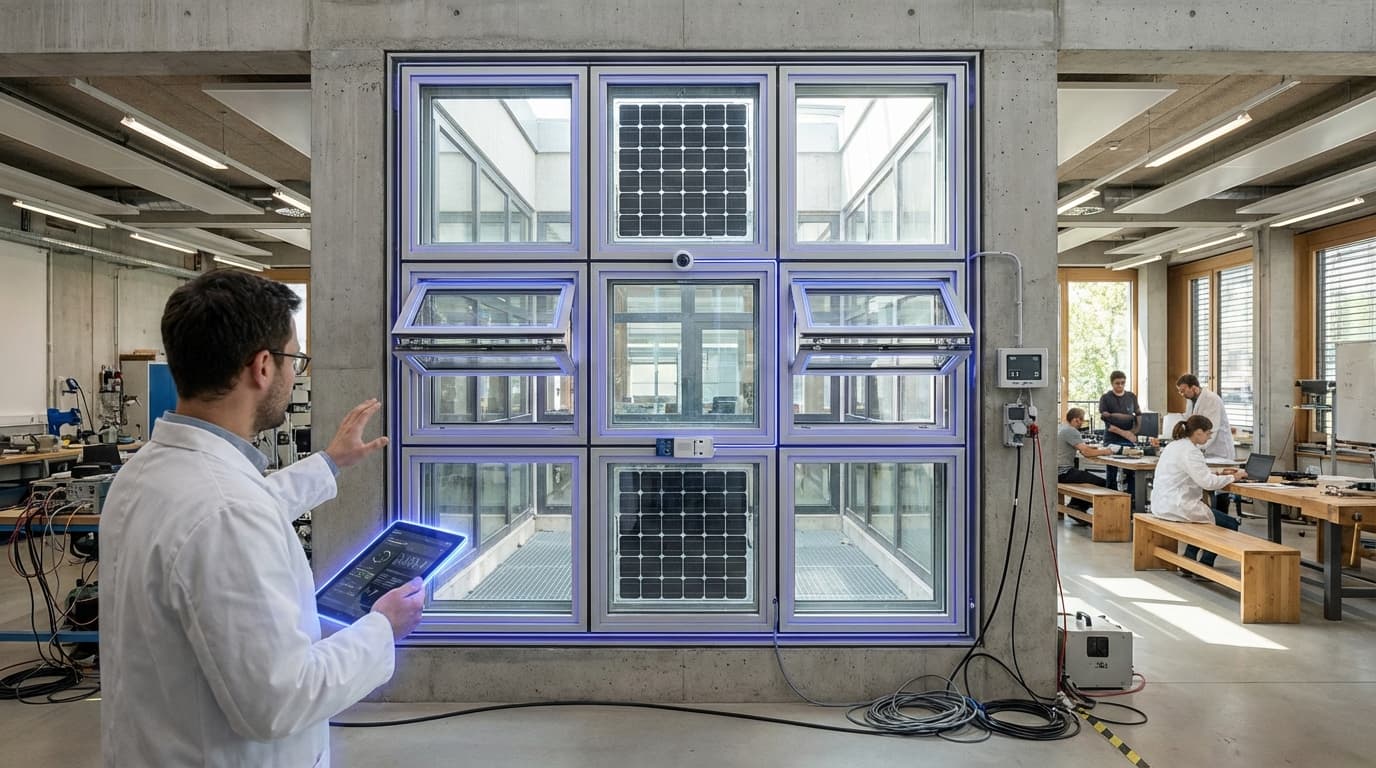
Building skins that generate power while regulating internal climate.
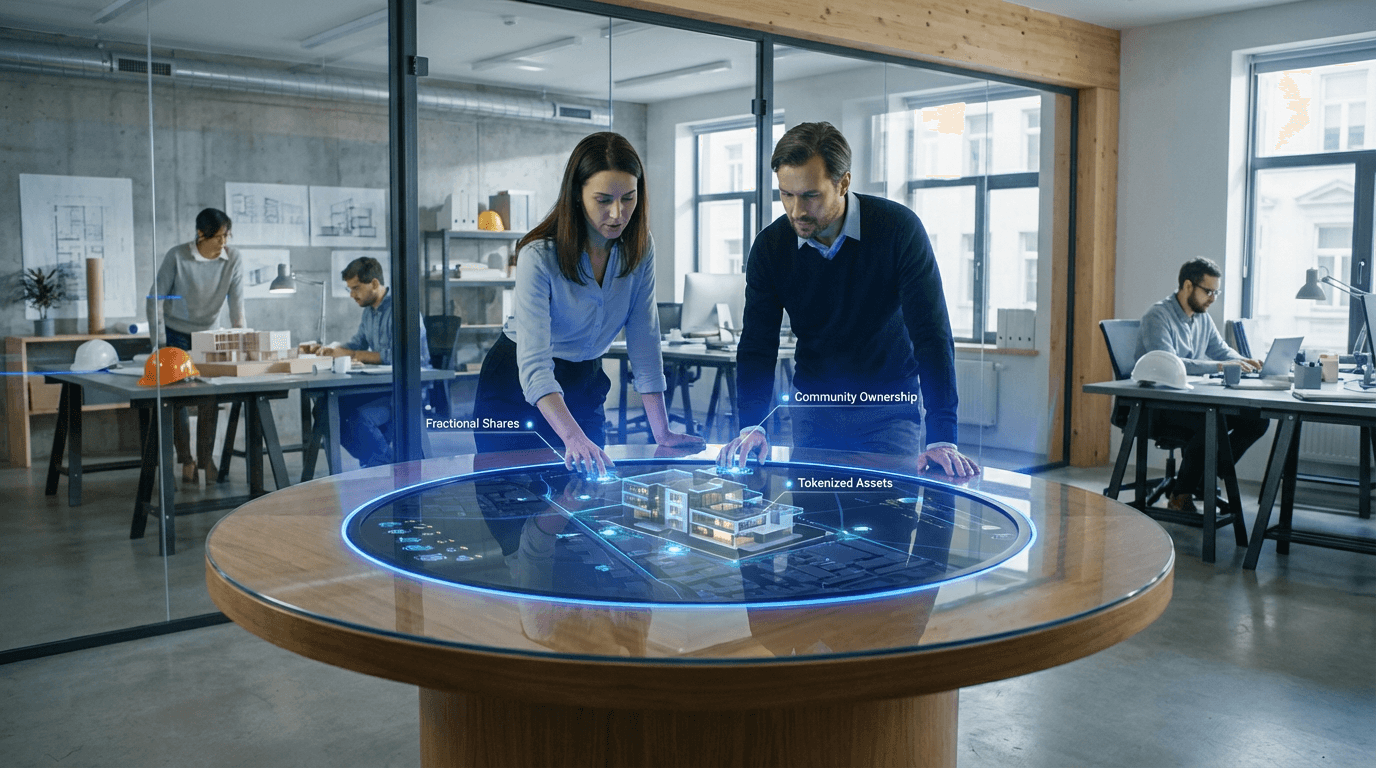
Tokenized real estate assets allowing democratized access to property ownership.
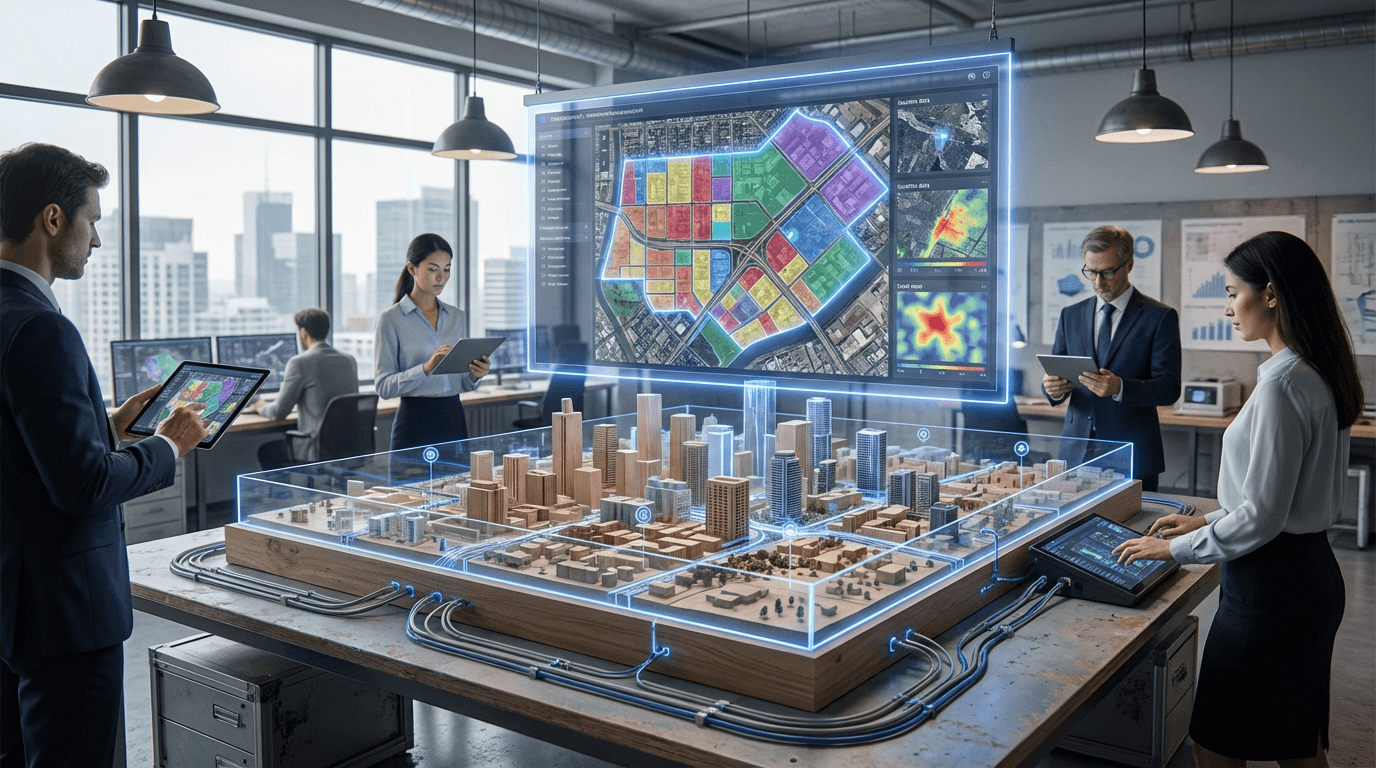
AI models creating optimized neighborhood layouts based on complex constraints.
Machine learning models extracting patterns from satellite and parcel data for zoning intelligence.
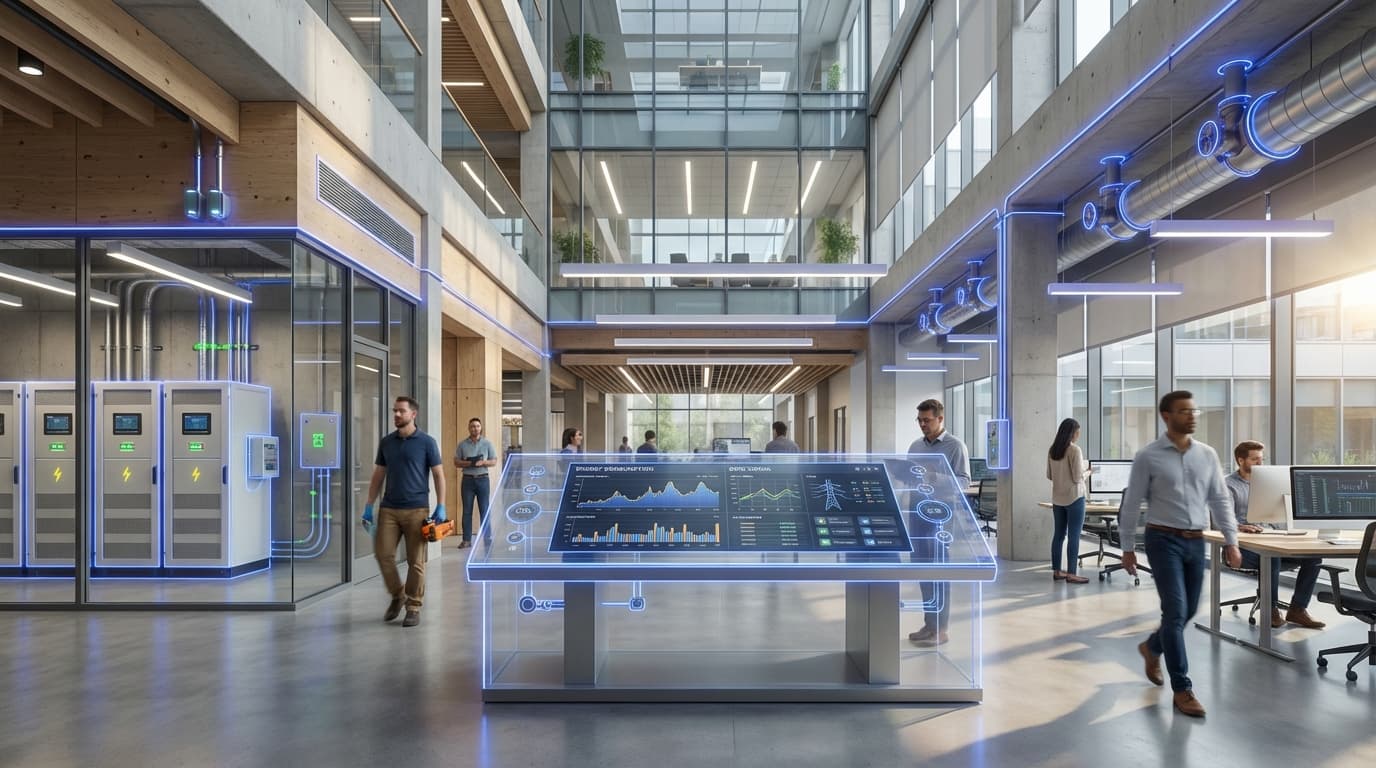
Buildings that flex electricity demand and storage in response to grid signals.
Sub-meter indoor location services for navigation, asset tracking, and analytics.
Novel concretes, bio-based composites, and modular systems cutting embodied carbon.
City-scale models optimizing multimodal mobility, curb space, and logistics flows.
On-site additive manufacturing for rapid structural fabrication.
Spaces that adjust lighting, sound, and layout based on real-time human biometric feedback.
Digital engagement tools bringing residents into spatial planning decisions at scale.
Unified data platforms aggregating property, transaction, and market intelligence.
Continuous site scanning linked to BIM for schedule and cost intelligence.
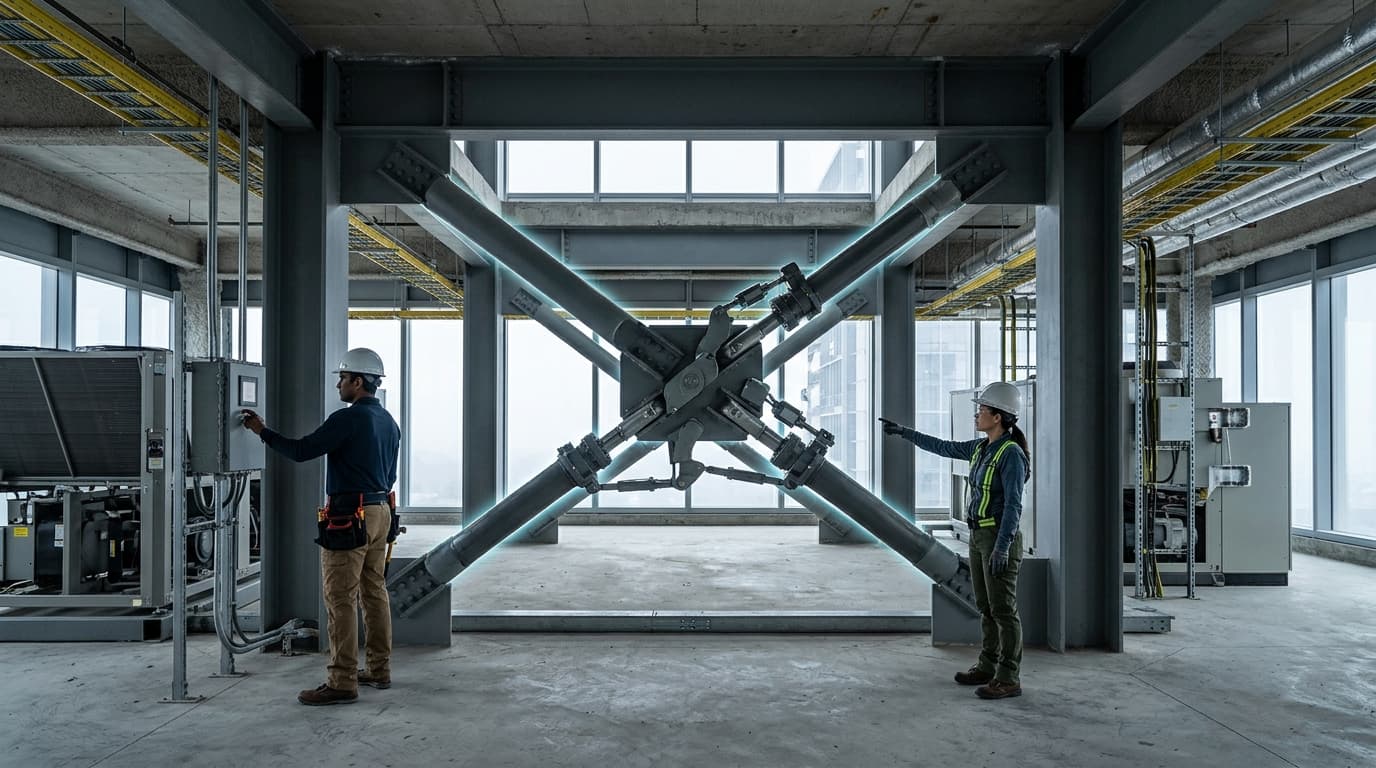
Concrete and composites that autonomously repair cracks and extend service life.
Preconfigured hardware–software kits to modernize legacy building stock at scale.
Integrated identity, access, and surveillance systems for adaptive building security.
Intelligent water monitoring and management for conservation and resilience.
Dynamic allocation and pricing of space across hybrid and flexible portfolios.
AI-driven mobile hubs integrating access, services, and community for occupants.
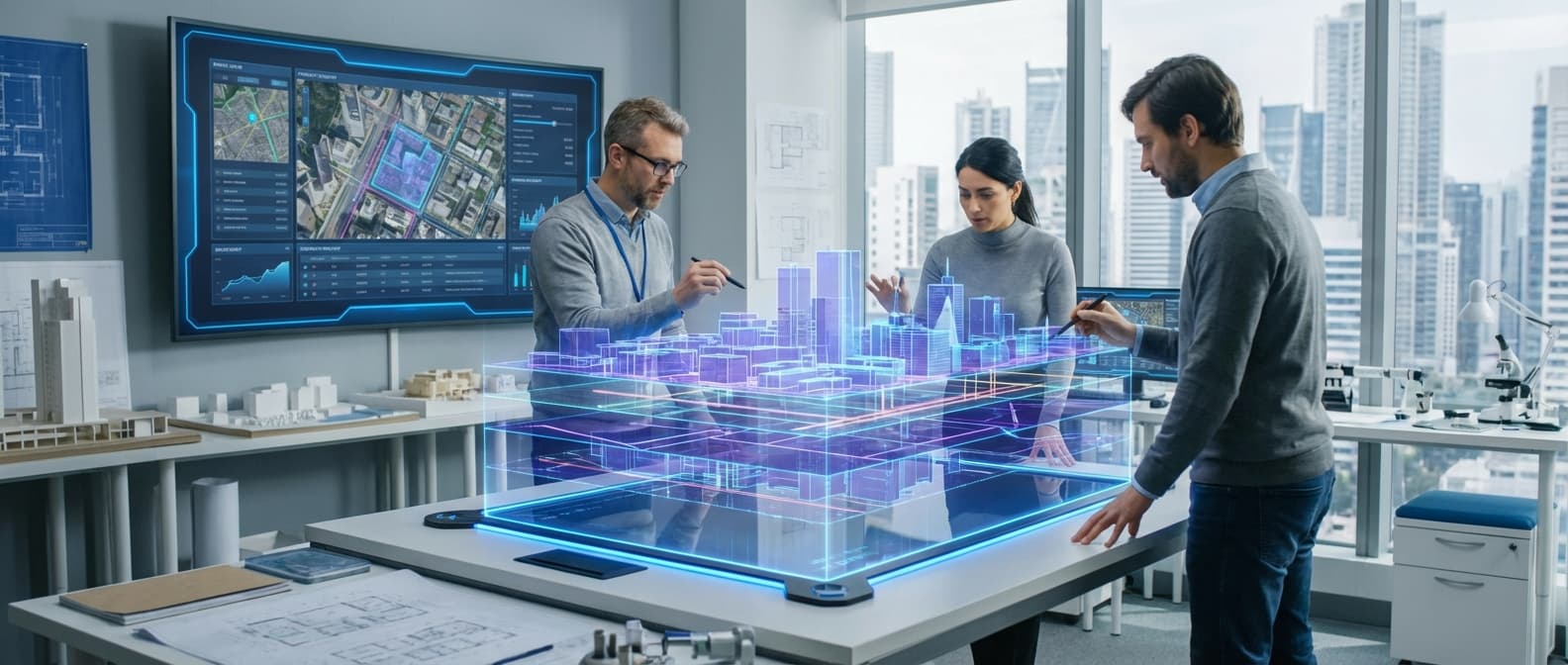
City-scale virtual replicas for real-time simulation and scenario planning.
Infrastructure nodes designed for electric vertical takeoff and landing (eVTOL) aircraft.