Shared Facilities Management Systems
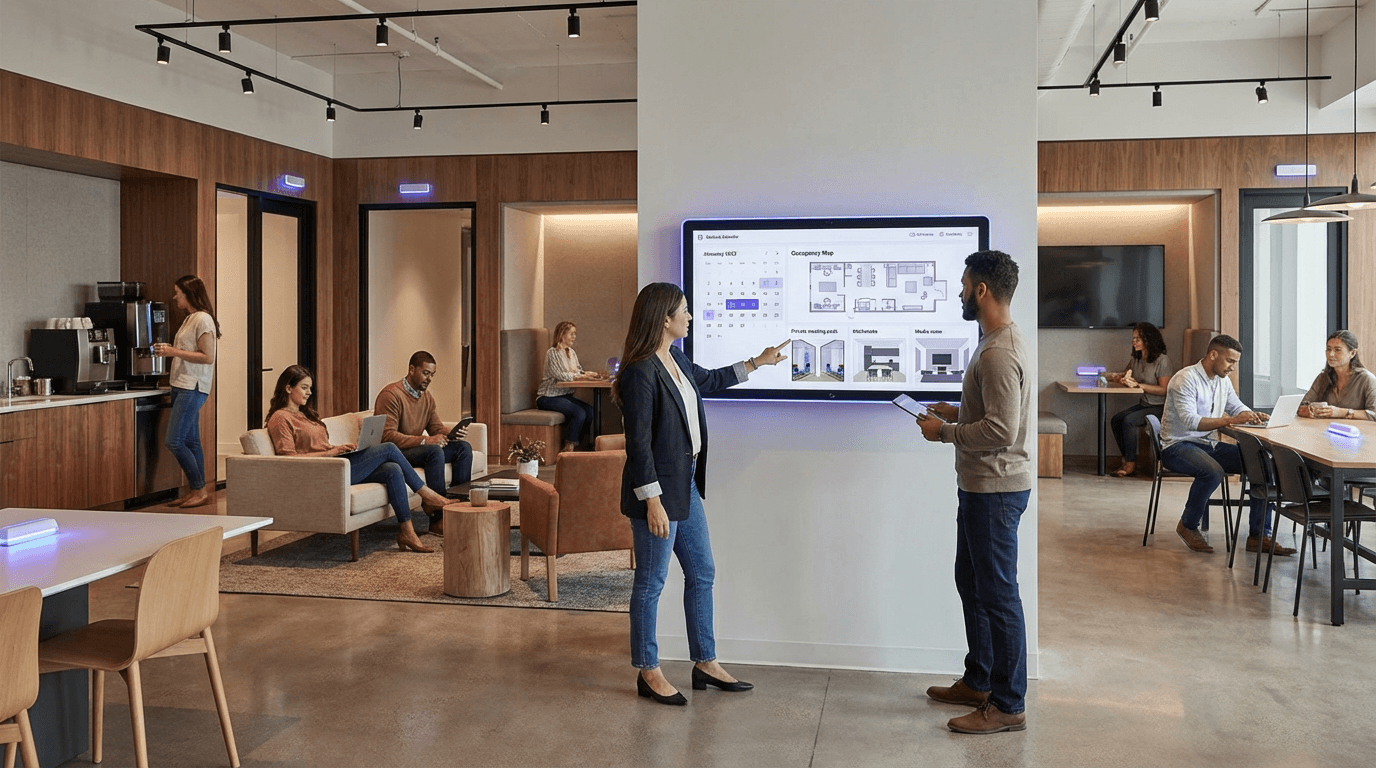
Shared facilities management systems represent a technological response to the evolving nature of residential living, particularly in multi-unit developments where communal amenities have become central to the value proposition. These platforms combine real-time booking interfaces, occupancy sensors, access control integration, and data analytics to coordinate the use of shared spaces such as fitness centers, co-working areas, guest suites, rooftop terraces, and community kitchens. The underlying architecture typically involves cloud-based software that connects to physical infrastructure through IoT sensors and smart locks, enabling automated access management and usage tracking. Residents interact with these systems through mobile applications or web portals, where they can view availability calendars, reserve time slots, and receive notifications about their bookings. The platforms employ algorithms that monitor usage patterns, detect peak demand periods, and can implement dynamic pricing or priority systems to distribute access more equitably across the resident population.
The proliferation of these systems addresses several critical challenges in modern residential property management. Traditional paper-based or manual booking systems often lead to double-bookings, underutilization of expensive amenities, and disputes among residents over access rights. Property developers and managers face pressure to differentiate their offerings in competitive markets while maximizing return on investment in shared infrastructure. Research suggests that well-managed amenity spaces can significantly increase property values and resident retention rates, yet without proper coordination tools, these spaces often sit empty during off-peak hours while experiencing congestion during popular times. Shared facilities management platforms solve these inefficiencies by providing transparent visibility into usage patterns, enabling managers to identify which amenities deliver the most value and which might require operational adjustments. The data generated by these systems also supports more informed decisions about future amenity investments and helps justify maintenance budgets by demonstrating actual utilization rates rather than relying on anecdotal evidence.
Early deployments of these platforms have been concentrated in luxury residential developments, student housing complexes, and co-living spaces, where shared amenities form a core part of the living experience. Industry analysts note growing adoption in conventional apartment buildings as property managers recognize the competitive advantage of technology-enabled community features. Some systems have expanded beyond simple booking to incorporate community engagement features, allowing residents to organize events, form interest groups, or coordinate shared resources like tool libraries and car-sharing programs. The integration of these platforms with broader smart building systems points toward a future where residential facilities management becomes increasingly automated and responsive to resident behavior patterns. As urban housing density increases and developers seek to offer compelling amenities within space-constrained footprints, the ability to maximize utilization of every square meter of common space through intelligent management systems will likely become a standard expectation rather than a premium feature.
Related Organizations

BuildingLink
United States · Company
Provides property management software including amenity booking, package tracking, and resident communication.

Unified operating system and resident experience app for multifamily communities.

Workplace experience platform that connects tenants to the building's amenities and services.

A global tenant experience platform provider focusing on commercial real estate engagement.

Tenant experience platform that allows users to book common resources, pay for services, and engage with the community.

A comprehensive property management operating system with a dedicated Student Housing suite.

Investment and property management software for all types of real estate.

Holistic building experience platform combining occupancy analytics with a tenant app.
Supporting Evidence
Research this in Signals
Signals turns a topic into a sourced research record you can inspect and rerun. Your first scan is free, and this one starts with Shared Facilities Management Systems already loaded, so edit it or scan as is.