Circular Construction Platforms
The construction industry faces a mounting challenge: buildings generate approximately 40% of global waste, while simultaneously consuming vast quantities of virgin materials with significant embodied carbon. Traditional linear construction models—where materials flow from extraction through manufacturing, construction, and ultimately to landfill—are increasingly unsustainable both economically and environmentally. Circular construction platforms emerge as a digital infrastructure solution to this systemic problem, fundamentally reimagining how building materials are tracked, valued, and reused across their lifecycles. These platforms function as comprehensive ecosystems that combine material passports, digital marketplaces, and deconstruction planning tools to enable what industry observers call "buildings as material banks."
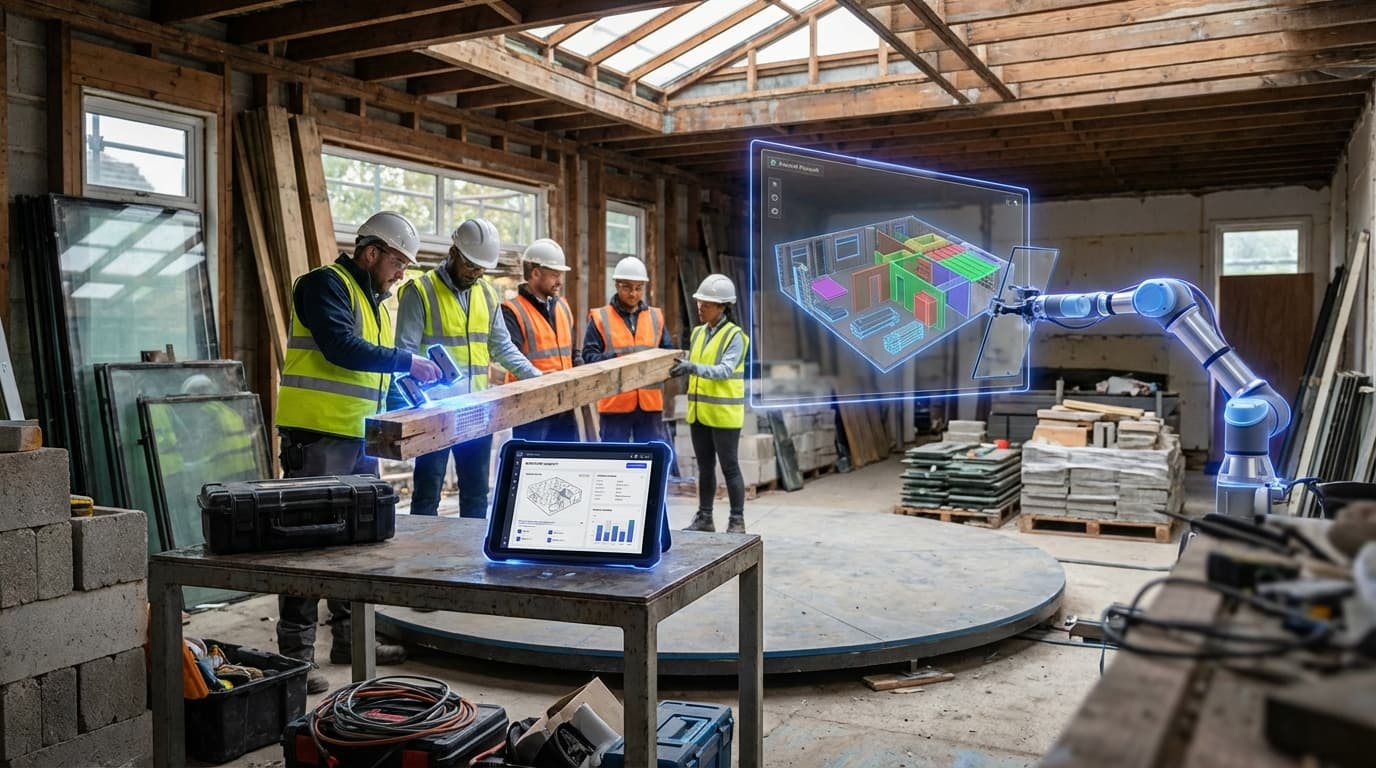
At their technical core, circular construction platforms create detailed digital identities for building components and materials, documenting everything from chemical composition and structural properties to current condition and precise location within a structure. These material passports travel with components throughout their useful lives, creating transparency that was previously impossible in construction supply chains. When integrated with building information modeling systems, the platforms enable architects and demolition specialists to plan selective deconstruction rather than wholesale demolition, identifying which materials retain sufficient value and integrity for reuse. The marketplace functionality then connects suppliers of reclaimed materials with buyers seeking alternatives to virgin resources, complete with verified quality data and chain-of-custody documentation. This digital infrastructure transforms what was once considered demolition waste into catalogued inventory with measurable residual value.
Early implementations of these platforms are already demonstrating measurable impact in European markets, where regulatory frameworks increasingly mandate material tracking and reuse targets. Construction firms report that access to verified secondary materials can reduce both costs and carbon footprints for specific building elements, particularly for structural steel, timber, and architectural fixtures that retain value across multiple lifecycles. The platforms also support emerging business models, including material-as-a-service arrangements where building components are leased rather than sold, ensuring their eventual recovery and reuse. As embodied carbon becomes a more significant factor in building regulations and corporate sustainability commitments, circular construction platforms represent essential infrastructure for transitioning the built environment from a linear consumption model to a regenerative system. The technology's trajectory suggests that material passports may eventually become as fundamental to construction as building permits, fundamentally reshaping how the industry sources, values, and manages physical resources.
Research this in Signals
Signals turns a topic into a sourced research record you can inspect and rerun. Your first scan is free, and this one starts with Circular Construction Platforms already loaded, so edit it or scan as is.