Self-healing materials
Self-Healing Materials
Materials that autonomously repair structural damage to extend infrastructure lifespan
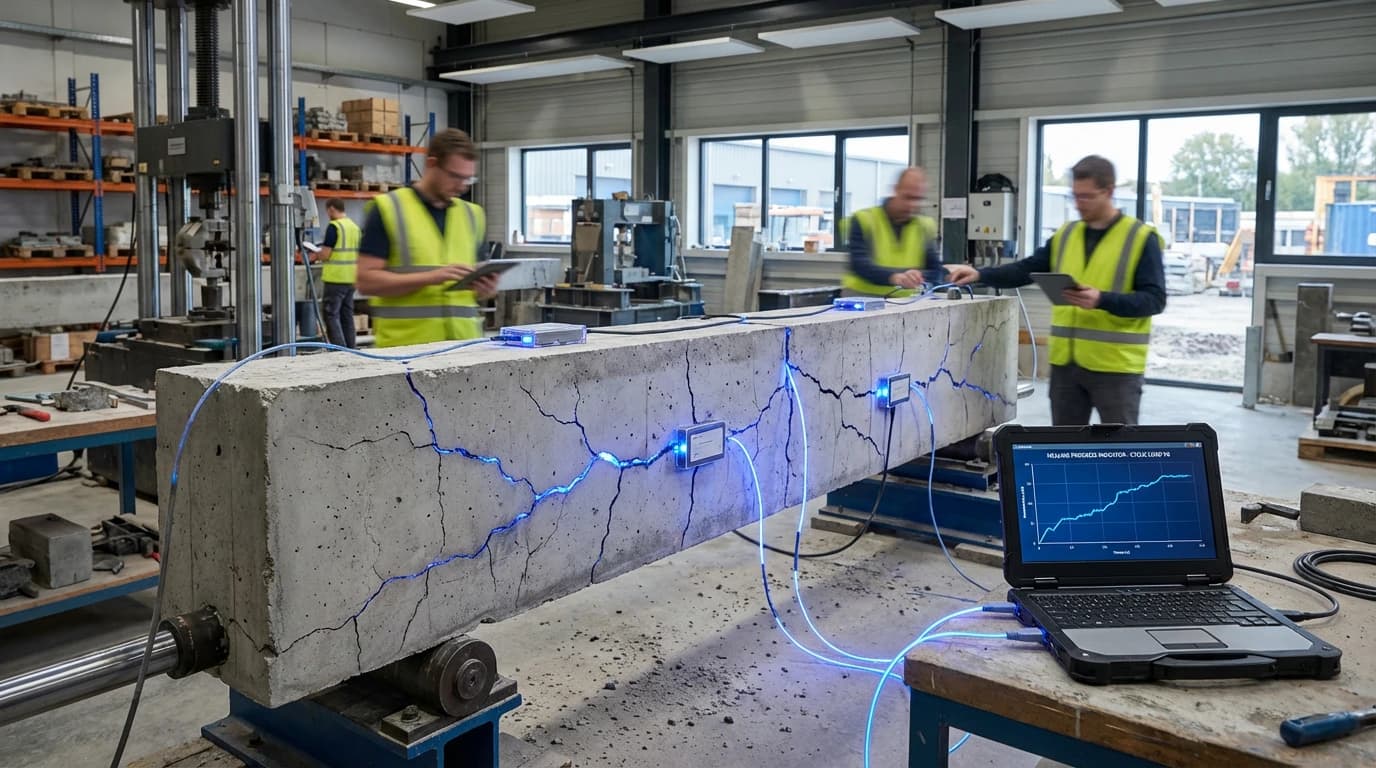
The built environment faces a persistent challenge: structural degradation. Concrete, the world's most widely used construction material, is inherently prone to cracking due to thermal stress, mechanical loads, and environmental exposure. These micro-cracks, if left unaddressed, allow water and corrosive agents to penetrate deeper into structures, accelerating deterioration and compromising structural integrity. Traditional approaches to infrastructure maintenance rely on reactive repairs—costly, labor-intensive interventions that often occur only after significant damage has accumulated. Self-healing materials represent a paradigm shift in construction technology, embedding autonomous repair mechanisms directly into the material matrix itself. These advanced materials incorporate biological agents, chemical systems, or engineered networks that activate when damage occurs. In concrete applications, one prominent approach involves embedding dormant bacterial spores alongside calcium-based nutrients within the material. When cracks form and water infiltrates, the bacteria activate and produce limestone through metabolic processes, effectively sealing the fissure from within. Alternative systems employ microcapsules containing liquid healing agents that rupture upon crack formation, releasing polymers or resins that flow into voids and harden. More sophisticated designs incorporate vascular networks—hollow channels filled with repair compounds that distribute throughout the material when structural damage creates pressure differentials.
The implications for the construction industry are profound. Infrastructure maintenance represents a massive economic burden for municipalities and building owners, with aging bridges, roads, and buildings requiring constant monitoring and intervention. Self-healing materials address this challenge by extending service life and reducing the frequency of repairs, particularly in environments where access is difficult or dangerous—such as underwater foundations, high-rise exteriors, or remote infrastructure. Beyond cost savings, these materials enhance structural resilience and safety by preventing the progressive deterioration that leads to catastrophic failures. The technology also supports sustainability objectives by reducing the need for replacement materials and the carbon emissions associated with repair operations. Early research suggests that self-healing concrete could extend infrastructure lifespan by decades, fundamentally altering lifecycle cost calculations and enabling more durable construction in harsh climates or chemically aggressive environments. The approach also opens possibilities for thinner, lighter structural elements that maintain long-term performance despite reduced material volume.
Commercial adoption of self-healing materials is advancing from laboratory research toward real-world deployment, though widespread implementation remains in early stages. Pilot projects have demonstrated the technology's viability in specific applications, including parking structures, marine environments, and industrial facilities where conventional materials deteriorate rapidly. The construction industry is exploring various formulations optimized for different structural demands and environmental conditions, with bacterial concrete showing particular promise for water-retaining structures and underground applications. Current limitations include higher upfront material costs compared to conventional alternatives and the need for standardized testing protocols to verify long-term performance. However, as manufacturing processes scale and the technology matures, industry analysts note growing interest from infrastructure agencies seeking to reduce maintenance backlogs and improve asset management. The trajectory points toward integration with broader smart infrastructure initiatives, where self-healing capabilities combine with embedded sensors to create structures that not only repair themselves but also communicate their condition in real-time. This convergence positions self-healing materials as a cornerstone technology for resilient, low-maintenance built environments capable of adapting to climate change impacts and extended service demands.
TRL
2/9Theoretical
Impact
4/5
Investment
3/5
Category
Hardware
What was expected
Published forecasts about this technology, graded against what happened in Hindsight.
Self-Healing Concrete Uses Bacteria to Repair Damage
This page is broader than it.
Research this in Signals
Scan Self-Healing Materials for yourself.
Signals turns a topic into a sourced research record you can inspect and rerun. Your first scan is free, and this one starts with Self-Healing Materials already loaded, so edit it or scan as is.