Blockchain Smart Contracts
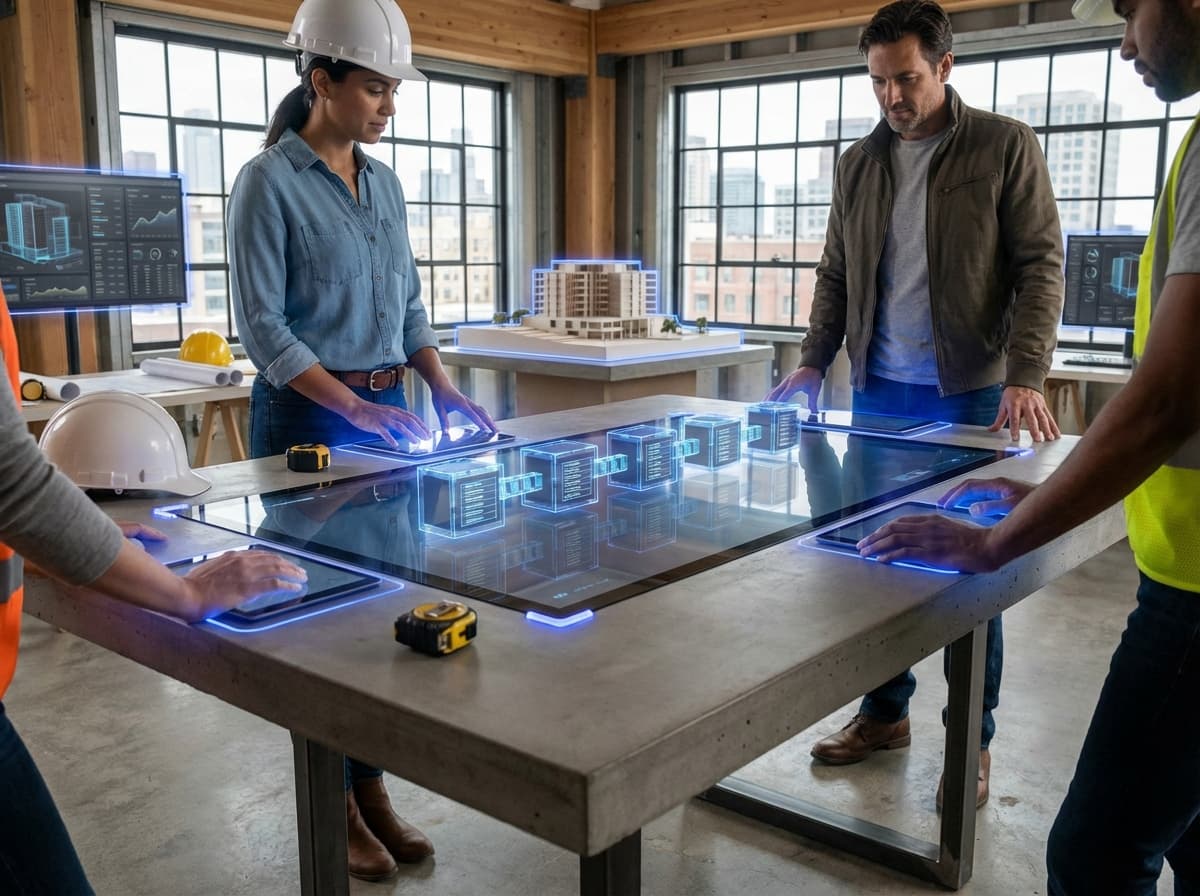
Blockchain smart contracts represent a fundamental shift in how real estate transactions are executed and recorded. At their core, these are self-executing digital agreements written in code and stored on a distributed ledger, where the terms of the contract are automatically enforced without requiring intermediaries. The technology operates through a decentralized network of computers that validate and record every transaction, creating an immutable chain of ownership and transaction history. When predetermined conditions are met—such as payment confirmation, inspection completion, or regulatory approval—the smart contract automatically executes the next step in the transaction process, whether that's releasing escrow funds, transferring property titles, or updating ownership records. This automation is powered by blockchain's cryptographic security, which ensures that once data is recorded, it cannot be altered or deleted, providing an unprecedented level of transparency and trust in property transactions.
The real estate industry has long grappled with inefficiencies that plague traditional property transactions: lengthy closing periods often stretching months, substantial legal and administrative fees, complex chains of intermediaries including brokers, escrow agents, title companies, and notaries, and persistent vulnerabilities to fraud and human error. Smart contracts address these challenges by eliminating many of the manual processes and intermediaries that slow transactions and increase costs. By automating verification, payment processing, and title transfer, these systems can reduce transaction times from months to days or even hours. The technology also tackles the significant problem of title fraud and ownership disputes by maintaining a transparent, tamper-proof record of every property's complete ownership history. Furthermore, smart contracts enable fractional ownership models that were previously impractical, allowing multiple investors to own shares of a single property with automated dividend distributions and transparent governance structures. This democratization of real estate investment opens markets to smaller investors who were previously excluded by high entry barriers.
Early implementations of blockchain smart contracts in real estate have emerged in several jurisdictions, with pilot programs exploring applications ranging from residential sales to commercial leasing and property management. Some municipalities have begun experimenting with blockchain-based land registries, recognizing the potential for reduced bureaucracy and enhanced security. In the rental market, smart contracts are being deployed to automate lease agreements, security deposit management, and maintenance request workflows, creating more efficient relationships between landlords and tenants. The technology is particularly promising in markets with less developed property registration systems, where it could leapfrog traditional infrastructure entirely. However, widespread adoption faces challenges including regulatory uncertainty, the need for legal frameworks that recognize digital contracts, and integration with existing property registration systems. As these hurdles are gradually addressed and the technology matures, smart contracts are positioned to become a standard component of real estate transactions, contributing to broader trends toward digitalization and disintermediation in the built environment sector. The convergence of blockchain technology with other innovations such as digital identity verification and Internet of Things sensors suggests a future where property transactions are not only faster and cheaper but fundamentally more transparent and accessible to a global market.
Related Organizations

Real estate transaction platform using blockchain to automate closing and title recording.

Building autonomous humanoid robots, partnering with OpenAI for the underlying intelligence.
Platform for fractional real estate investment using blockchain tokenization.

A blockchain network that connects existing real estate software platforms to synchronize data during property transactions.

Provides a blockchain-based platform for managing documents and contracts in real estate to prevent fraud.

Tokenized real estate marketplace on the Algorand blockchain allowing instant liquidity and daily rent payments.

Provides white-label tokenization platforms for real estate developers to raise capital directly from investors.

A relational blockchain platform used to build land registry solutions; partnered with land departments in various jurisdictions to pilot blockchain titles.

The UK government department responsible for registering the ownership of land and property in England and Wales.
Supporting Evidence
Research this in Signals
Signals turns a topic into a sourced research record you can inspect and rerun. Your first scan is free, and this one starts with Blockchain Smart Contracts already loaded, so edit it or scan as is.