Bio-Receptive Materials
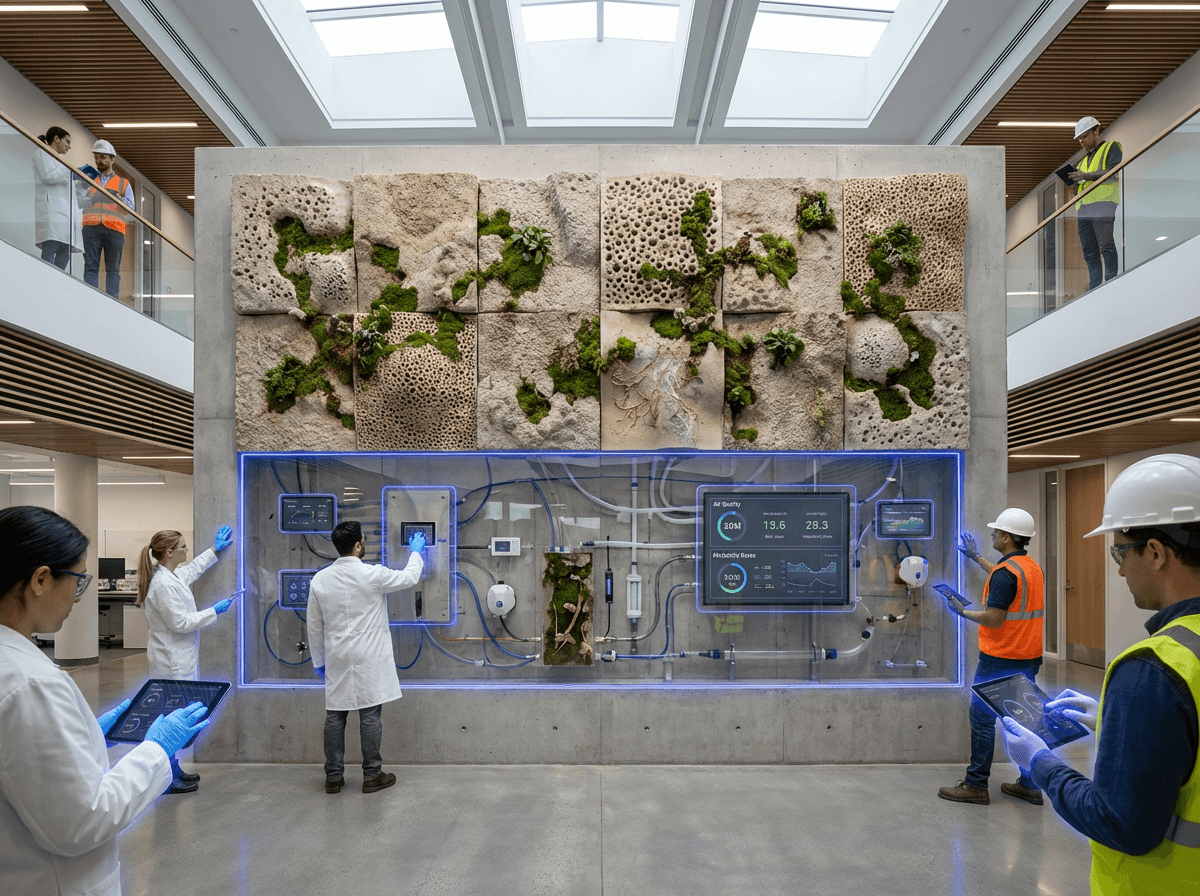
Bio-receptive materials represent a paradigm shift in how we conceive of building surfaces, transforming inert architectural elements into living interfaces between the built and natural environments. These materials are deliberately engineered at the microscopic and chemical level to create hospitable conditions for colonization by mosses, lichens, algae, and other simple organisms. The key lies in carefully calibrating physical properties such as surface roughness, porosity, pH levels, and water retention capacity to mimic the conditions these organisms naturally seek. Unlike conventional building materials that are designed to resist biological growth, bio-receptive surfaces embrace it through strategic design choices—incorporating specific aggregate sizes in concrete mixes, creating textured patterns that trap moisture and spores, or adjusting mineral compositions to provide nutrients. The result is a material that functions as both structure and substrate, requiring no additional irrigation systems, growth media, or maintenance infrastructure that traditional green walls demand.
The urban challenges these materials address are multifaceted and increasingly urgent. Cities worldwide grapple with deteriorating air quality, the urban heat island effect, declining biodiversity, and the psychological disconnect between residents and nature. Traditional approaches to greening cities—parks, street trees, and planted facades—are valuable but often space-intensive and maintenance-heavy, limiting their scalability in dense urban cores where land is scarce and expensive. Bio-receptive materials offer a solution that works within existing construction paradigms, turning the vast vertical and horizontal surfaces of buildings into functional ecological assets. By passively supporting photosynthetic organisms, these surfaces can sequester carbon dioxide, filter particulate matter from the air, and provide microhabitats for insects and other small fauna. The organisms themselves act as natural air purifiers, with some species of algae and mosses demonstrating remarkable capacity to absorb pollutants like nitrogen oxides and volatile organic compounds. Furthermore, the evaporative cooling effect of moisture retained in these living surfaces helps mitigate the heat island effect that plagues many metropolitan areas, potentially reducing building cooling loads and improving outdoor thermal comfort.
Research institutions and forward-thinking architecture firms have begun exploring bio-receptive materials in pilot projects across Europe and Asia, with early deployments indicating promising results in terms of organism establishment and environmental benefits. Applications range from facade panels on public buildings to paving systems in pedestrian zones, where the gradual greening of surfaces creates evolving aesthetic qualities that change with seasons and local ecology. Some implementations focus on specific functional goals—such as noise-absorbing surfaces in highway sound barriers that also support lichen growth, or bio-receptive roof tiles that contribute to stormwater management while fostering biodiversity. The technology aligns with broader movements toward biophilic design, circular economy principles, and nature-based solutions to urban challenges. As climate adaptation becomes increasingly critical for cities, bio-receptive materials offer a low-maintenance, scalable approach to creating resilient urban ecosystems. The trajectory suggests these materials will transition from experimental applications to standard specifications in sustainable construction, particularly as performance data accumulates and manufacturing processes become more refined and cost-effective.
Related Organizations

Architecture and design firm known for 'PhotoSynthetica', a bio-digital cladding system that uses algae to purify air.
Respyre
Netherlands · Startup
Develops a bio-receptive concrete and moss coating system that allows moss to grow directly on vertical surfaces without pots or soil.
Living Materials Laboratory (CU Boulder)
United States · Research Lab
A research lab focused on engineering bacteria-based building materials that can grow, heal, and sense.

Home to the Bio-ID (Bio-Integrated Design) lab, researching how biological systems can be integrated into building materials.

Conducts advanced research in bioelectronics and the interface between biological systems and electronic circuits.

Research center developing projects like 'Hydroceramic', a passive cooling material that mimics biological transpiration.

A leading technical university known for research into self-healing asphalt using steel wool and induction heating.

A major cement manufacturer that has partnered with startups to develop and deploy bio-receptive concrete solutions.

3D concrete printing company that collaborates on projects creating optimized geometries for plant growth on facades.

A materials company transforming wood waste into carbon-negative biochar thermoplastics.
Supporting Evidence
Research this in Signals
Signals turns a topic into a sourced research record you can inspect and rerun. Your first scan is free, and this one starts with Bio-Receptive Materials already loaded, so edit it or scan as is.