Energy-Harvesting Facades
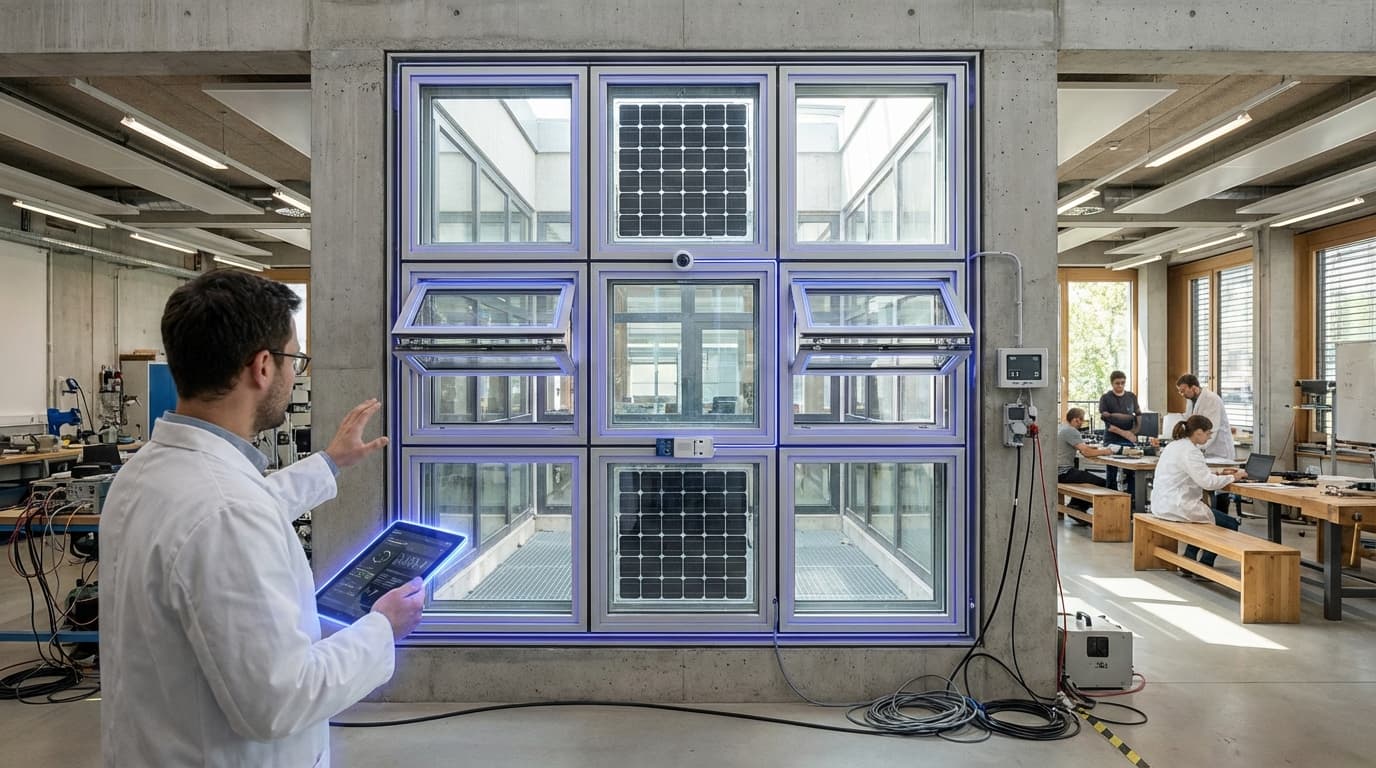
Energy-harvesting facades represent a fundamental shift in how building exteriors function, transforming passive architectural skins into active energy-generating systems. These advanced building envelopes integrate multiple technologies—including transparent photovoltaic cells, piezoelectric materials that convert mechanical stress into electricity, and kinetic elements that capture wind energy—into cohesive systems that generate renewable power while maintaining aesthetic and functional requirements. The technical sophistication lies in the integration: transparent or semi-transparent solar cells embedded in glass panels allow natural light penetration while capturing solar radiation, piezoelectric materials embedded in facade components generate electricity from vibrations caused by wind or building movement, and strategically positioned kinetic elements harness air currents. Beyond energy generation, these facades incorporate smart materials and responsive systems that dynamically adjust their properties based on environmental conditions, modulating light transmission, thermal insulation, and ventilation in real-time to optimise interior comfort and reduce heating and cooling demands.
The construction industry faces mounting pressure to reduce buildings' substantial contribution to global energy consumption and carbon emissions, with the built environment accounting for a significant portion of worldwide energy use. Traditional building facades are purely passive elements that often exacerbate energy demands through heat gain in summer and heat loss in winter, requiring extensive mechanical systems to maintain comfortable interior conditions. Energy-harvesting facades address this fundamental inefficiency by transforming buildings from net energy consumers into potential energy producers or "prosumers." This shift is particularly valuable in dense urban environments where ground-level space for solar arrays is limited, but vertical facade area is abundant. The technology also tackles the challenge of integrating renewable energy generation into existing urban fabric without compromising architectural design or historical aesthetics, as modern transparent solar technologies can be incorporated into glass facades with minimal visual impact.
Early deployments of energy-harvesting facades have appeared in commercial and institutional buildings, where pilot projects demonstrate the viability of combining energy generation with climate regulation. Research institutions and forward-thinking developers are testing various configurations, from office towers with piezoelectric cladding that captures energy from wind-induced vibrations to residential buildings with photovoltaic-integrated glass that adjusts tinting based on sun angle and interior temperature. Industry analysts note that while current installations often focus on demonstrating technical feasibility, the technology is progressing toward broader commercial adoption as material costs decline and building codes increasingly mandate net-zero energy performance. The convergence of energy-harvesting facades with building management systems and smart grid infrastructure suggests a future where buildings actively participate in urban energy ecosystems, storing excess generation in battery systems or feeding power back to the grid during peak demand periods. As cities worldwide commit to aggressive carbon reduction targets and sustainable development goals, energy-harvesting facades are positioned to become standard components of high-performance building design, fundamentally redefining the relationship between architecture and energy infrastructure.
Research this in Signals
Signals turns a topic into a sourced research record you can inspect and rerun. Your first scan is free, and this one starts with Energy-Harvesting Facades already loaded, so edit it or scan as is.