Where technologies cluster around the world
Regions
76 technologies in Gulf States
Abu Dhabi's Digital Strategy 2025-2027 deploys AED 13 billion ($3.5B) to become the world's first fully AI-native government across all digital services by 2027.
G42 Healthcare operates Abu Dhabi's population-scale genomics program, combining AI analysis with clinical data to build the region's most advanced precision medicine platform.
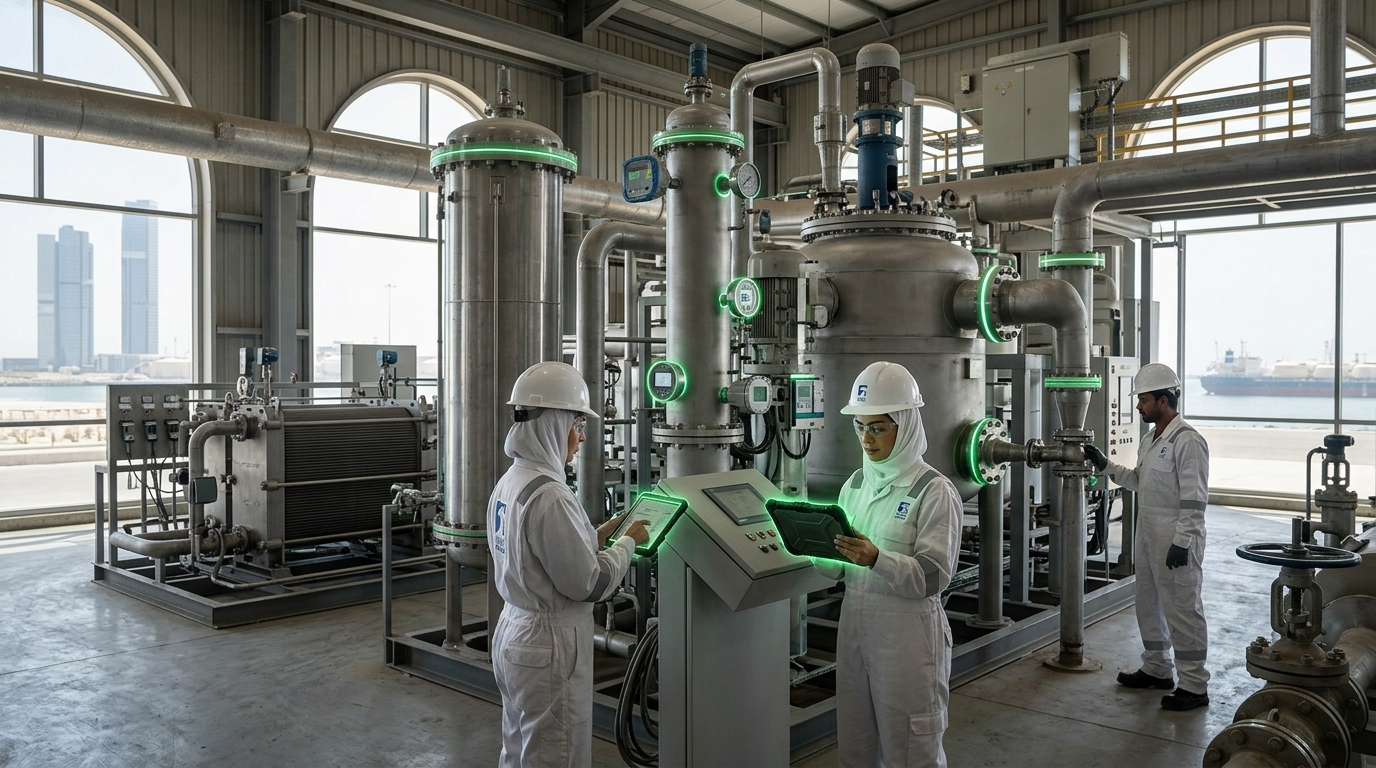
ADNOC is scaling blue hydrogen production from natural gas with carbon capture, positioning the UAE as a dual-pathway hydrogen exporter alongside green hydrogen from Masdar.
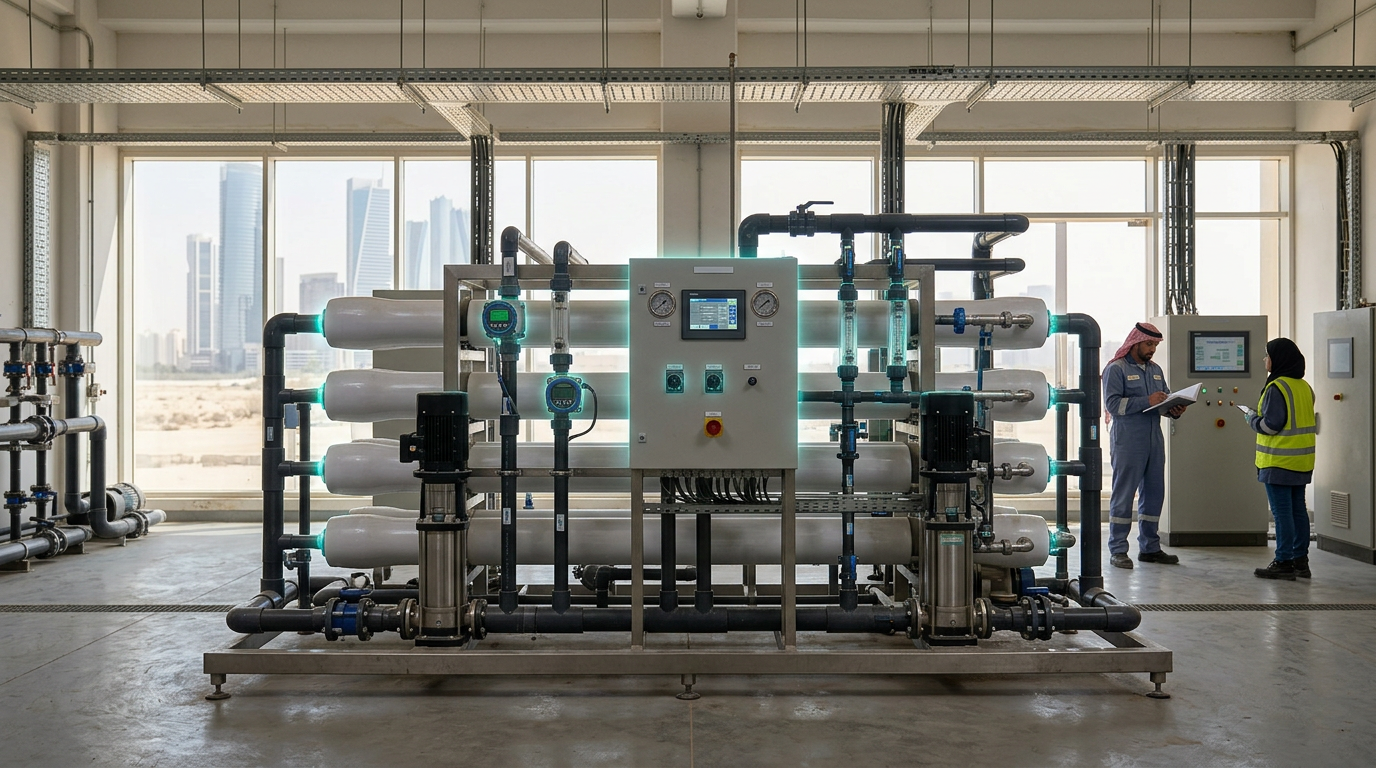
Gulf states operate over 50% of global desalination capacity and are pioneering energy-efficient reverse osmosis and solar-powered desalination to reduce the industry's carbon footprint.
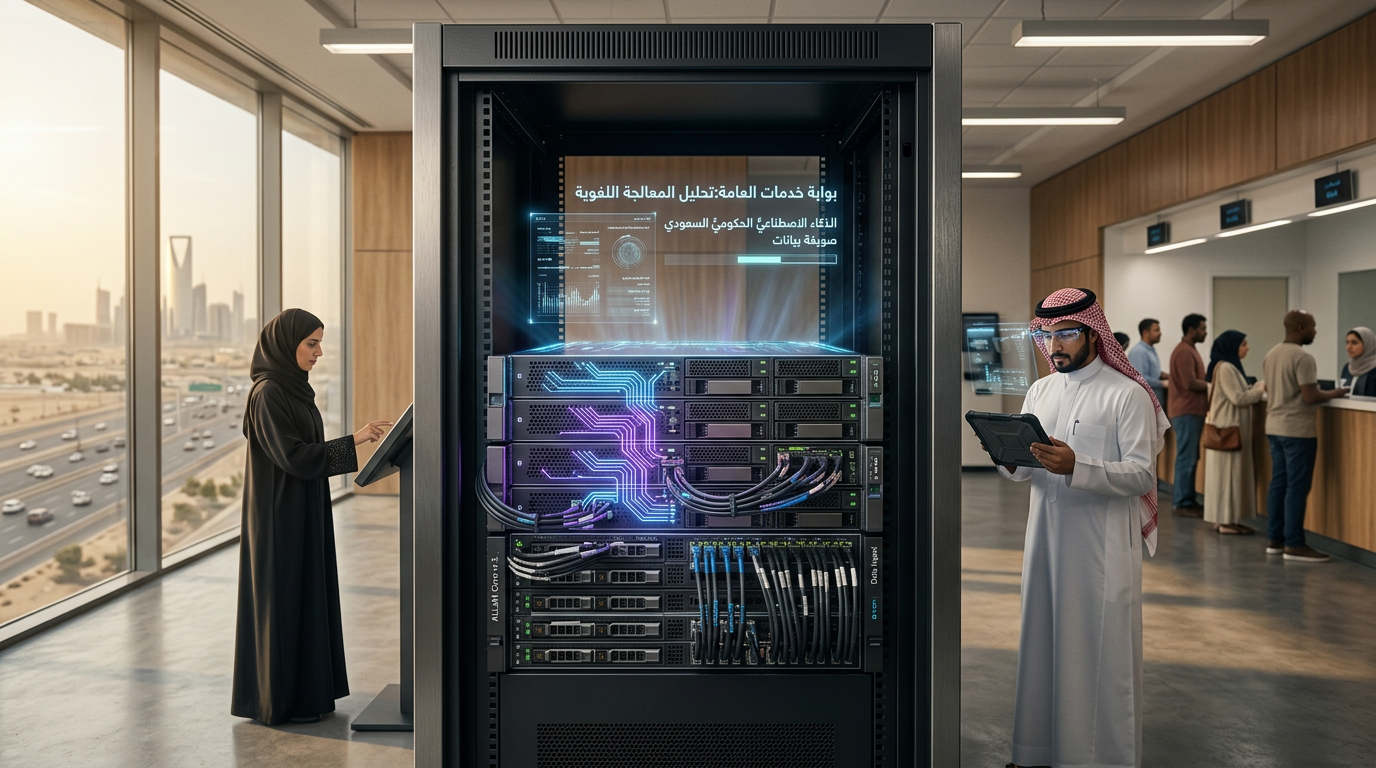
Saudi Arabia's HUMAIN developed ALLaM, a sovereign Arabic LLM designed to serve government services and enterprise applications in the Kingdom's AI ecosystem.
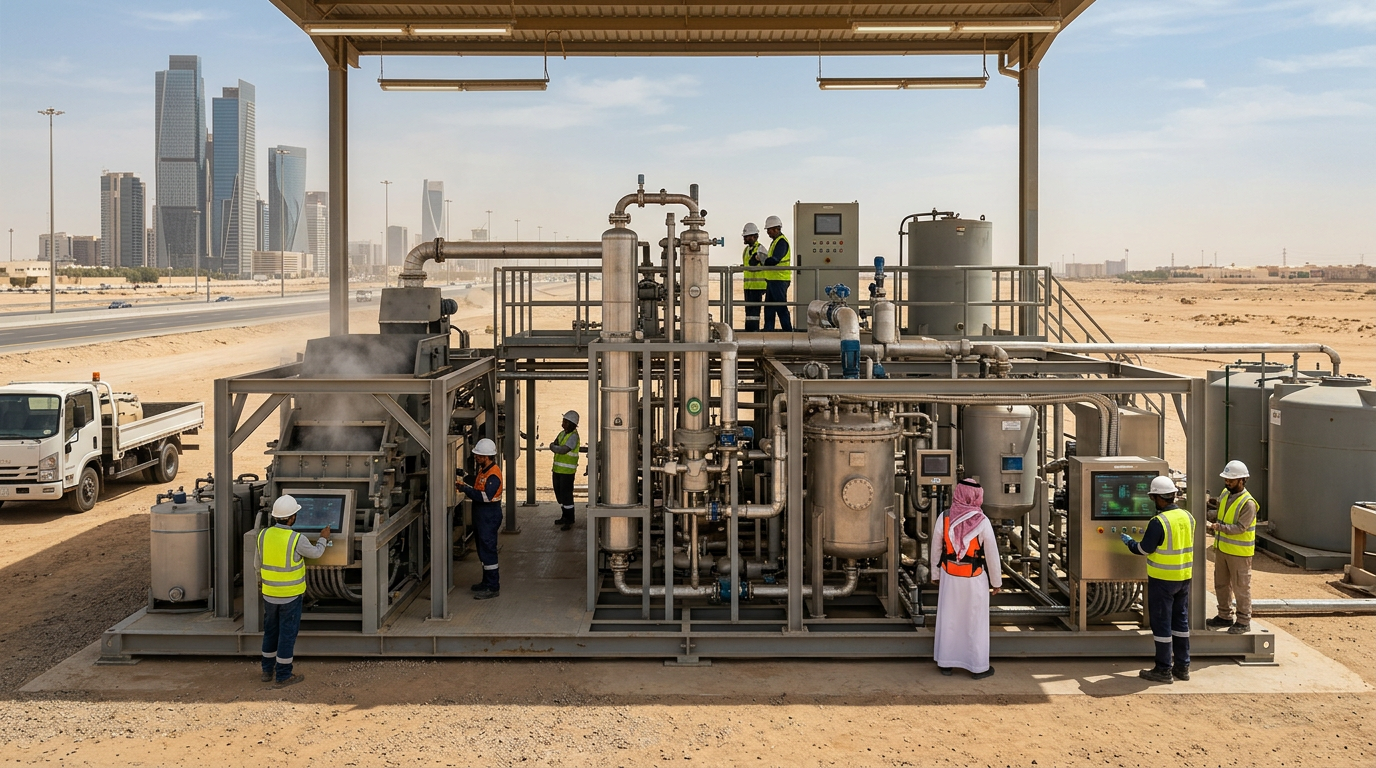
Saudi Arabia unveiled a $100 billion mining investment program for critical minerals and rare earth elements, with Ma'aden partnerships and a 595% increase in exploratory mining budgets, directly challenging China's 90% monopoly on rare earth processing.
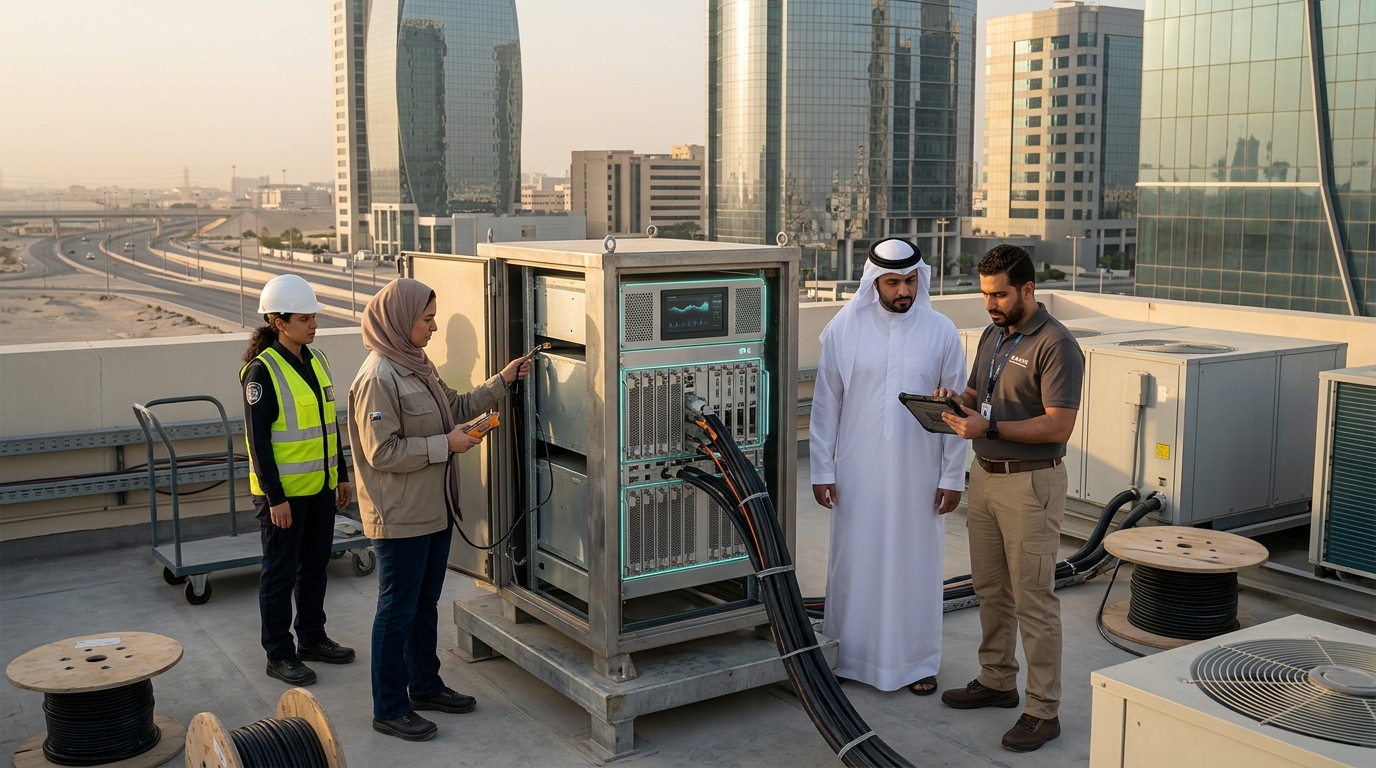
Bahrain's Central Bank is piloting a Digital Dinar CBDC with JP Morgan and Bank ABC for cross-border digital dollar transfers, extending its tradition as the Gulf's financial regulation pioneer into the digital currency era.
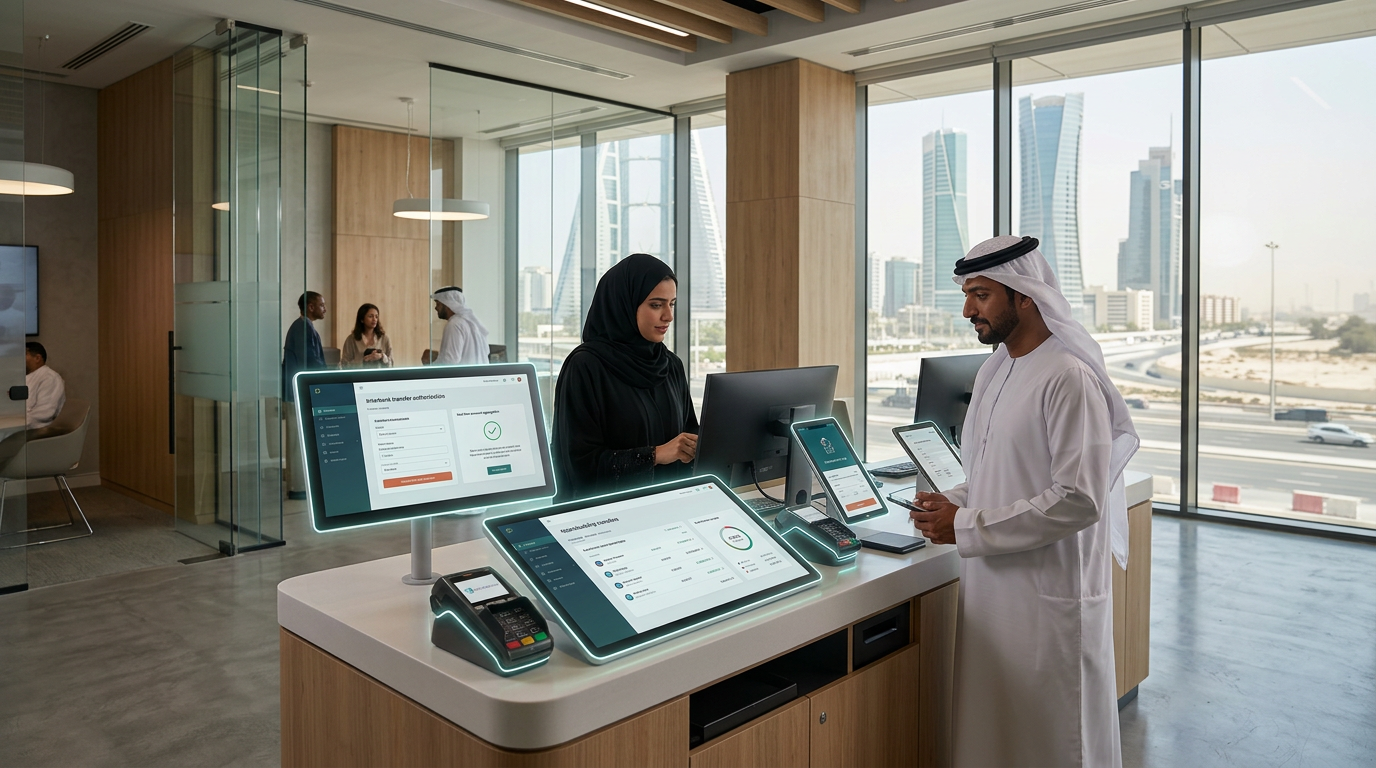
Bahrain was the first Gulf state to mandate open banking regulations, positioning itself as the GCC's regulatory innovation lab for financial services.
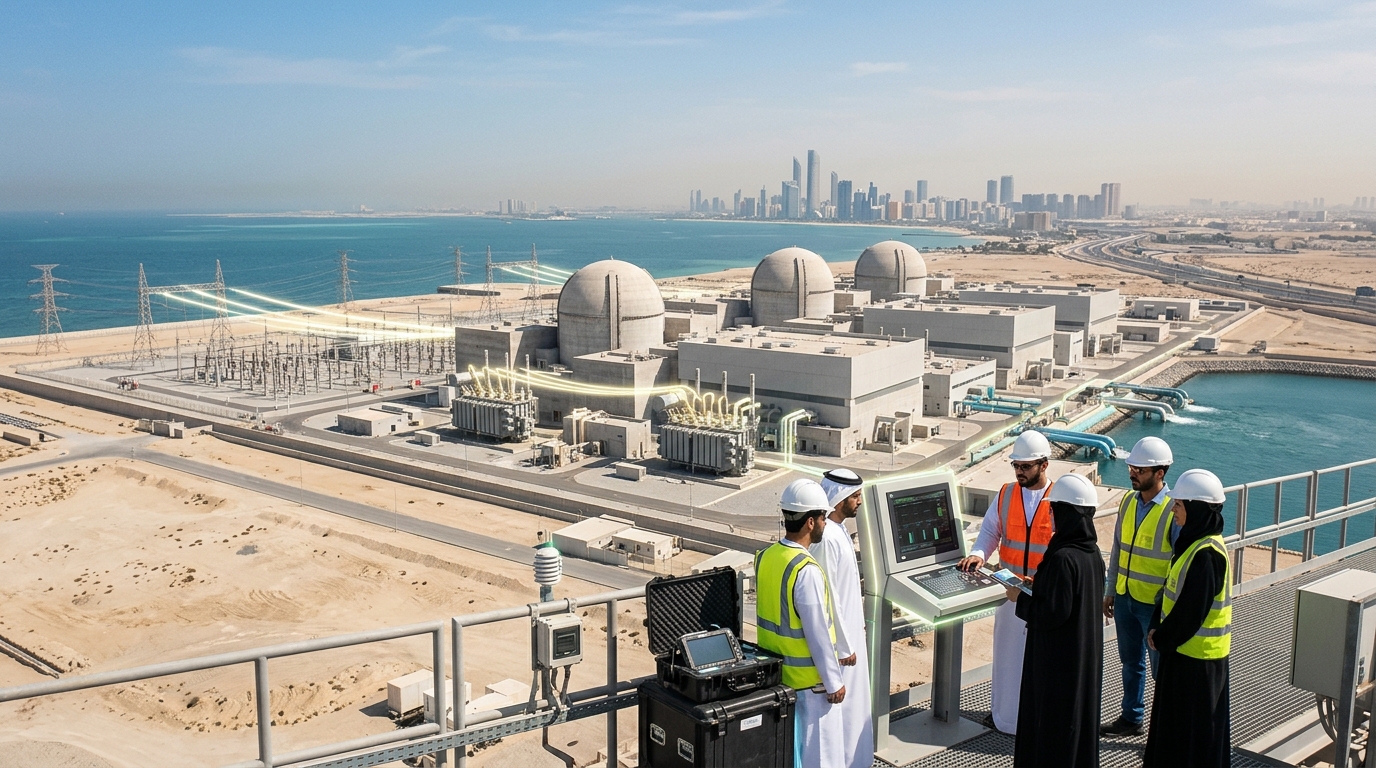
The Arab world's first nuclear power station reached full 5,600MW capacity in September 2024, supplying 25% of UAE electricity and enabling low-carbon aluminium exports.
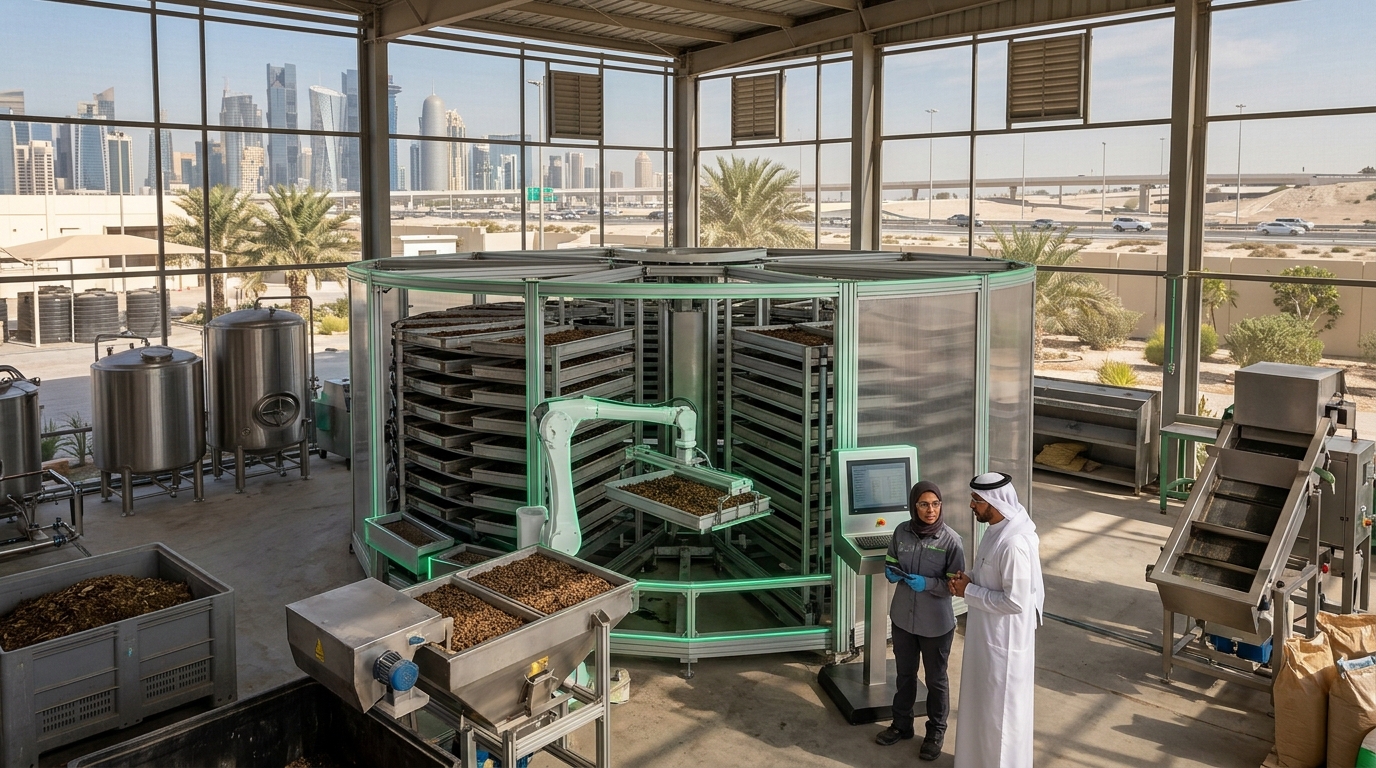
Gulf-deployed black soldier fly (BSF) larvae bioconversion systems transform organic waste into high-protein animal feed and organic fertilizer while recovering water — creating a metabolic bridge between waste streams and agricultural inputs in closed-loop desert food production.
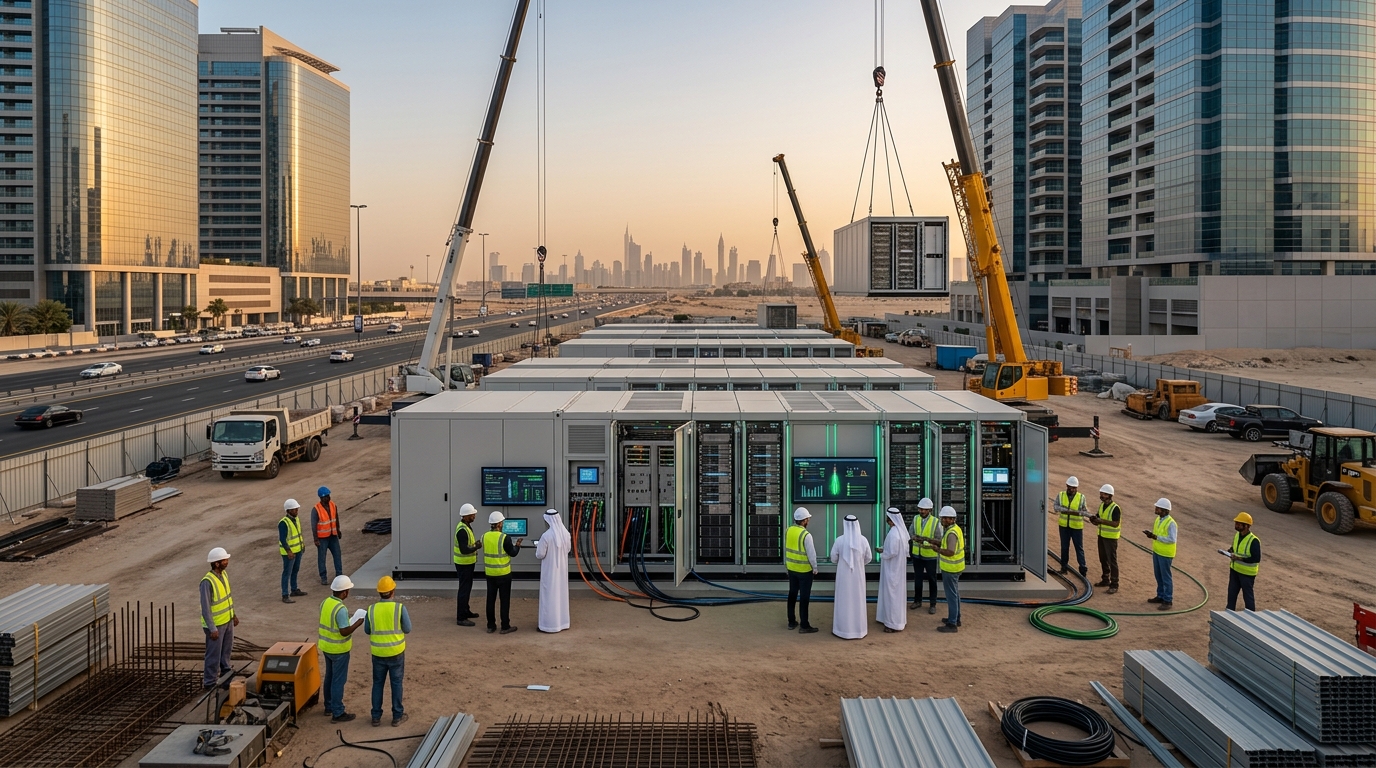
UAE's DAMAC Properties announced a $20B investment to build data centers across the US Midwest and Sun Belt, exporting Gulf capital into global digital infrastructure.
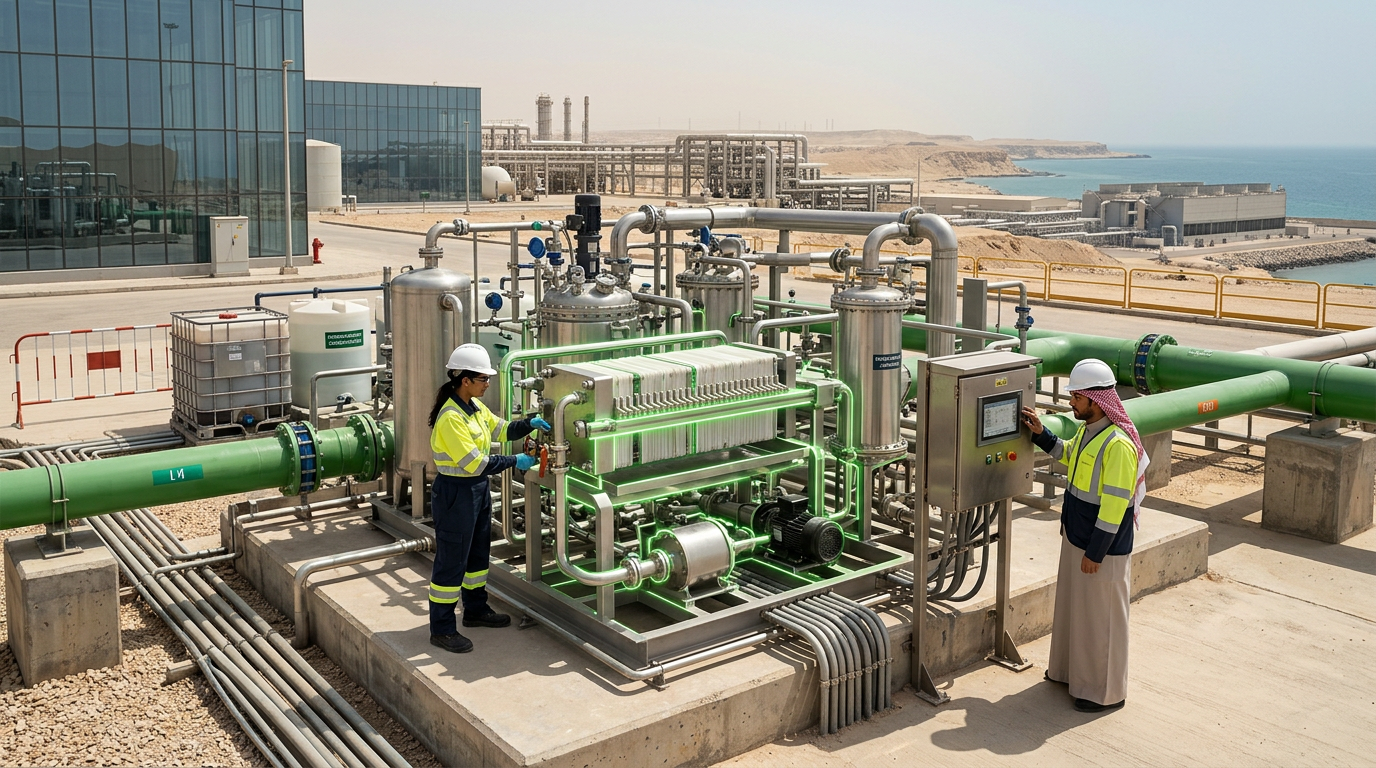
Saudi Arabia's Water Authority and KAUST researchers are developing technology to extract lithium, magnesium, potassium, and bromine from desalination brine — turning the Gulf's largest environmental liability into a mineral resource stream.
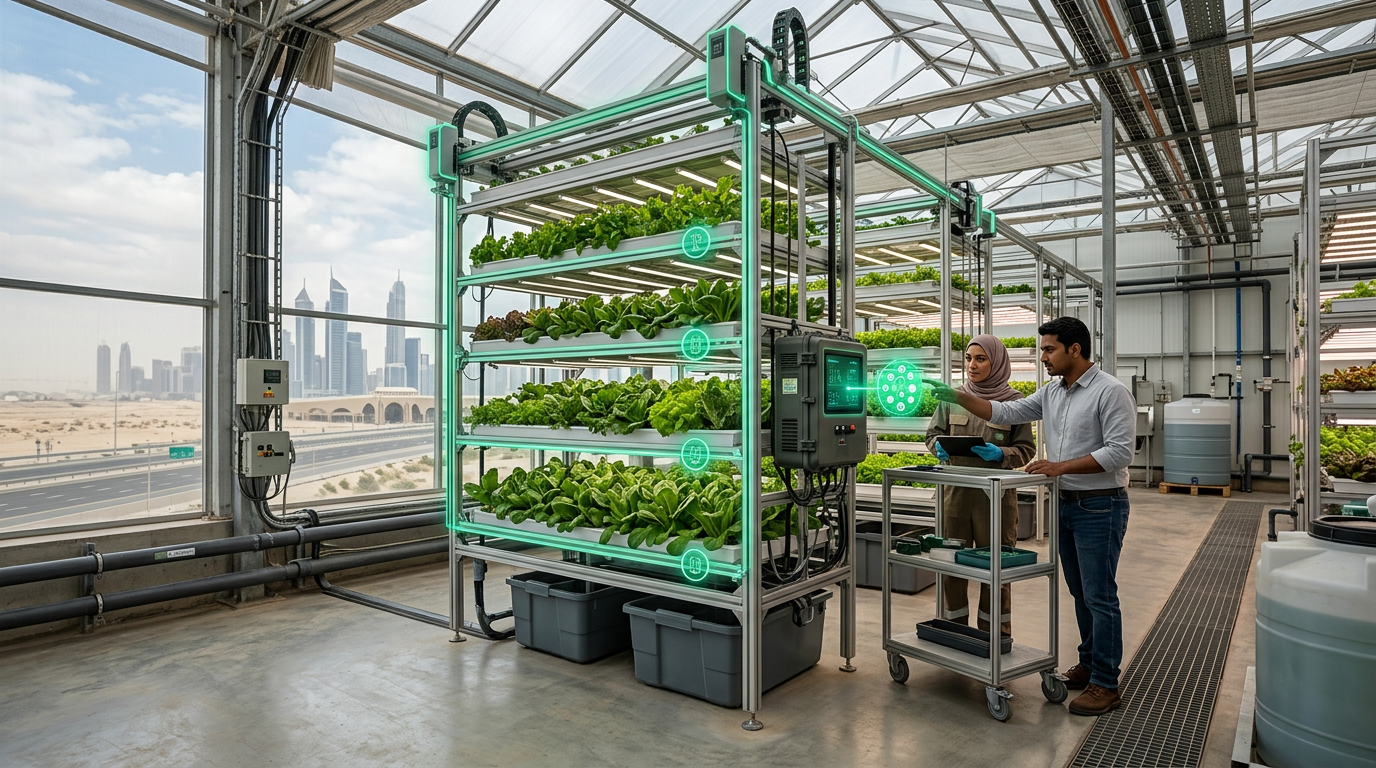
Gulf states import 85% of their food; companies like Pure Harvest and Alesca Life are building controlled-environment agriculture at scale to reduce dependency in extreme desert conditions.
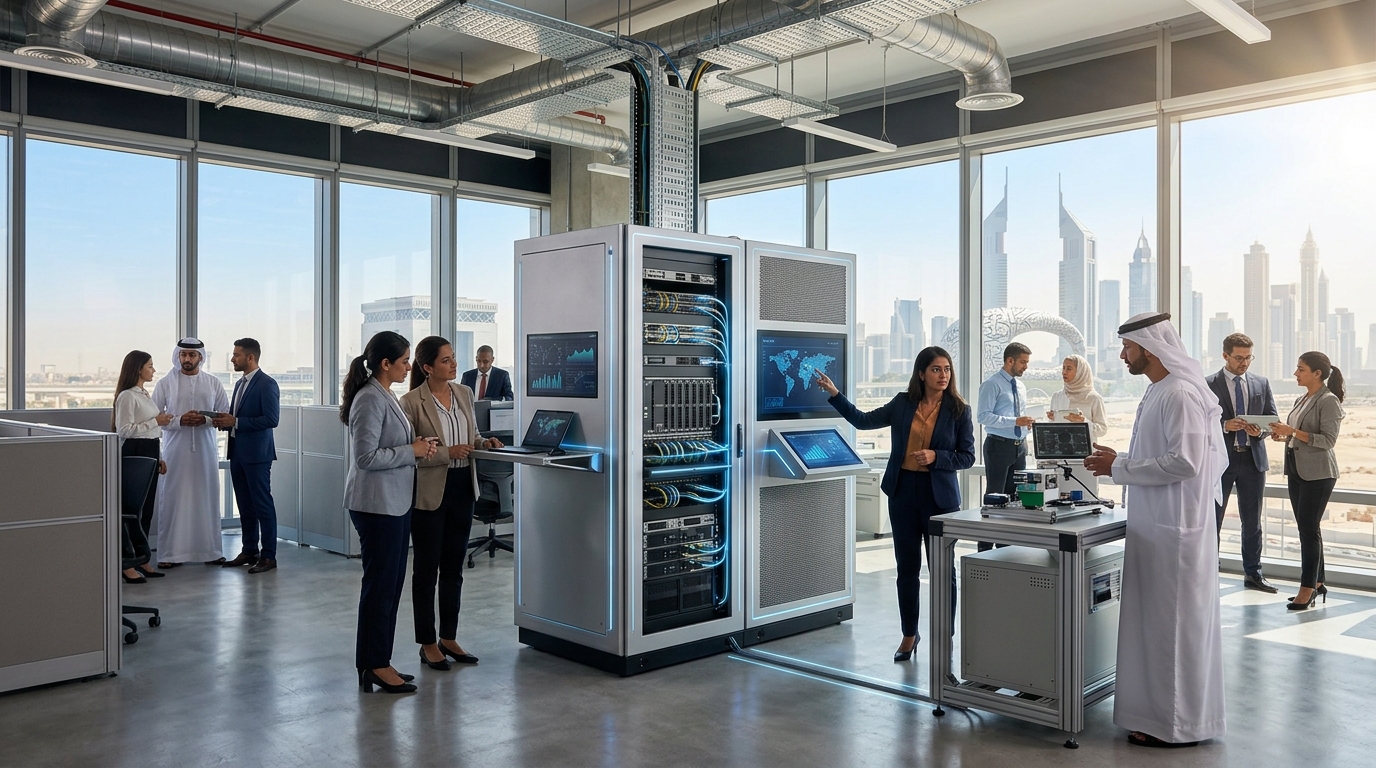
Dubai International Financial Centre has made Dubai a top-4 global fintech hub, with the UAE fintech market projected at $52B in 2026 growing to $90B by 2031.
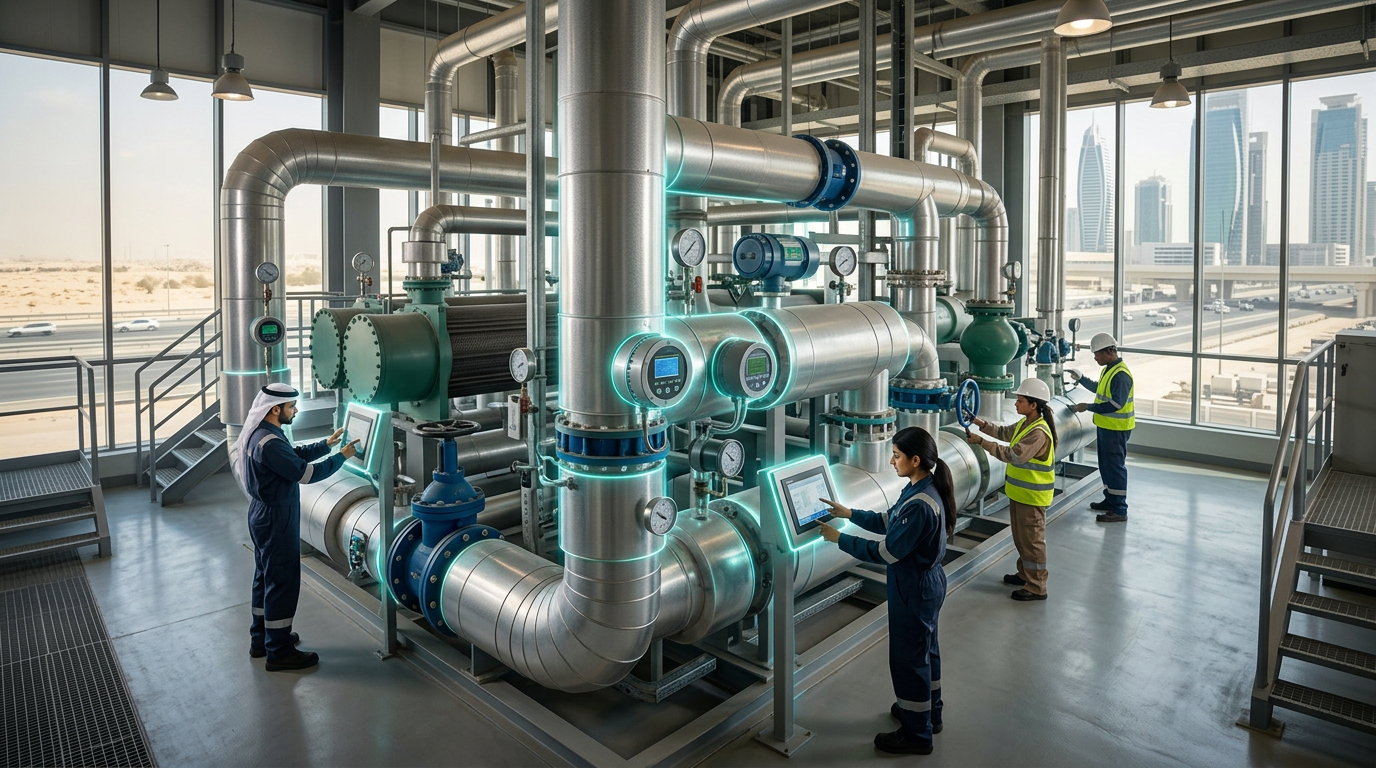
The UAE operates the world's largest district cooling networks, with systems 50% more energy-efficient than individual building air conditioning in extreme desert heat.
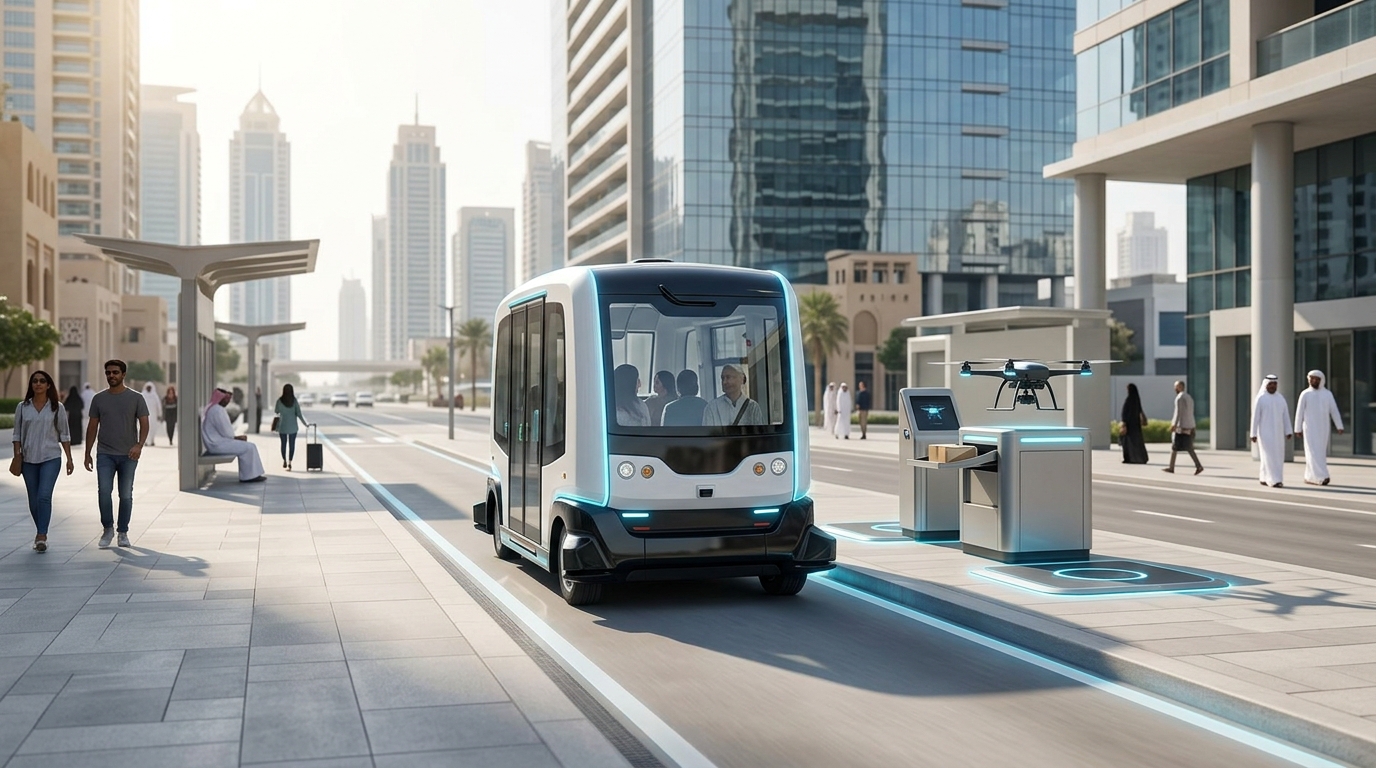
Dubai aims to make 25% of all trips autonomous by 2030, with active deployments of autonomous taxis, autonomous metro extensions, and drone delivery services.
Dubai aims to migrate all government transactions to blockchain by 2026, with active implementations in land registry, supply chain verification, and cross-border payments.
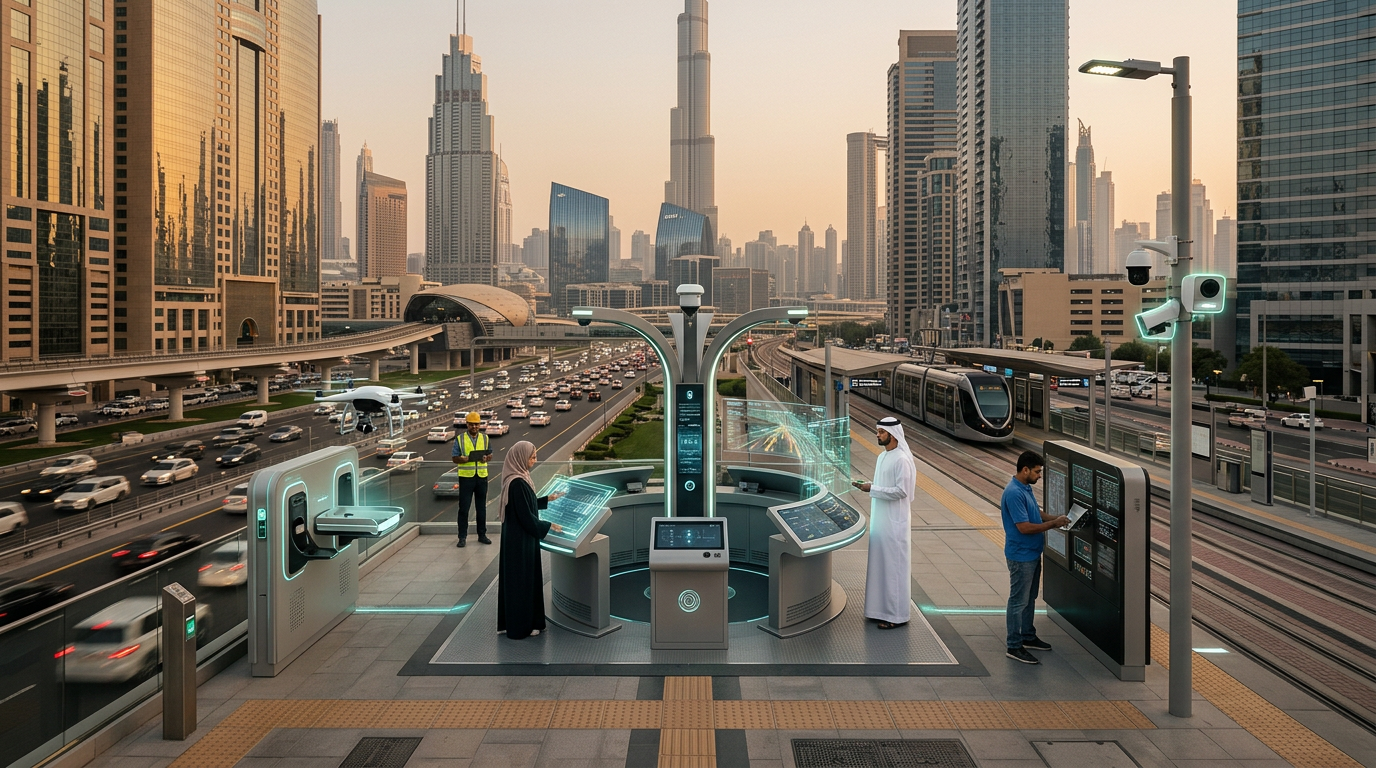
Dubai has deployed blockchain-powered governance, IoT-enabled infrastructure, and AI-driven urban management across the city, ranking first globally for HQ FDI projects in 2025.
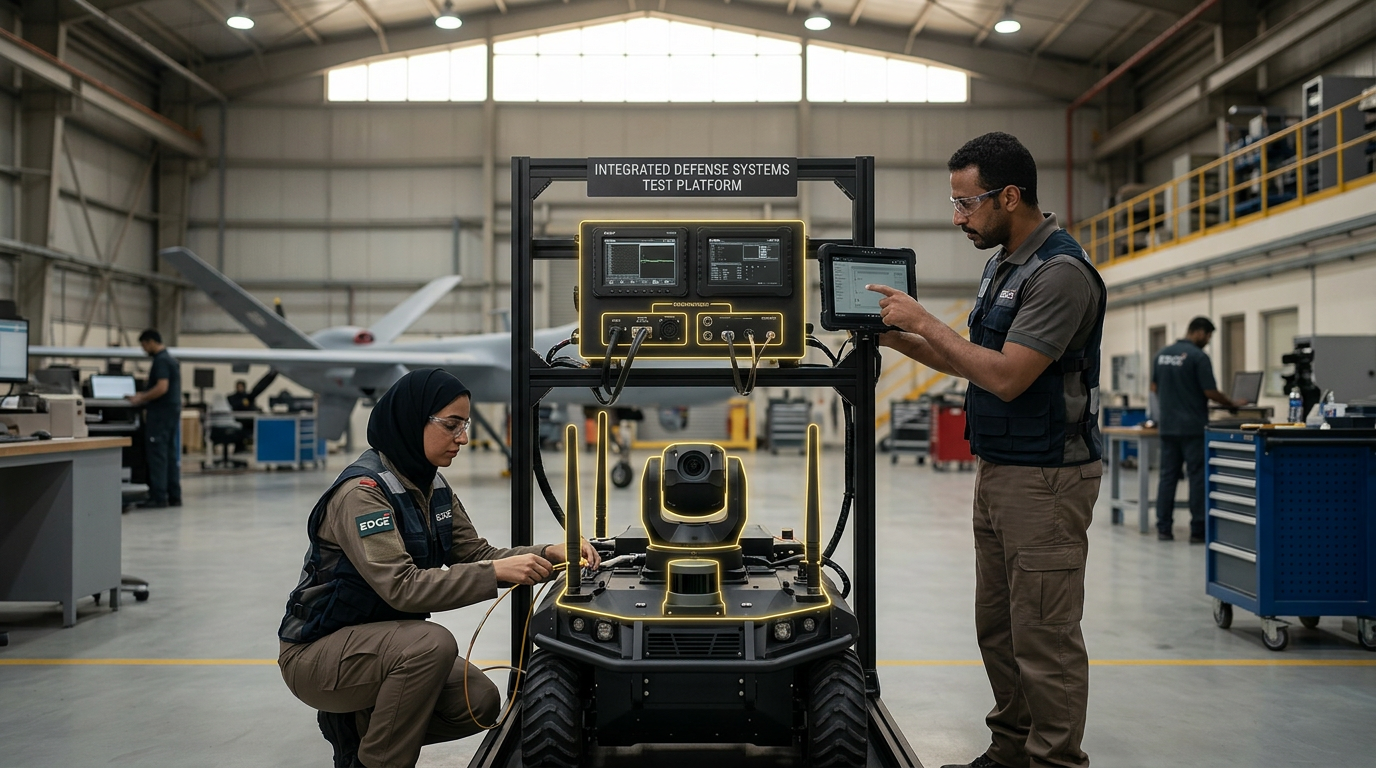
UAE's Edge Group has become one of the world's top 25 defense companies, specializing in autonomous systems, electronic warfare, and cyber capabilities.
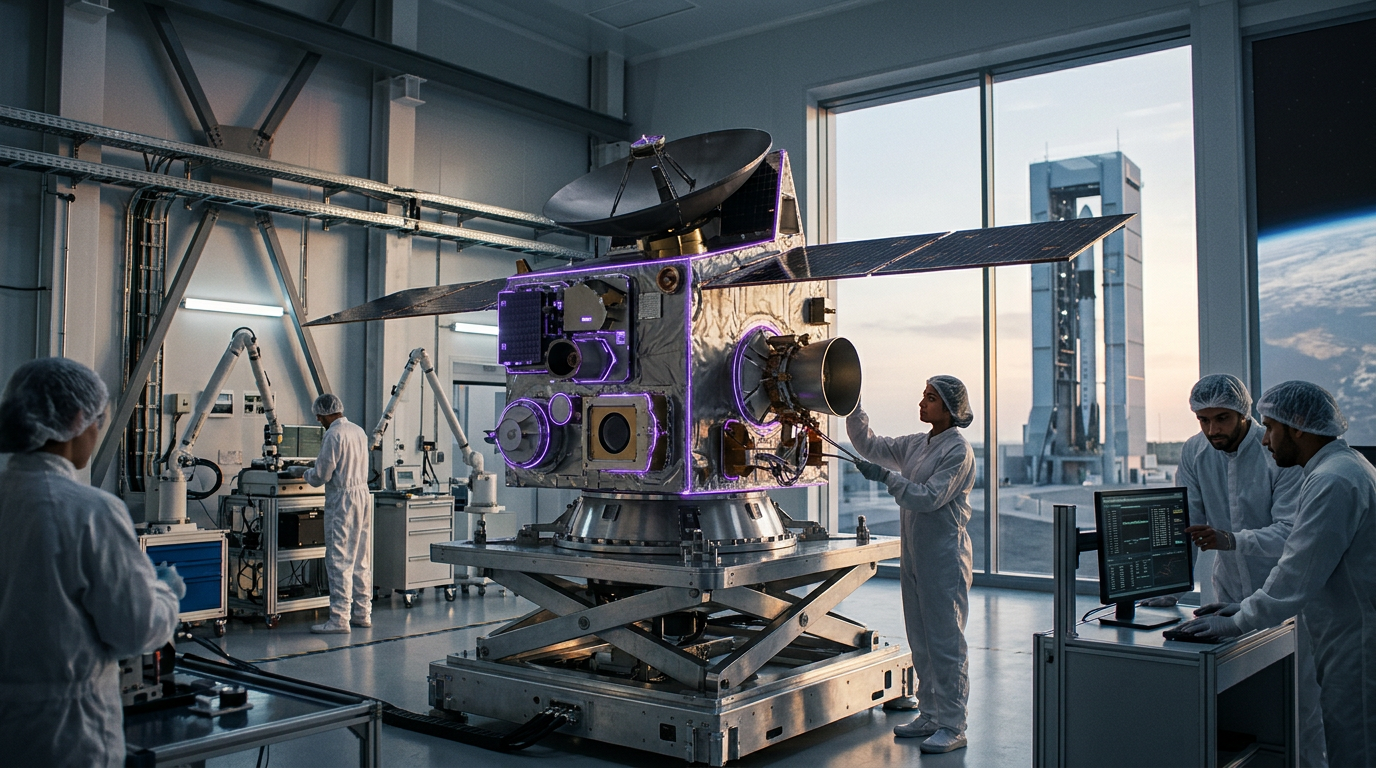
The UAE's Hope Probe, the first Arab interplanetary mission, has been extended to 2028 and has produced novel data on Martian atmospheric dynamics.
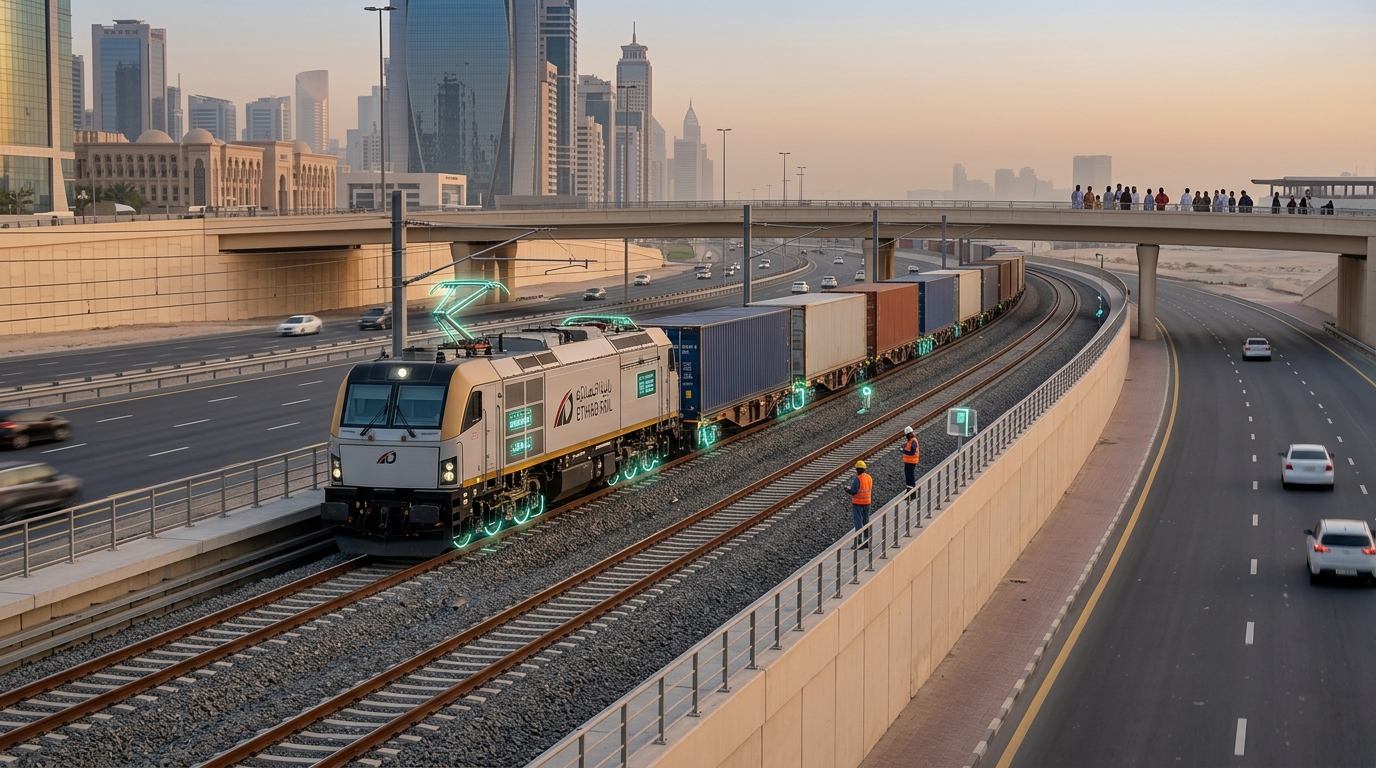
The UAE's $11B Etihad Rail network is connecting all seven emirates with 1,200km of rail for the first time, transforming logistics and enabling passenger services by 2030.
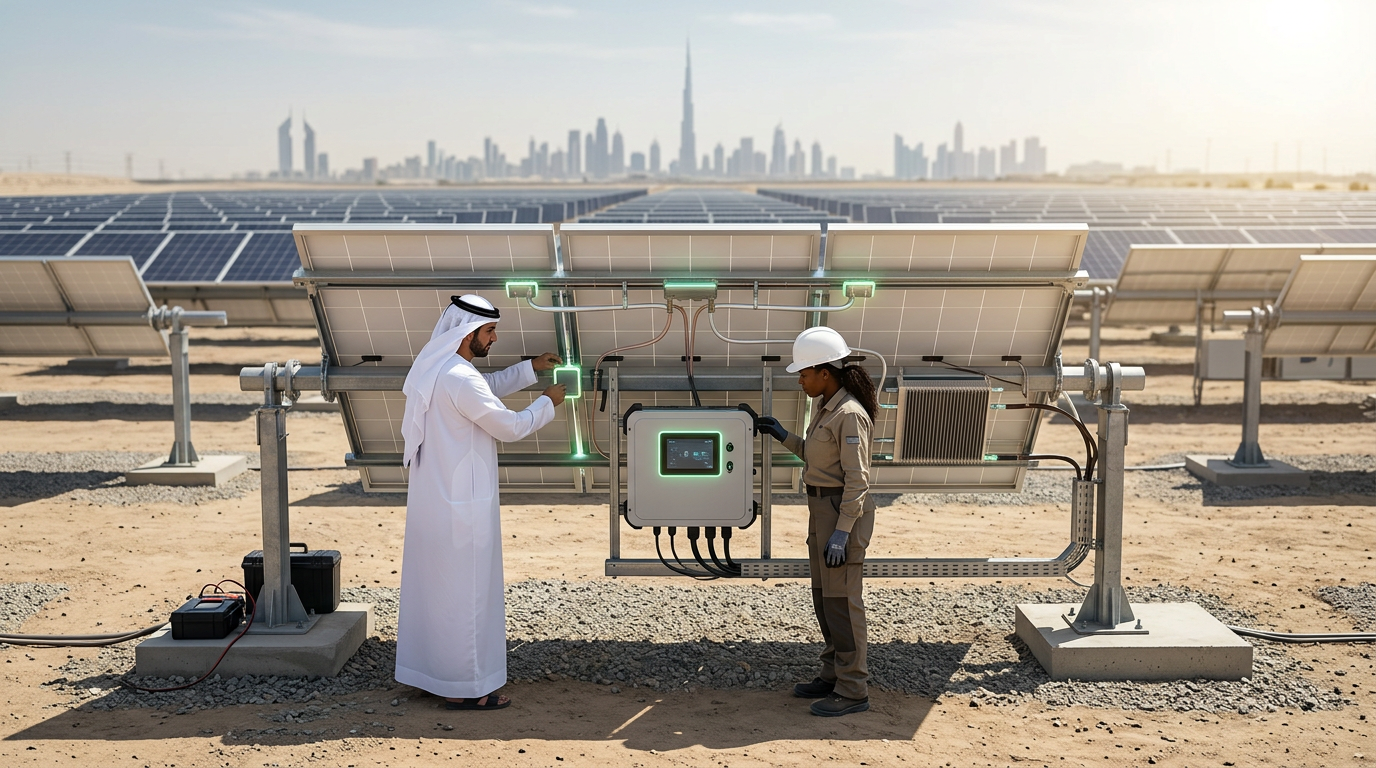
Gulf research institutions are developing solar PV technologies optimized for 50°C+ desert conditions, addressing the 0.5% efficiency loss per degree that standard panels suffer.
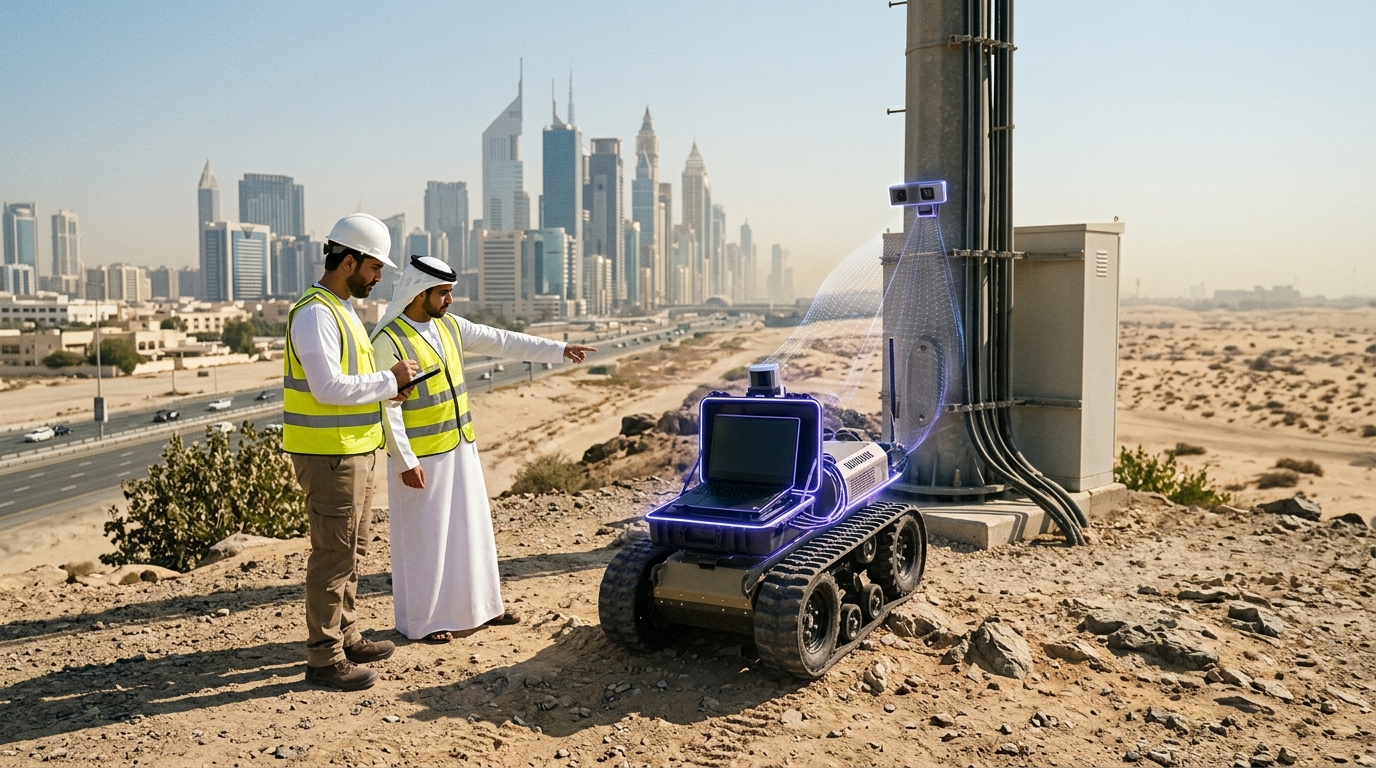
Abu Dhabi's Technology Innovation Institute has released Falcon 3, a family of open-source LLMs that run on laptops and compete with models 4x their size.
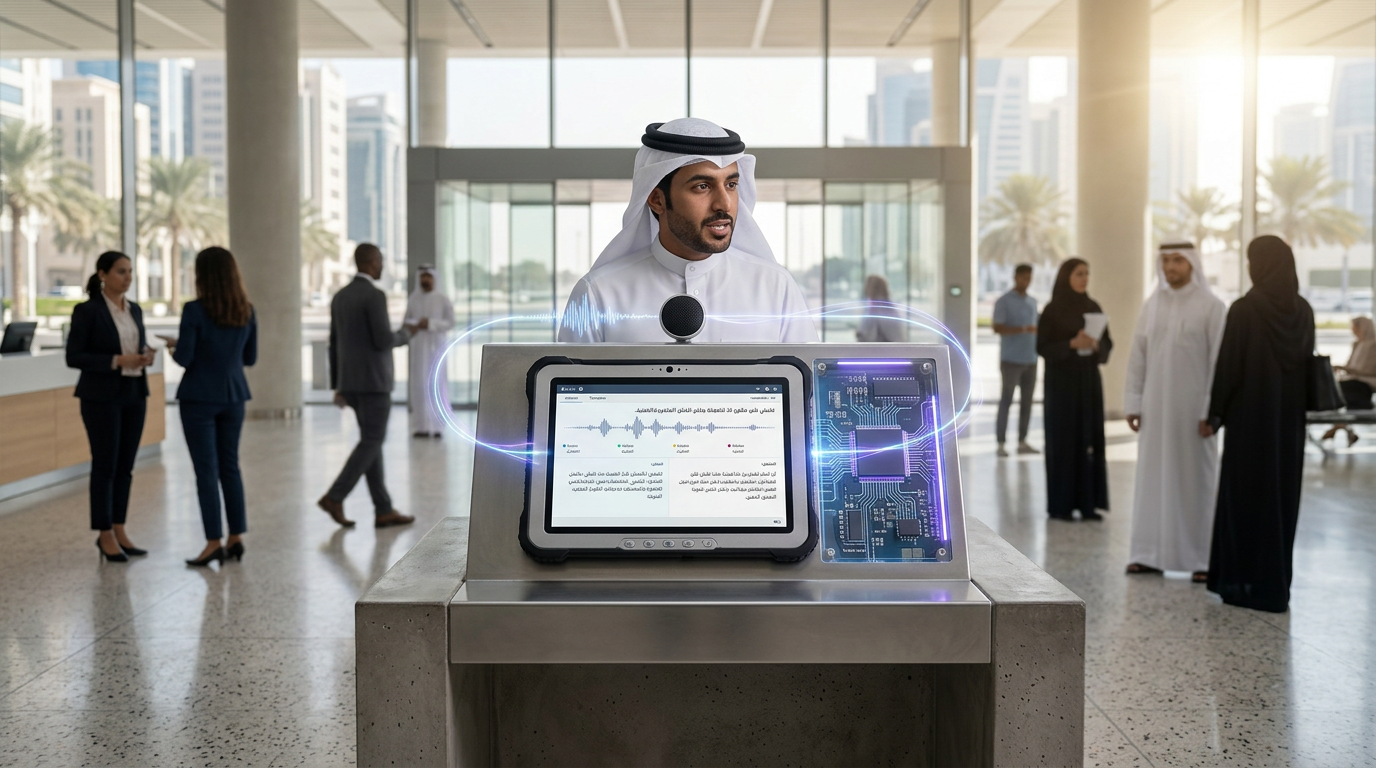
Qatar's QCRI developed Fanar 2.0, an Arabic-focused AI platform for natural language processing that addresses dialect-specific challenges across the Arab world.
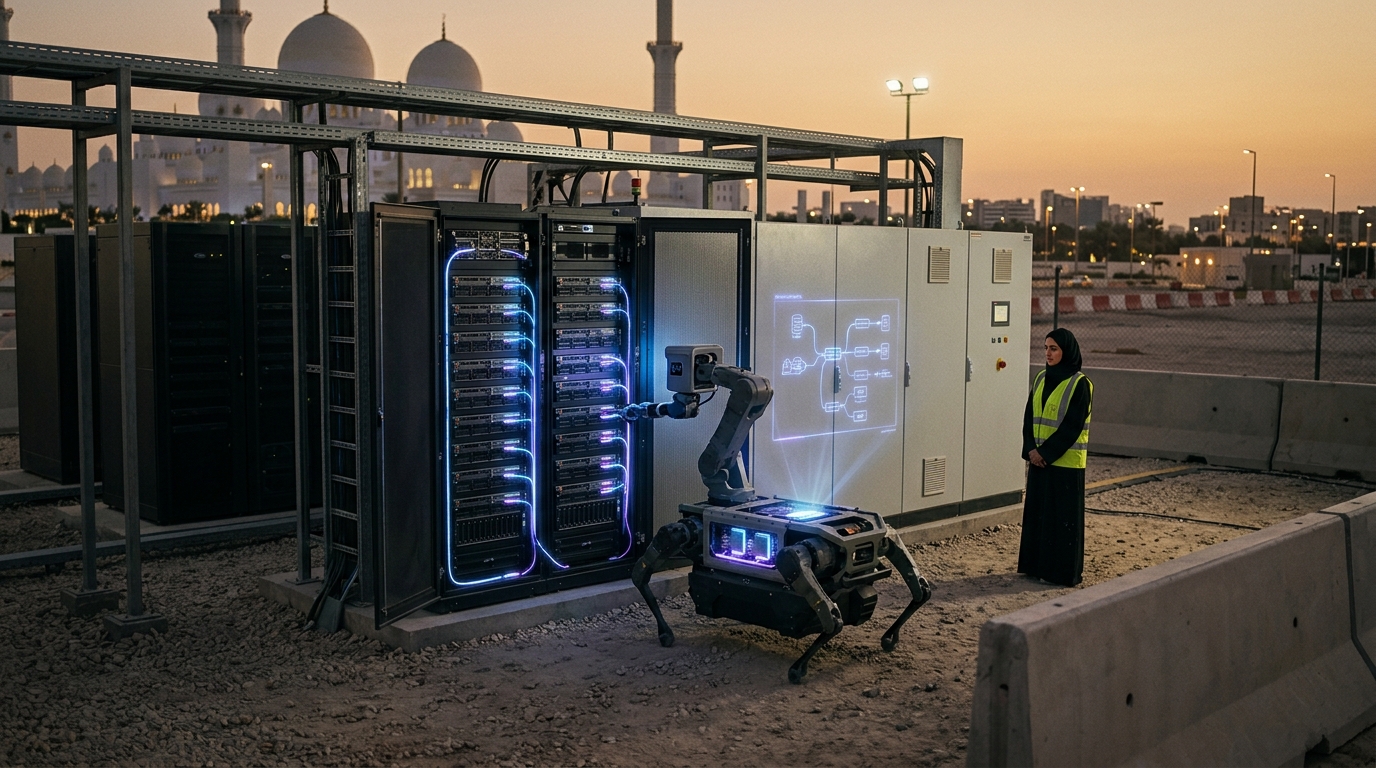
Abu Dhabi's G42 has secured $1.5B from Microsoft, operates AI infrastructure across healthcare to government, and anchors the UAE's 1GW Stargate AI compute cluster.
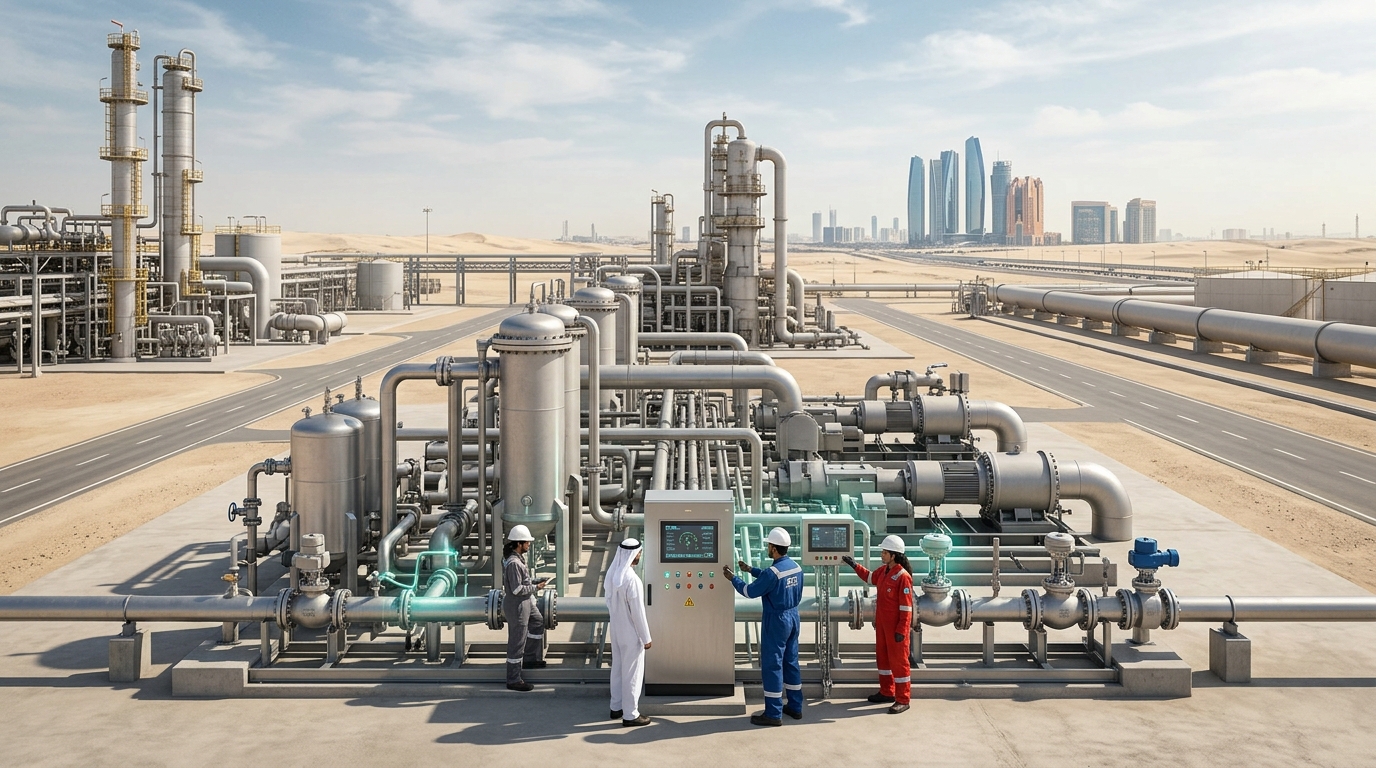
ADNOC operates one of the world's largest CCS networks at 800,000 tonnes/year, with expansion plans to 10 MTPA by 2030 to enable 'blue' hydrogen and lower-carbon oil production.
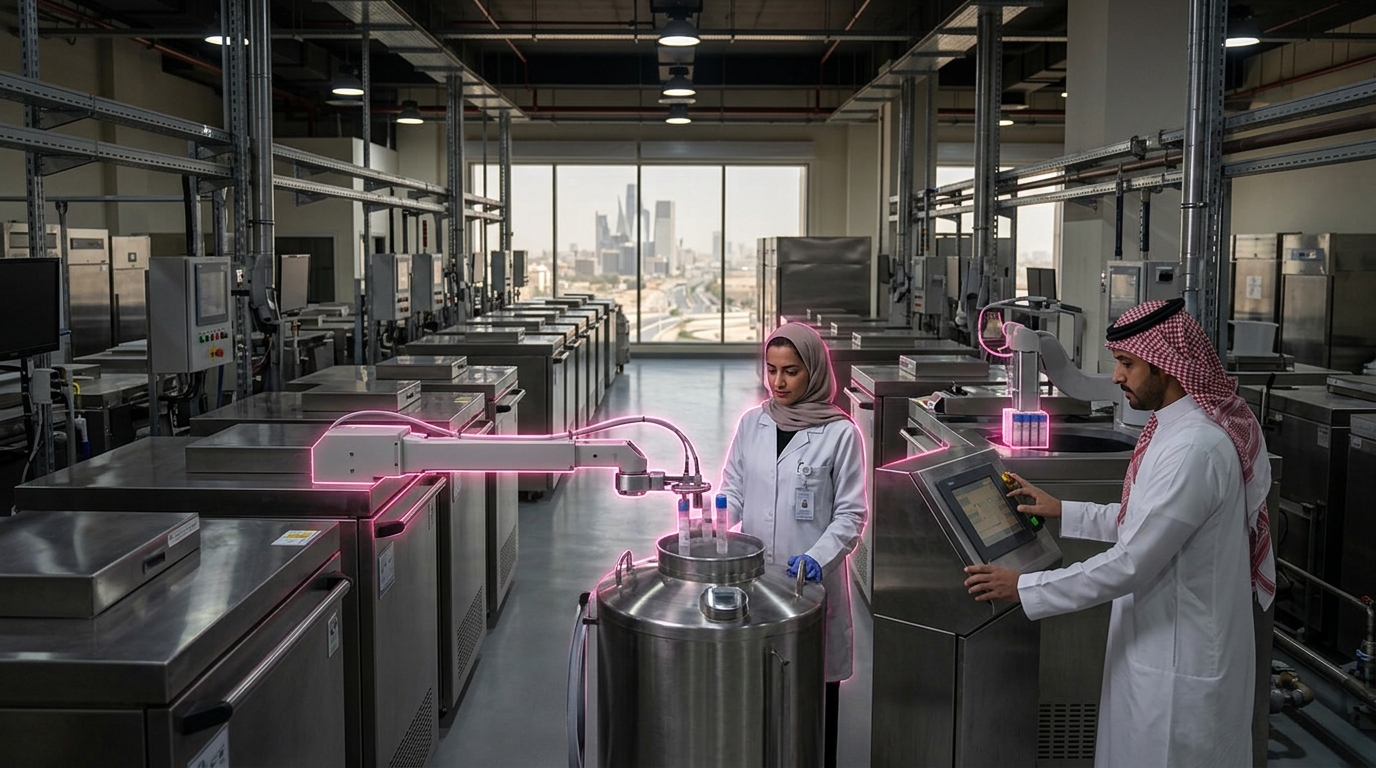
The UAE Biobank, Saudi National Biobank, and Qatar Biobank are building centralized biological sample repositories integrated with genomic and clinical data, creating the most comprehensive health data infrastructure for Arab populations globally.
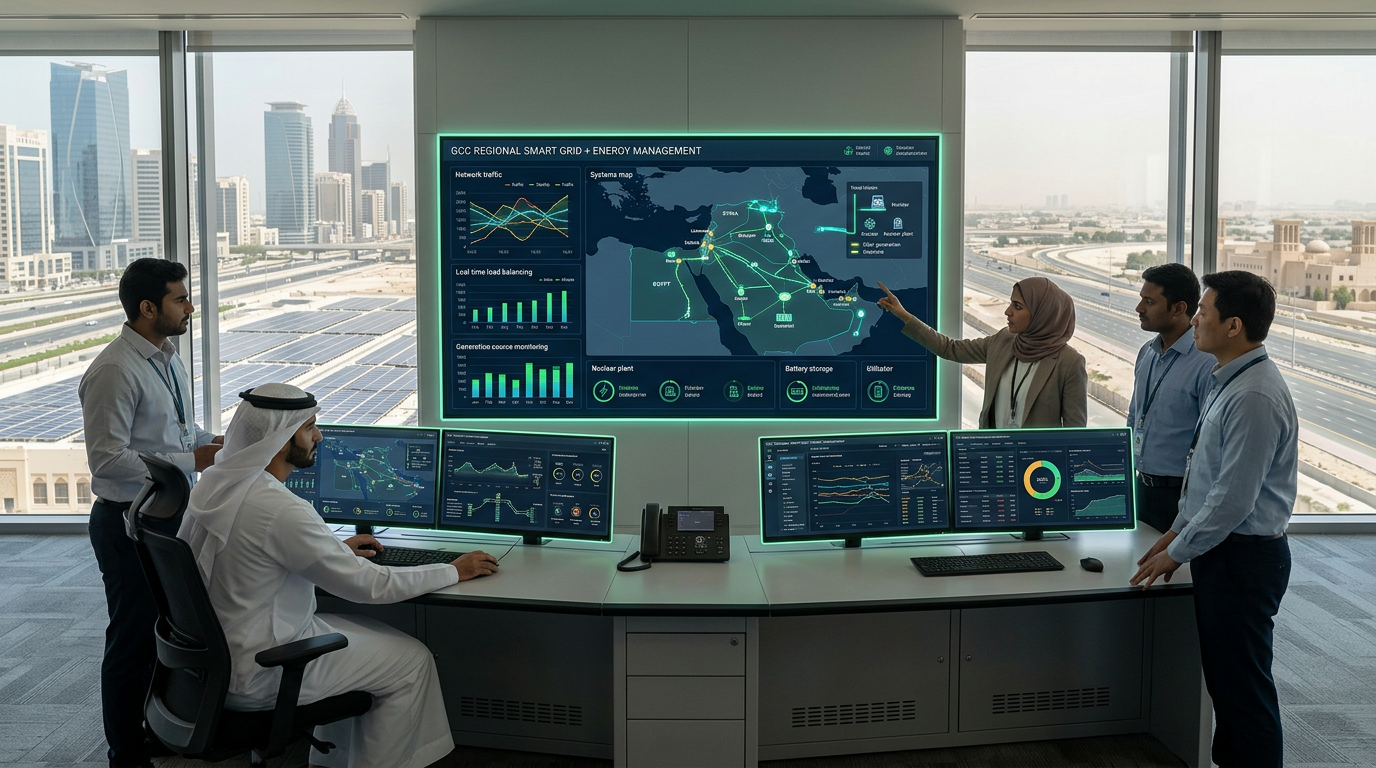
Gulf utilities are deploying AI-driven smart grid systems to manage the complex integration of nuclear, solar, gas, and battery storage across national power networks.
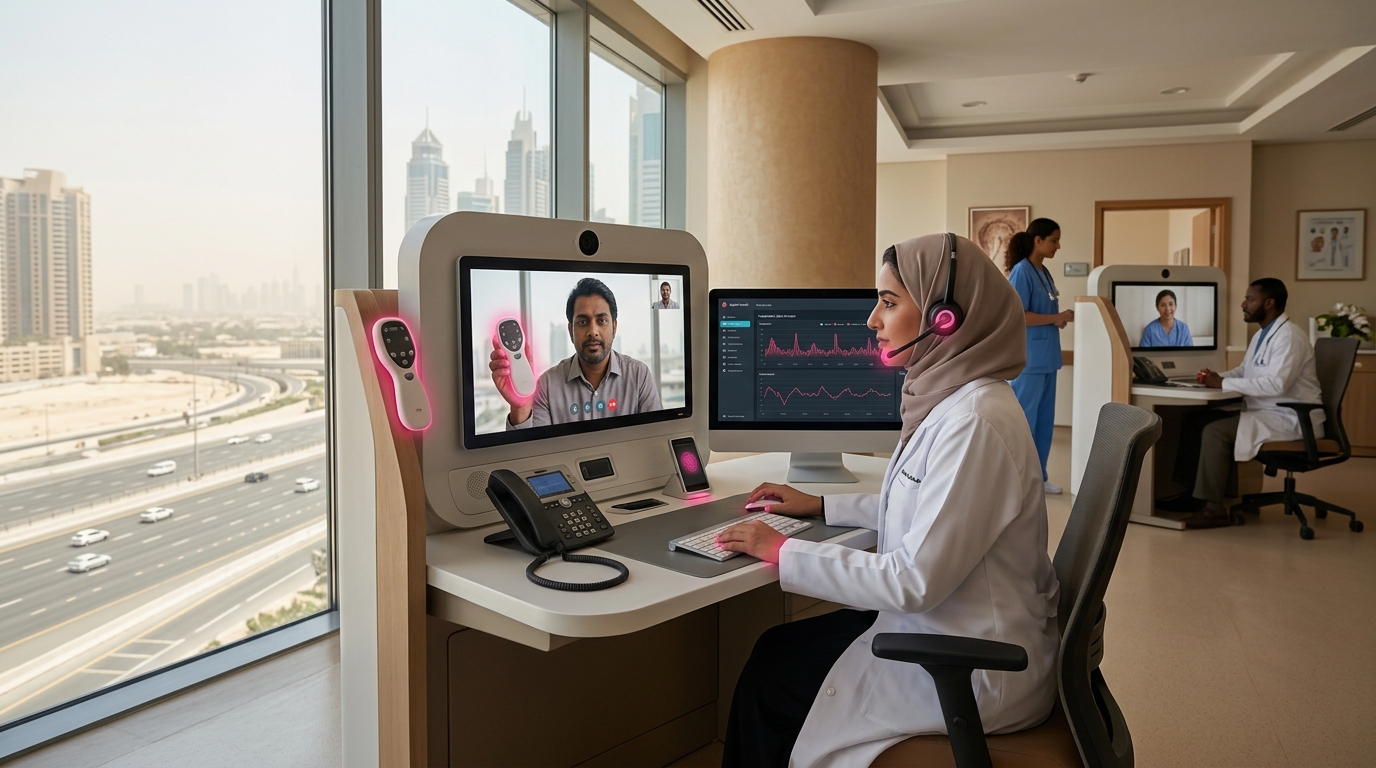
Gulf states accelerated telemedicine adoption post-COVID, with UAE and Saudi Arabia deploying AI-assisted remote diagnostics and digital health platforms across national healthcare systems.
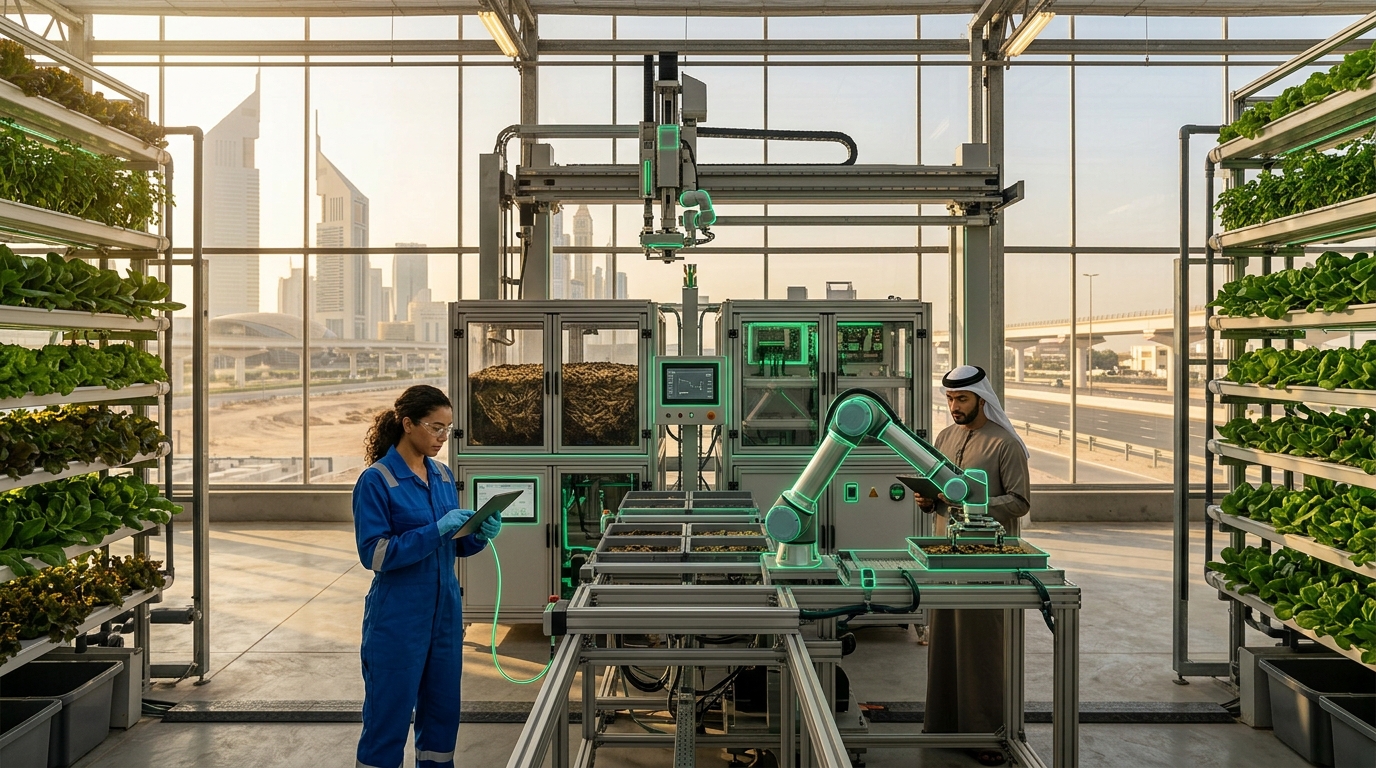
Dubai's GigaFarm initiative integrates AI-driven vertical farming with black soldier fly larvae waste processing to create a closed-loop food production system capable of 3 million kg of produce annually.
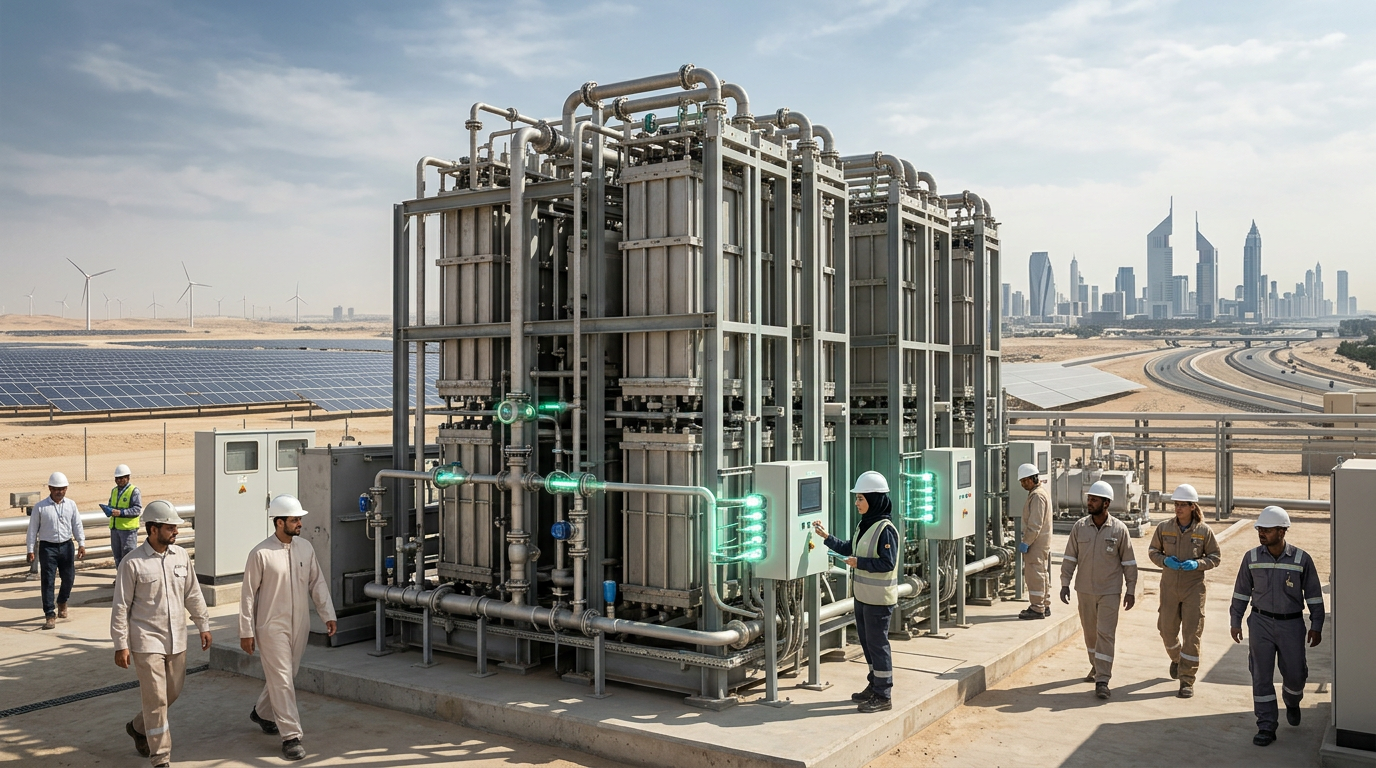
NEOM's green hydrogen facility — 80% complete as of Q1 2025 — will use 4 GW of solar and wind to power the world's largest electrolyzer array, producing 600 tonnes of carbon-free hydrogen daily for conversion to green ammonia by end of 2026.
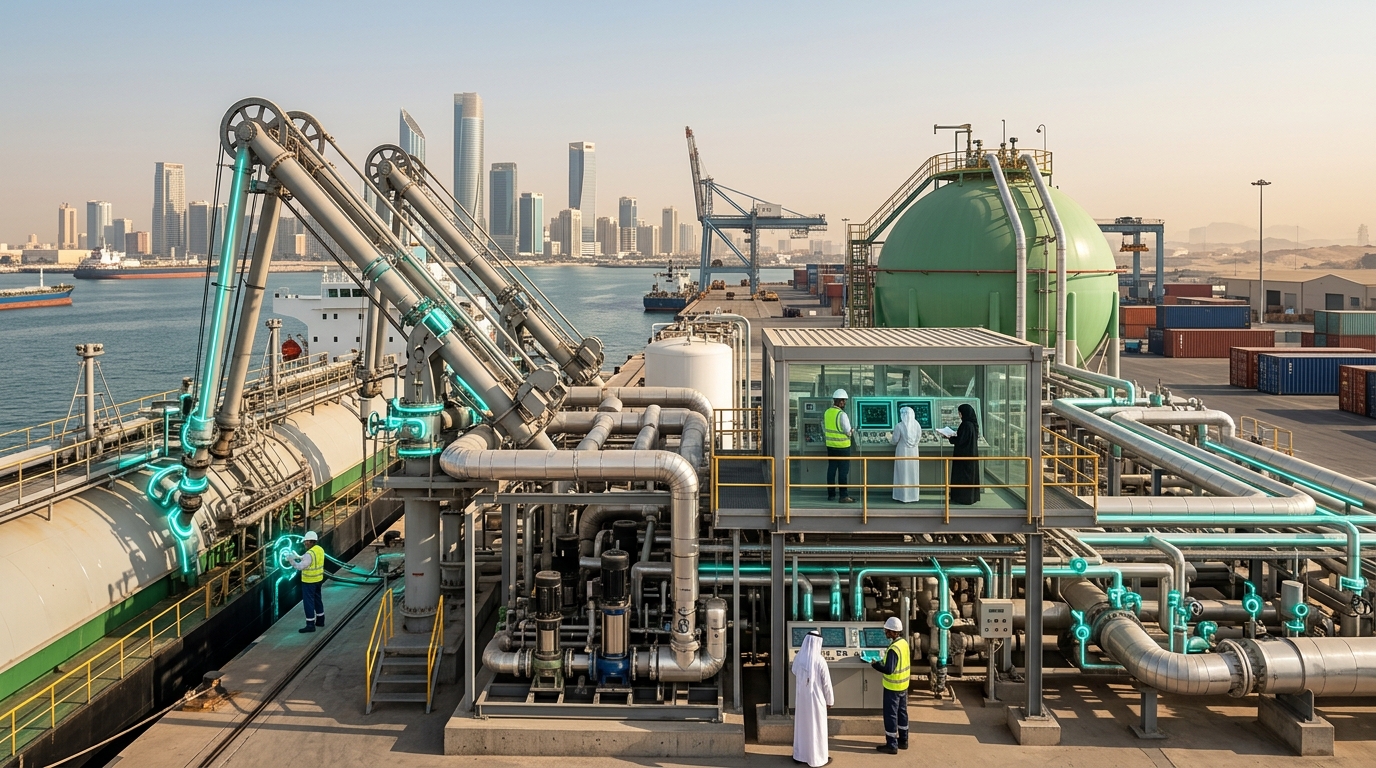
Saudi Arabia and the UAE are building green ammonia production and export infrastructure, leveraging the molecule as a hydrogen carrier for shipping to Europe and Asia.
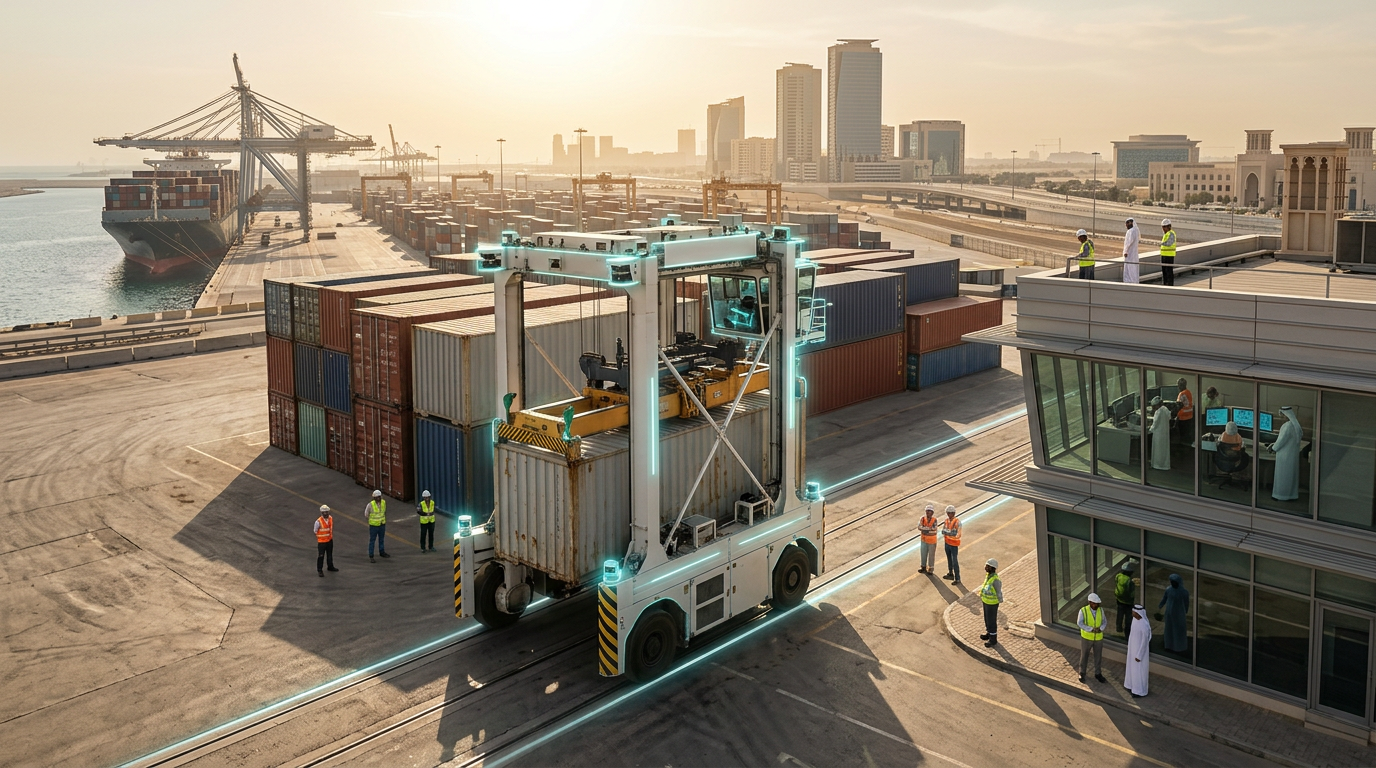
Jebel Ali (DP World), Khalifa Port, and King Abdullah Port deploy automated container handling, AI-driven logistics optimization, and blockchain-based trade documentation.
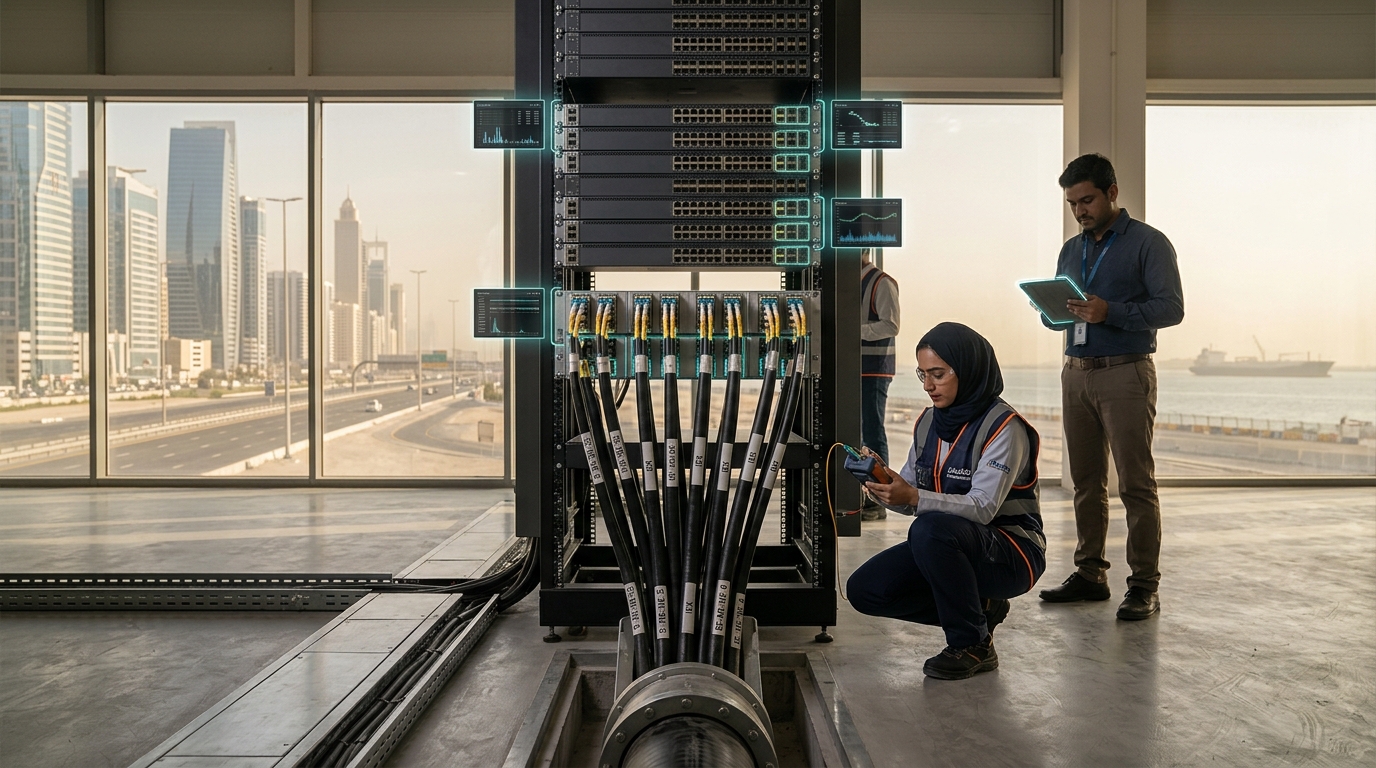
The UAE and Saudi Arabia are emerging as critical nodes in global submarine cable networks, with multiple new cable systems linking Europe, Africa, and Asia through Gulf landing stations.
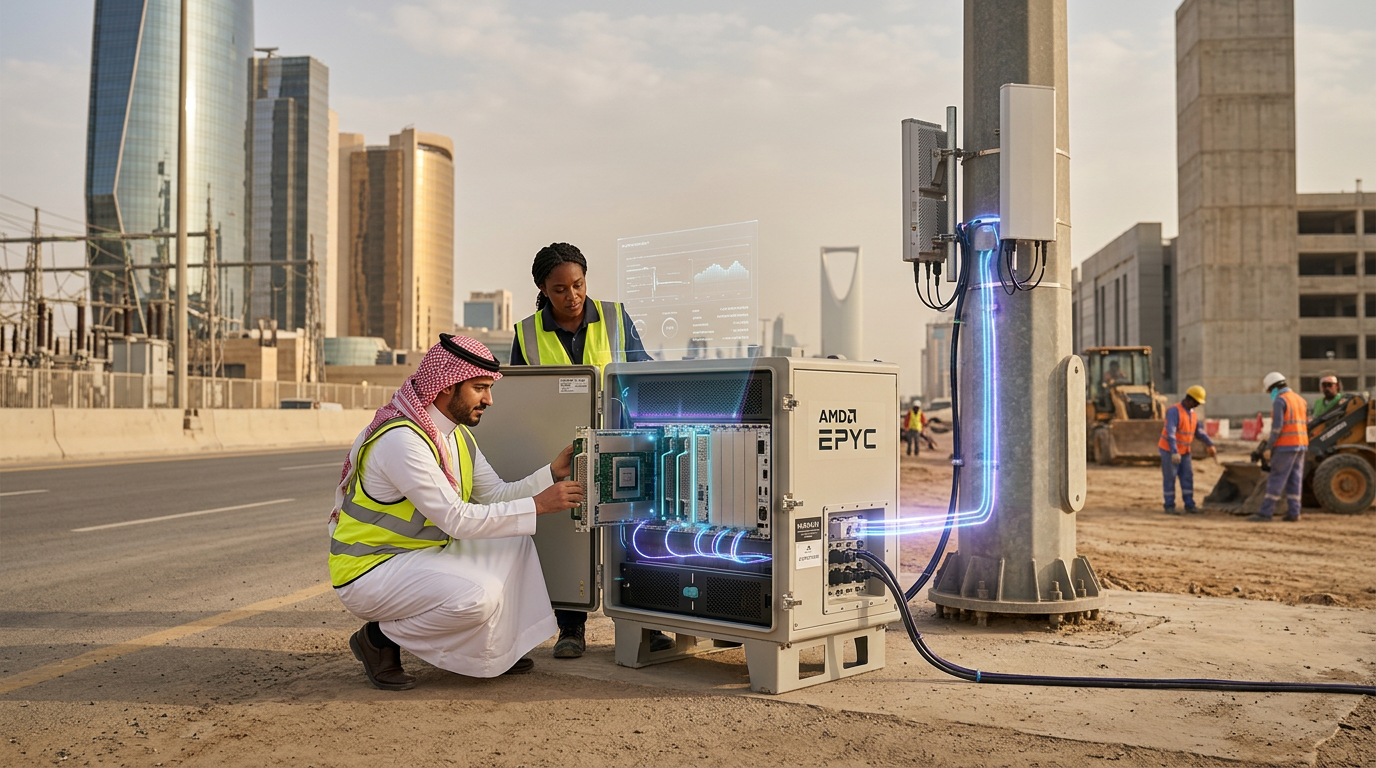
Saudi Arabia's PIF launched HUMAIN in May 2025 as a state-owned AI holding company, immediately signing a $10B deal with AMD and beginning data center construction.
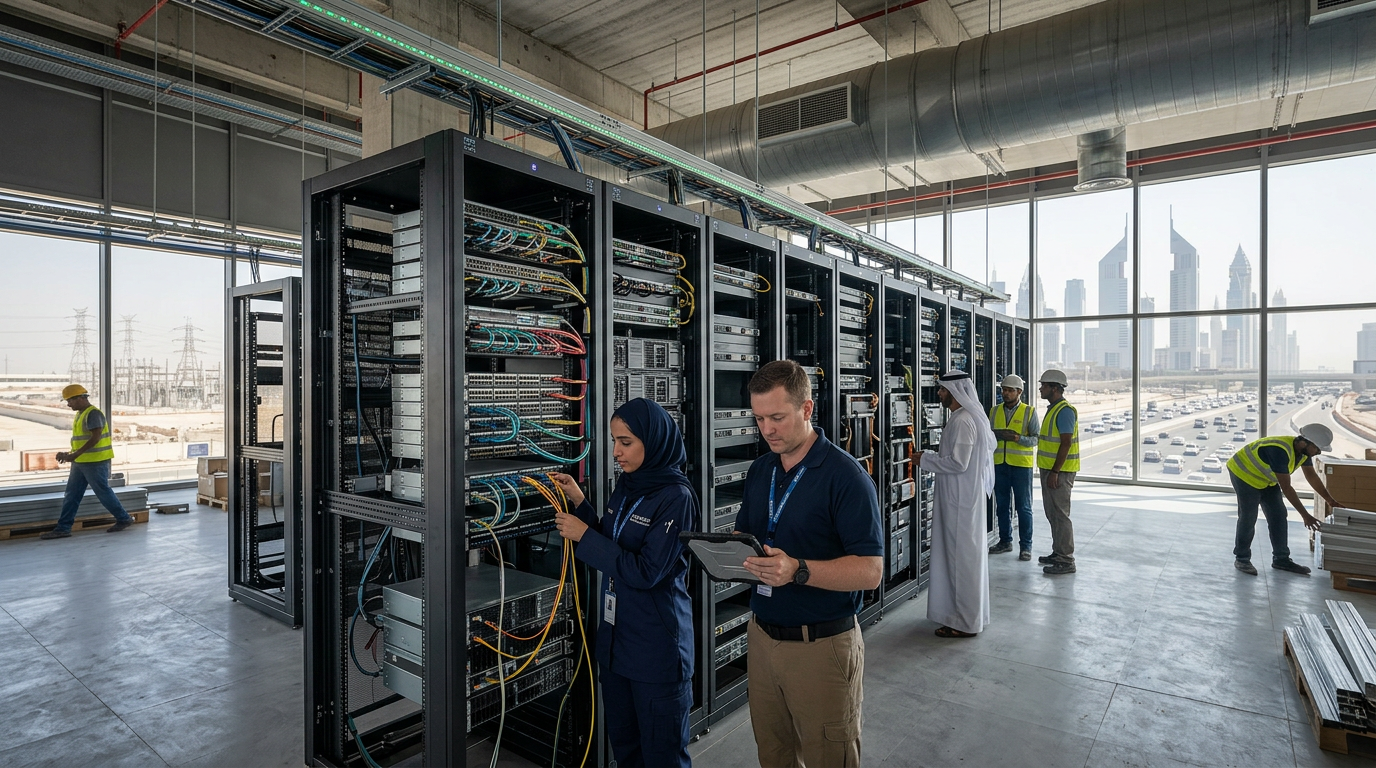
Gulf states are deploying $100B+ in AI data center infrastructure, including Saudi Arabia's $2.7B Hexagon initiative and the UAE's planned 1GW Stargate cluster.
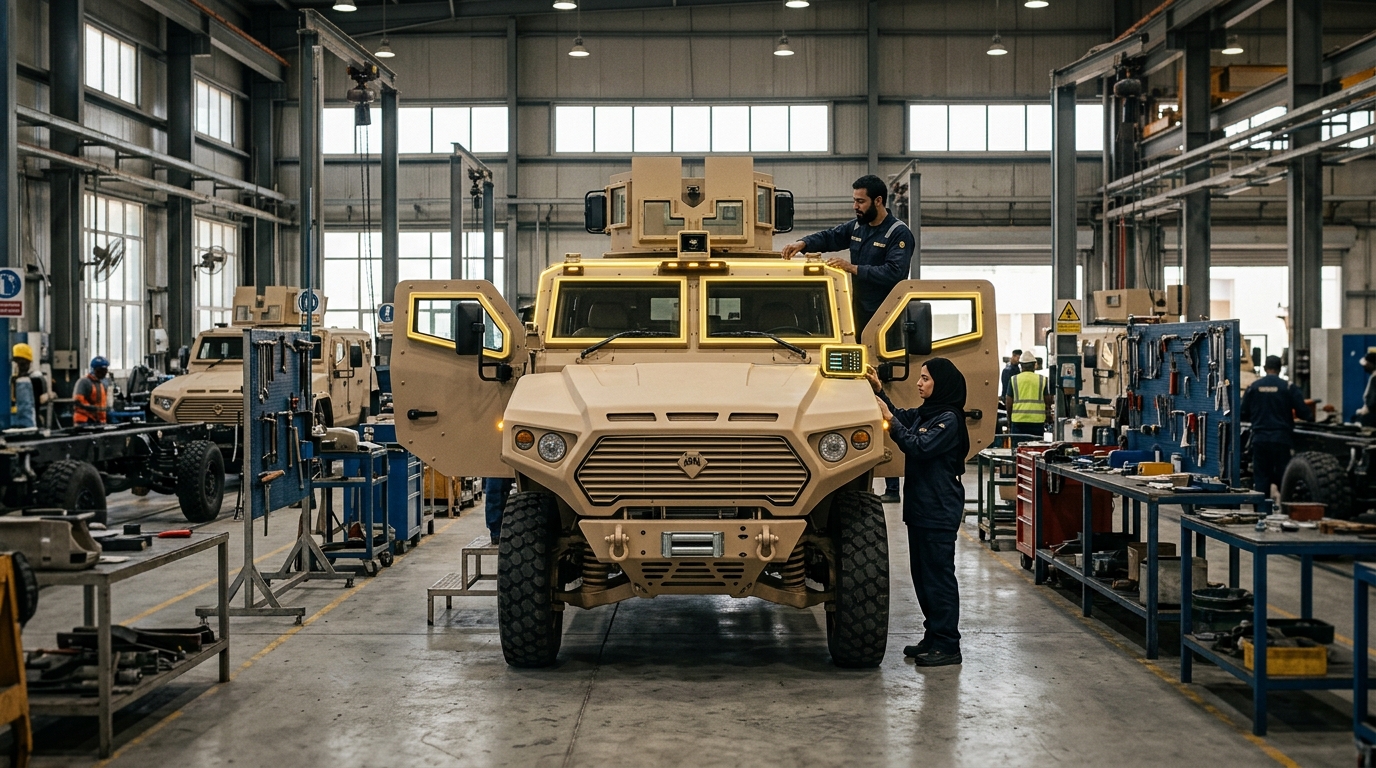
NIMR (UAE) and SAMI (Saudi Arabia) produce indigenous MRAPs and armored vehicles — the Ajban, HAFEET, and domestic variants — reducing dependence on Western defense imports.
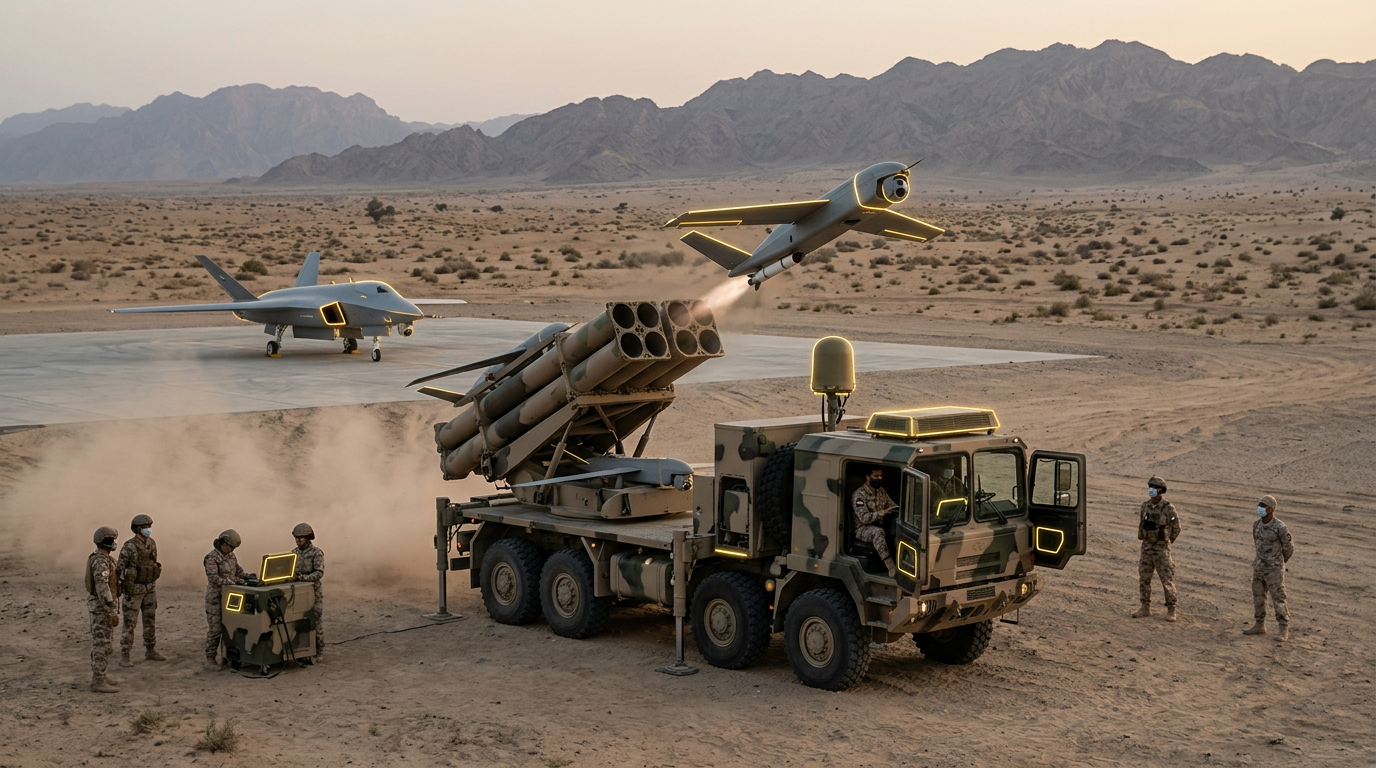
EDGE's QX-1/2/3 loitering munitions and Shadow jet-powered UAVs provide the Gulf's first domestically-produced autonomous strike drones with satellite-linked navigation.
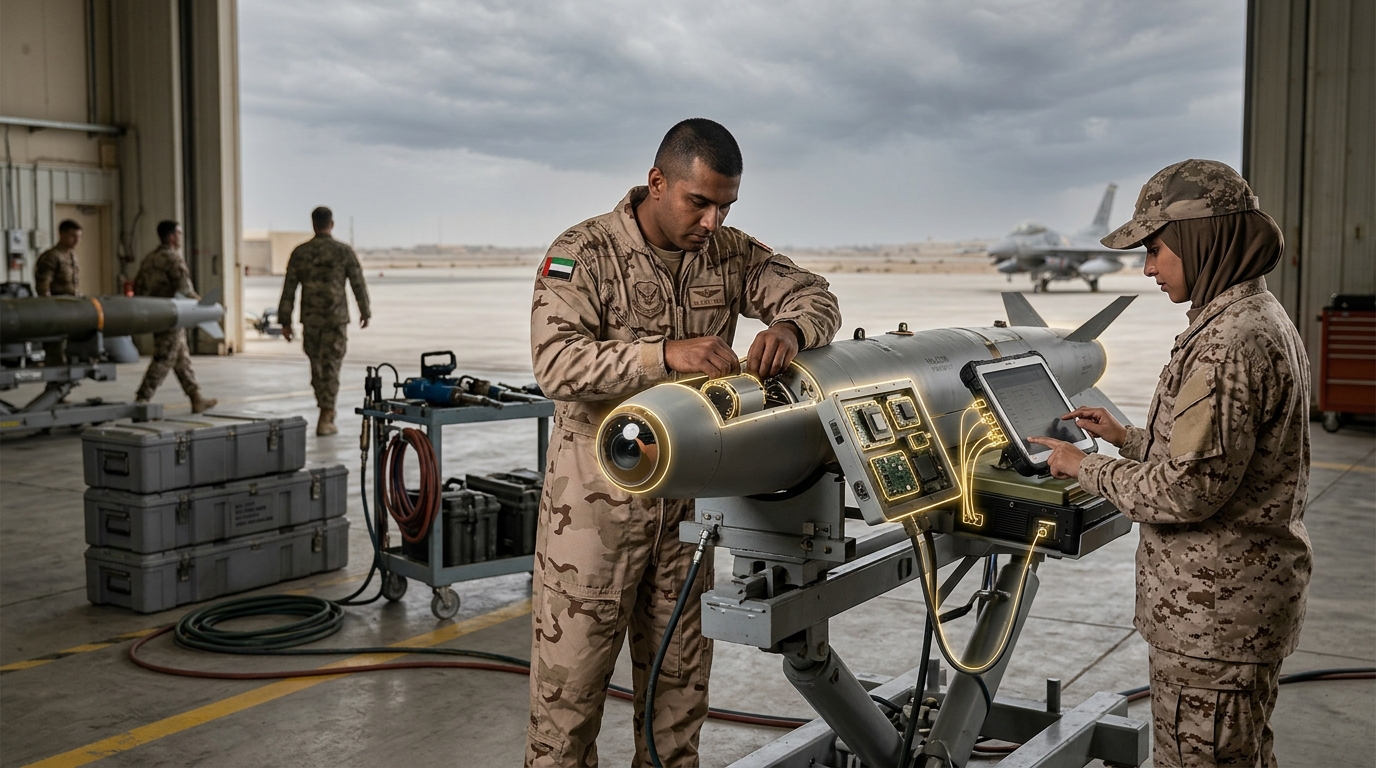
UAE's Halcon produces the Thunder guidance kit and WSM-1 missile — the Gulf's first indigenously-designed precision munitions, exported to multiple nations.
G42's Core42 has built Jais, a bilingual Arabic-English LLM purpose-built for enterprise automation in Arabic-first markets.
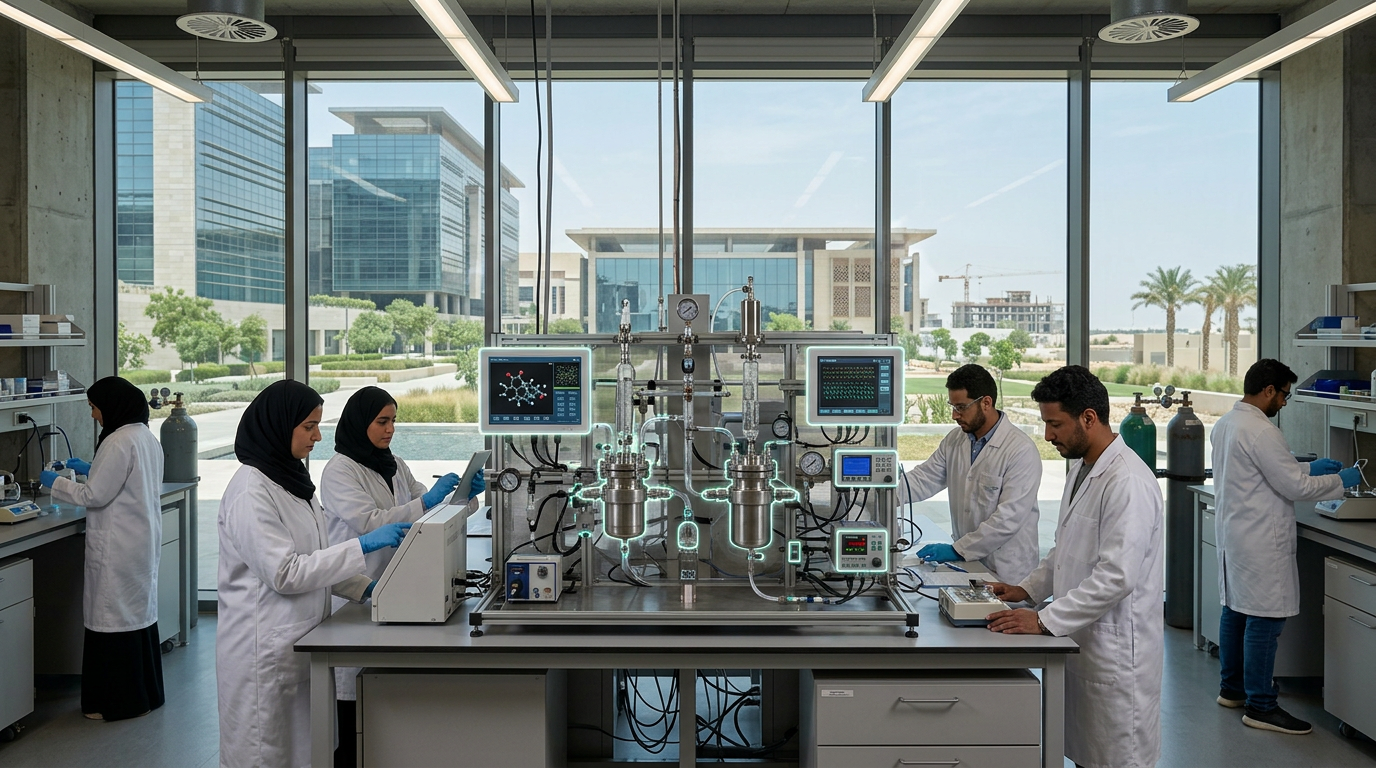
King Abdullah University of Science and Technology has become the Gulf's premier research university, producing world-class output in materials science, catalysis, desalination, and computational biology.
The Kuwait Investment Authority, the world's oldest sovereign wealth fund, is increasingly allocating capital to global technology companies and venture capital, though Kuwait's domestic tech ecosystem remains nascent.
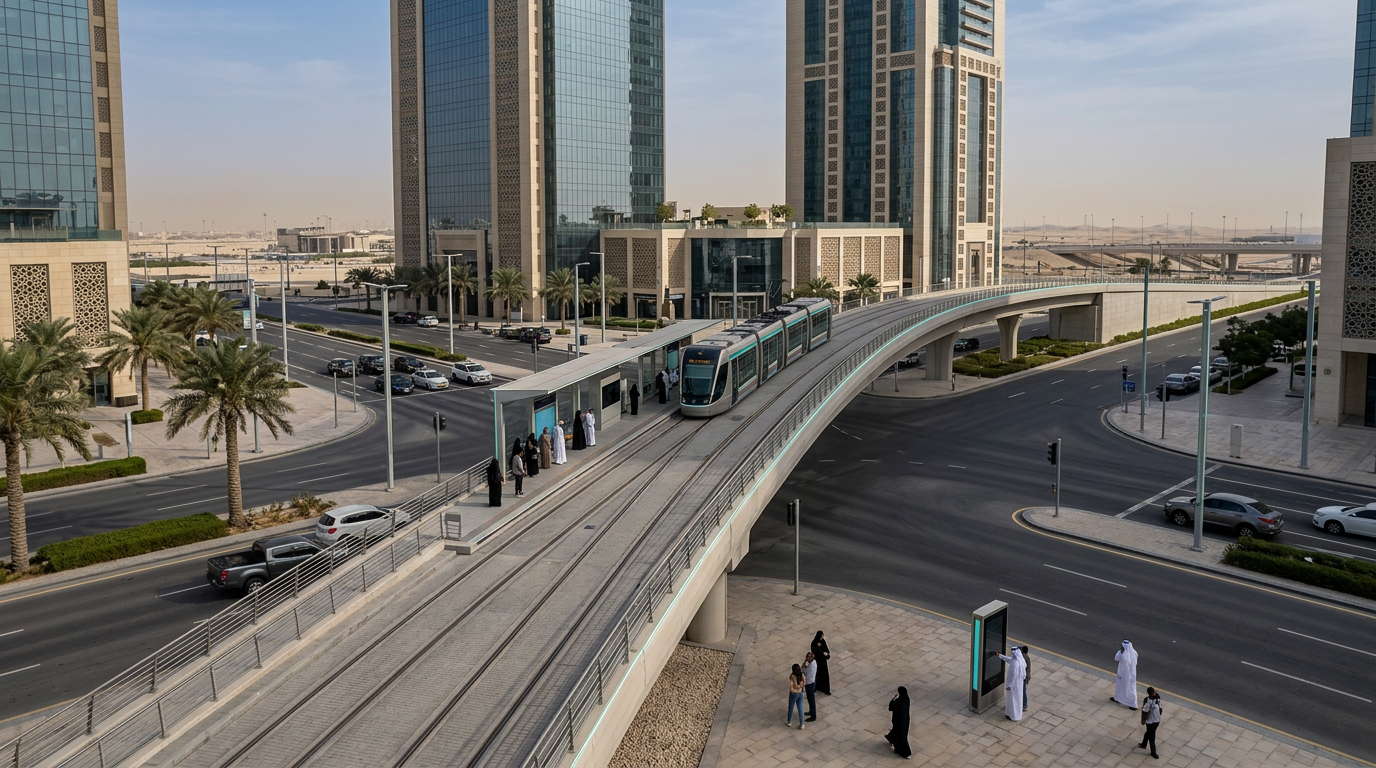
Qatar's Lusail City — built for the 2022 World Cup — is being converted into one of the Gulf's most advanced smart cities with AI-driven infrastructure, integrated light rail, and real-time IoT management serving 250,000 planned residents.
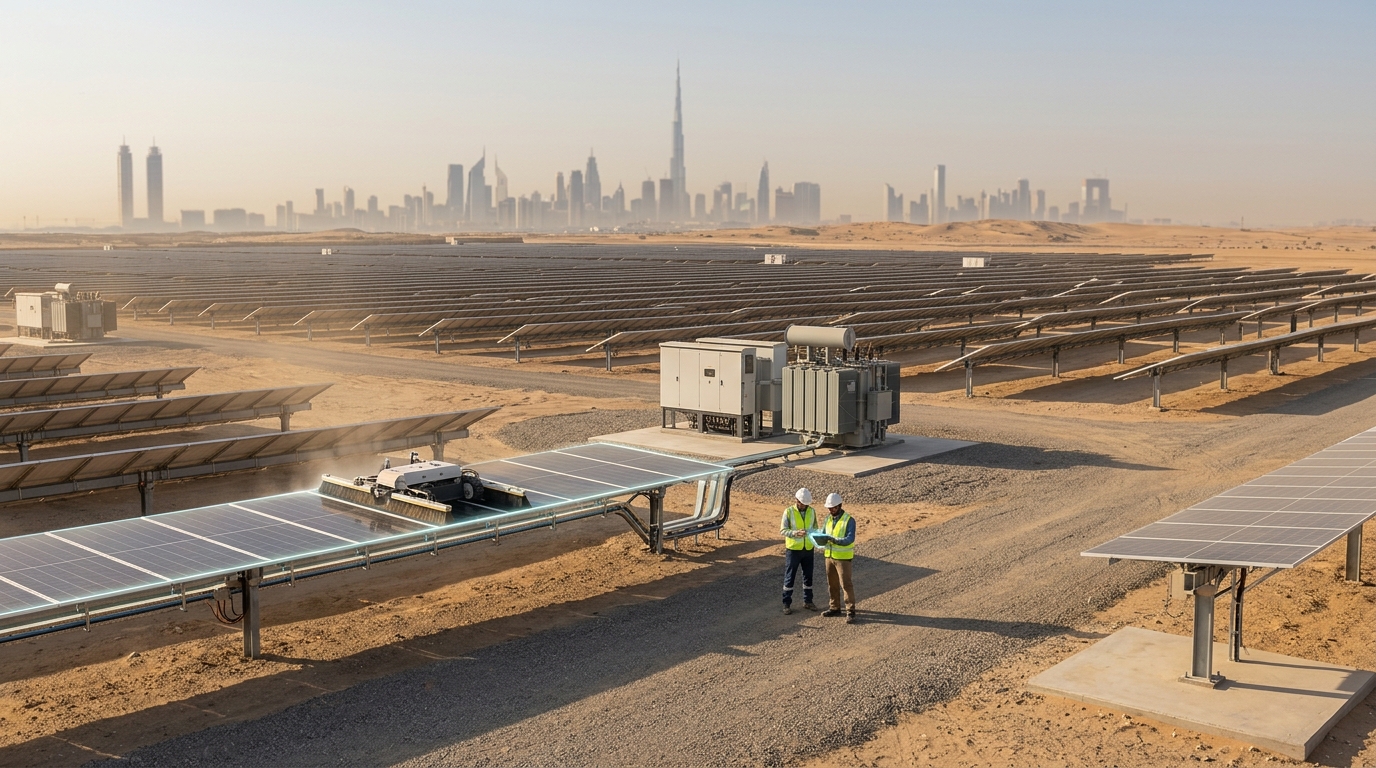
Masdar, jointly owned by Mubadala, ADNOC, and ADQ, has become one of the world's largest renewable energy companies with AED 600B ($163B) allocated to renewables by 2050.
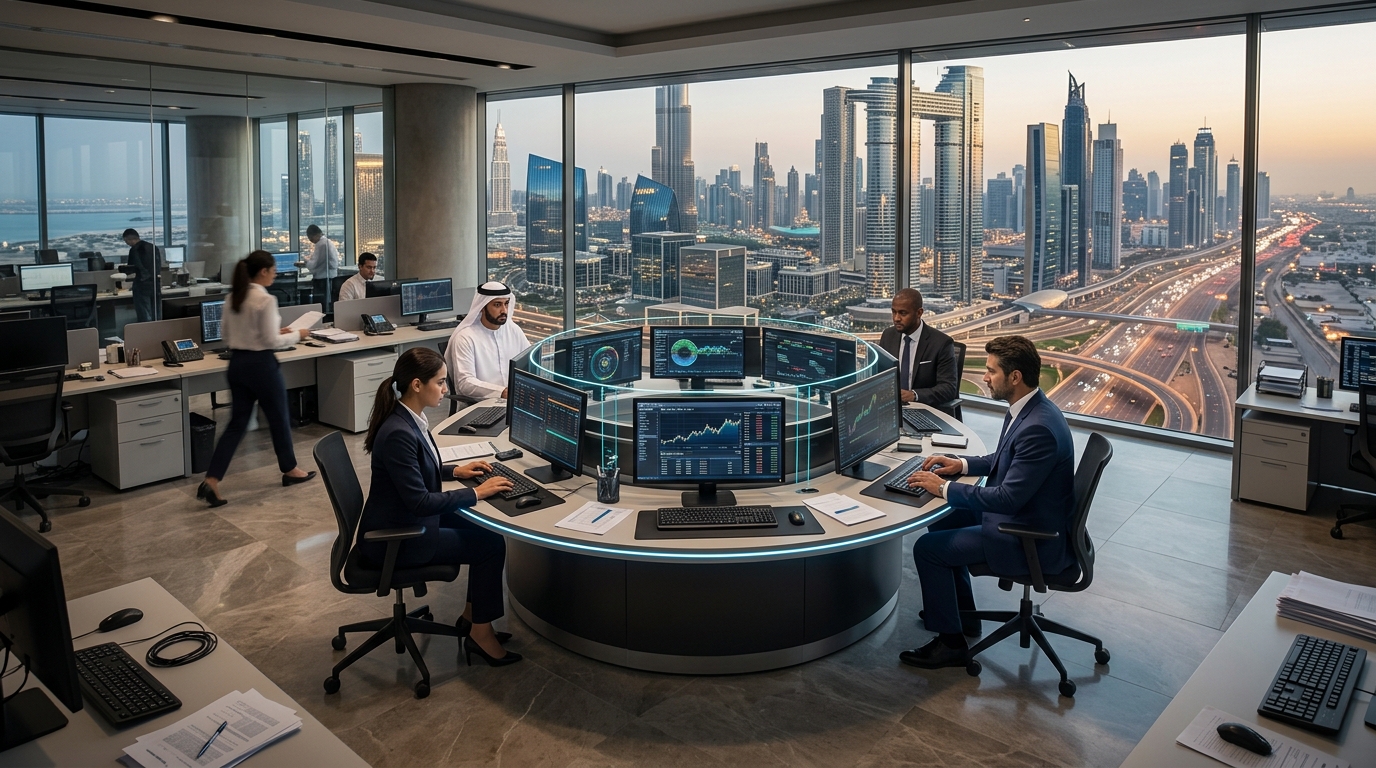
Project mBridge — connecting central banks of the UAE, Saudi Arabia, China, Hong Kong, and Thailand — went live in 2025 as the world's first commercial cross-border CBDC payment system, enabling instant settlement that bypasses SWIFT.
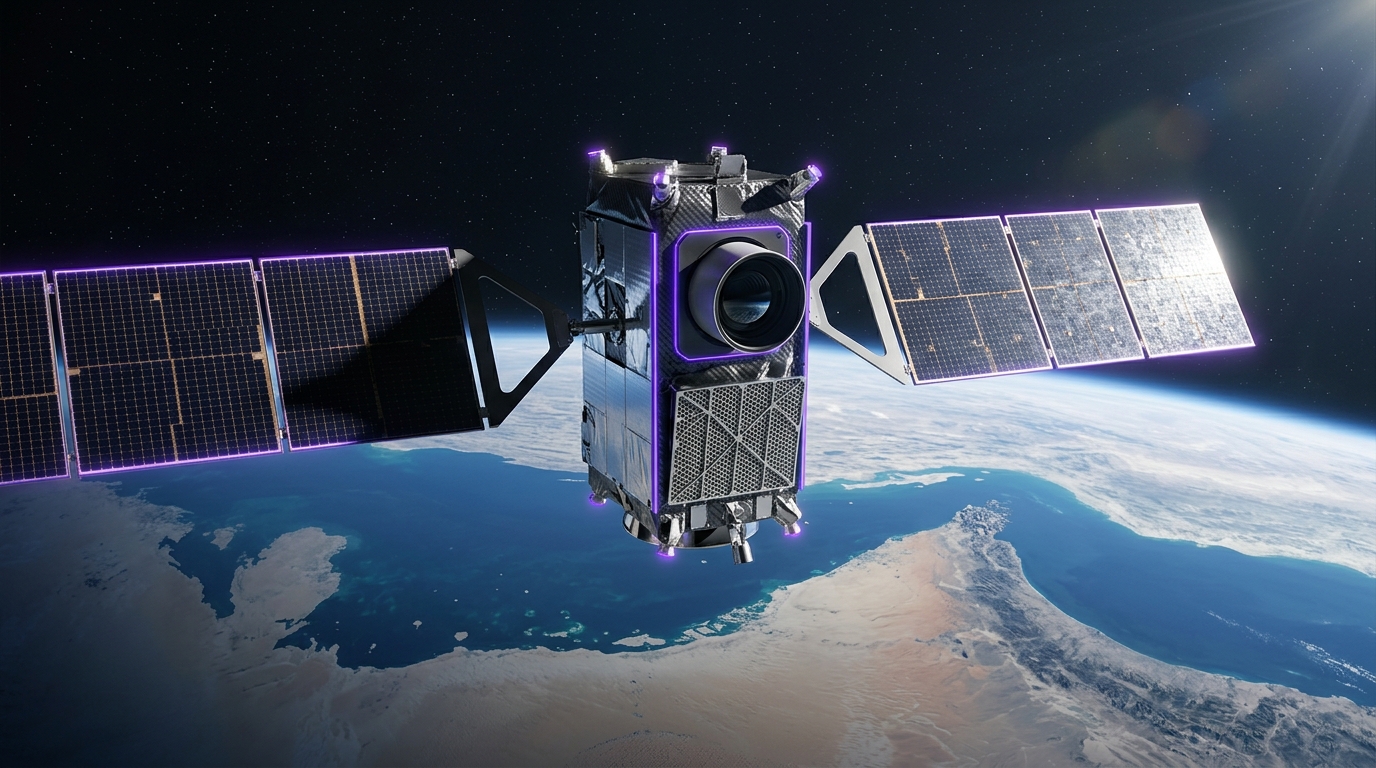
MBZ-SAT, launched January 2025, is the most advanced Earth-imaging satellite in the Middle East — with 90% of mechanical components manufactured by UAE companies, marking the transition from imported to indigenous satellite production.
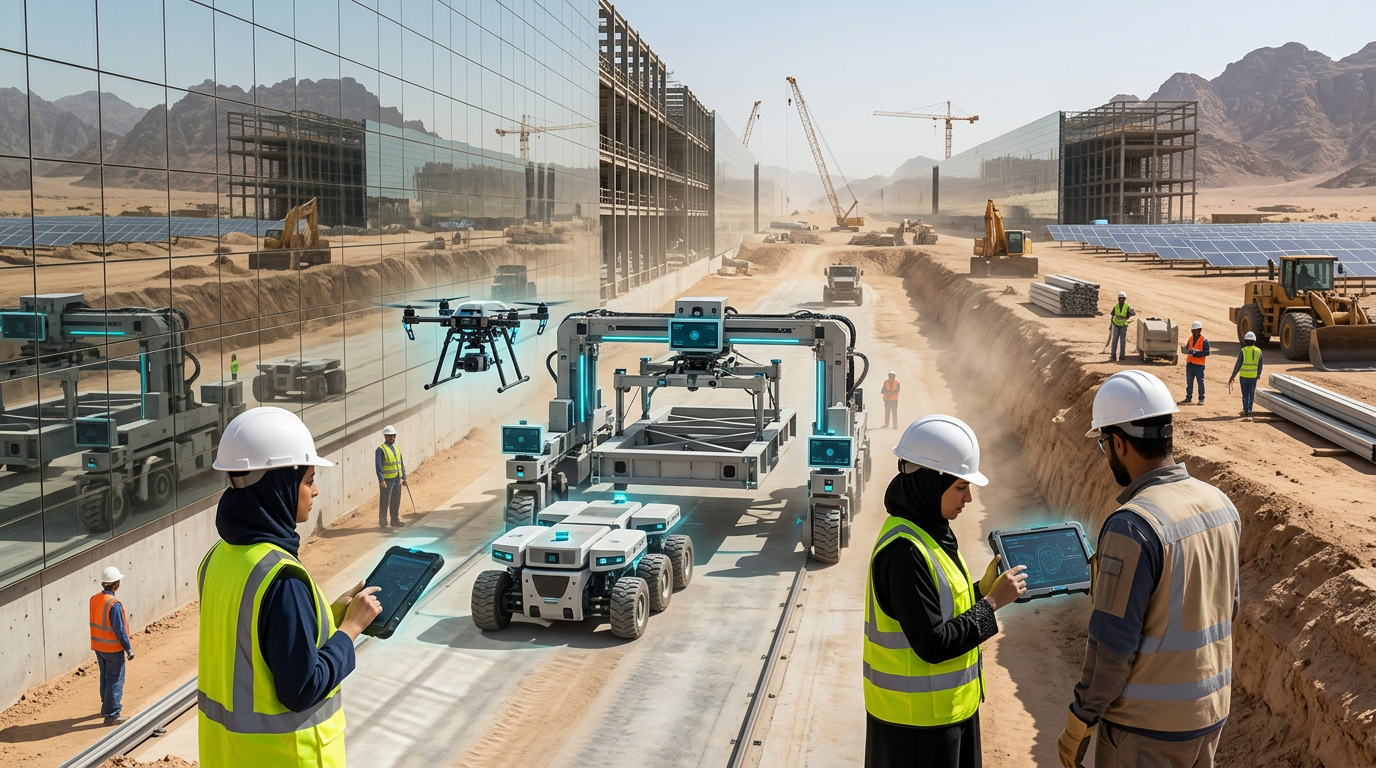
Saudi Arabia's $500B linear city has been descoped from 170km to a 5km initial segment by 2030, but the underlying smart city technologies in logistics, construction, and urban systems remain in active development.
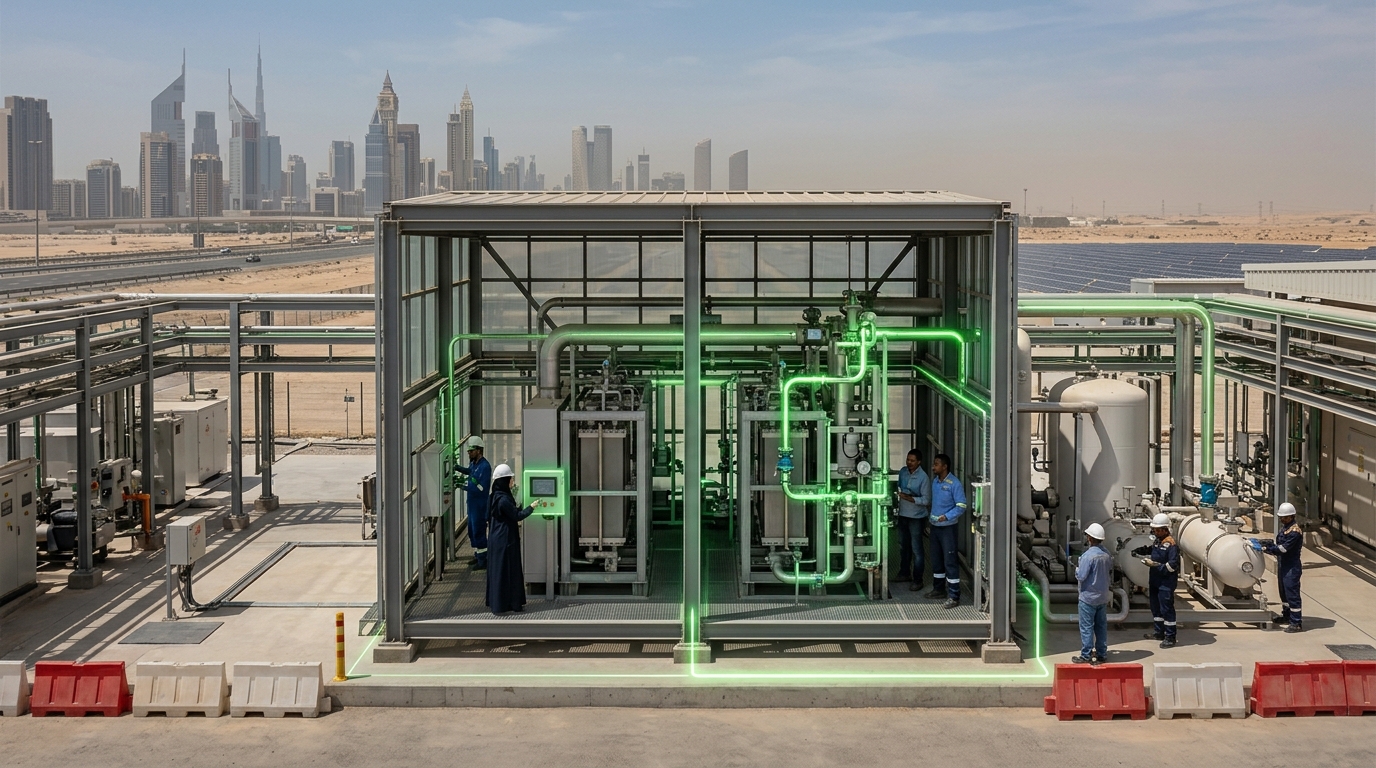
The $8.4B NEOM green hydrogen facility, backed by ACWA Power and Air Products, will produce 600 tonnes/day from 4+ GW of dedicated solar and wind capacity.
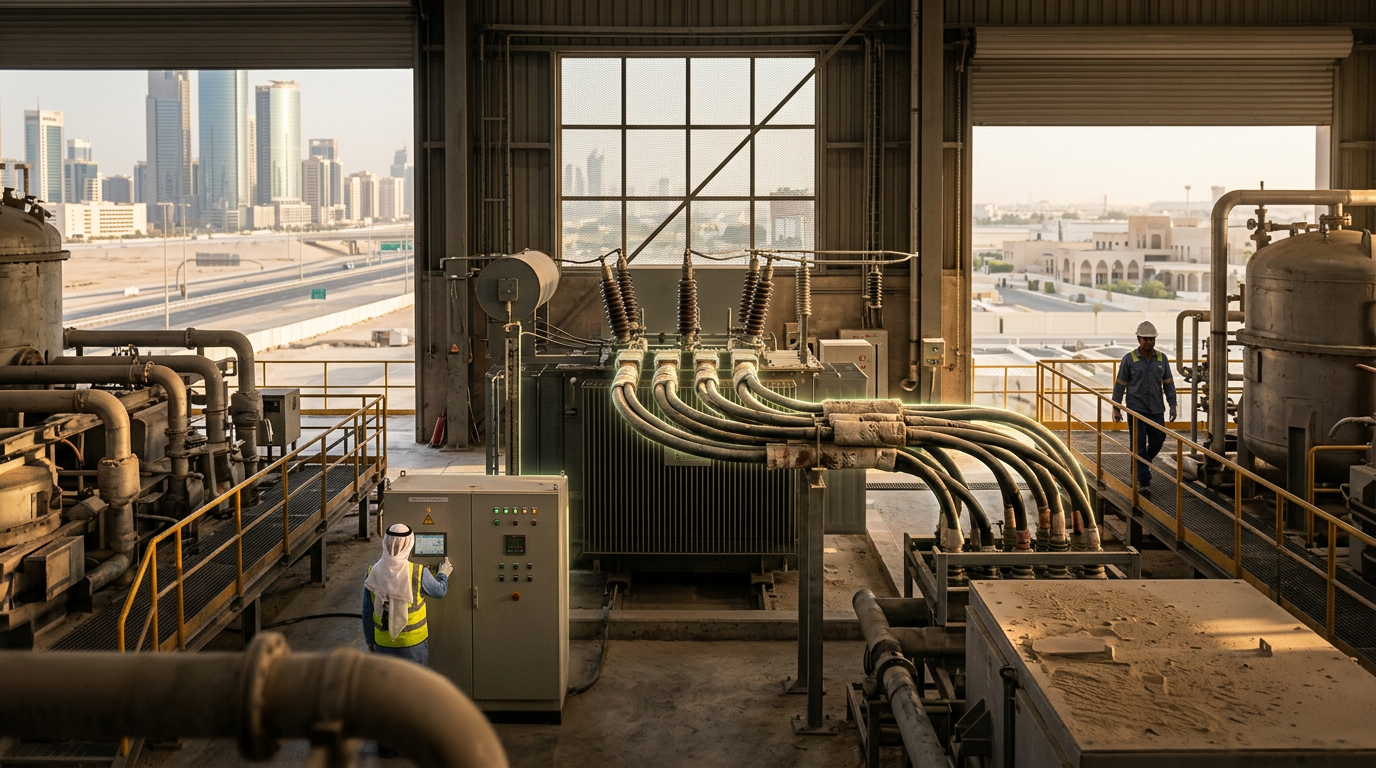
UAE exported the first aluminium smelted with nuclear electricity from Barakah in August 2025, creating a new low-carbon benchmark for one of the world's most energy-intensive industries.
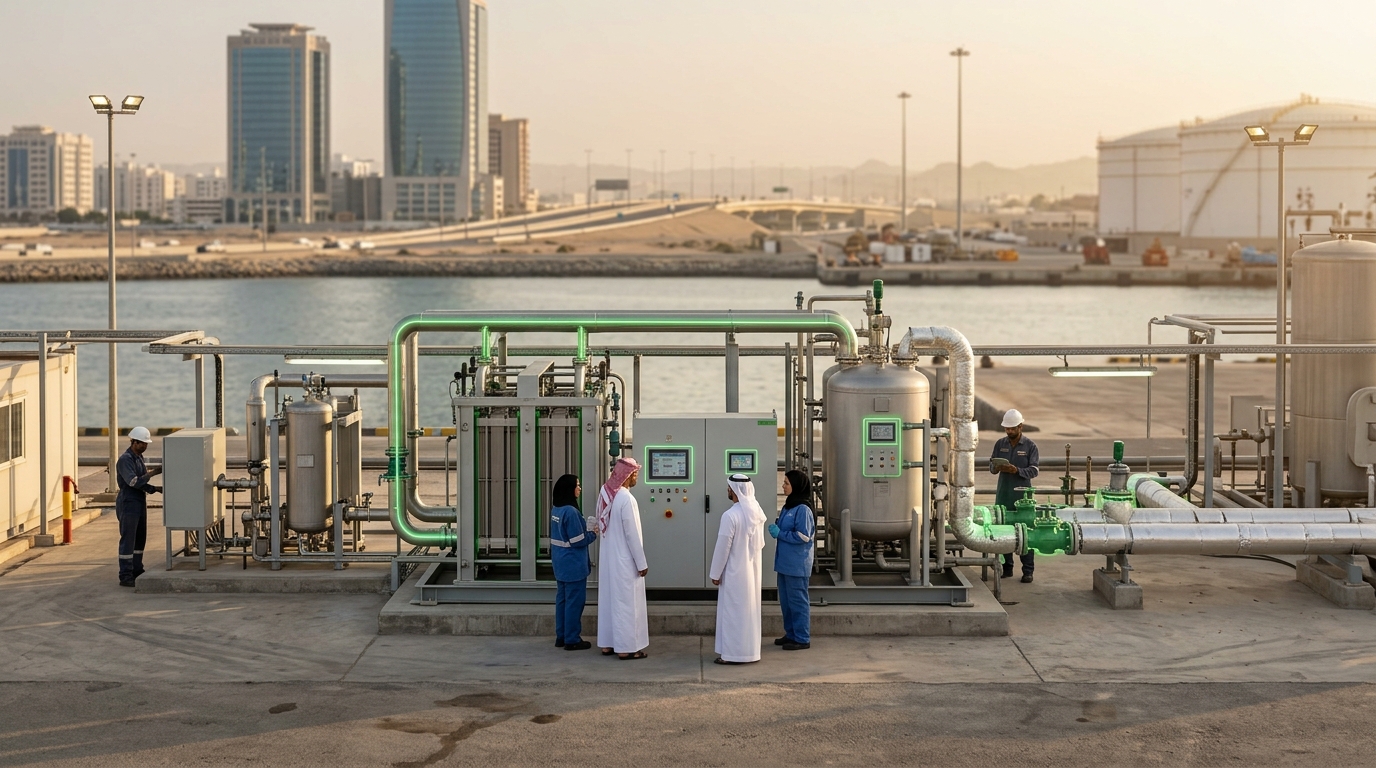
Oman's Hydrom has awarded $11B+ in green hydrogen projects across 8 land blocks, positioning the sultanate as a major clean fuel exporter to Europe and Asia.
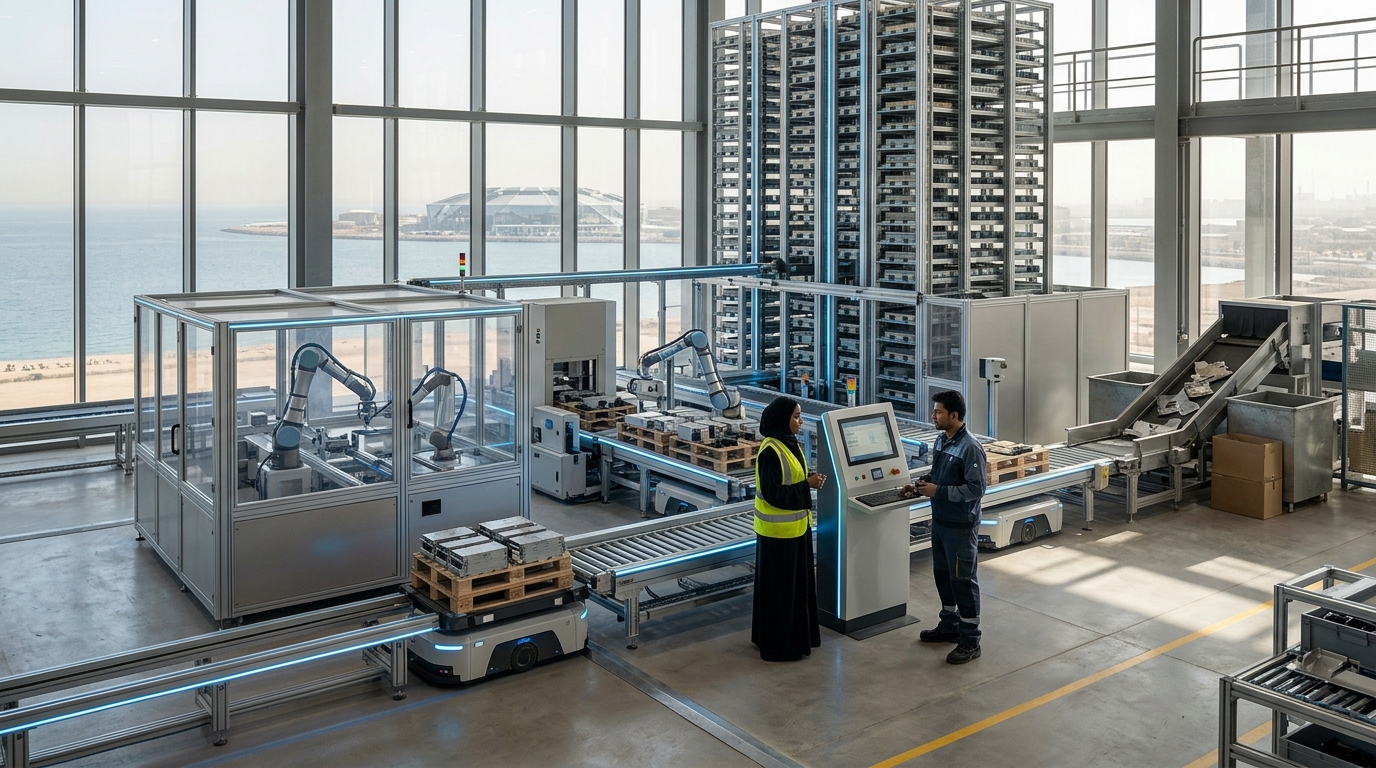
NEOM's Oxagon — the world's first fully integrated Industry 4.0 manufacturing city — embeds robotics, digital twins, and circular economy principles into a 200 km² octagonal industrial complex on the Red Sea, with a net-zero AI factory campus under development.
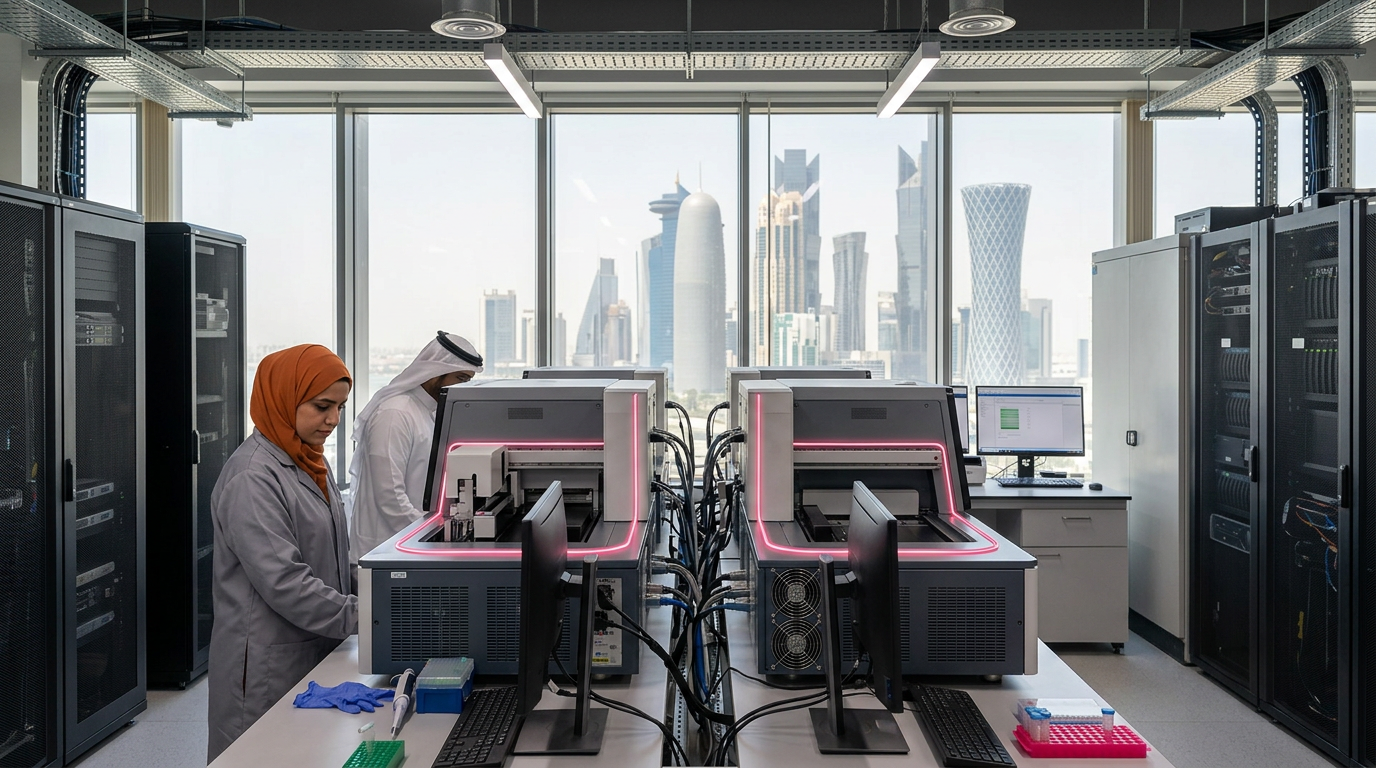
Qatar's Genome Programme and UAE-Saudi national sequencing initiatives are building the world's largest Arab population genomic databases — sequencing hundreds of thousands of genomes from underrepresented MENA populations to enable precision medicine for 400+ million people.
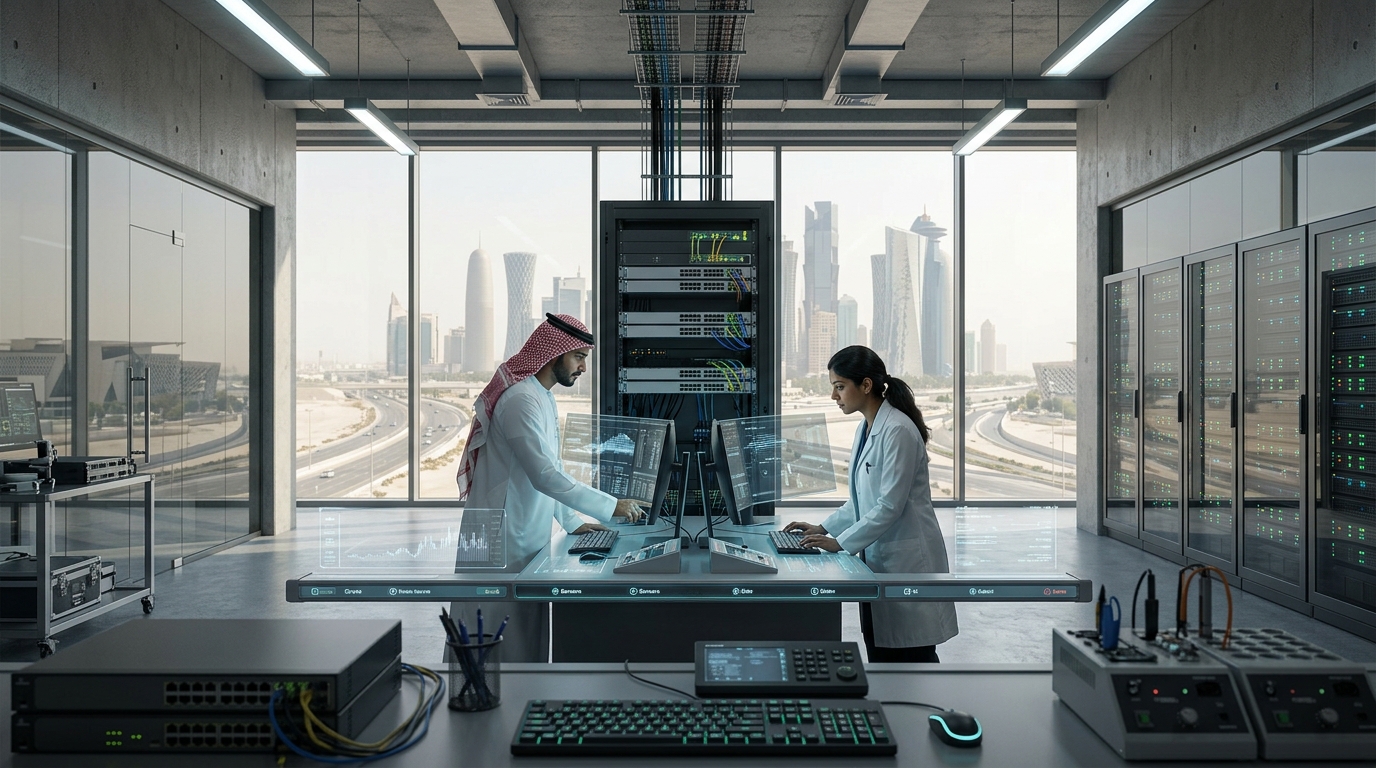
Qatar Free Zones Authority and Education City host branch campuses of 8 major universities and 40+ international research institutions, building a knowledge economy hub.
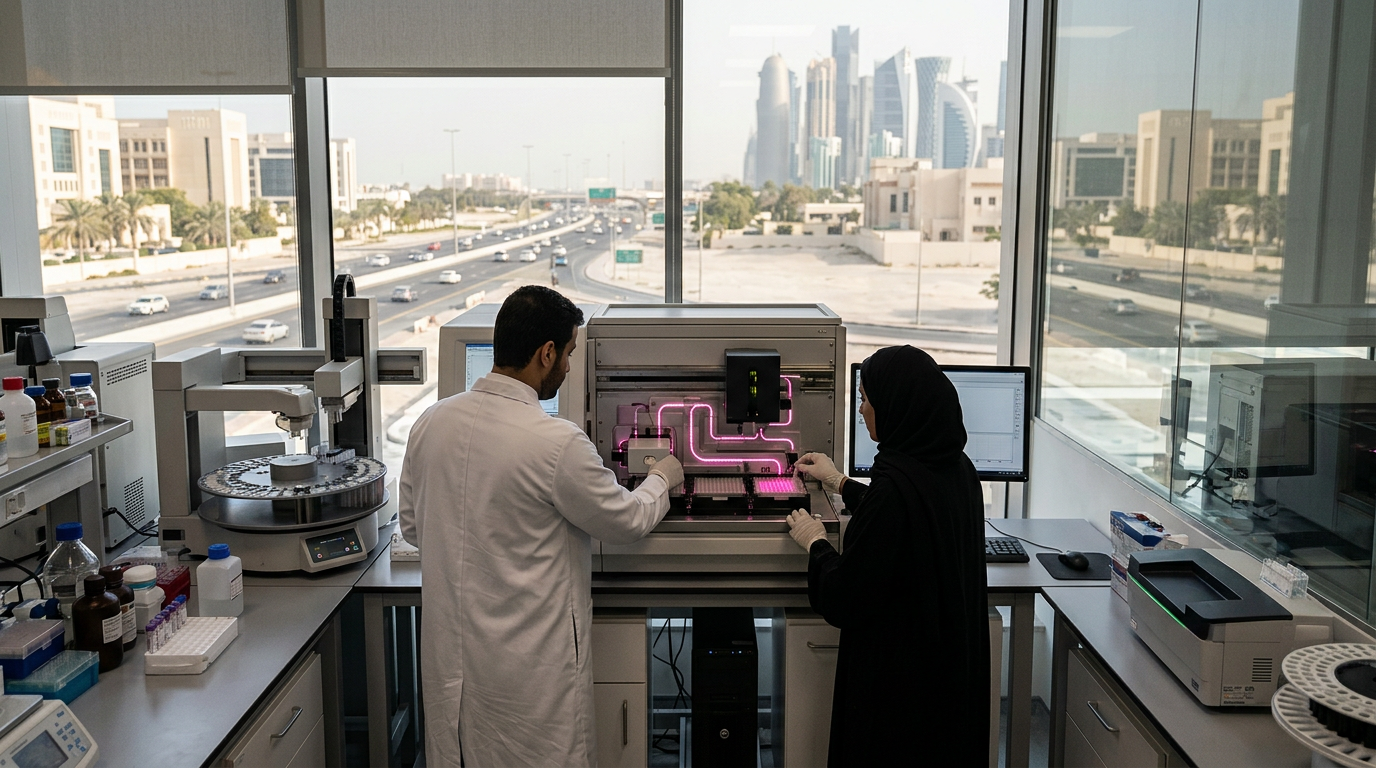
Qatar's national genome programme is building one of the world's most comprehensive population-scale genomic databases, enabling precision medicine for Arab populations historically underrepresented in genetic research.
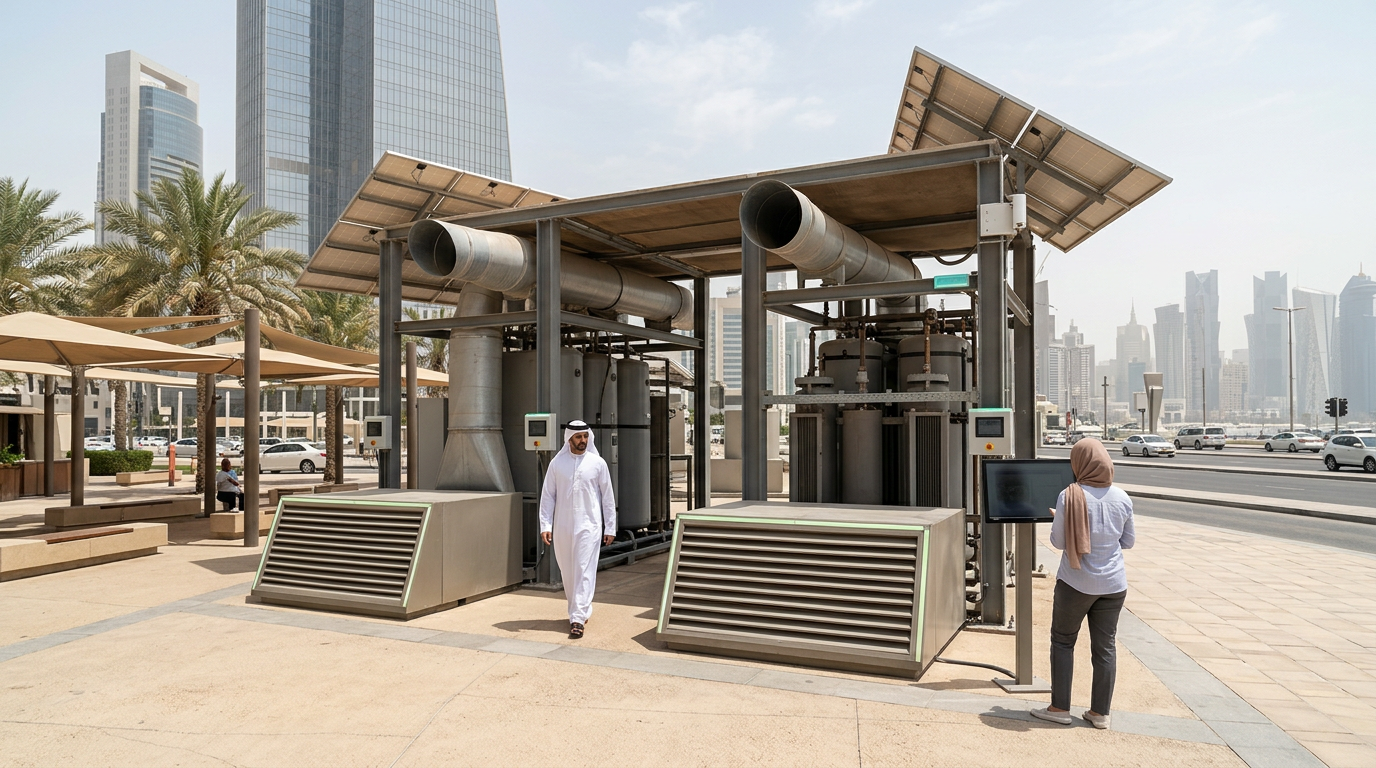
Qatar's World Cup cooling technology — solar-powered systems that maintain open-air stadiums at 21°C despite 40°C+ ambient heat — is now deployed in commercial plazas, greenhouses, and worker camps across the country.
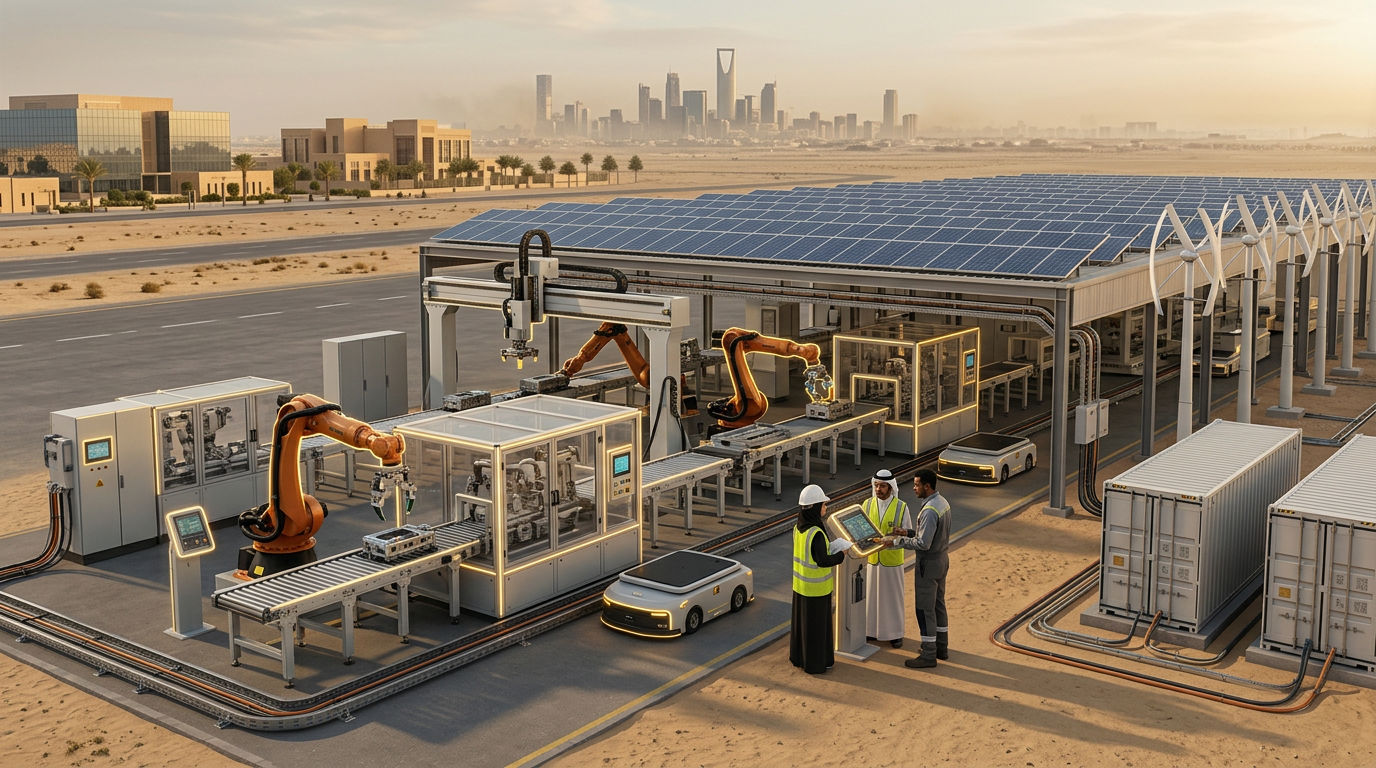
Saudi Arabia is deploying greenfield autonomous manufacturing systems — fully robotic production lines powered entirely by on-site renewable energy — designed from scratch without legacy constraints, integrating digital twins, IoT, and AI-driven quality control in a net-zero industrial framework.
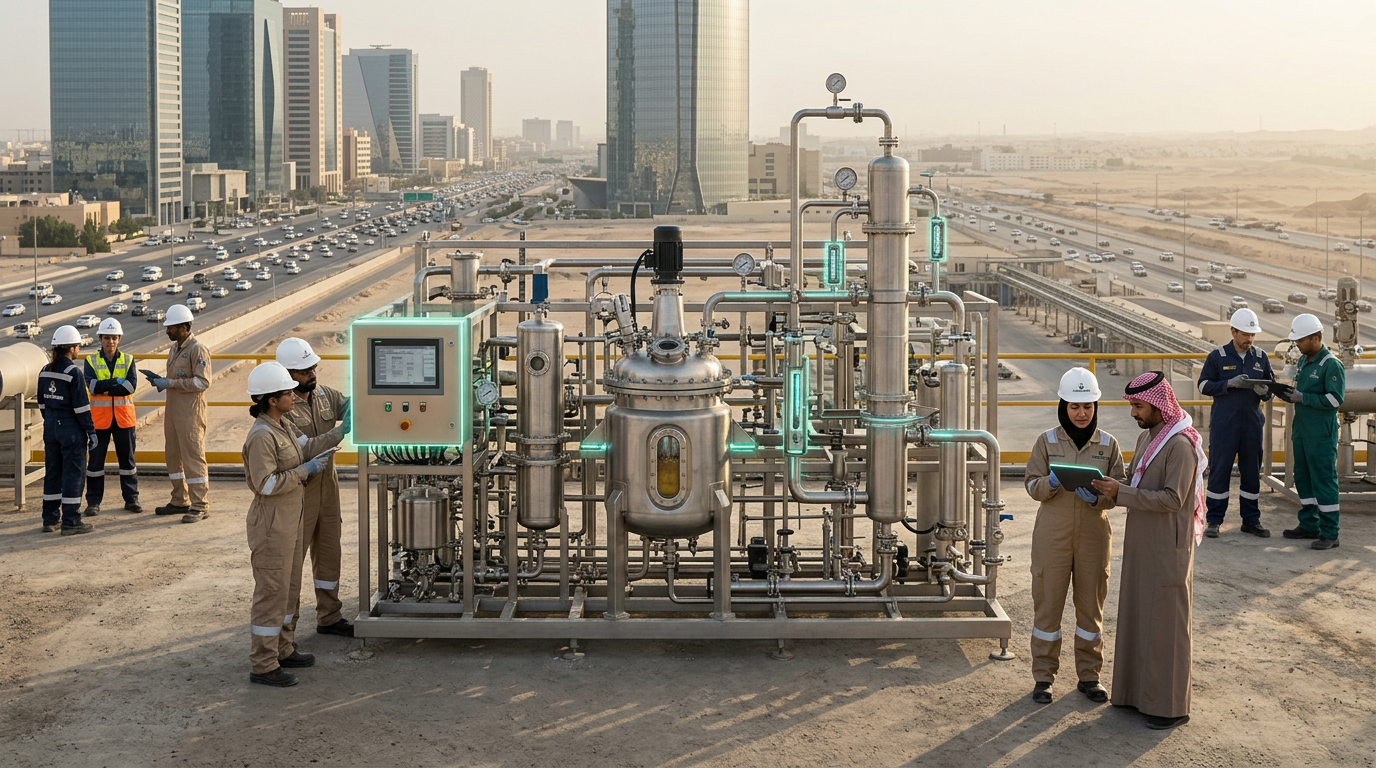
Saudi Arabia unveiled a $100 billion mining investment program for critical minerals and rare earth elements, with Ma'aden partnerships and a 595% increase in exploratory mining budgets, directly challenging China's 90% monopoly on rare earth processing.
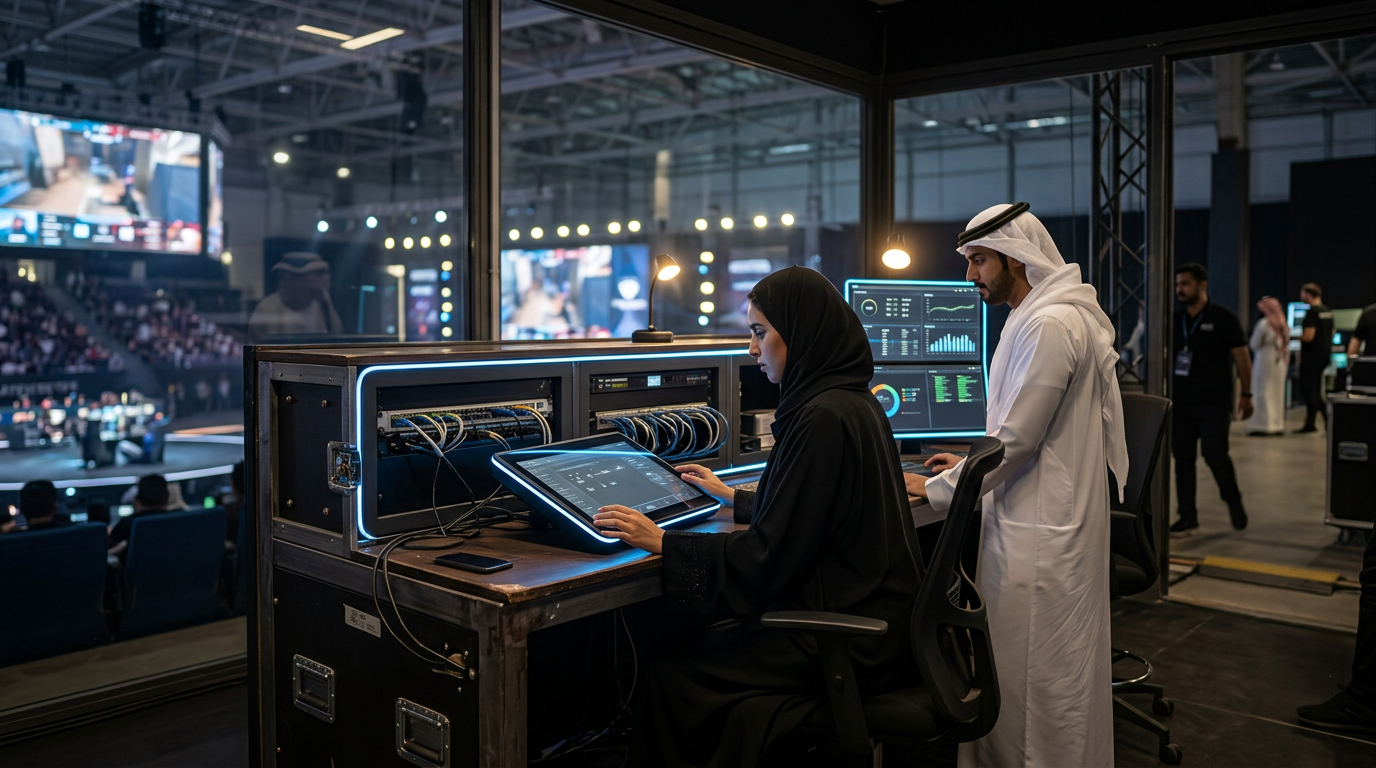
Saudi Arabia is deploying advanced entertainment technology across mega-venues including Qiddiya's Six Flags theme park, AlUla heritage digitization, and Jeddah's e-sports arena.
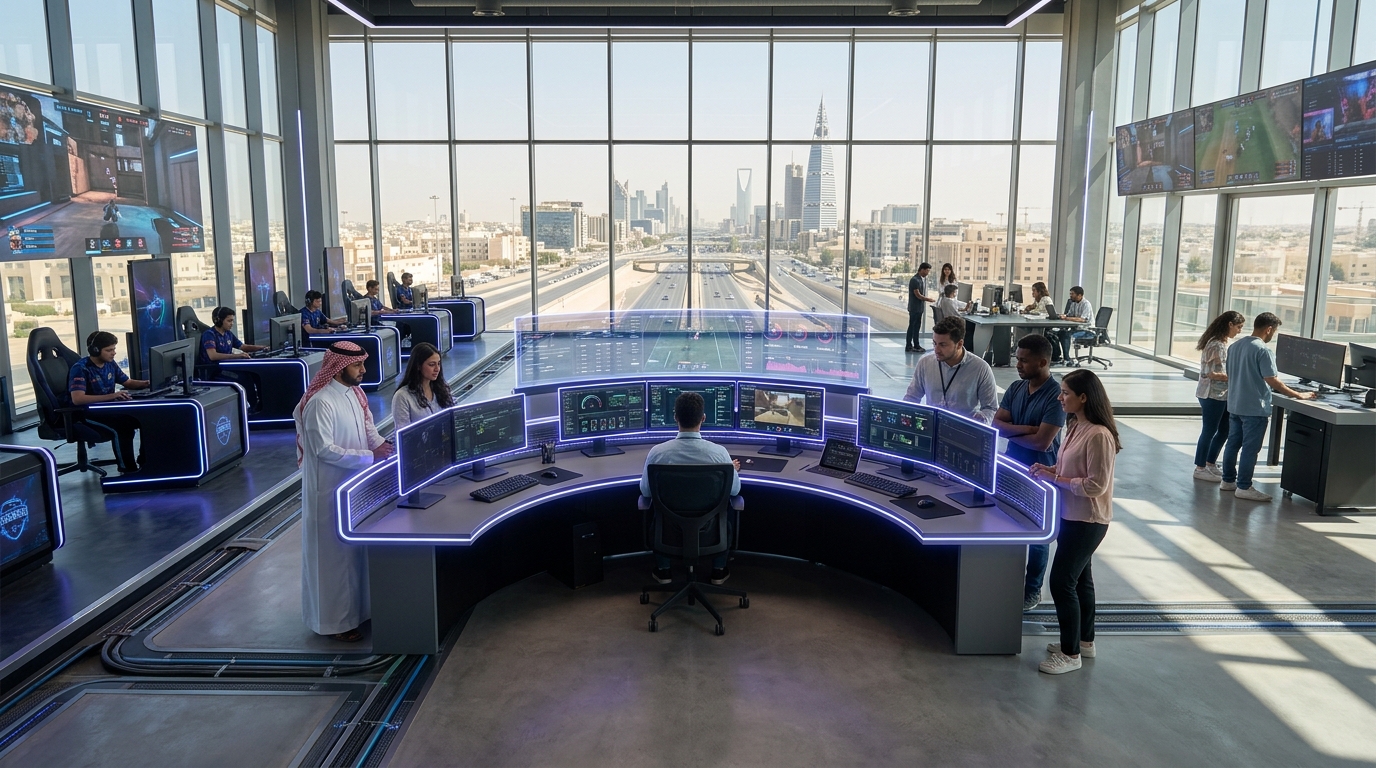
Saudi Arabia has invested over $38B in gaming through PIF's Savvy Gaming Group, acquiring ESL/FACEIT and taking major stakes in Nintendo, Activision, and EA to build a global gaming hub.
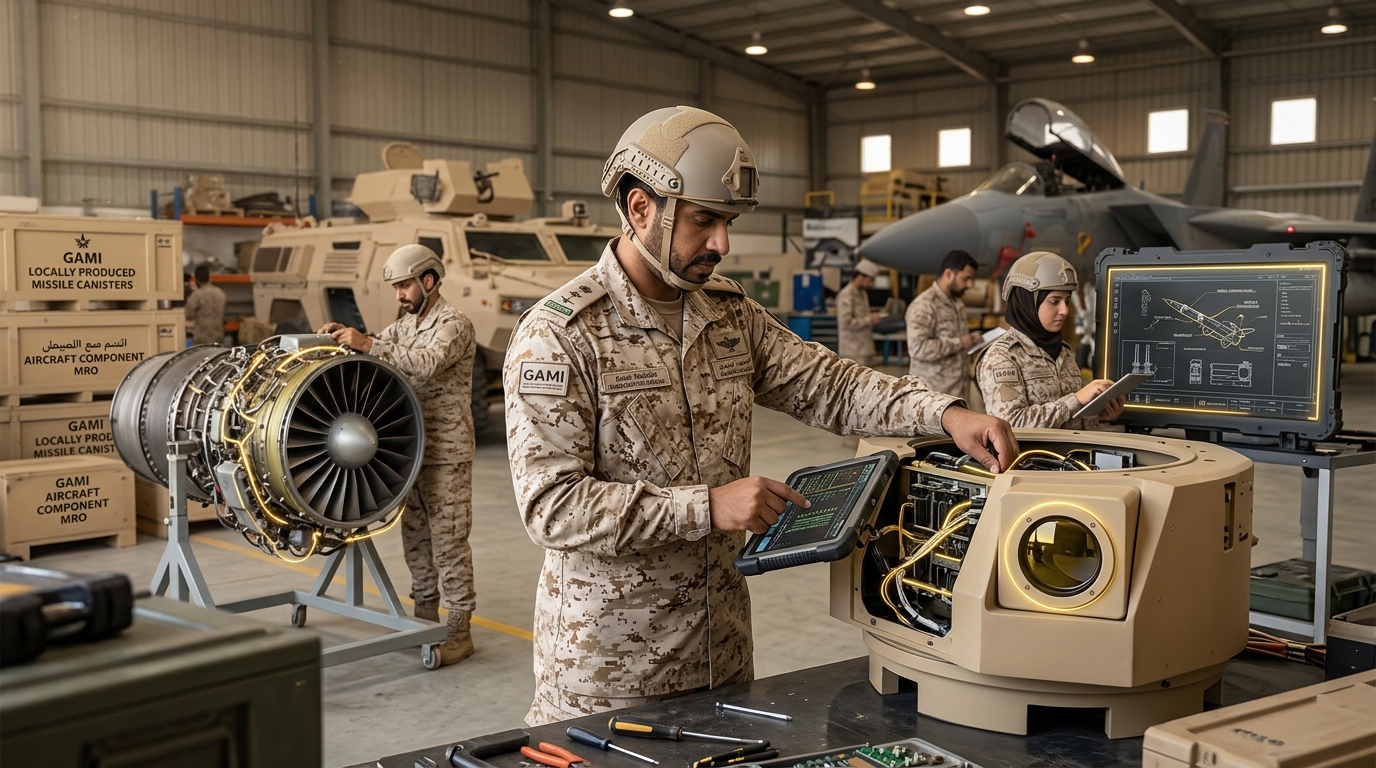
Saudi Arabia's GAMI targets localizing 50% of military spending by 2030, with SAMI producing armored vehicles, aircraft MRO, and missile defense systems domestically.
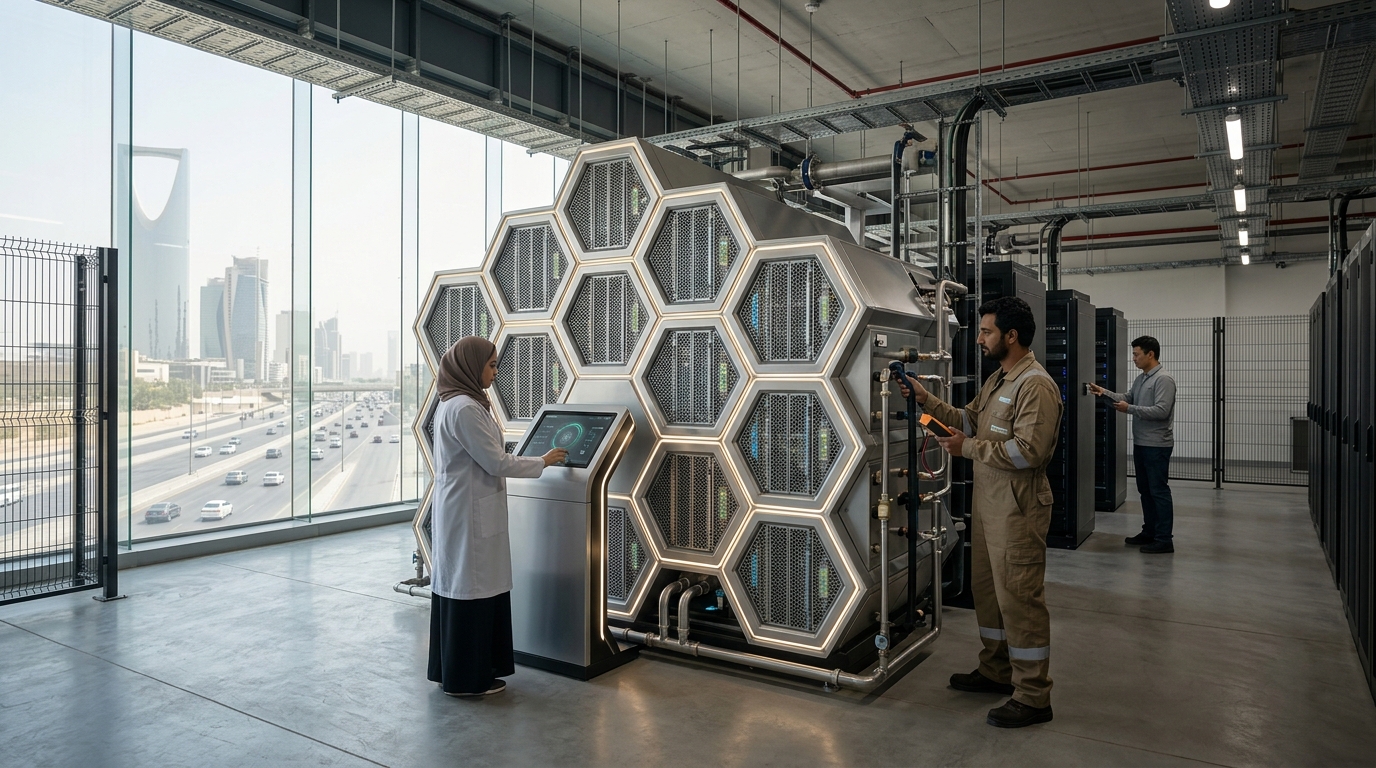
Saudi Arabia officially launched the $2.7B Hexagon Data Centre initiative in early 2026, designed to provide sovereign AI compute capacity for HUMAIN and government AI programs.
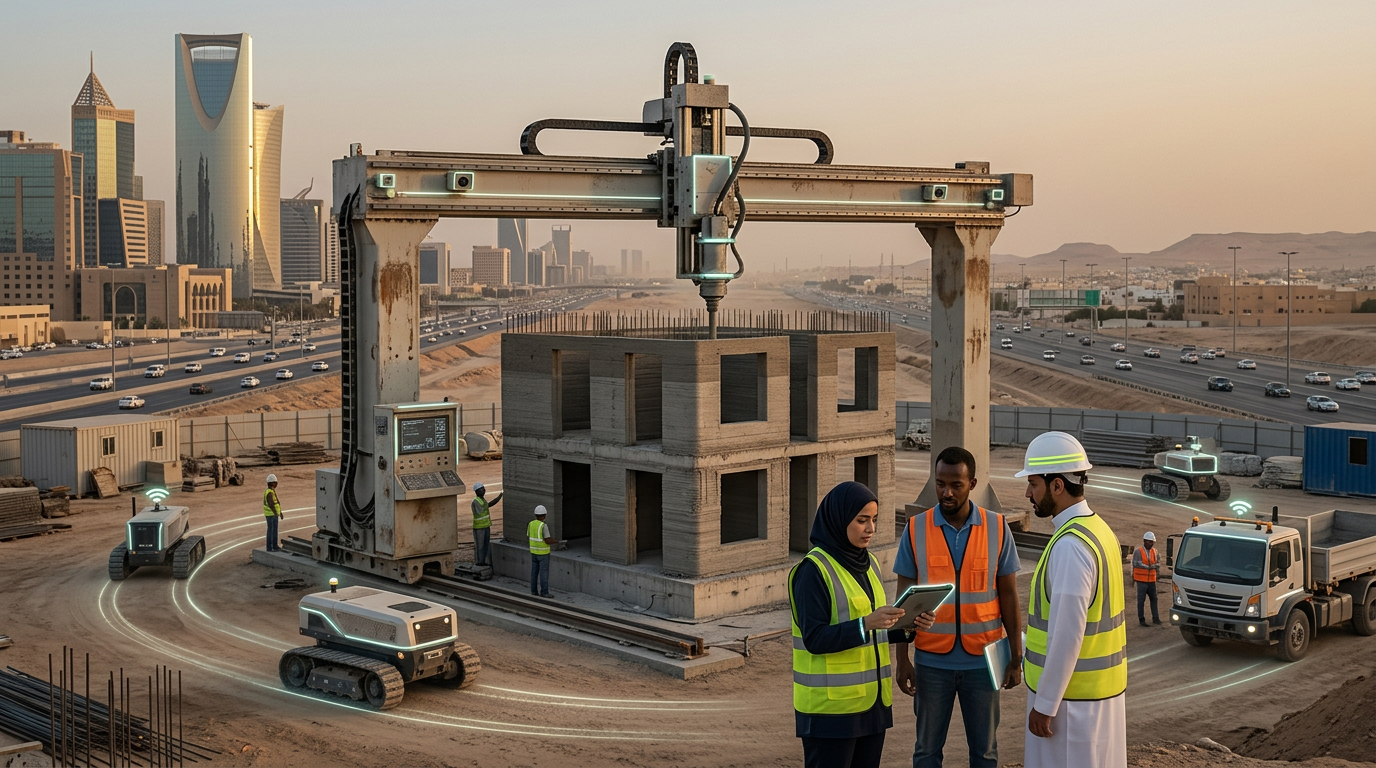
Saudi Arabia's $1T+ construction program is driving innovation in modular construction, 3D concrete printing, and AI-managed logistics for mega-project delivery.
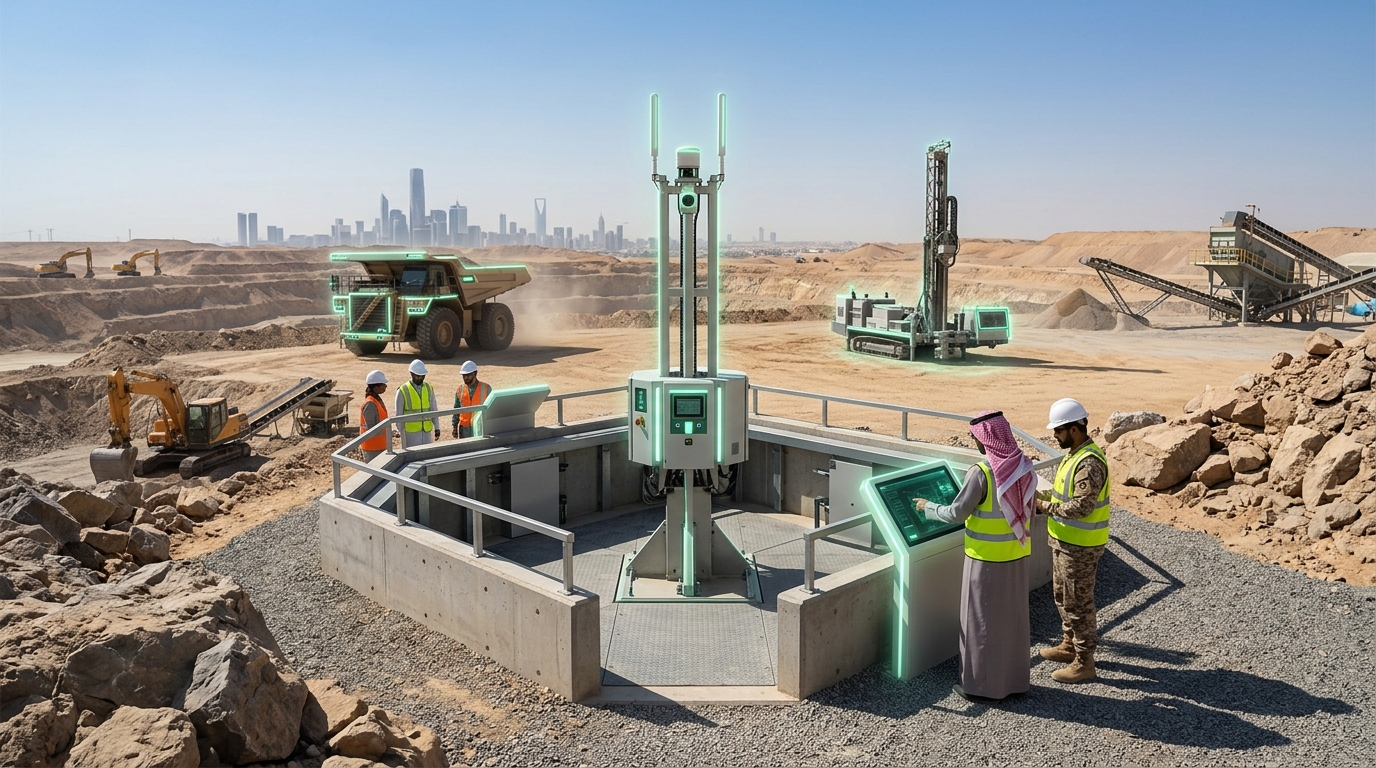
Saudi Arabia is applying advanced geological surveying, autonomous mining equipment, and AI-driven mineral processing to develop its $1.3 trillion untapped mineral reserves.
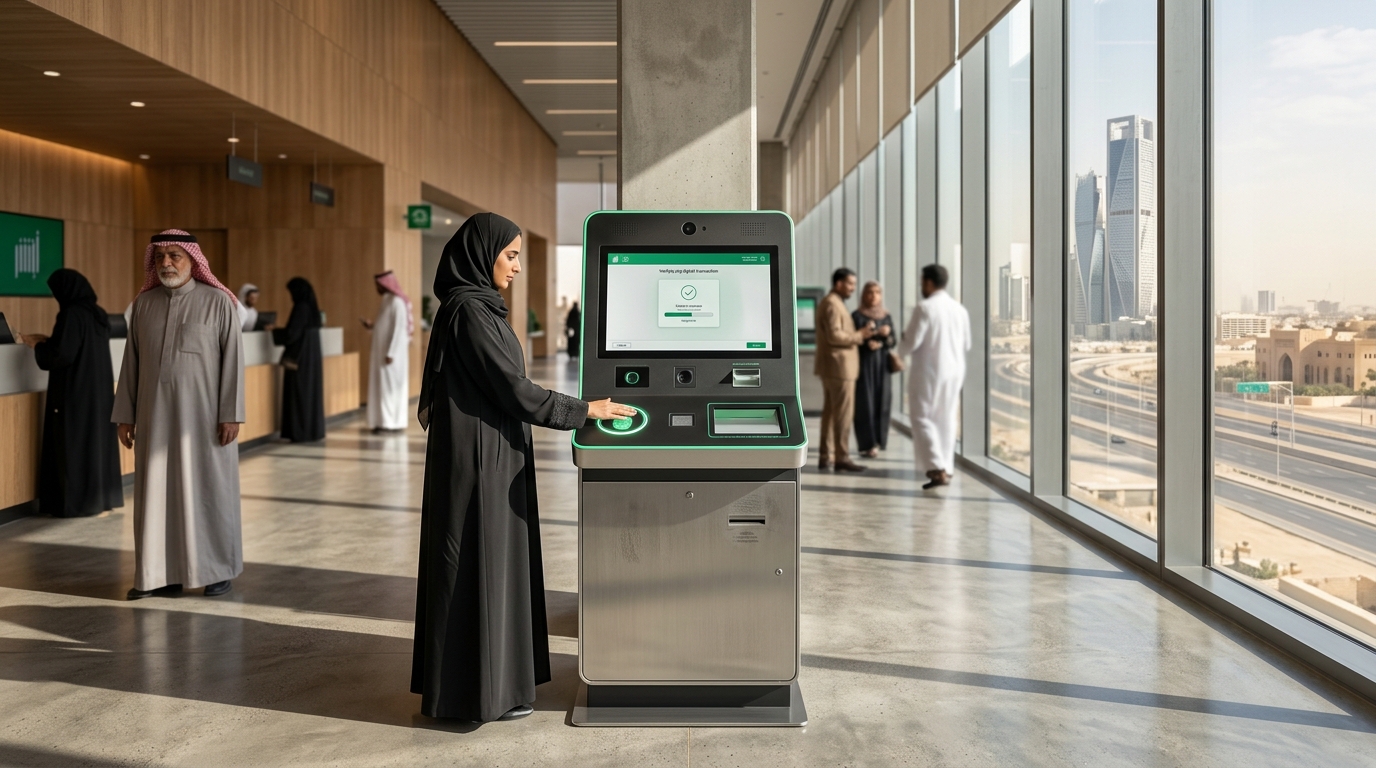
Saudi Arabia's Absher platform provides unified digital identity for 30+ million residents, enabling e-government services, travel permissions, and civil registration through a single mobile app.
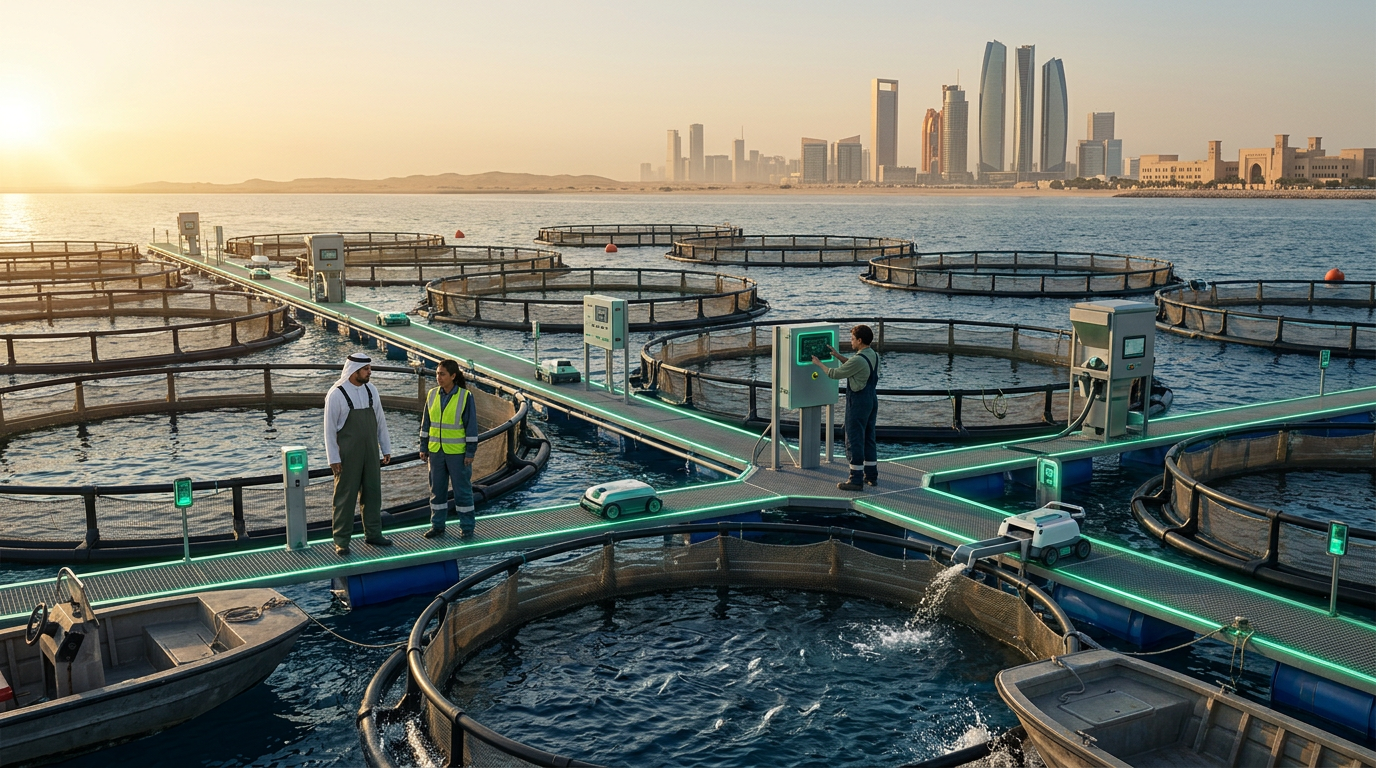
NEOM and Saudi Arabia's National Fisheries Development Program are building large-scale aquaculture operations along the Red Sea coast to diversify protein production.
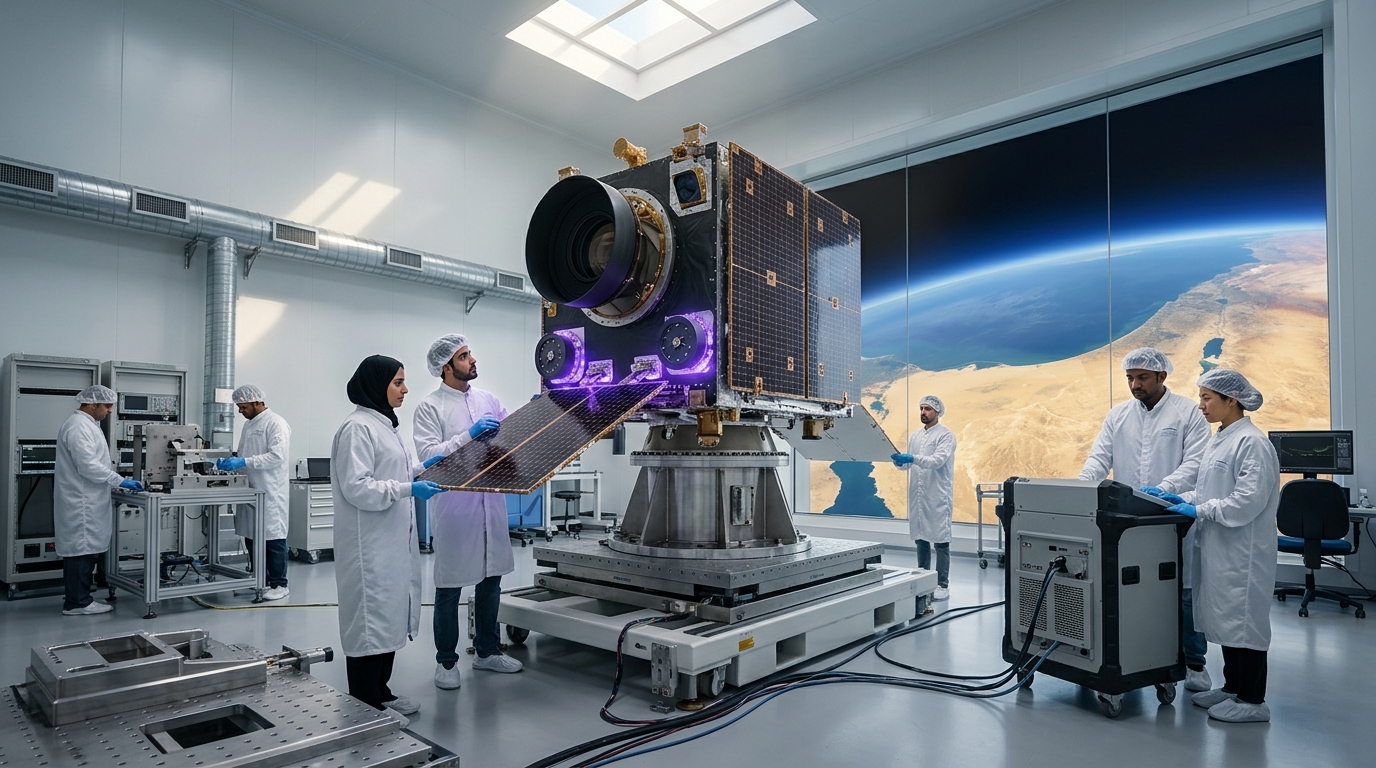
UAE's Al Yah Satellite Communications and MBRSC have built indigenous satellite design and assembly capability, producing MBZ-SAT and earth observation platforms domestically.
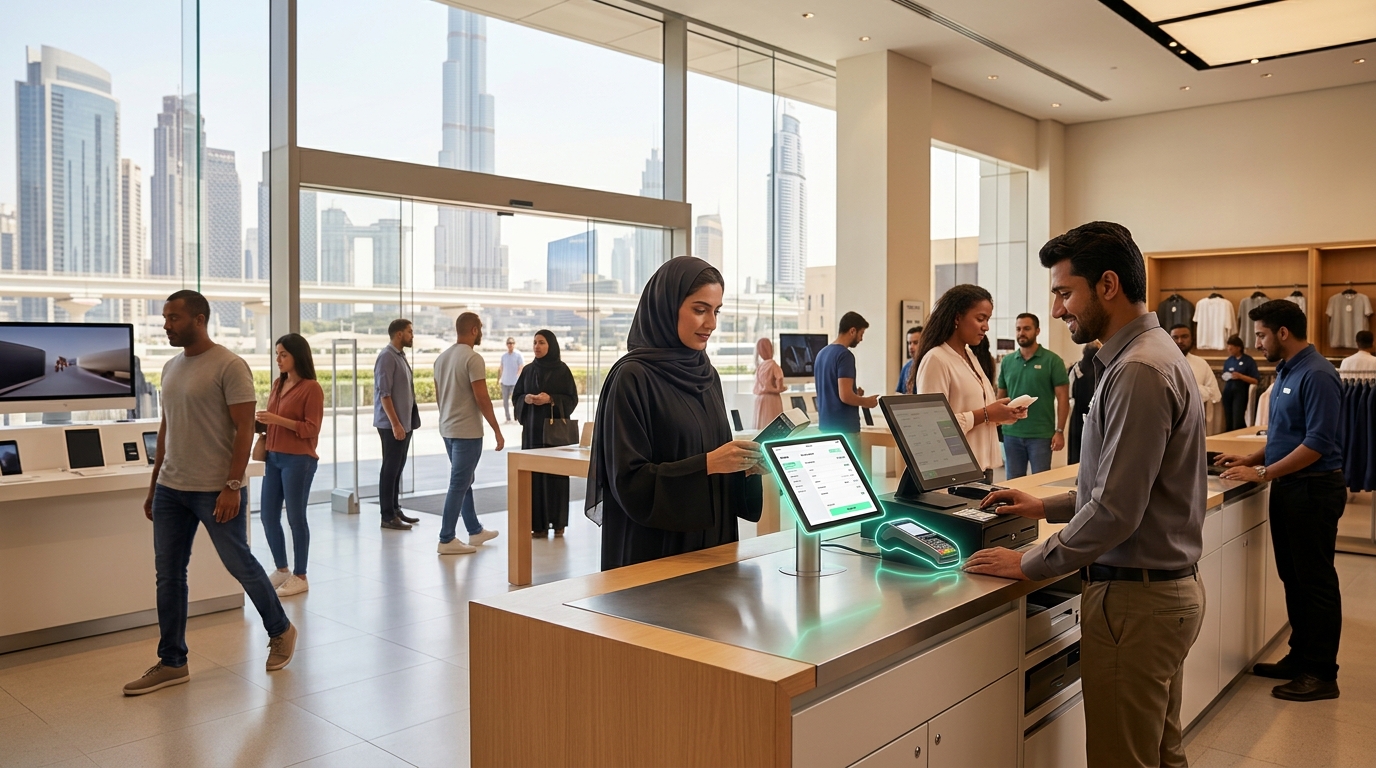
Dubai-based Tabby raised $160M in Series E funding in early 2025, becoming the MENA region's leading BNPL platform with millions of users across the Gulf.
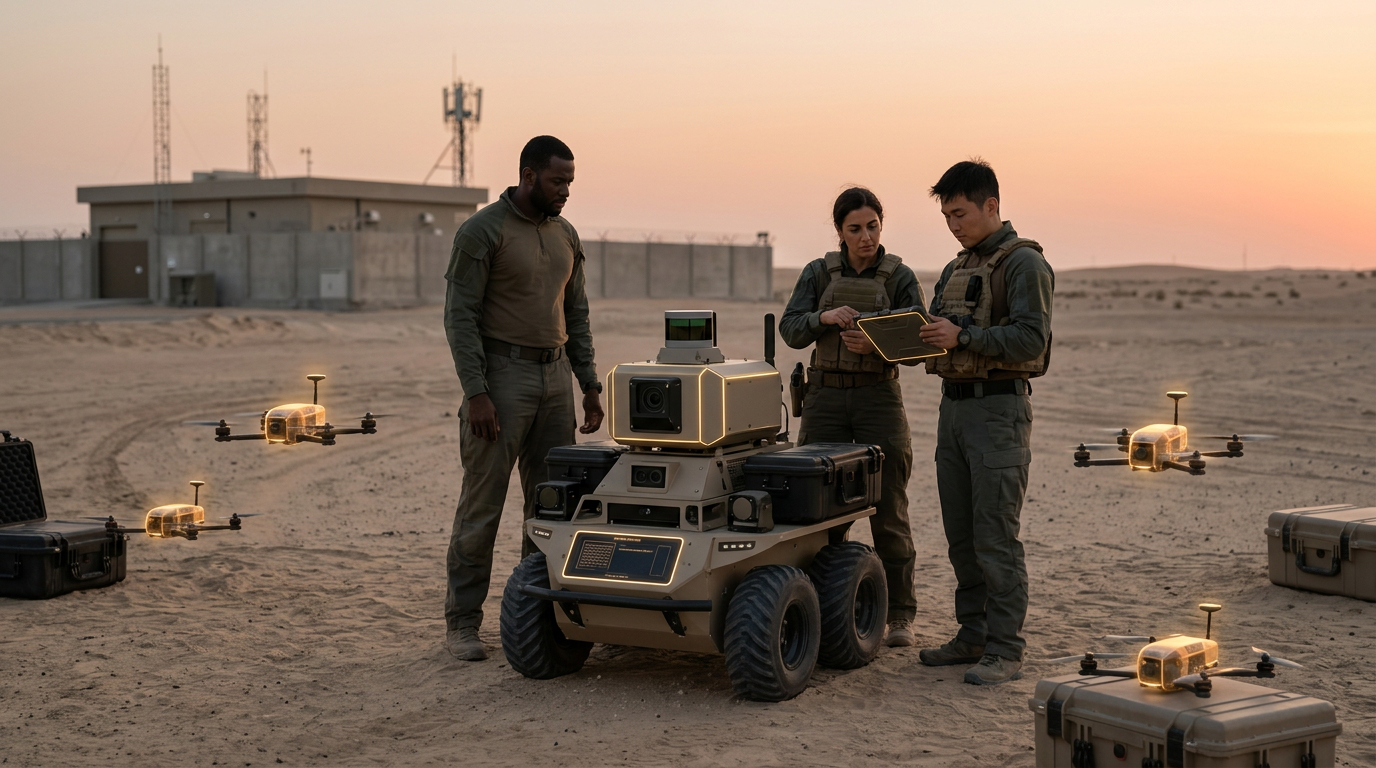
Abu Dhabi's Technology Innovation Institute conducts advanced research in autonomous robotics, drone swarms, and secure communications with both civilian and defense applications.
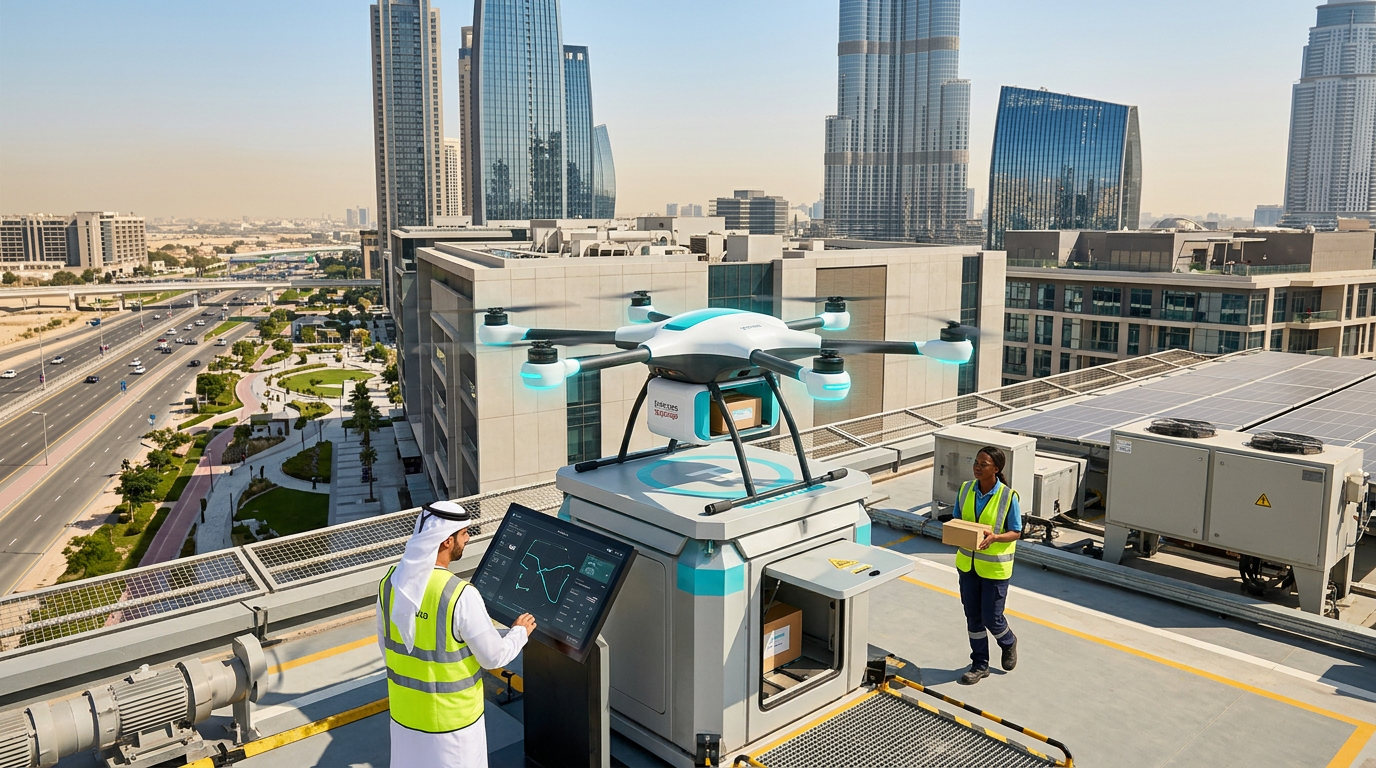
The UAE's autonomous last-mile delivery market reached $1.1B in 2024, with Emirates SkyCargo, Talabat, and LODD Autonomous deploying commercial drone logistics and air corridor mapping expected by 2027.
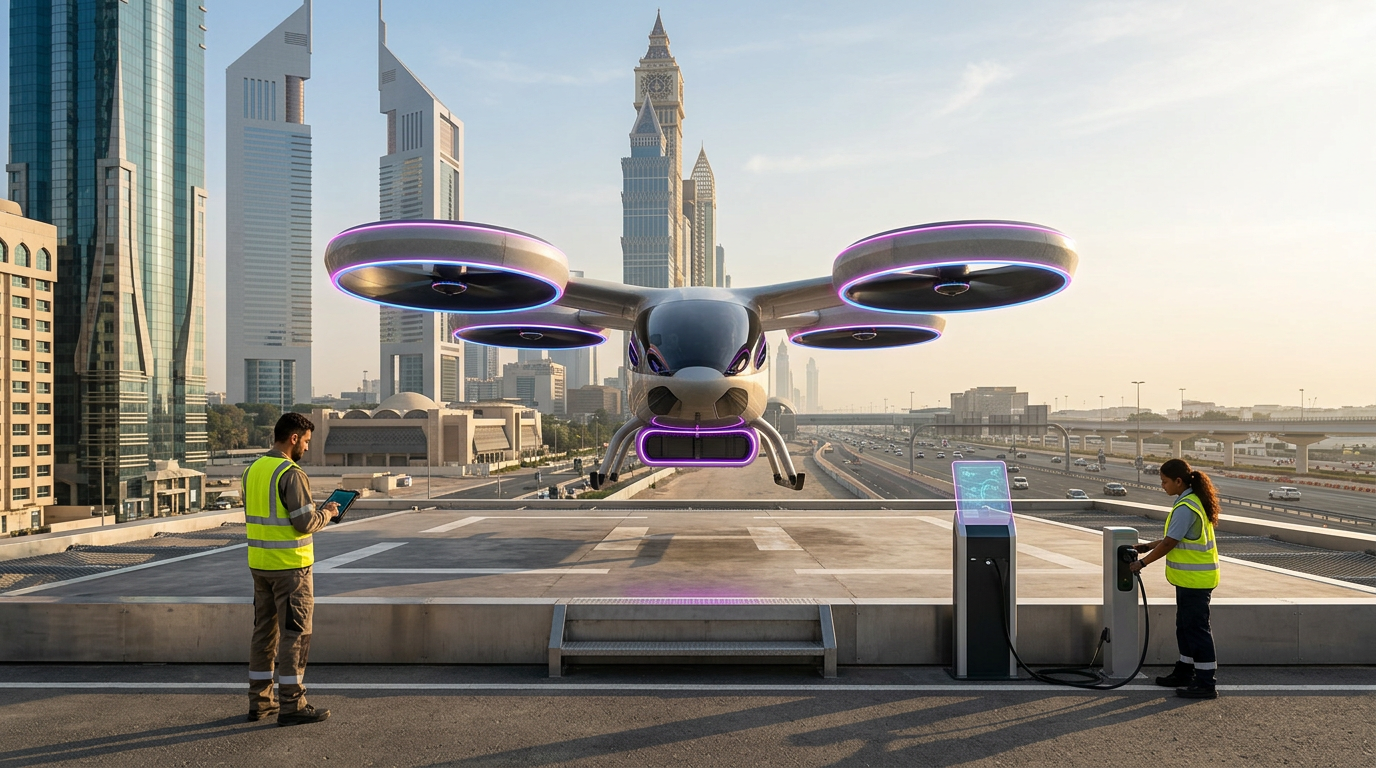
Dubai and Abu Dhabi are testing electric vertical takeoff and landing (eVTOL) aircraft for urban air mobility, with regulatory frameworks in place for commercial air taxi services.
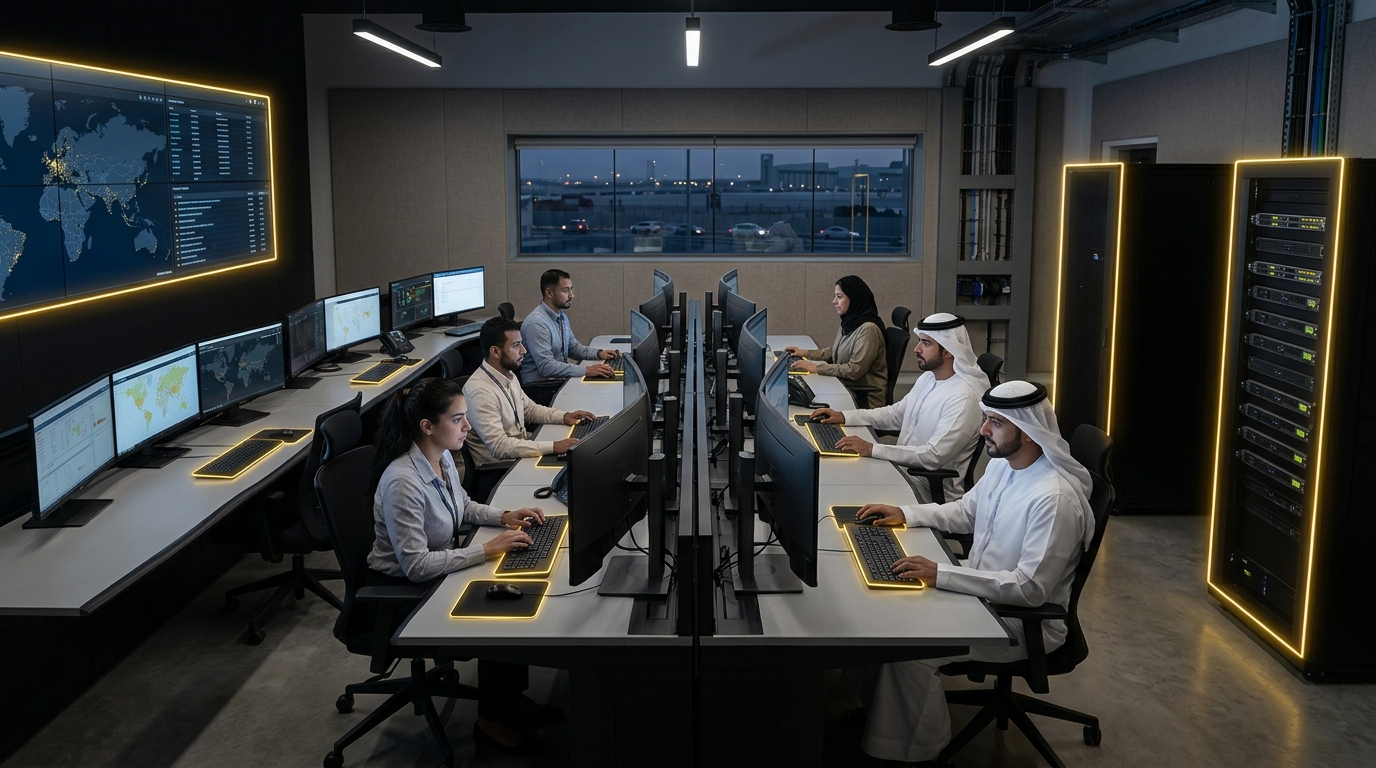
The UAE has built one of the region's most advanced cybersecurity ecosystems, with national SOC capabilities, DarkMatter Group (now Edge Group), and mandatory security standards for critical infrastructure.
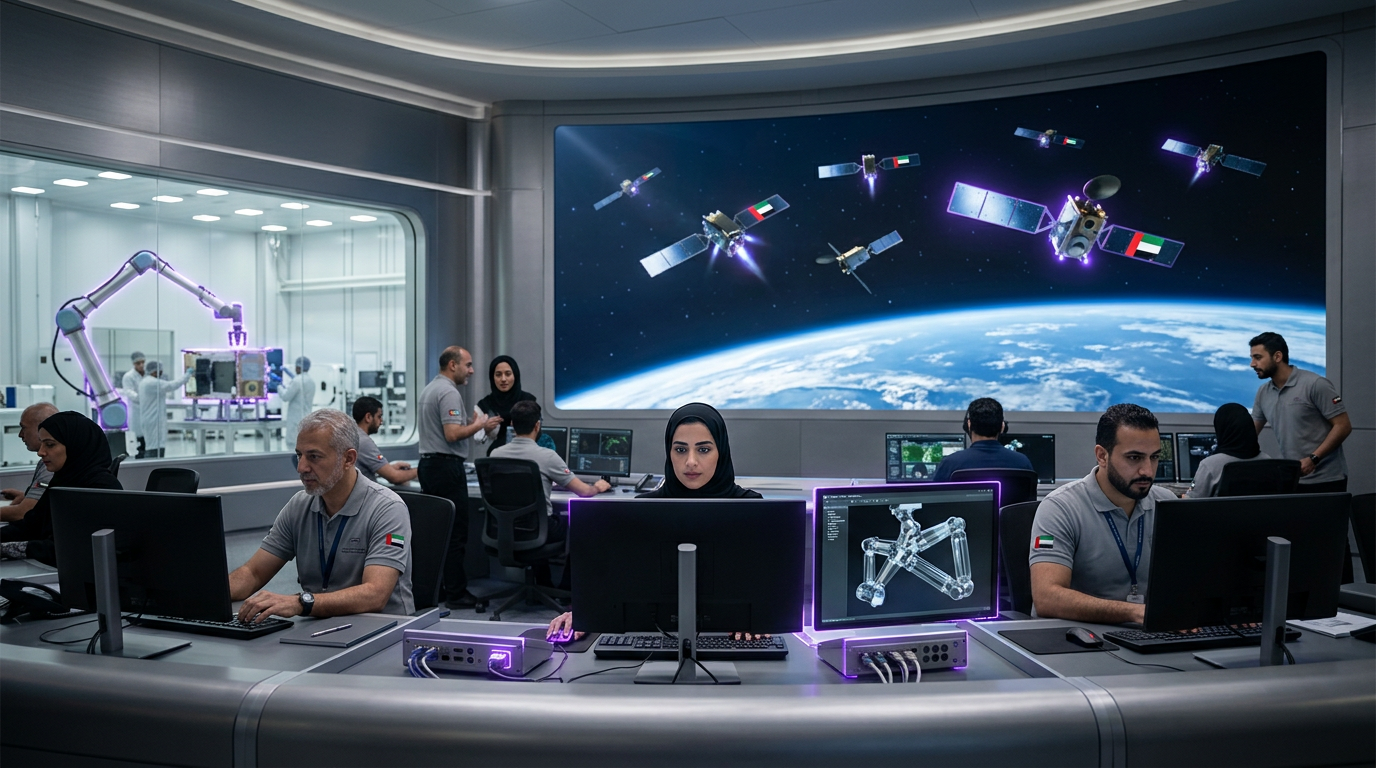
The UAE Space Agency has launched a national space fund to grow domestic space industry, with plans for asteroid belt exploration and expanded satellite manufacturing.
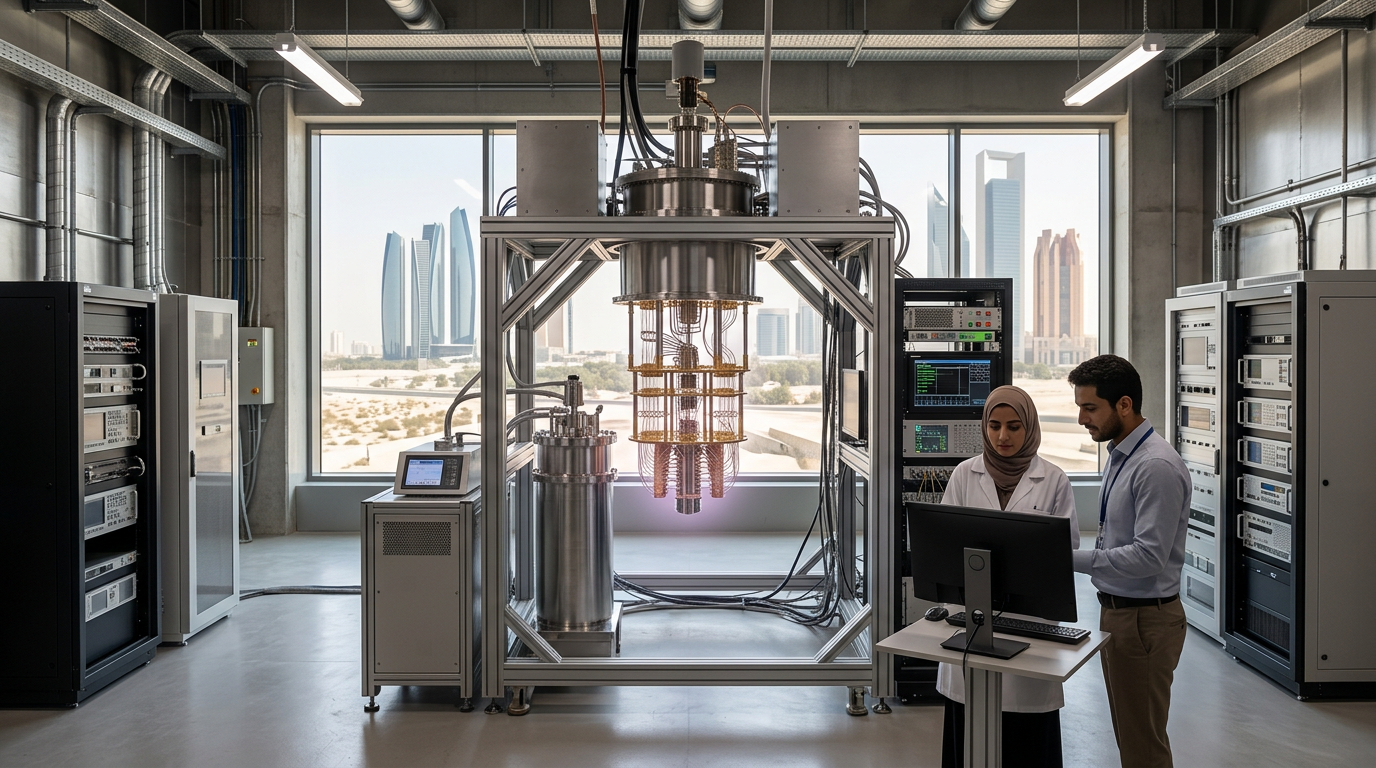
TII's Quantum Research Center is building the Arab world's first quantum computer, developing the open-source Qibo software platform, and partnering with Quantinuum and IonQ for access to industry-leading quantum hardware.
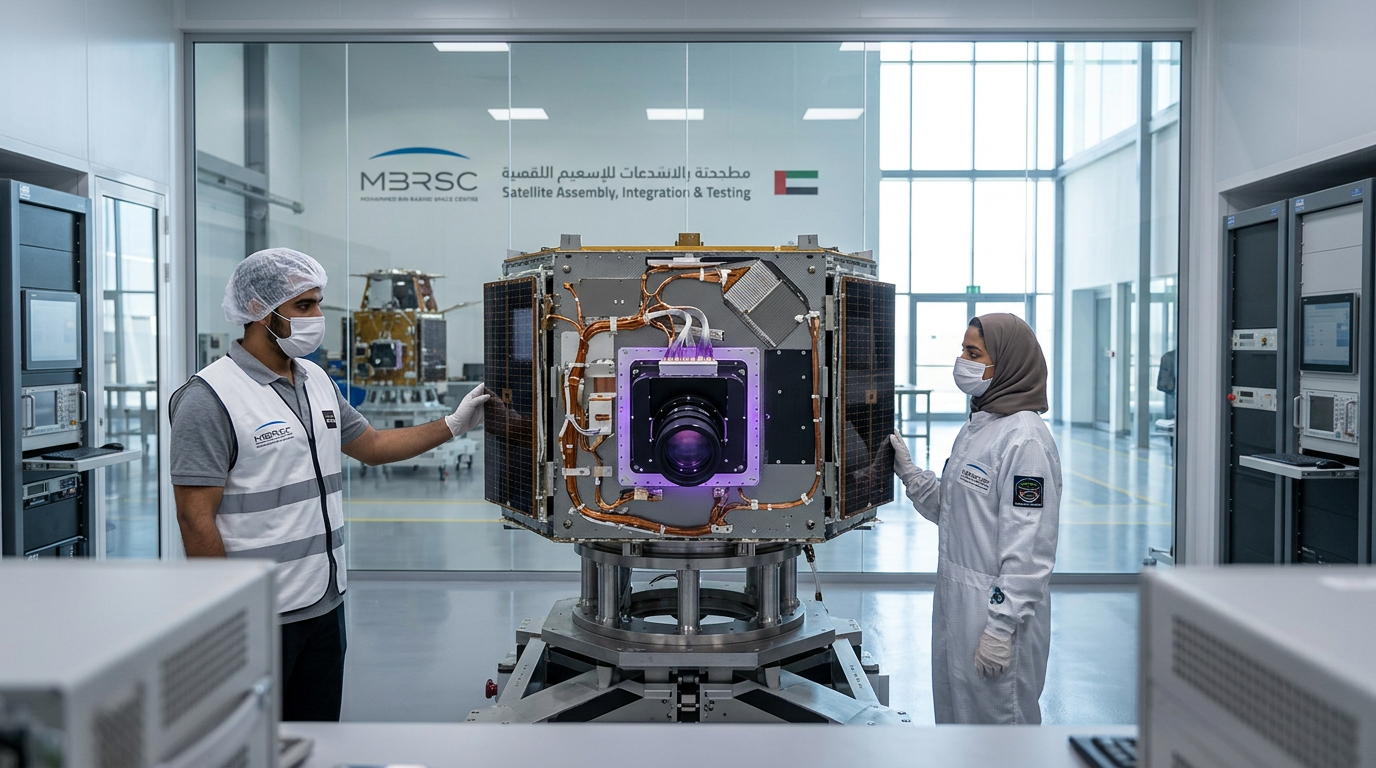
The UAE is building indigenous satellite manufacturing capabilities for earth observation, with applications in agriculture, disaster management, and environmental monitoring.