Lusail Post-World Cup Smart City
Geography: Emea · Middle East · Gulf States
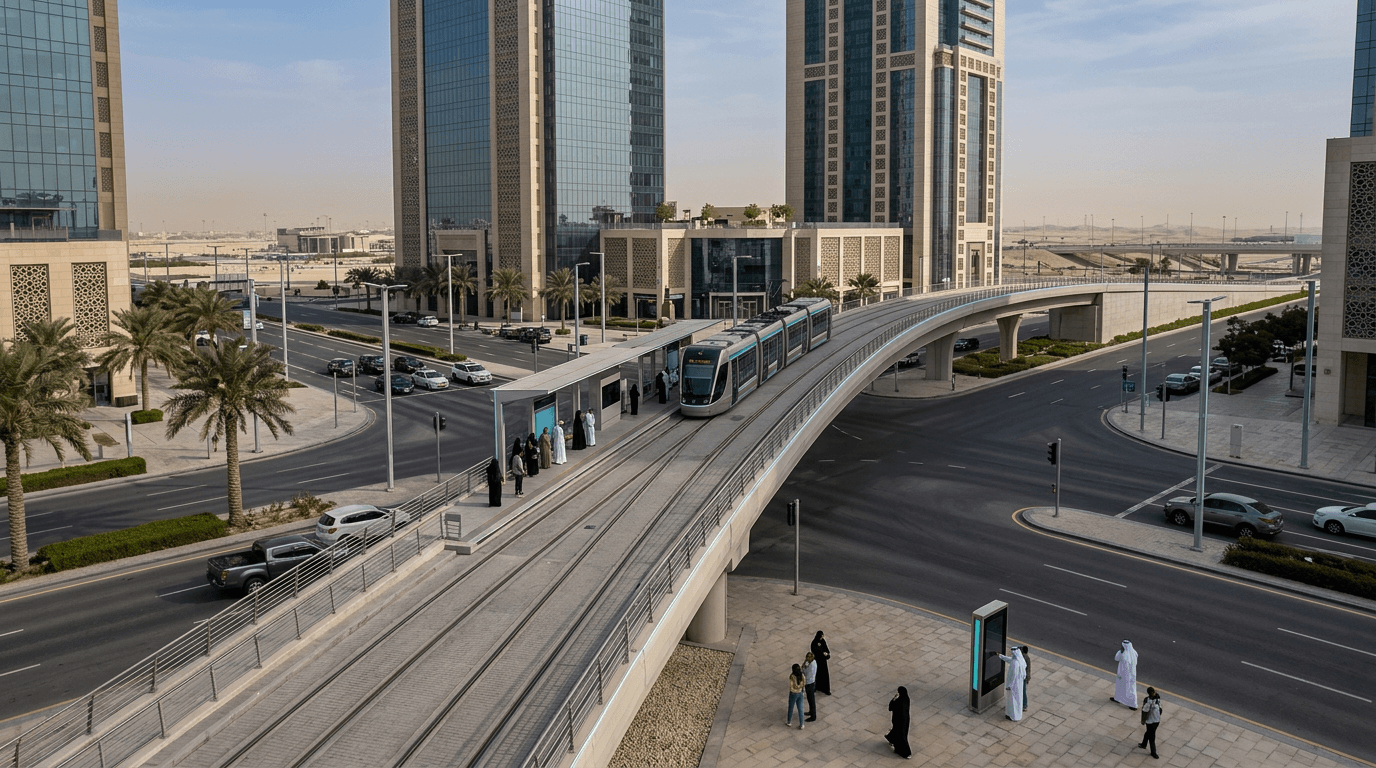
Lusail City, the $45 billion development that hosted the World Cup 2022 final, is transitioning from event infrastructure into a permanent smart city for 250,000 residents. The Qatar Ministry of Municipality is deploying AI-driven infrastructure management, real-time data analytics, and automated systems that adapt to resident behavior. The city features an integrated public transportation system connecting inter-city trains with internal light rail, pedestrian-prioritized design, and centralized utility management — all built from scratch rather than retrofitted.
What makes Lusail distinctive among Gulf smart cities is that it was stress-tested at scale before becoming a residential community. The World Cup hosted millions of visitors, generating real performance data on transport networks, crowd management systems, energy grids, and communications infrastructure. This operational data now informs the optimization of permanent urban systems — a luxury that most smart city projects never get.
Lusail's transition from mega-event venue to permanent smart city provides a replicable model for future host cities. The $300+ billion Qatar invested in World Cup infrastructure — metro, airport expansion, roads, utilities — becomes the backbone of a modern urban district rather than a stranded asset. The lessons in converting event infrastructure to everyday urban life are particularly relevant for cities planning for the 2030 World Cup (Morocco-Spain-Portugal) and other mega-events.
Research this in Signals
Signals turns a topic into a sourced research record you can inspect and rerun. Your first scan is free, and this one starts with Lusail Post-World Cup Smart City already loaded, so edit it or scan as is.