Nuclear-Powered Low-Carbon Aluminium
Geography: Emea · Middle East · Gulf States
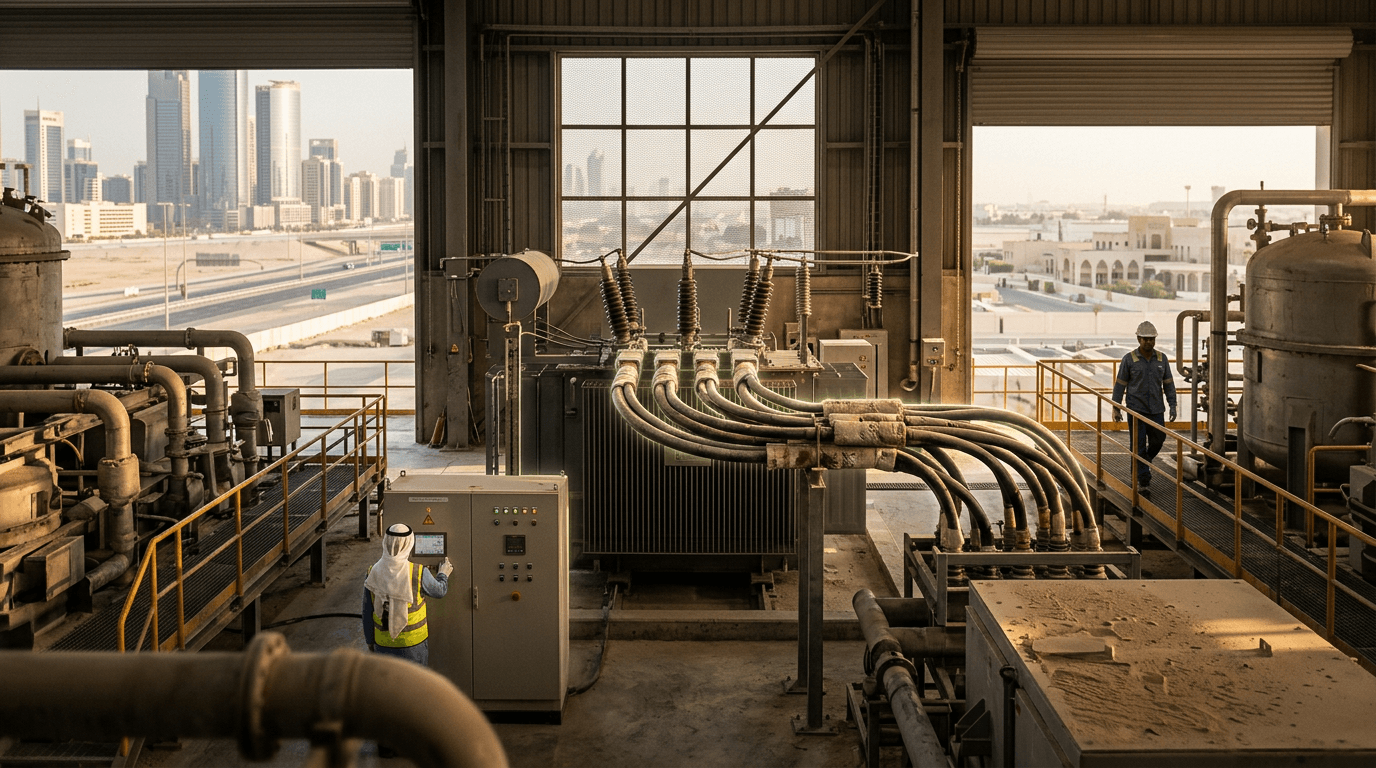
In August 2025, the UAE exported aluminium smelted using clean electricity from the Barakah nuclear power plant, establishing a new global benchmark for low-carbon aluminium production. Emirates Global Aluminium (EGA), one of the world's largest aluminium producers, can now offer customers certified low-carbon metal produced with nuclear energy rather than natural gas.
Aluminium smelting is extraordinarily energy-intensive, and the carbon footprint of conventional smelting is a growing concern for buyers in automotive, construction, and packaging industries. By combining nuclear baseload power with aluminium production, the UAE creates a premium product that commands higher prices in markets with carbon pricing or sustainability requirements.
This represents a template for industrial decarbonization in the Gulf: using Barakah's clean electricity for energy-intensive industrial processes — potentially extending to steel, cement, and data centers. The model demonstrates that nuclear energy's value extends beyond grid electricity into enabling low-carbon industrial competitiveness.
Research this in Signals
Signals turns a topic into a sourced research record you can inspect and rerun. Your first scan is free, and this one starts with Nuclear-Powered Low-Carbon Aluminium already loaded, so edit it or scan as is.