GCC Carbon Capture & Storage
Geography: Emea · Middle East · Gulf States
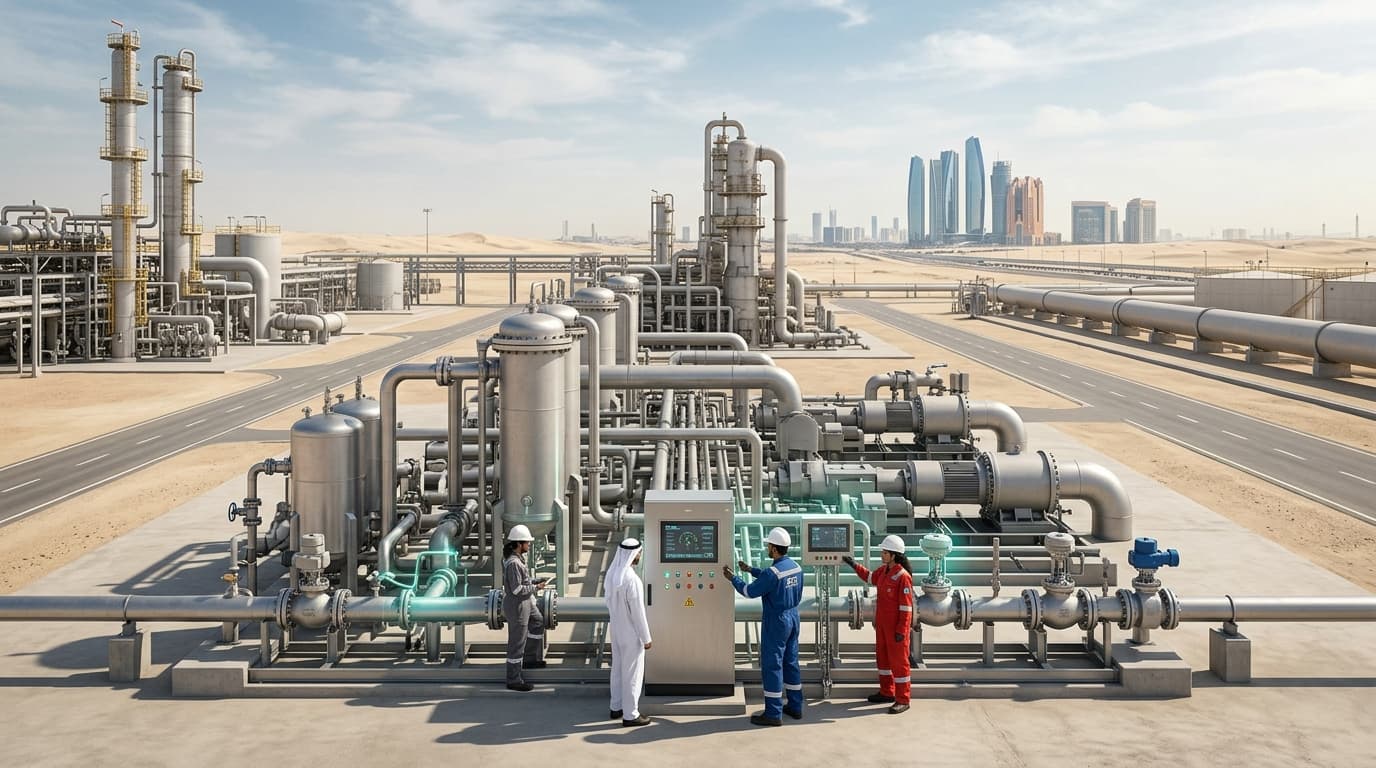
ADNOC (Abu Dhabi National Oil Company) operates one of the largest commercial carbon capture and storage (CCS) networks in the Middle East, currently capturing approximately 800,000 tonnes of CO2 per year from its gas processing facilities and injecting it into oil reservoirs for enhanced oil recovery. ADNOC has announced plans to expand CCS capacity to 10 million tonnes per annum by 2030.
For Gulf oil producers, CCS is a technology of existential importance: it enables continued hydrocarbon production while addressing emissions, producing 'blue' hydrogen (from natural gas with captured CO2), and potentially earning carbon credits. Saudi Aramco and QatarEnergy are also investing in CCS demonstration projects.
The Gulf's geology is favorable for CO2 storage — depleted oil and gas reservoirs provide well-characterized underground storage sites. CCS expertise developed in the Gulf becomes exportable as carbon pricing mechanisms spread globally and heavy industry worldwide seeks decarbonization solutions that don't require immediate fuel switching.
Research this in Signals
Signals turns a topic into a sourced research record you can inspect and rerun. Your first scan is free, and this one starts with GCC Carbon Capture & Storage already loaded, so edit it or scan as is.