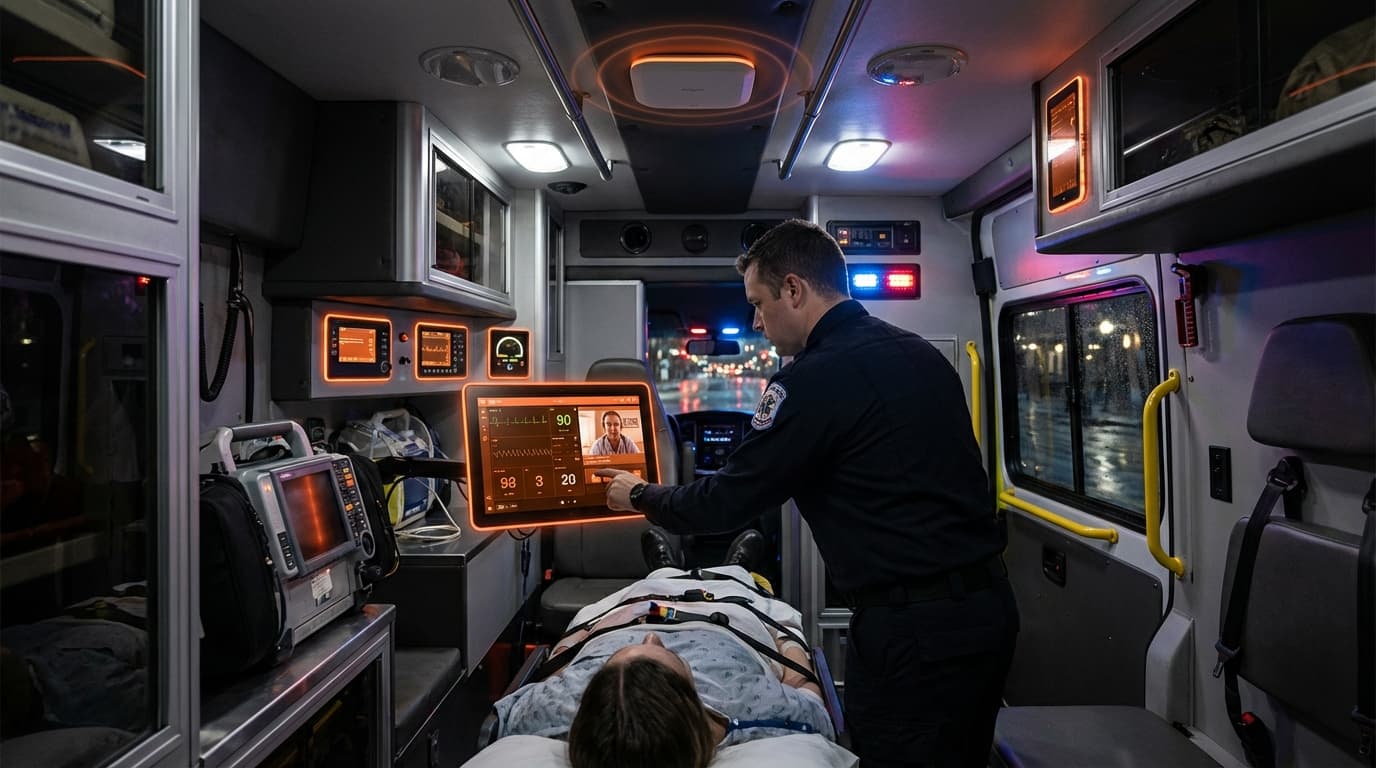
Ultra-high-bandwidth mobile units enabling real-time diagnostics and remote guidance during transport.
Frameworks for continuous surveillance of AI tools deployed in clinical workflows.
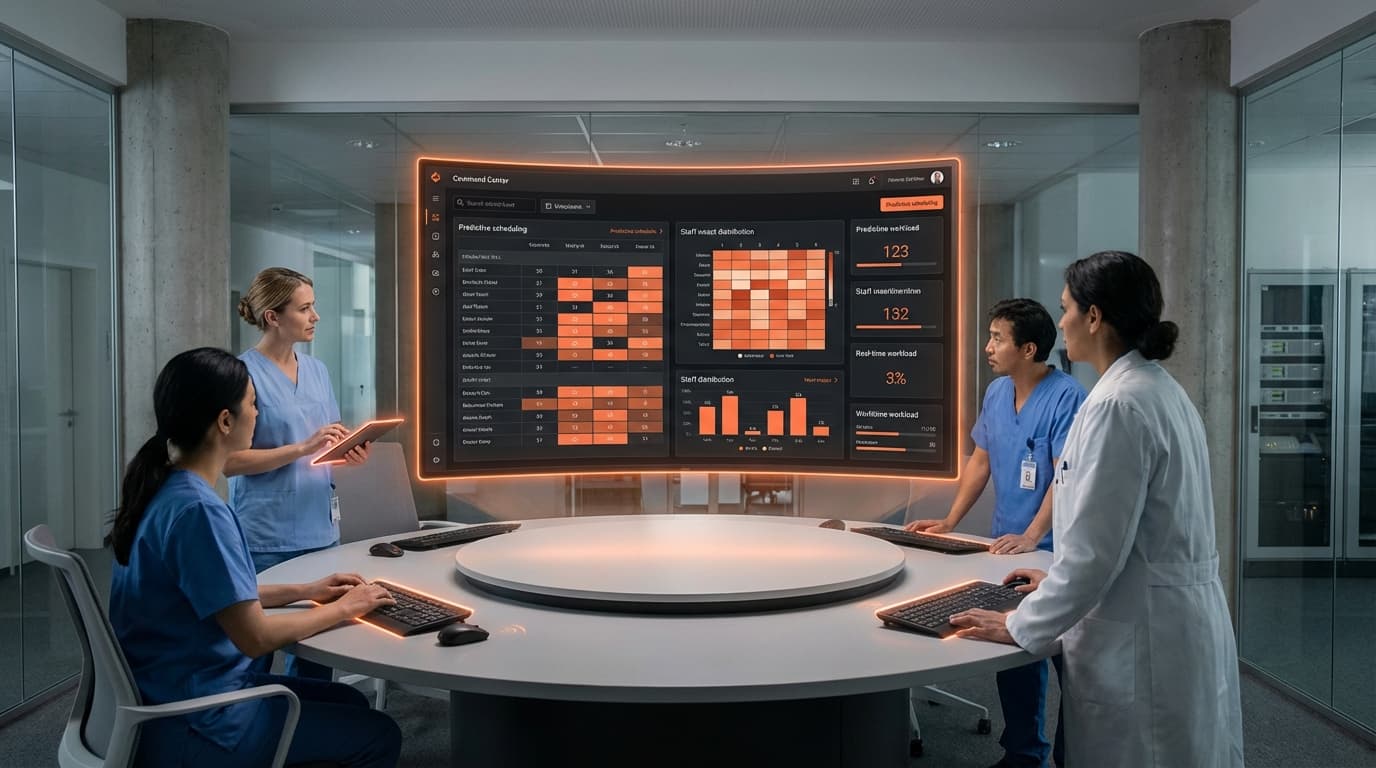
Predictive scheduling and workload-balancing tools for clinical and non-clinical staff.
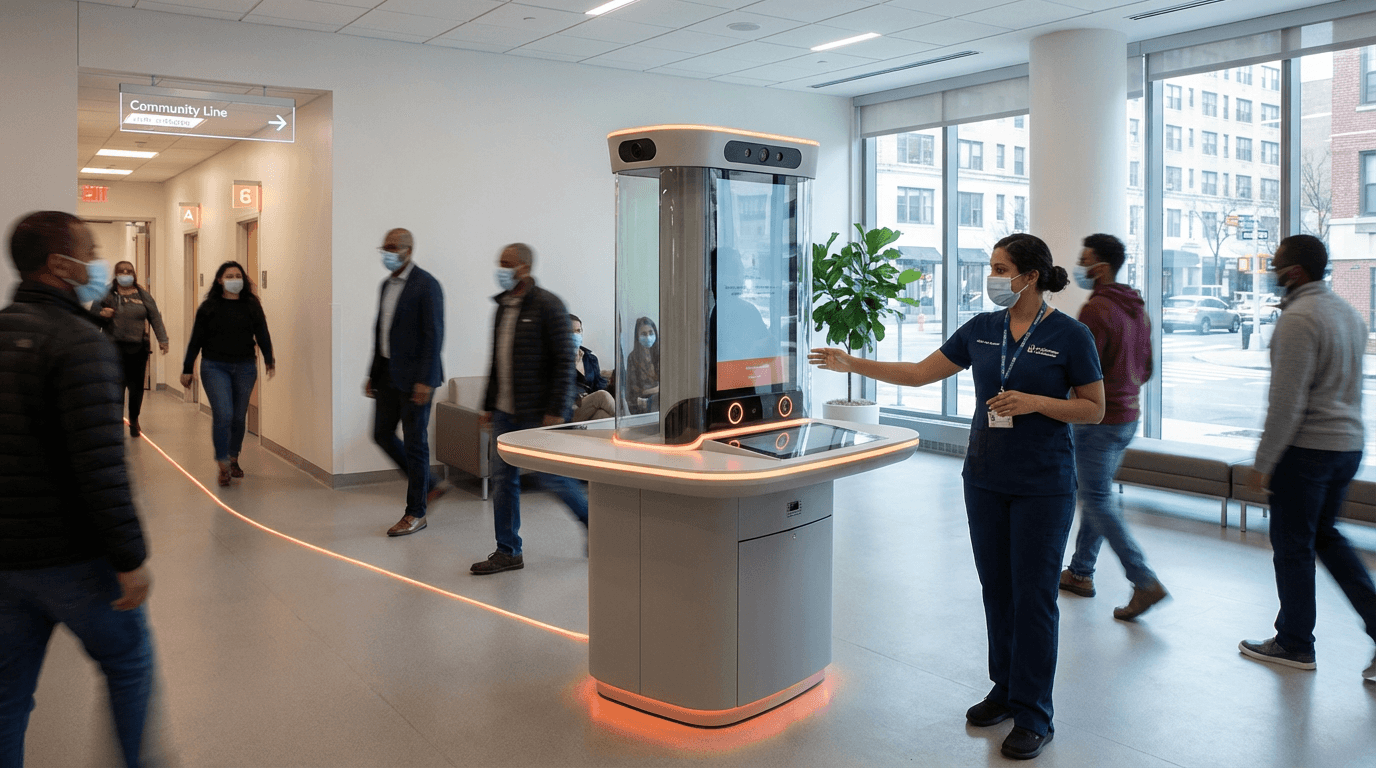
Intelligent systems that assess symptoms remotely and direct patients to the optimal care setting.
Protocols to test clinical AI models for bias against specific demographics.
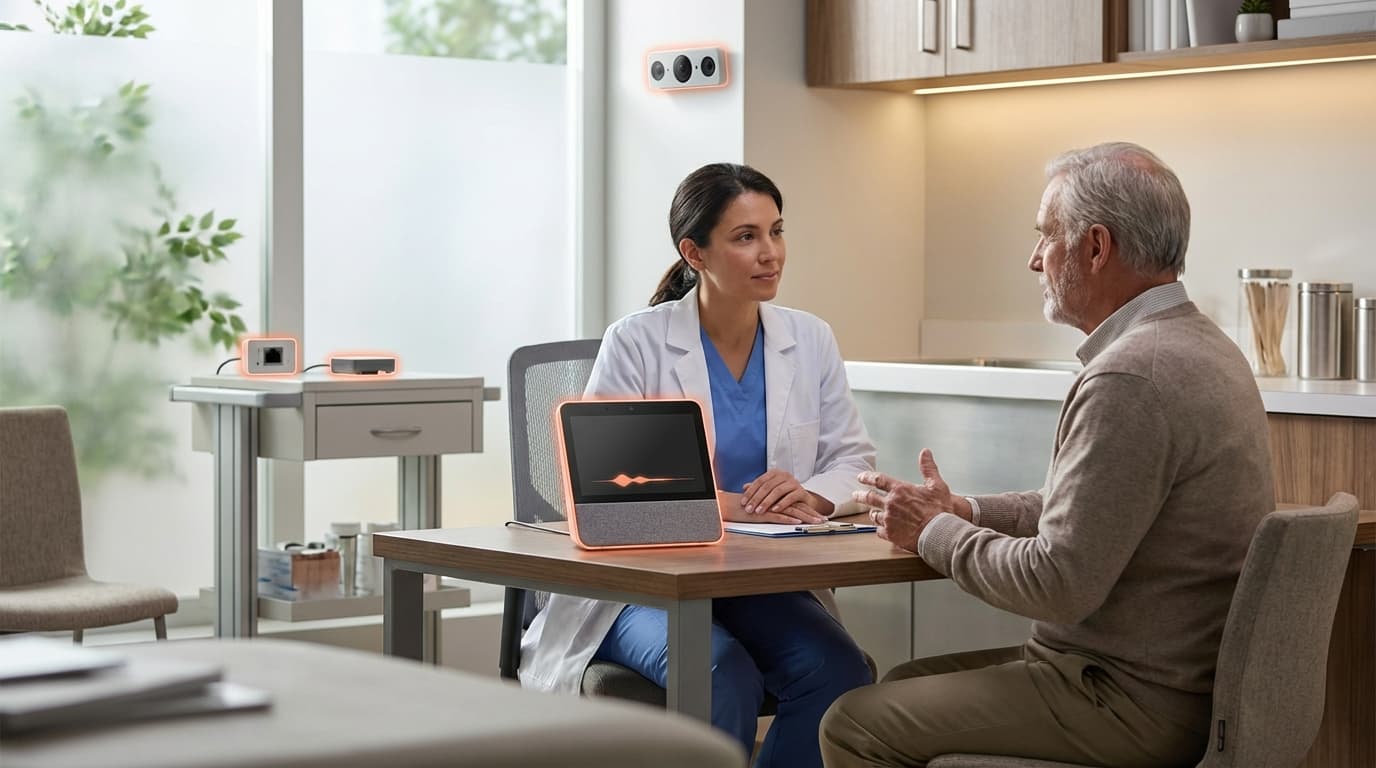
AI systems that automate clinical documentation by listening to doctor-patient interactions.
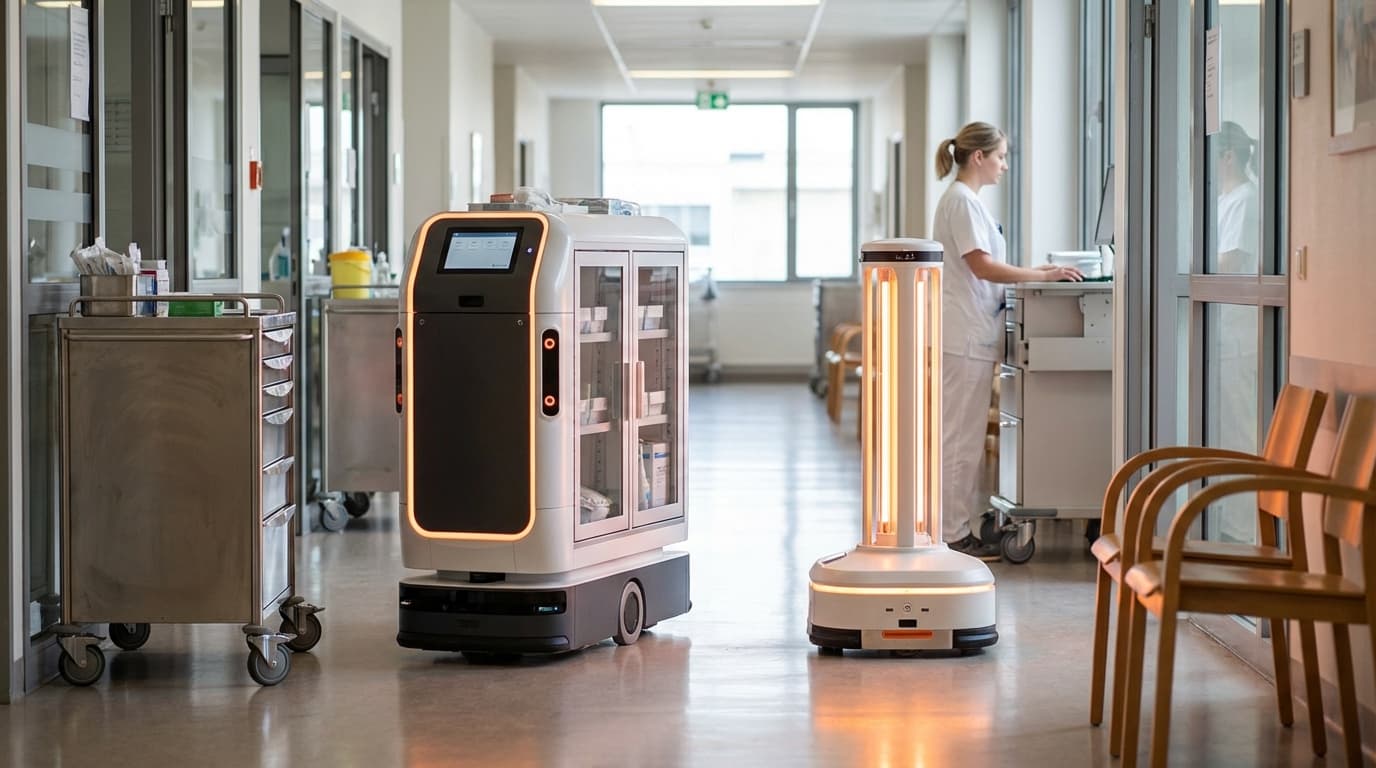
Robotic systems for medication delivery, disinfection, and logistics within healthcare facilities.
UAVs transporting blood, vaccines, medications, and diagnostics to remote or congested areas.
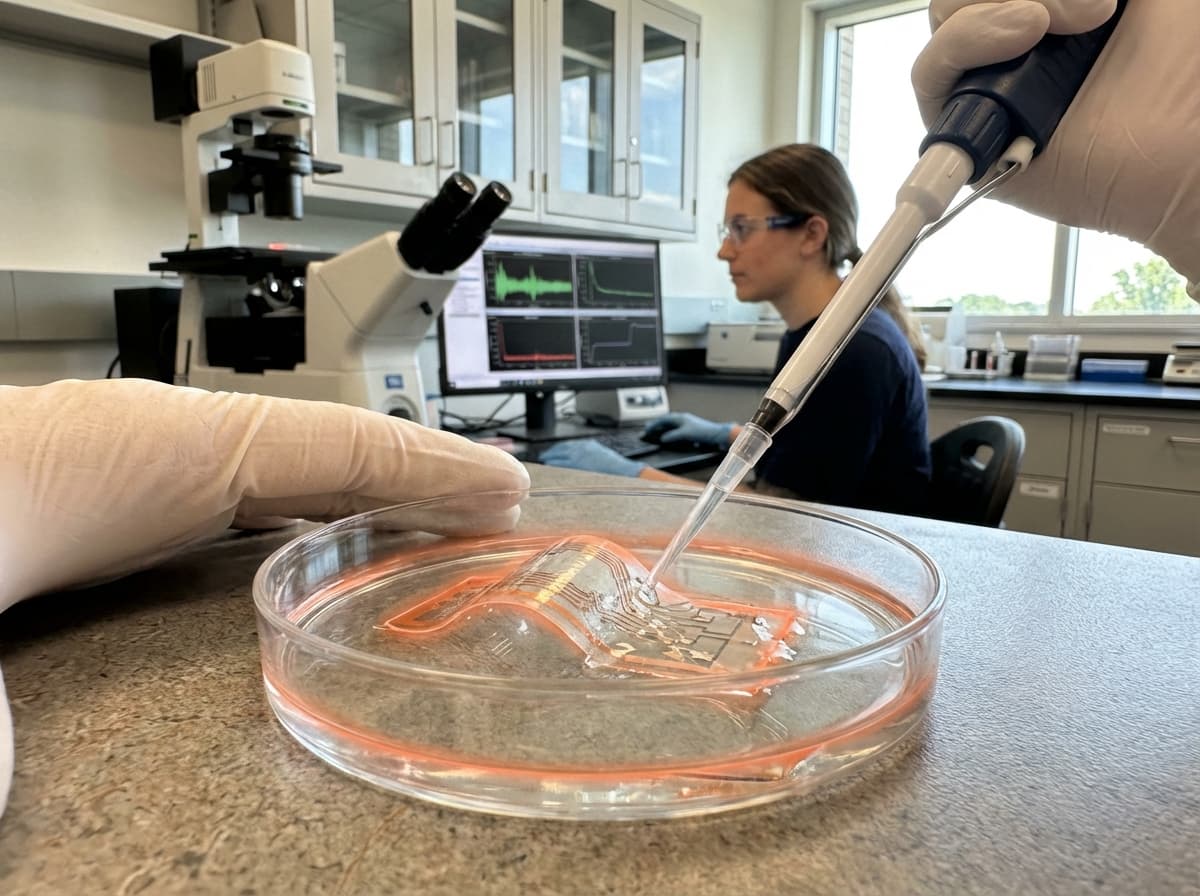
Transient electronic sensors and implants that dissolve safely in the body after their function is complete.
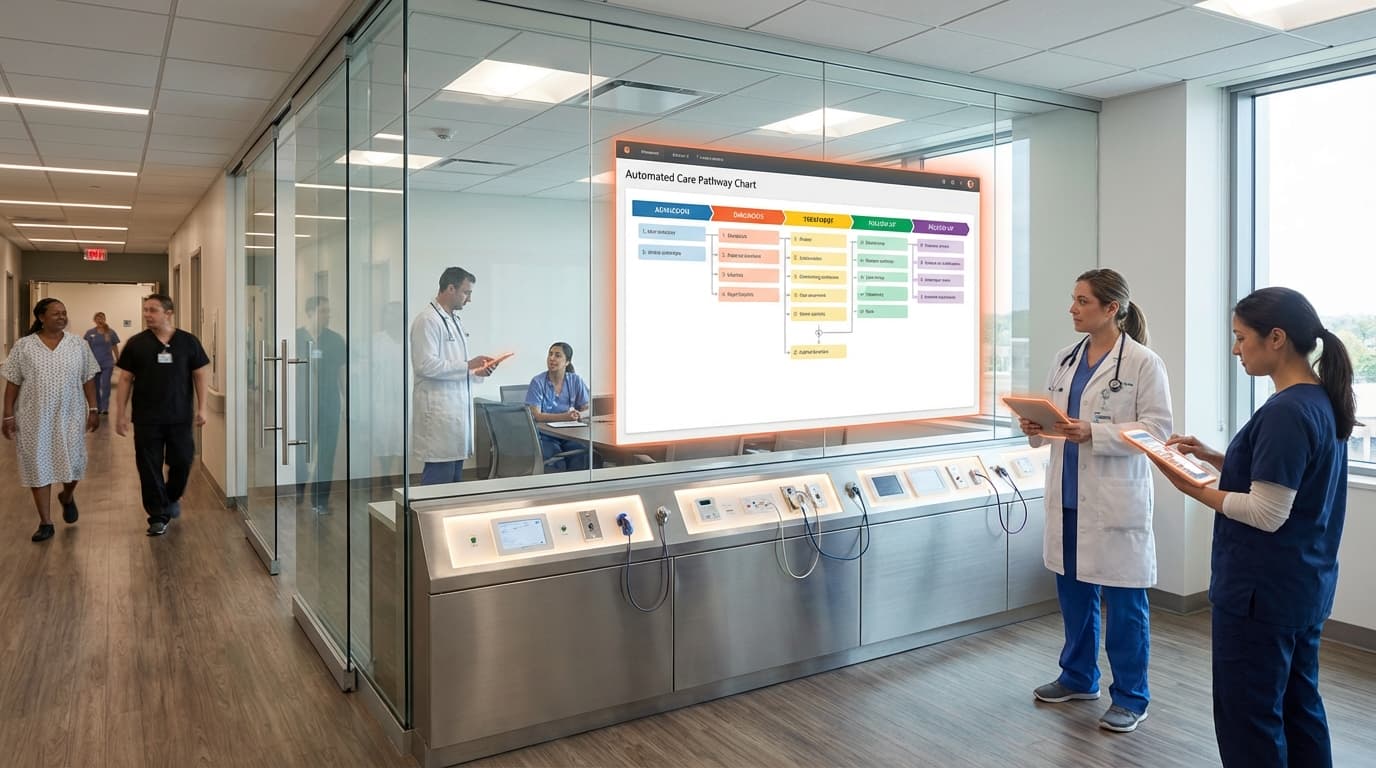
Software that codifies and automates evidence-based care pathways across settings.
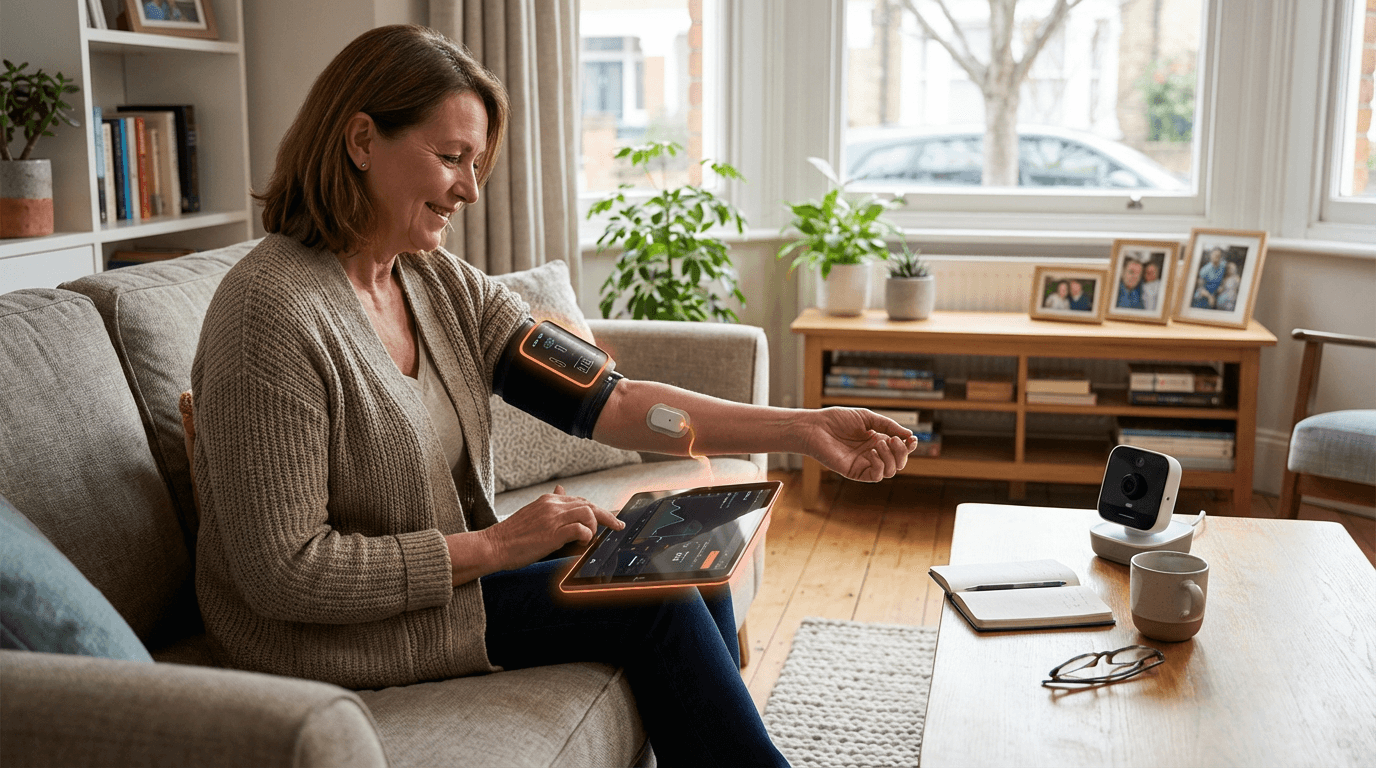
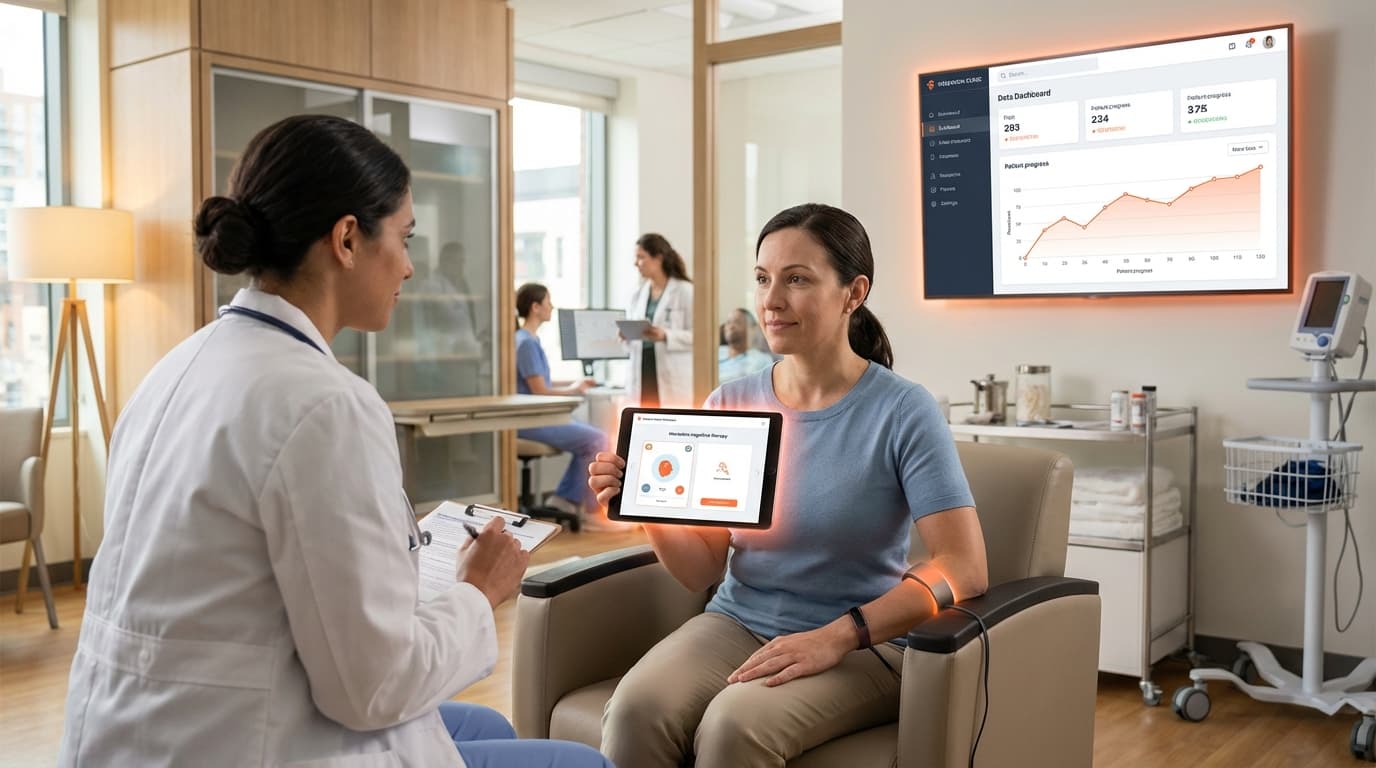
Longitudinal telehealth and remote monitoring models for chronic conditions like heart failure and diabetes.
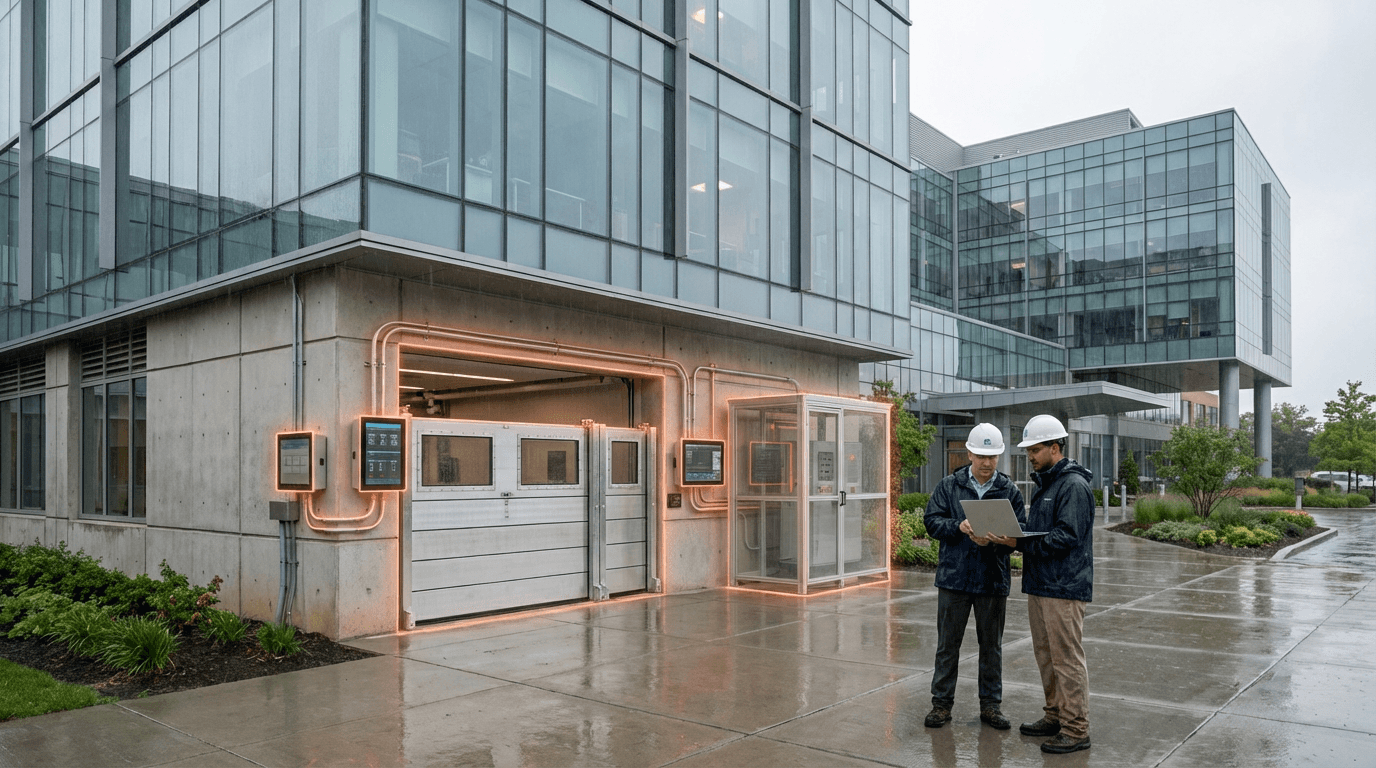
Buildings and systems designed to withstand extreme weather and maintain operations during climate disruptions.
Generative AI assistants embedded in EHRs to support real-time clinical decision-making.
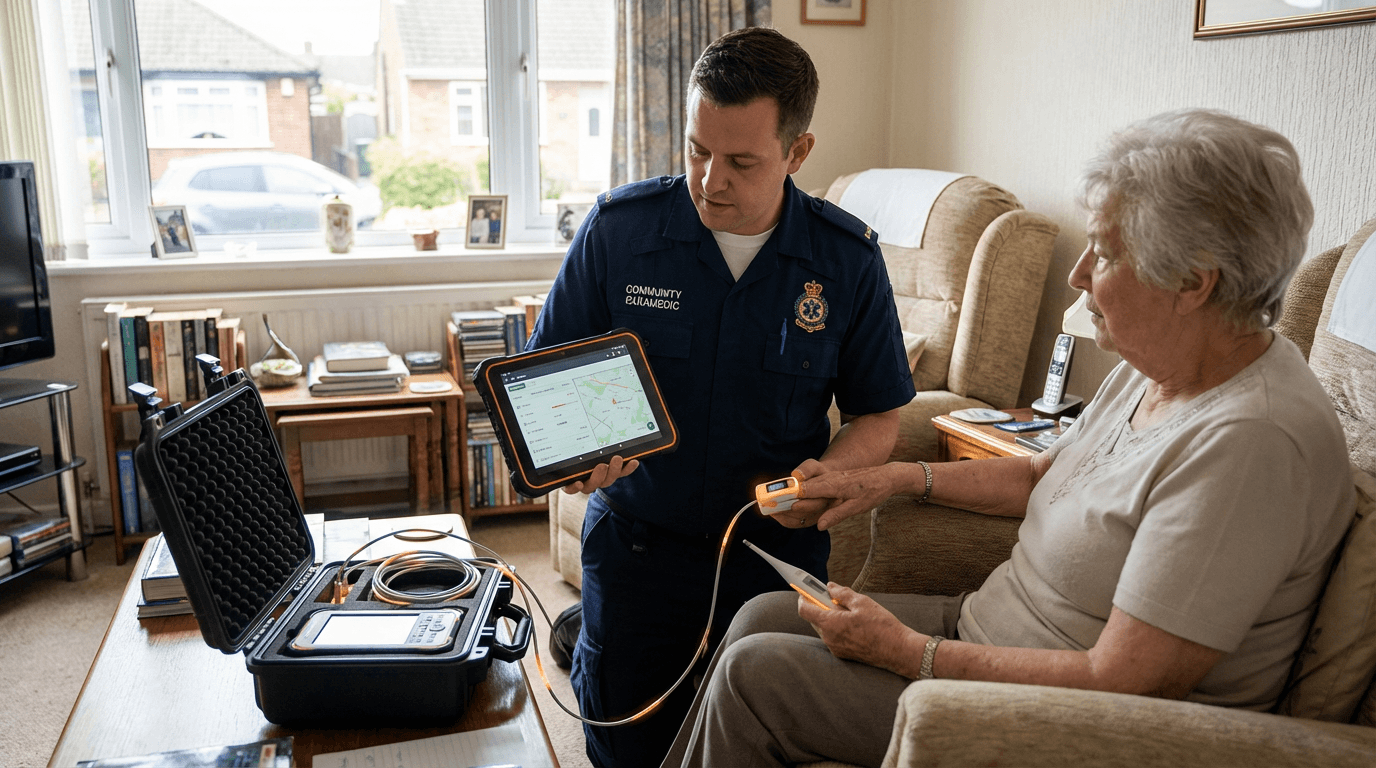
Programs that redeploy EMS teams to deliver scheduled, preventive, and post-discharge care in the community.
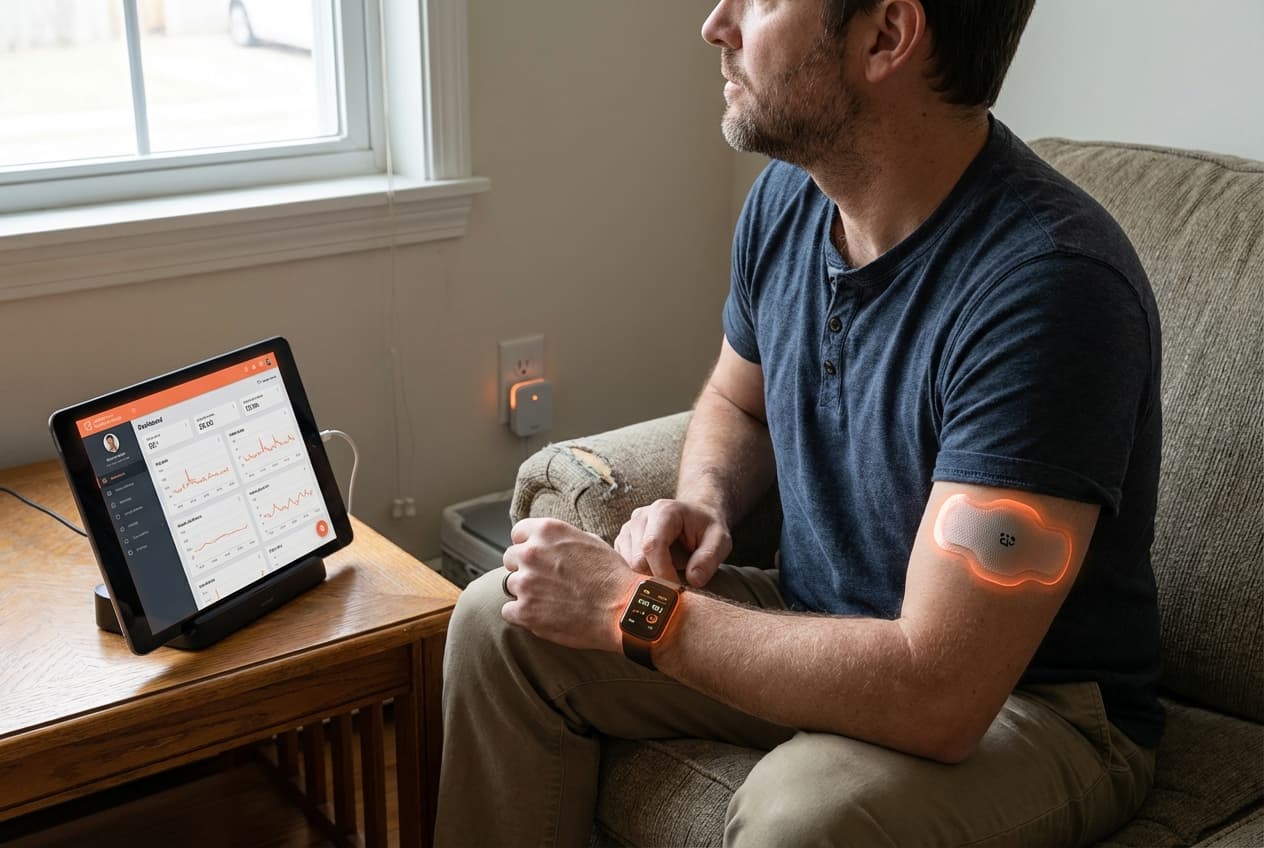
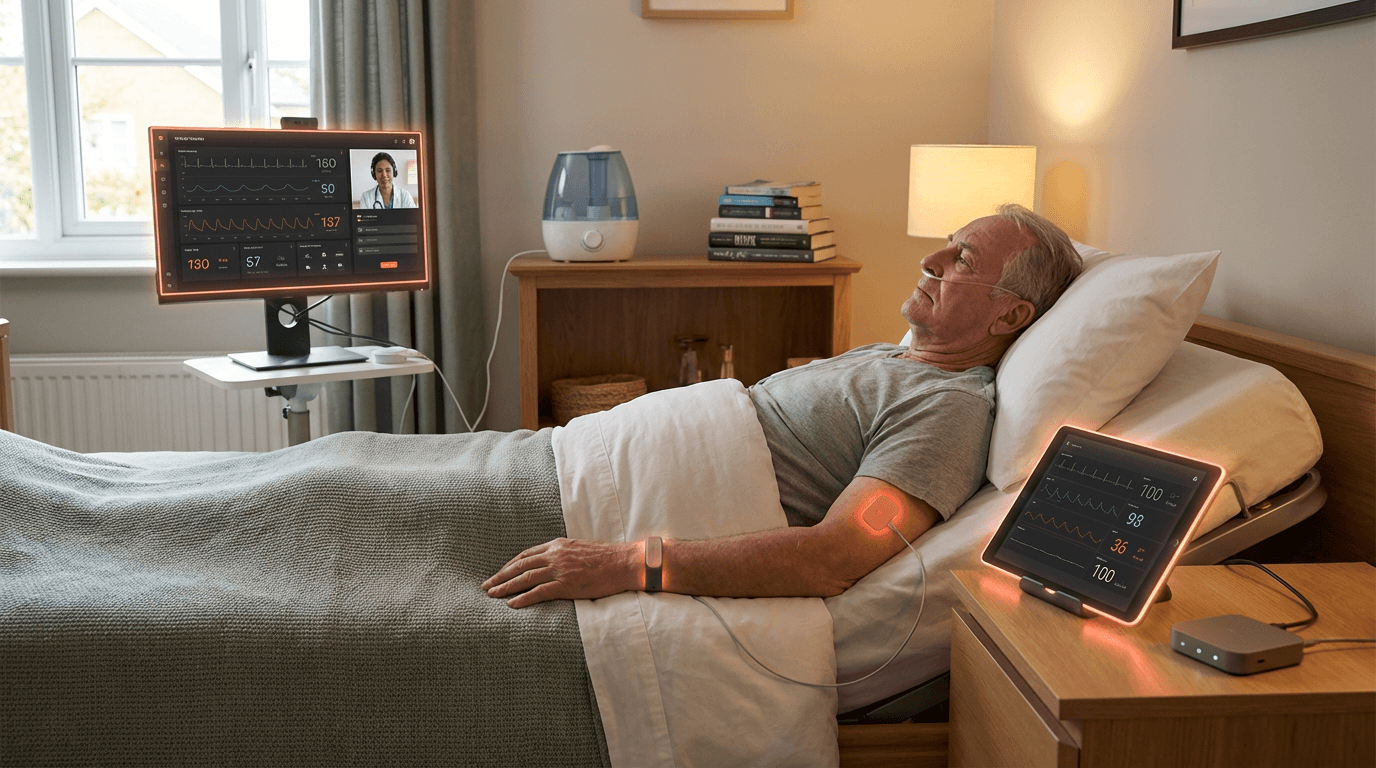
Networked biosensor patches and wearables for real-time patient monitoring inside and outside the hospital.
Prescription-grade software platforms treated as reimbursable medical treatments.
Virtual replicas of hospital operations used to simulate workflows and optimize facility design.
Fine-grained consent systems that adapt to evolving data uses and patient preferences.
Medical devices that process critical data locally to ensure low latency and continuous operation.
Hospital-at-home models treating acutely ill patients with continuous remote monitoring.
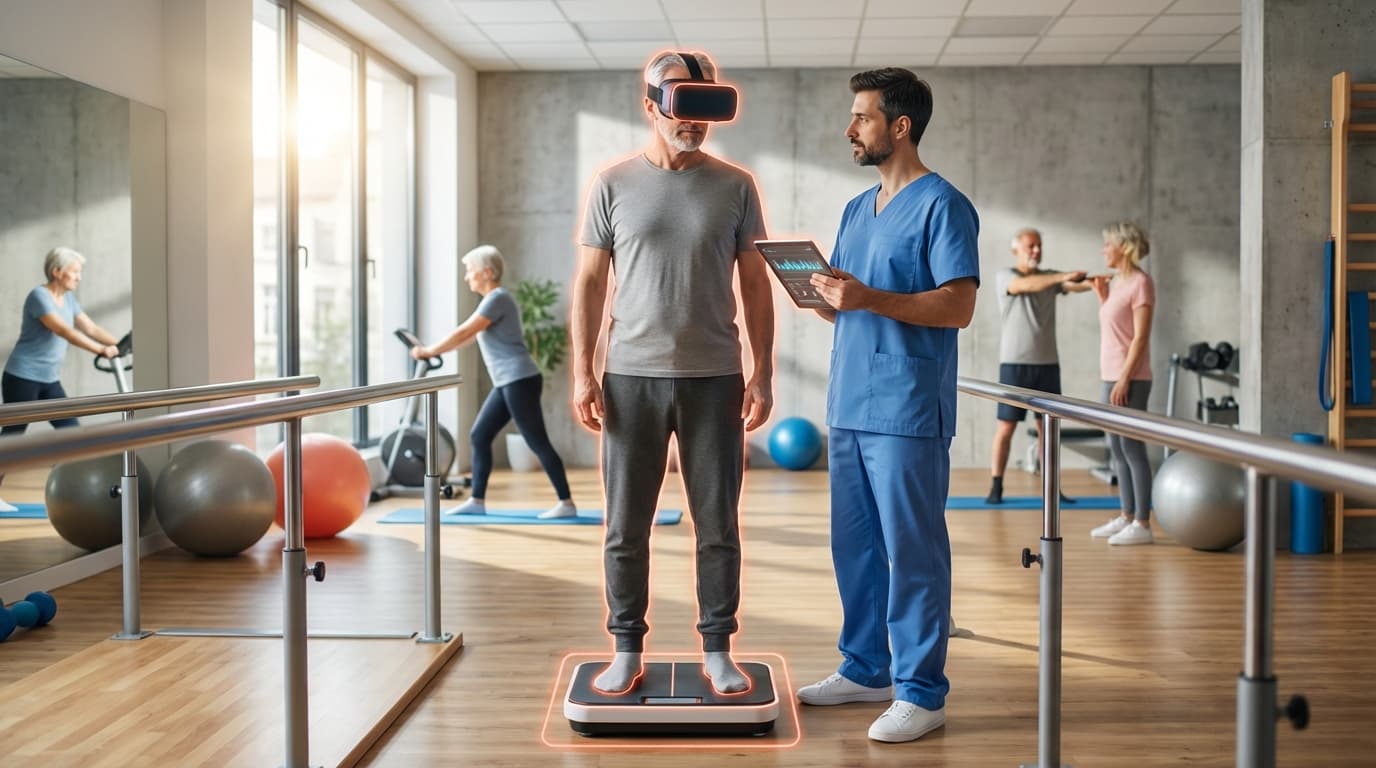
VR and AR environments used for pain management, rehabilitation, and mental health therapy.
Virtual clinical trials using digital twins to test treatments before human testing.
Embedding virtual mental health services into primary and chronic care pathways.
Unified data layers that connect disparate health systems to create a single, longitudinal patient record.
Hospital environments embedded with sensors for real-time tracking of assets, patients, and environmental conditions.
Rapidly deployable clinical environments for surge capacity and underserved regions.
Systems giving patients granular control over who accesses their health data.
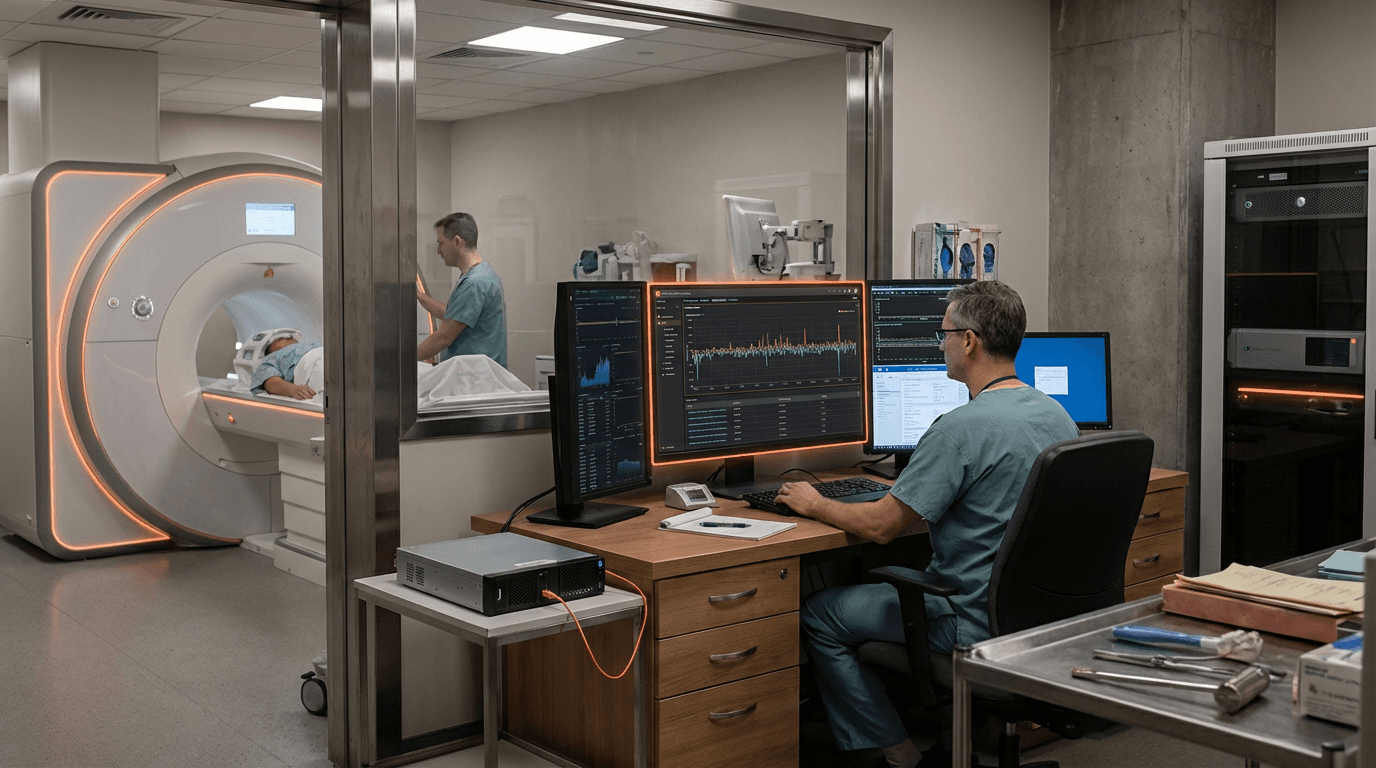
Portable imaging and lab devices that bring diagnostics to the bedside or home.
Analytics layers that stratify patient populations by risk to guide proactive interventions.
AI-driven command centers that forecast patient flow and resource needs to optimize capacity.
Techniques like federated learning and differential privacy that enable cross-institutional insights without sharing raw data.
Automated storage, compounding, and dispensing systems for high-throughput, error-resistant medication workflows.
Digital tools that link patients to community resources addressing food, housing, and transportation needs.
Hub-and-spoke models providing remote intensivist and specialist support to community hospitals.
AI models that analyze vocal features to detect respiratory, neurological, and cardiovascular conditions.
Security frameworks for medical devices that verify every transaction to prevent cyberattacks.