Edge-Computing Medical Devices
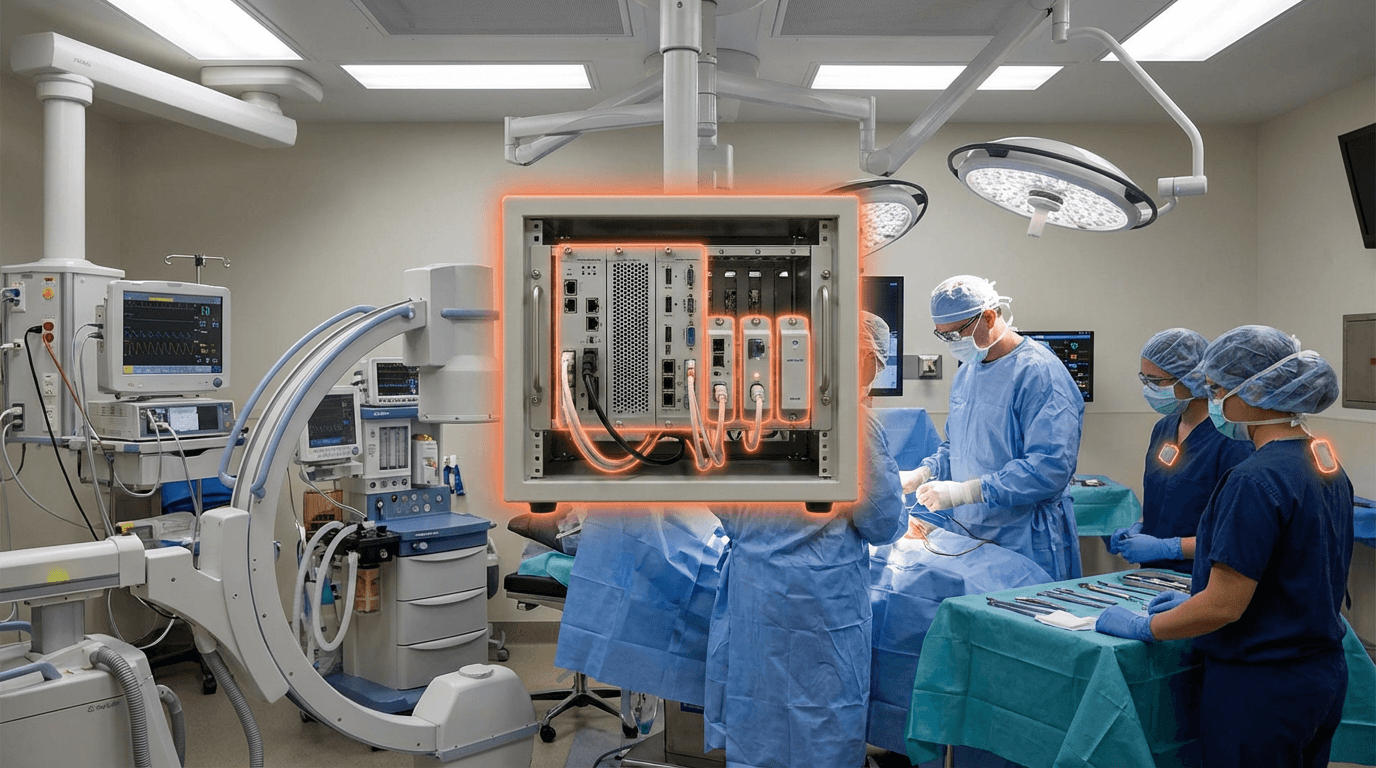
Edge-computing medical devices represent a fundamental shift in how healthcare equipment processes and responds to patient data. Unlike traditional cloud-dependent systems that transmit information to remote servers for analysis, these devices incorporate powerful processors and algorithms directly into the equipment itself, enabling real-time data processing at the point of care. This architectural approach leverages distributed computing principles, where sophisticated sensors capture physiological signals—such as heart rhythms, oxygen saturation, or surgical instrument positioning—and onboard processors immediately analyse this data using embedded machine learning models and clinical decision algorithms. The technology relies on miniaturised yet powerful computing components, including application-specific integrated circuits (ASICs) and field-programmable gate arrays (FPGAs), which can execute complex calculations within microseconds while maintaining the strict power consumption and sterilisation requirements of medical environments.
The healthcare industry faces critical challenges that edge computing directly addresses, particularly in scenarios where network connectivity cannot be guaranteed and where split-second decisions determine patient outcomes. In operating rooms, robotic surgical systems require instantaneous feedback loops between surgeon inputs and instrument movements—delays measured even in tens of milliseconds can compromise precision during delicate procedures. Similarly, intensive care units depend on ventilators and cardiac monitors that must detect and respond to life-threatening changes in patient status without waiting for cloud processing cycles or risking interruption from network failures. This local processing capability also addresses growing concerns about patient data privacy and regulatory compliance, as sensitive health information can be analysed and acted upon without necessarily transmitting raw data beyond the hospital's secure network. Furthermore, edge computing reduces the bandwidth burden on hospital networks, which increasingly struggle under the data load generated by modern diagnostic imaging and continuous monitoring systems.
Early deployments of edge-computing medical devices are already demonstrating measurable improvements in clinical outcomes and operational resilience. Advanced patient monitoring systems now incorporate edge-based algorithms that can detect subtle patterns indicating sepsis or cardiac events hours before they become critical, alerting clinicians while maintaining function during network disruptions. Portable ultrasound devices with embedded image processing capabilities are enabling point-of-care diagnostics in rural clinics and emergency settings where reliable internet connectivity remains unavailable. Research initiatives are exploring how edge computing can support next-generation applications such as closed-loop insulin delivery systems and brain-computer interfaces for paralysed patients, where continuous, low-latency operation is non-negotiable. As healthcare systems worldwide pursue digital transformation while confronting the realities of infrastructure limitations and cybersecurity threats, edge computing is emerging as an essential architecture that balances the benefits of intelligent, data-driven care with the fundamental requirement that medical devices must function reliably in any circumstance, making it a cornerstone technology for resilient healthcare delivery systems.
Related Organizations

Produces handheld ultrasound devices (Butterfly iQ) that utilize Ultrasound-on-Chip technology for local processing and imaging.

Developing foundation models for robotics (Project GR00T) and vision-language models like VILA.

Developed the Swoop system, the first portable MRI that processes imaging data locally for bedside usage.

A global leader in medical technology, producing the Percept PC neurostimulator with BrainSense technology.

Develops portable DNA/RNA sequencing devices used for real-time pathogen surveillance.


Develops digital stethoscopes with built-in AI algorithms to detect heart murmurs and AFib directly on the device/app.

Develops silicon spin qubits using advanced 300mm wafer manufacturing processes.

A major medical technology company offering 'AI-Rad Companion', a family of AI-powered, cloud-based augmented workflow solutions.

Offers the AI Stack which includes tools for hardware-aware model efficiency and architecture search.
Supporting Evidence
Research this in Signals
Signals turns a topic into a sourced research record you can inspect and rerun. Your first scan is free, and this one starts with Edge-Computing Medical Devices already loaded, so edit it or scan as is.