Continuous Monitoring Wearables
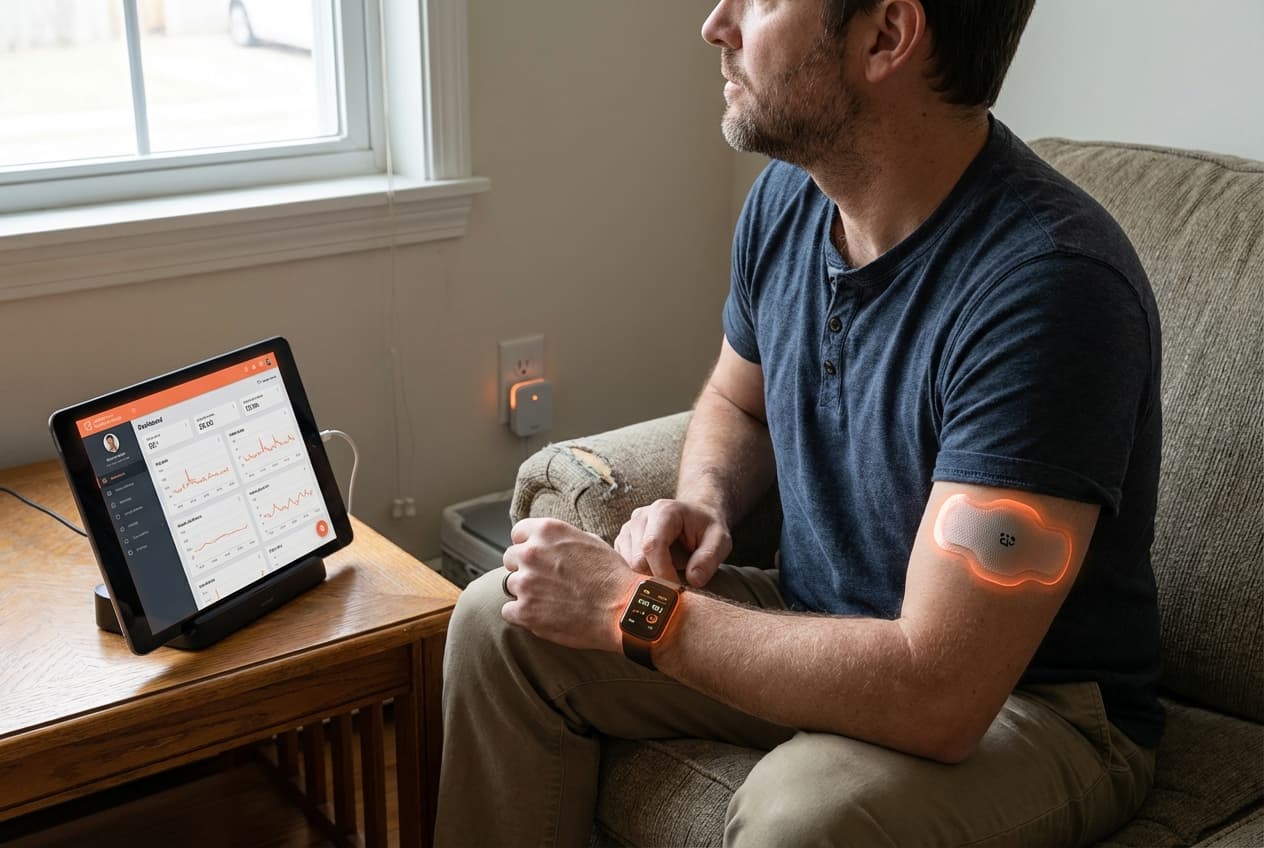
Continuous monitoring wearables represent a fundamental shift in how healthcare systems track patient health, moving beyond intermittent vital sign checks to persistent, real-time physiological surveillance. These devices employ advanced biosensors embedded in adhesive patches, smart textiles, or compact wrist-worn units to capture a comprehensive array of vital signs including heart rate, respiratory rate, body temperature, oxygen saturation, and in some cases electrocardiogram readings and blood pressure trends. The underlying technology combines miniaturised sensors with wireless connectivity protocols that transmit encrypted data streams to centralised monitoring platforms, creating a continuous digital record of patient status. Unlike traditional spot-check measurements taken every few hours, these wearables generate data points every few seconds or minutes, providing clinicians with a granular view of physiological trends that might otherwise go undetected between nursing rounds.
The healthcare industry faces persistent challenges in early detection of patient deterioration, particularly on general medical-surgical floors where nurse-to-patient ratios are higher and continuous monitoring has traditionally been reserved for intensive care units. Research suggests that many adverse events in hospitals are preceded by measurable changes in vital signs hours before clinical crisis, yet these warning signals often go unnoticed in conventional care models. Continuous monitoring wearables address this gap by democratising access to telemetry-grade surveillance across all hospital units, enabling automated alerts when physiological parameters drift outside safe ranges. This technology also tackles the growing demand for hospital-at-home programs and post-discharge monitoring, where patients recovering from surgery or managing chronic conditions can be safely cared for in their own residences while clinical teams maintain oversight through remote dashboards. By extending the reach of hospital monitoring systems beyond facility walls, these devices help reduce readmission rates and enable earlier intervention when complications arise.
Early deployments indicate that continuous monitoring wearables are gaining traction in both acute care settings and ambulatory environments, with healthcare systems piloting programs that track surgical patients through their entire recovery journey from operating room to home. Some implementations focus on high-risk populations such as those with heart failure or respiratory conditions, where subtle changes in vital signs can signal impending decompensation. The technology aligns with broader industry movements toward value-based care models that reward providers for keeping patients healthy rather than simply treating illness episodes. As wireless infrastructure improves and sensor accuracy continues to advance, these wearables are positioned to become standard components of care pathways, fundamentally reshaping the relationship between patients and healthcare providers by enabling truly continuous rather than episodic monitoring.
Related Organizations

Creator of the FreeStyle Libre system, a leading continuous glucose monitoring platform.

Creates medical-grade wearable devices (BioSticker, BioButton) for continuous remote patient monitoring.

Leader in Continuous Glucose Monitoring (CGM) systems for diabetes management.

Developer of the Zio patch, a single-use ambulatory cardiac monitor for long-term continuous heart rhythm monitoring.

Enterprise remote care management platform acquired by Best Buy Health.
Produces the VitalPatch, a biosensor that detects 8 physiological measurements continuously.

Develops ultrasound systems (Voluson) with AI features that assist in assessing fetal development and cervical length, key indicators for preterm risk.

Spun out of Northwestern University, developing soft, flexible sensors for ICU-grade monitoring in the home.

Consumer electronics company creating smartwatches (ScanWatch) capable of continuous AFib and SpO2 detection.
Supporting Evidence
Research this in Signals
Signals turns a topic into a sourced research record you can inspect and rerun. Your first scan is free, and this one starts with Continuous Monitoring Wearables already loaded, so edit it or scan as is.