IoMT-Integrated Smart Infrastructure
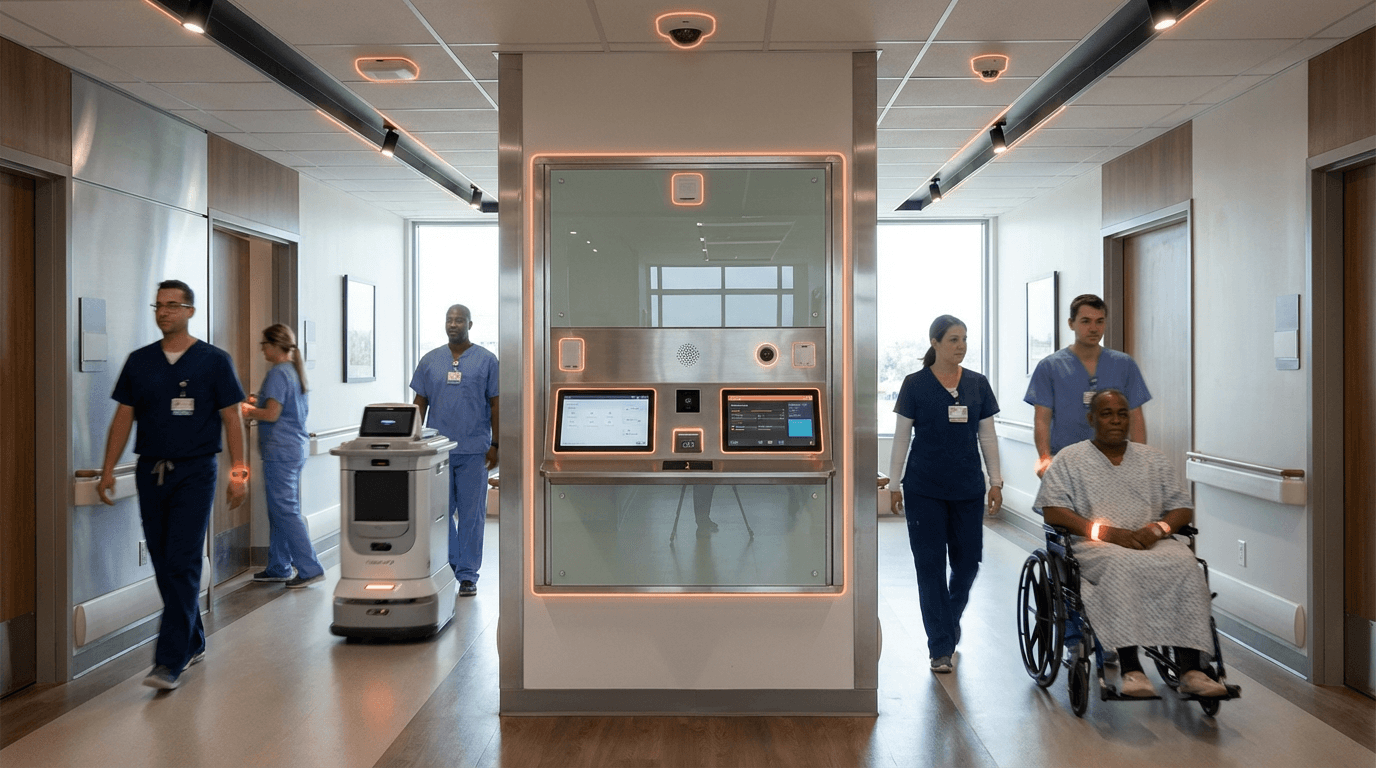
The Internet of Medical Things (IoMT) represents a fundamental shift in how healthcare facilities operate, transforming static hospital buildings into intelligent, responsive environments. At its core, this technology embeds networks of interconnected sensors, devices, and communication systems throughout hospital infrastructure to create a continuous flow of actionable data. These systems typically include RFID tags and Bluetooth Low Energy beacons attached to medical equipment and patient wristbands, environmental sensors monitoring air quality and temperature, smart beds equipped with pressure sensors and weight scales, and ceiling-mounted tracking systems that triangulate positions within the facility. The data streams from these devices converge at centralized monitoring platforms where machine learning algorithms process information in real-time, identifying patterns and triggering automated responses. Unlike traditional hospital management systems that rely on manual checks and periodic updates, IoMT infrastructure operates continuously, creating a digital twin of the physical hospital that updates moment by moment.
Healthcare facilities face persistent operational challenges that directly impact patient outcomes and financial performance. Equipment misplacement costs hospitals significant time and resources, with nurses spending up to 20% of their shifts searching for essential devices like infusion pumps and wheelchairs. Patient safety incidents, including falls, pressure ulcers, and delayed response to deteriorating conditions, remain leading causes of preventable harm in hospital settings. Environmental factors such as inadequate ventilation, improper temperature control, and poor lighting contribute to both patient discomfort and infection risks. IoMT-integrated infrastructure addresses these challenges by providing unprecedented visibility into hospital operations. Real-time asset tracking eliminates equipment search time, ensuring critical devices are always available when needed. Continuous patient monitoring through smart beds and wearable sensors enables early detection of physiological changes, allowing clinical teams to intervene before conditions deteriorate. Automated environmental controls adjust lighting, temperature, and air circulation based on room occupancy and patient needs, creating optimal healing environments while reducing energy consumption.
Early adopters of IoMT infrastructure have reported measurable improvements in operational efficiency and patient safety metrics. Research suggests that hospitals implementing comprehensive tracking systems have reduced equipment acquisition costs by optimizing utilization of existing assets rather than purchasing duplicates. Smart bed systems that automatically alert staff when patients attempt to get up unassisted have shown promise in reducing fall rates in pilot programs. Environmental monitoring platforms are being deployed to maintain precise temperature and humidity levels in operating rooms and intensive care units, where even small deviations can compromise patient safety. As healthcare systems face mounting pressure to deliver better outcomes with constrained resources, IoMT infrastructure represents a strategic investment in operational excellence. The technology aligns with broader industry trends toward value-based care, where reimbursement increasingly depends on quality metrics rather than service volume. Looking forward, the integration of artificial intelligence with IoMT data promises even more sophisticated capabilities, including predictive maintenance that identifies equipment failures before they occur and dynamic resource allocation that anticipates patient flow patterns. As interoperability standards mature and implementation costs decline, IoMT-integrated infrastructure is positioned to become standard in modern healthcare facilities, fundamentally reshaping how hospitals function as both healing environments and complex operational systems.
Related Organizations

Securitas Healthcare
United States · Company
Formerly Stanley Healthcare, they provide the AeroScout RTLS platform for asset management and infant protection.

Through its acquisition of Hillrom, offers smart beds and connected care surfaces that monitor patient vitals and movement.

Produces ruggedized tracking hardware, barcode scanners, and RFID readers used in field logistics.

Specializes in BLE (Bluetooth Low Energy) beacons and cloud AI for indoor location services in healthcare.

Provides RTLS solutions specifically designed for clinical workflow optimization and patient flow tracking.

Offers the iBed Wireless system and connected OR technologies to integrate equipment status with hospital records.

A global networking leader that coined the term IoE, providing the infrastructure connecting people, data, and things.
Provides edge-as-a-service gateways for commercial IoT, widely used to connect medical devices and sensors in hospitals.
Supporting Evidence
Research this in Signals
Signals turns a topic into a sourced research record you can inspect and rerun. Your first scan is free, and this one starts with IoMT-Integrated Smart Infrastructure already loaded, so edit it or scan as is.