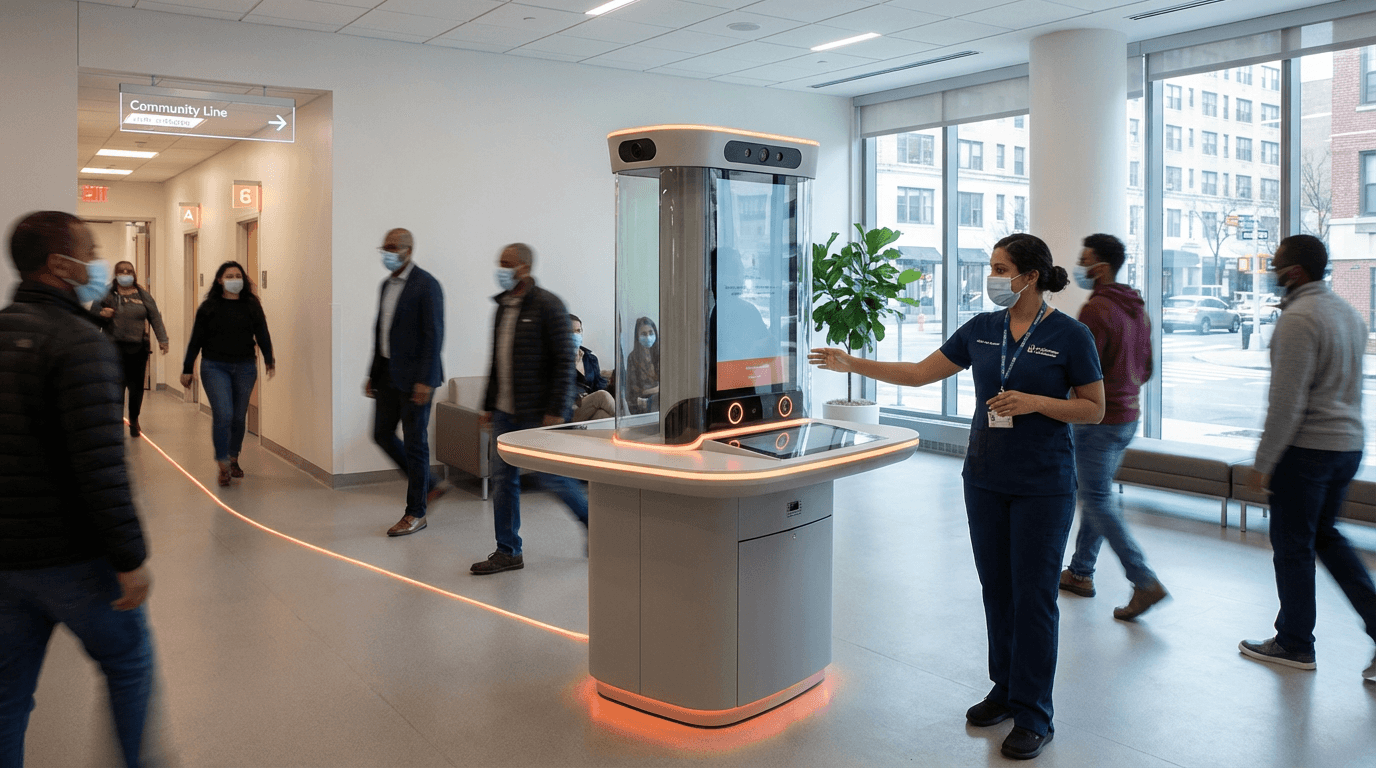
AI-Triage & Patient Routing
AI-powered triage and patient routing systems represent a fundamental shift in how healthcare networks manage patient flow and resource allocation. These intelligent platforms employ machine learning algorithms and natural language processing to conduct preliminary symptom assessments through conversational interfaces—whether text-based chat, voice assistants, or mobile applications. The underlying technology combines clinical decision trees with probabilistic models trained on vast datasets of patient presentations and outcomes. When a patient describes their symptoms, the system analyzes the information against established clinical protocols, considering factors such as symptom severity, duration, patient demographics, and medical history. Advanced implementations incorporate computer vision capabilities to assess visual symptoms when patients upload photographs, and some integrate with wearable device data to incorporate objective physiological measurements like heart rate or temperature into the assessment process.
The healthcare industry faces persistent challenges with misallocated resources and patient uncertainty about where to seek care. Emergency departments are frequently overwhelmed with non-urgent cases that could be managed in lower-acuity settings, while patients with serious conditions sometimes delay seeking appropriate care due to confusion about severity. Traditional triage relies on trained nurses conducting phone assessments, a model that struggles to scale during demand surges and lacks the consistency of algorithmic decision-making. AI triage systems address these inefficiencies by providing immediate, 24/7 access to preliminary assessments that guide patients toward the most appropriate care venue—whether that's self-care guidance, a scheduled primary care appointment, a telehealth consultation, a retail clinic visit, urgent care, or emergency services. This stratification helps healthcare networks optimize capacity utilization across their entire continuum of care, reducing wait times in emergency departments while ensuring that high-acuity patients receive timely attention. The technology also creates valuable data streams that help health systems predict demand patterns and allocate staffing more effectively.
Several major health systems and digital health platforms have deployed AI triage capabilities, with adoption accelerating significantly following the pandemic-driven expansion of telehealth services. Current implementations range from symptom checkers embedded in patient portals to standalone applications that integrate with electronic health records and scheduling systems. Early evidence suggests these systems can successfully redirect a meaningful portion of low-acuity cases away from emergency departments while maintaining safety through conservative escalation protocols. The technology is evolving toward more sophisticated multimodal assessments that combine conversational AI with remote monitoring data and predictive analytics. As healthcare delivery continues its shift toward value-based care models that emphasize efficiency and patient experience, AI triage systems are becoming integral infrastructure for managing patient access. The trajectory points toward increasingly personalized routing decisions that consider not just clinical urgency but also factors like insurance coverage, geographic proximity, provider availability, and patient preferences, ultimately creating a more navigable and responsive healthcare ecosystem.
Related Organizations

Offers an AI-powered symptom assessment app and enterprise solutions for health systems.

Provides AI-driven triage and preliminary diagnosis tools that guide patients to the correct care pathway.

An AI health assistant that checks symptoms and helps patients navigate to the right care provider.

Digital triage and remote consultation platform widely used in the UK NHS.

Care enablement platform that automates triage and patient intake (acquired Gyant).


AI platform for primary care that organizes patient data to highlight critical issues for triage.

An intelligent automation platform for healthcare that automates administrative and clinical workflows.
Supporting Evidence
Research this in Signals
Signals turns a topic into a sourced research record you can inspect and rerun. Your first scan is free, and this one starts with AI-Triage & Patient Routing already loaded, so edit it or scan as is.