High-Acuity Virtual Wards
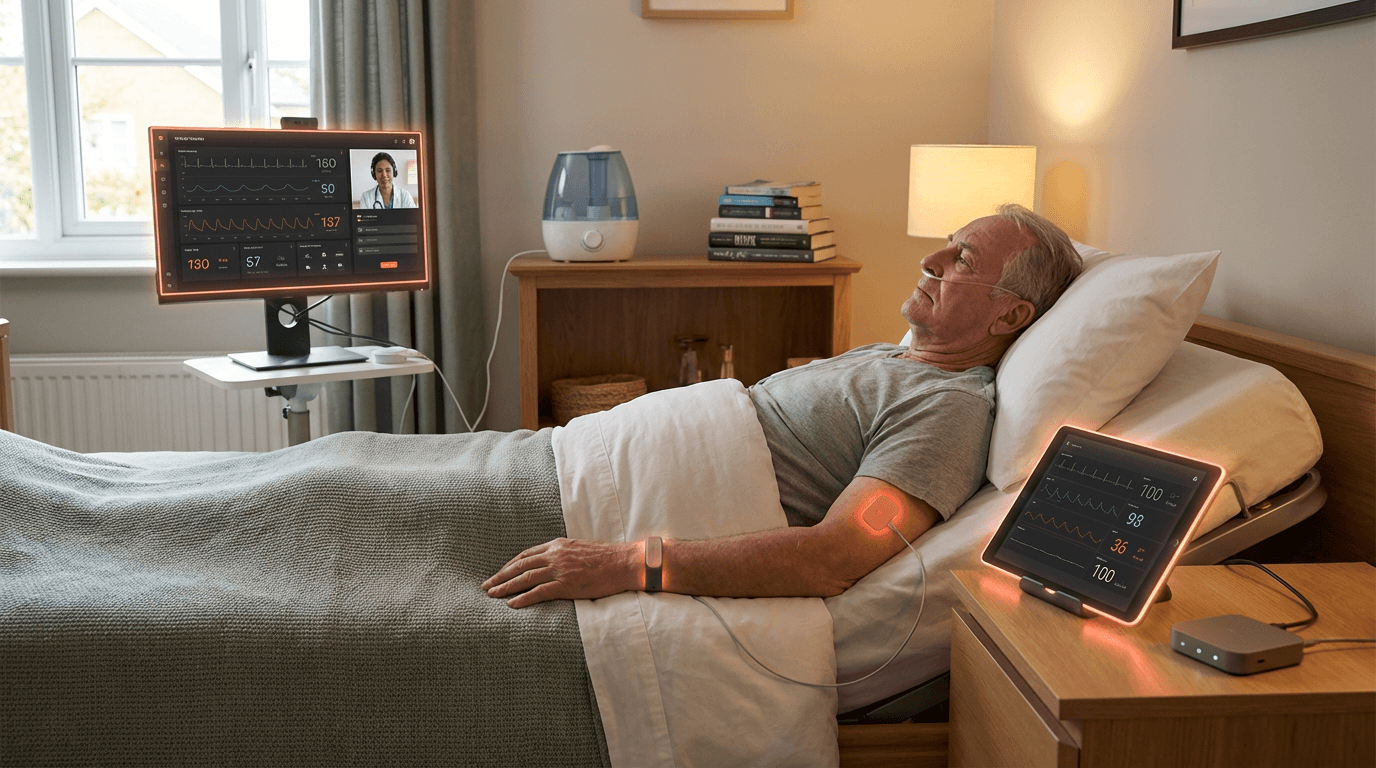
High-acuity virtual wards represent a fundamental shift in acute care delivery, enabling hospitals to treat seriously ill patients in their homes with the same level of clinical oversight traditionally reserved for inpatient units. Unlike conventional telehealth consultations or routine remote monitoring for stable chronic conditions, these programs deploy continuous surveillance systems that track vital signs—including heart rate, blood pressure, oxygen saturation, and respiratory rate—in real time, transmitting data to hospital-based command centers staffed by nurses and physicians. Patients receive medical-grade monitoring equipment, often including wearable sensors, pulse oximeters, and connected diagnostic devices, alongside daily or twice-daily visits from community-based clinical teams equipped to administer intravenous medications, perform blood draws, and conduct physical assessments. This infrastructure allows healthcare systems to manage conditions such as acute exacerbations of heart failure, community-acquired pneumonia, cellulitis requiring IV antibiotics, and early post-surgical recovery outside traditional hospital walls, while maintaining the ability to escalate care rapidly if a patient's condition deteriorates.
The emergence of high-acuity virtual wards addresses several converging pressures on healthcare systems worldwide. Hospital bed shortages, particularly during seasonal surges in respiratory illness or public health emergencies, strain capacity and force emergency departments to board patients in hallways or delay elective procedures. Traditional inpatient care also carries significant risks, including hospital-acquired infections, delirium in elderly patients, and the physical deconditioning that results from prolonged bed rest. By shifting appropriate patients to home-based acute care, hospitals can reserve their most resource-intensive beds for patients requiring intensive care, surgical intervention, or procedures that cannot be performed outside a hospital setting. Early evidence from pilot programs suggests that virtual wards can reduce per-episode costs by twenty to forty percent compared to conventional admission, primarily through lower overhead expenses and shorter average lengths of stay. Patient satisfaction scores tend to be higher in home-based models, as individuals recover in familiar surroundings with greater autonomy and family involvement, while avoiding the disruption and anxiety associated with hospitalisation.
Several health systems in the United Kingdom, Australia, and North America have launched virtual ward programs, with the UK's National Health Service announcing plans to expand capacity significantly as part of broader efforts to modernise care delivery and reduce emergency department crowding. These programs typically target patients who meet specific clinical criteria—stable enough to be safely managed at home but sick enough to otherwise require admission—and who have adequate housing conditions and social support. The technology infrastructure continues to evolve, with newer platforms incorporating artificial intelligence algorithms to detect early warning signs of deterioration, predict which patients are at highest risk of complications, and optimise staffing schedules for community response teams. As healthcare systems worldwide grapple with aging populations, rising chronic disease burdens, and workforce shortages, high-acuity virtual wards represent a scalable model that aligns with broader trends toward value-based care, hospital-at-home initiatives, and the integration of digital health tools into mainstream clinical practice. The success of these programs will likely depend on robust reimbursement frameworks, clear clinical protocols for patient selection and escalation, and continued investment in the monitoring technologies and community infrastructure required to deliver hospital-grade care beyond hospital walls.
Related Organizations

Provides the tech platform and logistics to enable hospitals to treat high-acuity patients at home.

Provides clinically validated software-based therapeutics and remote patient monitoring using AI to predict health deterioration.

Enterprise remote care management platform acquired by Best Buy Health.

A leading virtual ward provider in the UK, offering end-to-end remote monitoring services.

Operates joint-venture hospital-at-home models with health systems (acquired by Amedisys).

Provider of in-home high-acuity medical care, effectively a mobile urgent care and hospital-at-home provider.

A global digital health company providing a platform for remote patient monitoring and decentralized clinical trials.

Oncology-specific platform enabling cancer care at home.
Supporting Evidence
Research this in Signals
Signals turns a topic into a sourced research record you can inspect and rerun. Your first scan is free, and this one starts with High-Acuity Virtual Wards already loaded, so edit it or scan as is.