Chronic Disease Virtual Care Programs
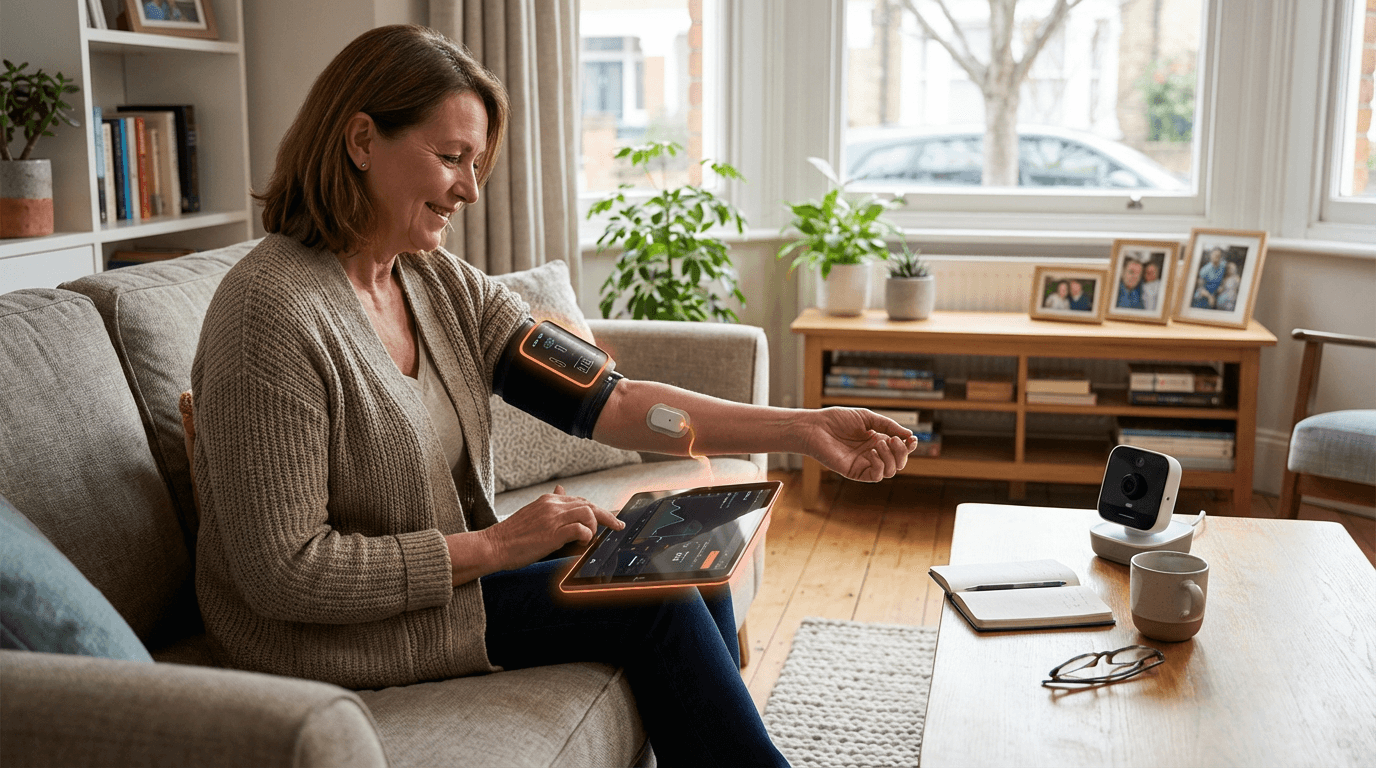
Chronic Disease Virtual Care Programs represent a paradigm shift in how healthcare systems manage long-term conditions, moving from episodic, reactive interventions to continuous, proactive engagement. These programs integrate remote patient monitoring devices—such as connected scales, blood pressure cuffs, glucometers, and pulse oximeters—with telehealth platforms that facilitate both scheduled video consultations and asynchronous communication between patients and care teams. The technical architecture typically includes cloud-based data aggregation systems that collect physiological measurements from home devices, patient-reported symptoms through mobile applications, and medication adherence data. Clinical decision support algorithms analyze these data streams in near real-time, applying evidence-based thresholds and trend analysis to identify concerning patterns. For instance, in heart failure management, a sudden weight gain of two pounds in a day or five pounds in a week can trigger automated alerts to nurses, while diabetes programs track glucose variability, time-in-range metrics, and correlations with diet or activity logs. This continuous data flow enables care teams to detect deterioration days or weeks before a patient would typically seek emergency care.
The healthcare delivery challenges these programs address are substantial and multifaceted. Traditional chronic disease management relies heavily on quarterly or annual clinic visits, leaving long gaps during which conditions can silently worsen until patients experience acute crises requiring emergency department visits or hospital admissions. This reactive model is both clinically suboptimal and economically unsustainable, with heart failure alone accounting for billions in annual hospitalization costs, many of which are potentially preventable. Chronic disease virtual care programs solve this problem by establishing a continuous feedback loop between patients and multidisciplinary teams that may include physicians, nurse practitioners, pharmacists, dietitians, and health coaches. When algorithms flag concerning trends, clinicians can intervene promptly with medication adjustments, dietary counseling, or intensified monitoring protocols—interventions that are far less costly and traumatic than emergency hospitalizations. These programs also address geographic barriers to specialty care, enabling patients in rural areas to access cardiologists or endocrinologists who might otherwise be hours away. Furthermore, they empower patients through education and engagement, transforming passive recipients of care into active participants who understand how daily behaviors affect their health metrics.
Research suggests that well-designed chronic disease virtual care programs can reduce hospital readmissions by twenty to forty percent for conditions like congestive heart failure, while improving patient satisfaction and quality of life. Healthcare systems across North America and Europe have deployed these programs with varying degrees of integration, from standalone pilot initiatives to fully embedded components of accountable care organizations and value-based payment models. The COVID-19 pandemic accelerated adoption dramatically, as regulatory changes expanded reimbursement for remote monitoring and telehealth services that were previously limited. Current deployments often focus on high-risk populations—patients with recent hospitalizations, multiple comorbidities, or poor medication adherence—where the return on investment is most compelling. Looking forward, the trajectory points toward increasingly sophisticated predictive analytics that incorporate social determinants of health, genomic data, and artificial intelligence to personalize intervention strategies. As healthcare systems worldwide transition from fee-for-service to value-based care models that reward outcomes over volume, chronic disease virtual care programs are becoming essential infrastructure rather than optional innovations, fundamentally reshaping the relationship between patients, providers, and the healthcare delivery system.
Related Organizations


A multinational telemedicine and virtual healthcare company.

The largest integrated health care system in the US, actively deploying VR exposure therapy (Bravemind) for veterans with PTSD.

Provides clinically validated software-based therapeutics and remote patient monitoring using AI to predict health deterioration.

An integrated managed care consortium that has pioneered the large-scale integration of remote monitoring into standard chronic care pathways.

Provides a clinically proven treatment to reverse type 2 diabetes without medications or surgery via continuous remote care.

A digital therapeutics company delivering personalized support for diabetes, hypertension, and weight management.

A global digital health company providing a platform for remote patient monitoring and decentralized clinical trials.

Provides a virtual care platform for physical and mental chronic conditions, sold primarily to employers and payers.

A digital health company offering diet and lifestyle coaching for chronic conditions, integrated with European healthcare systems.
Supporting Evidence
Research this in Signals
Signals turns a topic into a sourced research record you can inspect and rerun. Your first scan is free, and this one starts with Chronic Disease Virtual Care Programs already loaded, so edit it or scan as is.