







Modular Construction
This page is a narrower case of it.
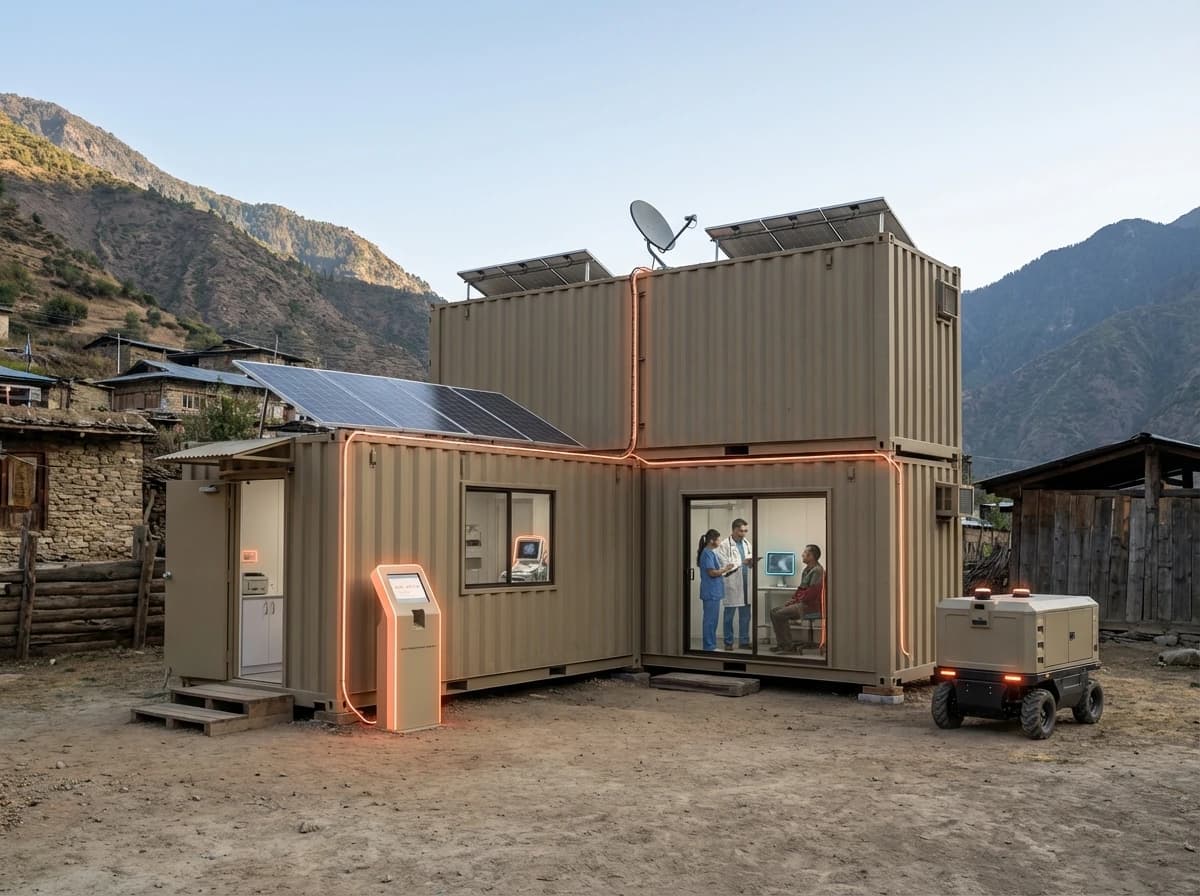
Modular micro-hospitals and mobile clinics represent a paradigm shift in healthcare infrastructure, moving away from the traditional model of large, fixed facilities toward flexible, rapidly deployable clinical environments. These systems typically consist of prefabricated units built using standardized shipping container dimensions or custom-engineered modules that can be transported by truck, rail, or cargo aircraft. Each unit is designed with integrated medical-grade electrical systems, climate control, water purification, and waste management capabilities, allowing them to function independently or connect to existing utility grids. The modular architecture enables configurations ranging from single-unit primary care stations to multi-module facilities with emergency departments, diagnostic imaging suites, surgical theaters, and inpatient wards. Advanced models incorporate telemedicine infrastructure, electronic health record systems, and satellite connectivity, ensuring that even remote deployments maintain digital links to specialist networks and central hospital systems.
The healthcare delivery landscape faces persistent challenges in both chronic underservice and acute surge scenarios. Rural and remote communities often lack access to specialty care and advanced diagnostics, forcing residents to travel hundreds of miles for routine procedures. Urban areas, meanwhile, struggle with emergency department overcrowding and insufficient capacity during public health crises, as demonstrated during recent pandemic responses. Traditional hospital construction requires years of planning, regulatory approval, and capital investment—timelines incompatible with rapidly evolving healthcare needs. Modular micro-hospitals address these gaps by dramatically reducing deployment time and capital requirements while maintaining clinical standards. Their mobility allows healthcare systems to reposition resources based on seasonal demand patterns, population shifts, or emerging health threats. This flexibility transforms healthcare delivery from a static model into a dynamic system capable of responding to changing community needs, whether serving agricultural workers during harvest seasons, providing maternal care in underserved neighborhoods, or establishing isolation units during infectious disease outbreaks.
Early deployments have demonstrated the viability of this approach across diverse contexts. Following natural disasters, mobile surgical units have provided emergency care while permanent facilities undergo repair, maintaining continuity of services during critical recovery periods. In frontier healthcare markets, modular clinics have brought diagnostic imaging and specialist consultations to communities previously dependent on multi-day journeys to regional centers. Some health systems have deployed mobile units as temporary capacity during facility renovations or to test service demand in new markets before committing to permanent construction. The technology aligns with broader trends toward distributed healthcare delivery, value-based care models, and infrastructure resilience planning. As climate change increases the frequency of extreme weather events and demographic shifts continue to reshape population distributions, the ability to rapidly deploy and redeploy clinical capacity will become increasingly valuable. Future iterations may incorporate renewable energy systems, advanced air filtration for infectious disease control, and modular operating rooms equipped for complex procedures, further expanding the clinical capabilities available in temporary or mobile configurations.
Manufacturer of mobile medical vehicles and modular healthcare facilities.
Provides medical care in conflict areas and disaster zones using container-based solutions.

Mobile Healthcare Facilities
United States · Company
Designs and manufactures mobile medical facilities.
Global provider of healthcare solutions, particularly in remote and challenging environments.
Provides modular radiotherapy vaults and cancer care clinics.
Combat Support Agency that enables the U.S. Army, U.S. Navy, and U.S. Air Force medical services.
Published forecasts about this technology, graded against what happened in Hindsight.
Modular Construction
This page is a narrower case of it.
Signals turns a topic into a sourced research record you can inspect and rerun. Your first scan is free, and this one starts with Modular Micro-Hospitals & Mobile Clinics already loaded, so edit it or scan as is.