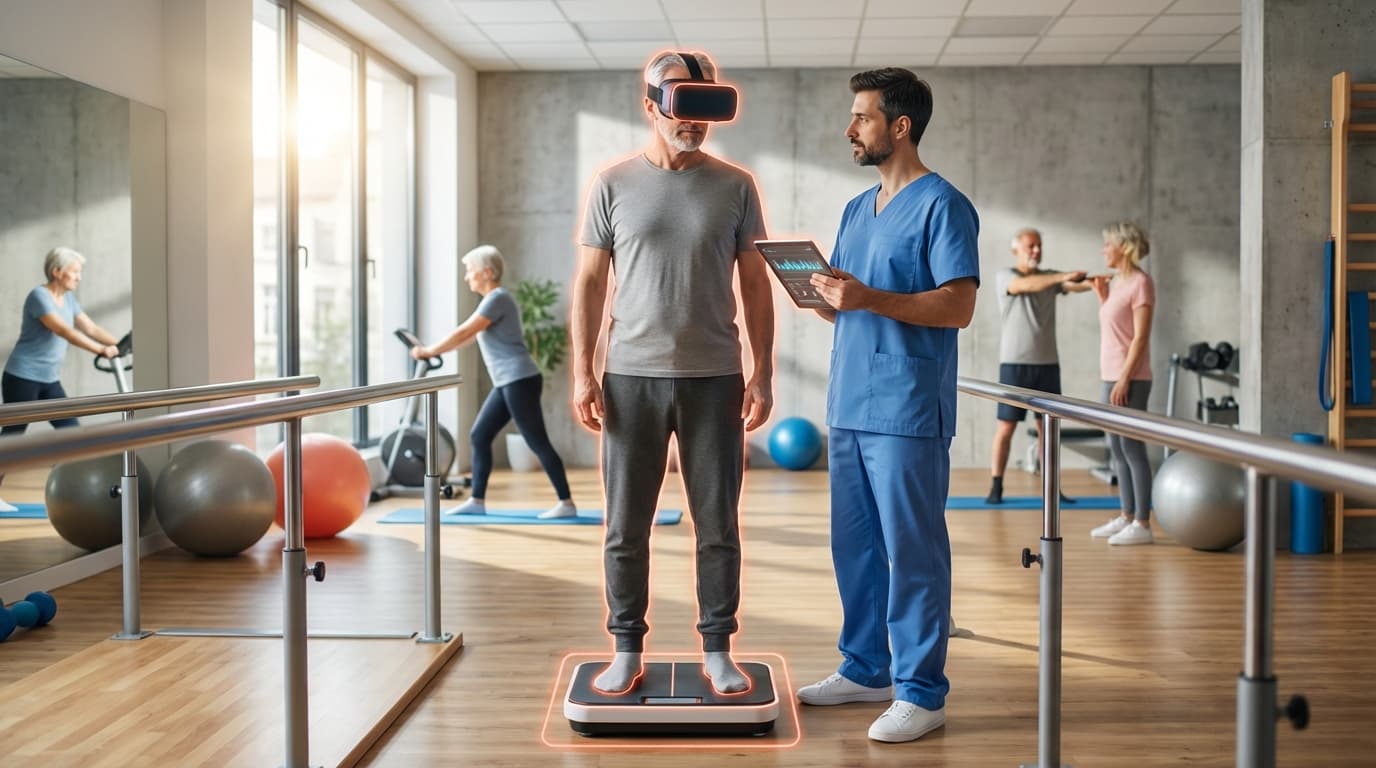
Immersive Therapeutic Reality
Immersive Therapeutic Reality represents a convergence of virtual and augmented reality technologies with clinical neuroscience, creating controlled digital environments that actively engage patients' sensory and motor systems for therapeutic purposes. These systems typically employ head-mounted displays, motion tracking sensors, and haptic feedback devices to create convincing three-dimensional spaces where patients can interact with virtual objects and scenarios. The underlying mechanism relies on the brain's neuroplasticity—its ability to form new neural connections in response to experience. By presenting carefully designed visual, auditory, and tactile stimuli, these environments can modulate pain perception, facilitate motor relearning after neurological injury, and provide safe exposure therapy for anxiety disorders and post-traumatic stress. The technology works by capturing the brain's attention so completely that it can interrupt pain signals, encourage movement patterns that might otherwise be too painful to attempt, or allow patients to confront feared situations in a controlled, graduated manner.
Healthcare systems face mounting challenges from chronic pain conditions, mental health disorders, and the rehabilitation needs of aging populations, all while grappling with the opioid crisis and the limitations of traditional therapeutic approaches. Conventional pain management often relies heavily on pharmaceutical interventions that carry risks of dependency and side effects, while physical rehabilitation can be repetitive and difficult to sustain over the extended periods required for recovery. Mental health treatment, particularly for conditions like PTSD and phobias, may require exposure to triggering situations that are difficult to replicate safely in clinical settings. Immersive Therapeutic Reality addresses these challenges by offering engaging, repeatable, and precisely controllable therapeutic experiences. The gamification elements inherent in many of these platforms improve patient adherence to treatment protocols, a persistent problem in rehabilitation where motivation often wanes during lengthy recovery periods. By providing objective data on patient performance and progress, these systems also enable clinicians to adjust treatment protocols with greater precision than traditional observational methods allow.
Clinical deployments of immersive therapeutics have expanded significantly in recent years, with hospitals and rehabilitation centres incorporating VR systems for burn wound care, physical therapy following stroke or orthopaedic surgery, and treatment of anxiety disorders. Research suggests that VR distraction during painful procedures can reduce the need for analgesic medications, while stroke patients using VR-based rehabilitation show improvements in motor function and engagement compared to conventional therapy alone. Mental health applications include exposure therapy for specific phobias, social anxiety training through simulated social situations, and mindfulness-based interventions delivered in calming virtual environments. The technology is also finding applications in paediatric care, where child-friendly virtual worlds can transform frightening medical procedures into manageable experiences. As healthcare systems increasingly prioritise patient-centred care and seek alternatives to pharmacological interventions, immersive therapeutics represent a growing component of integrated treatment approaches. The continued development of more affordable, portable systems and the accumulation of clinical evidence supporting their efficacy suggest that these tools will become standard components of rehabilitation facilities, pain clinics, and mental health practices, fundamentally changing how patients experience and engage with their therapeutic journeys.
Related Organizations

Creators of RelieVRx, an FDA-authorized VR therapeutic for chronic lower back pain.

A leading VR platform for mental health professionals, offering a library of virtual environments for exposure therapy (phobias, anxiety).

Develops gamified neurorehabilitation platforms for stroke and brain injury recovery.

Operates virtual clinics providing VR therapy for various conditions.

Leverages Virtual Reality to teach social and life skills to individuals with Autism Spectrum Disorder (ASD).

Developed SparkRx, a digital therapeutic program for adolescent depression based on CBT principles.

A healthcare company that produces the REAL System, a VR rehabilitation platform for physical therapy.
Supporting Evidence
Research this in Signals
Signals turns a topic into a sourced research record you can inspect and rerun. Your first scan is free, and this one starts with Immersive Therapeutic Reality already loaded, so edit it or scan as is.