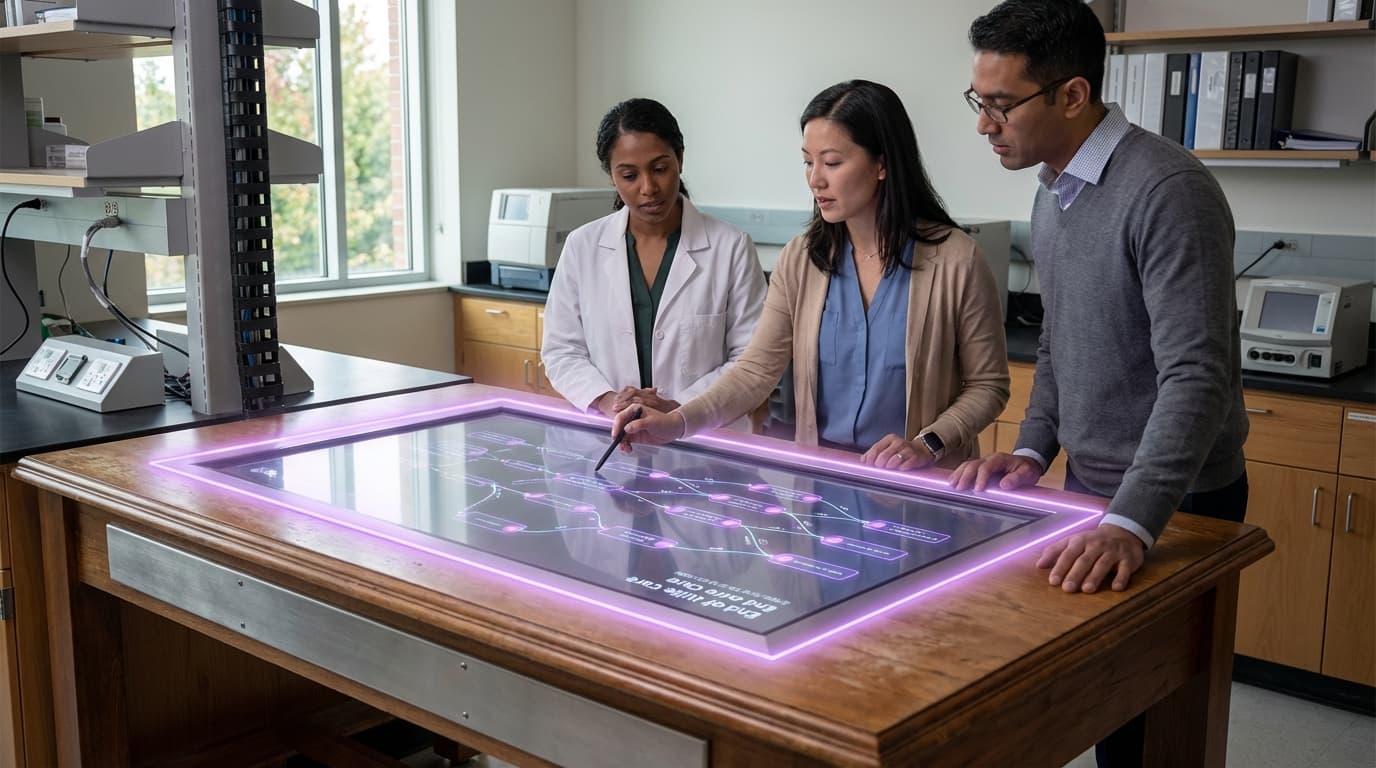
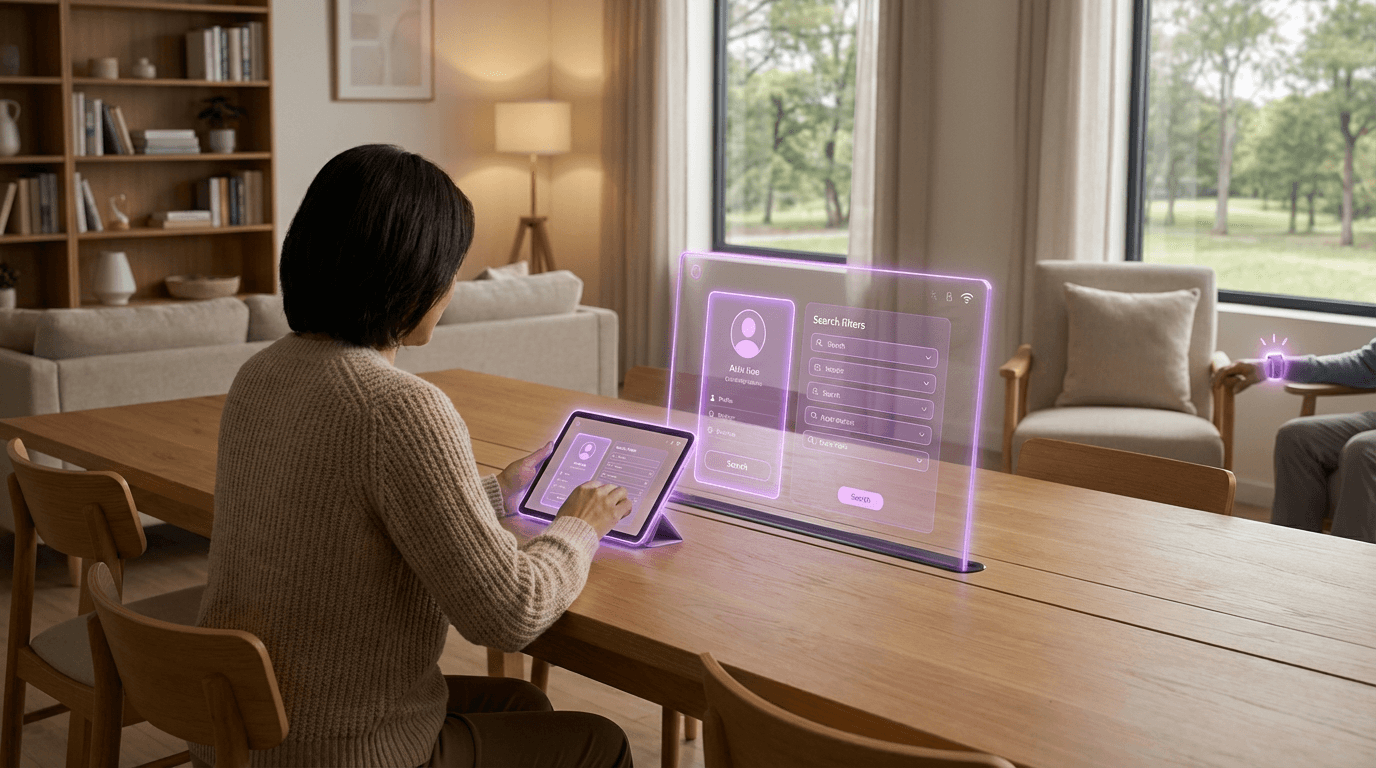
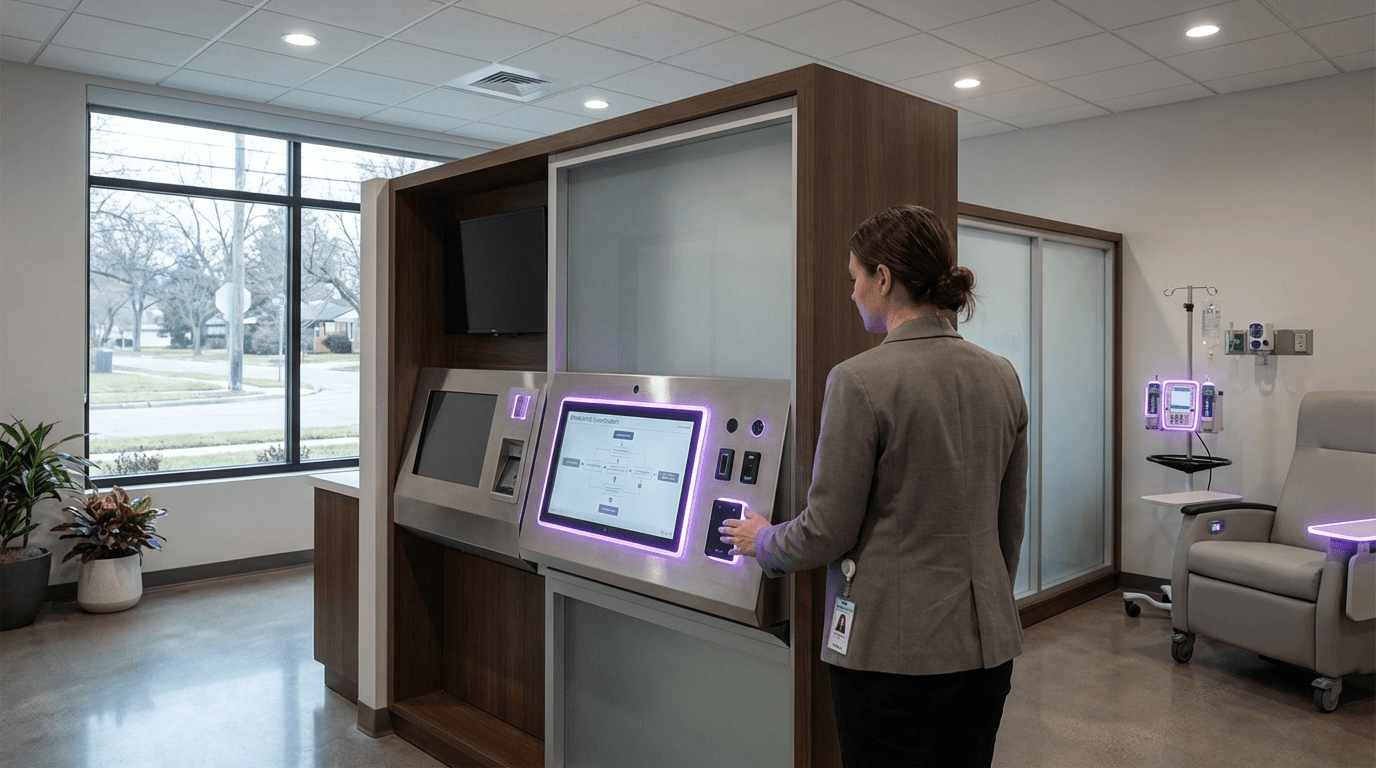
Extracts actionable medical instructions from advance directives and living wills
Addressing systematic errors in AI models that predict mortality risk and guide end-of-life decisions
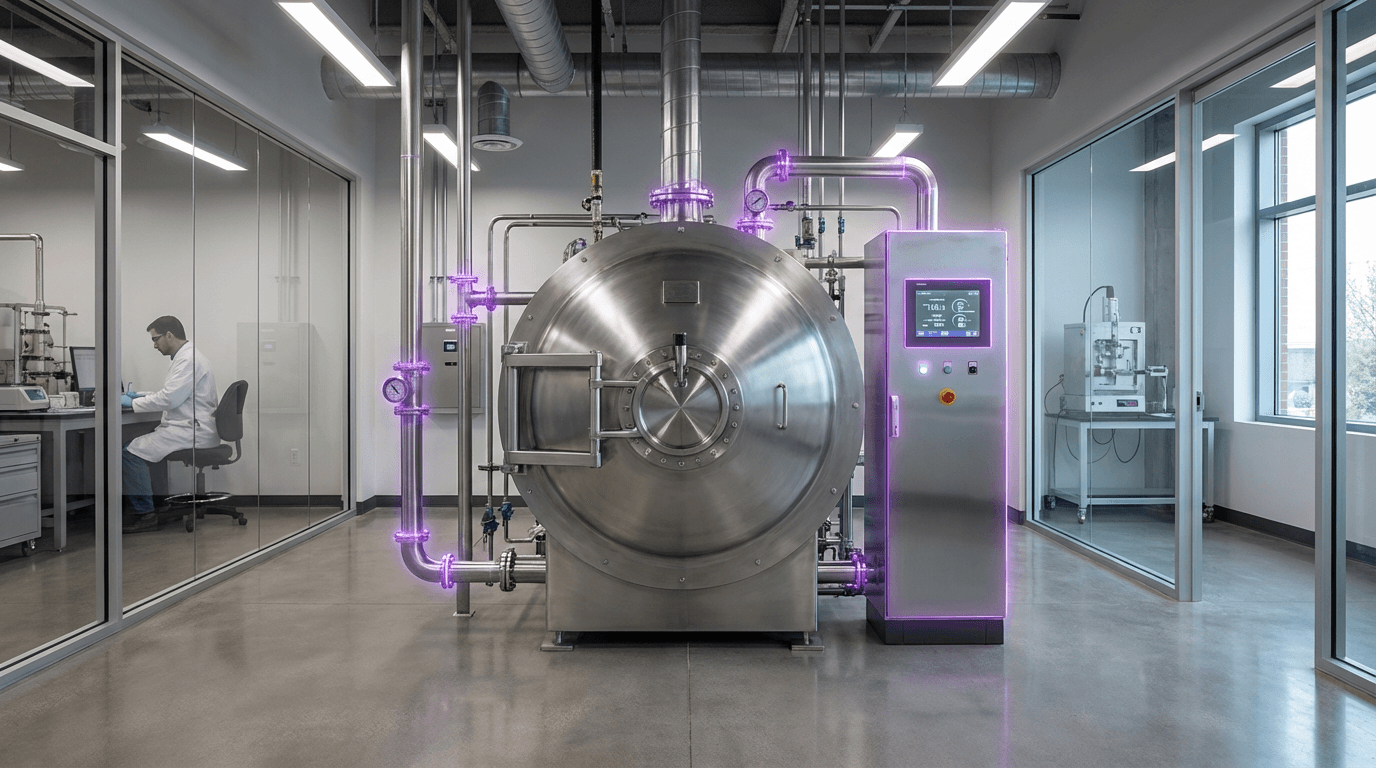
Water-based cremation using heat, pressure, and alkaline solution to accelerate decomposition
Frameworks governing the creation and use of AI replicas of deceased individuals
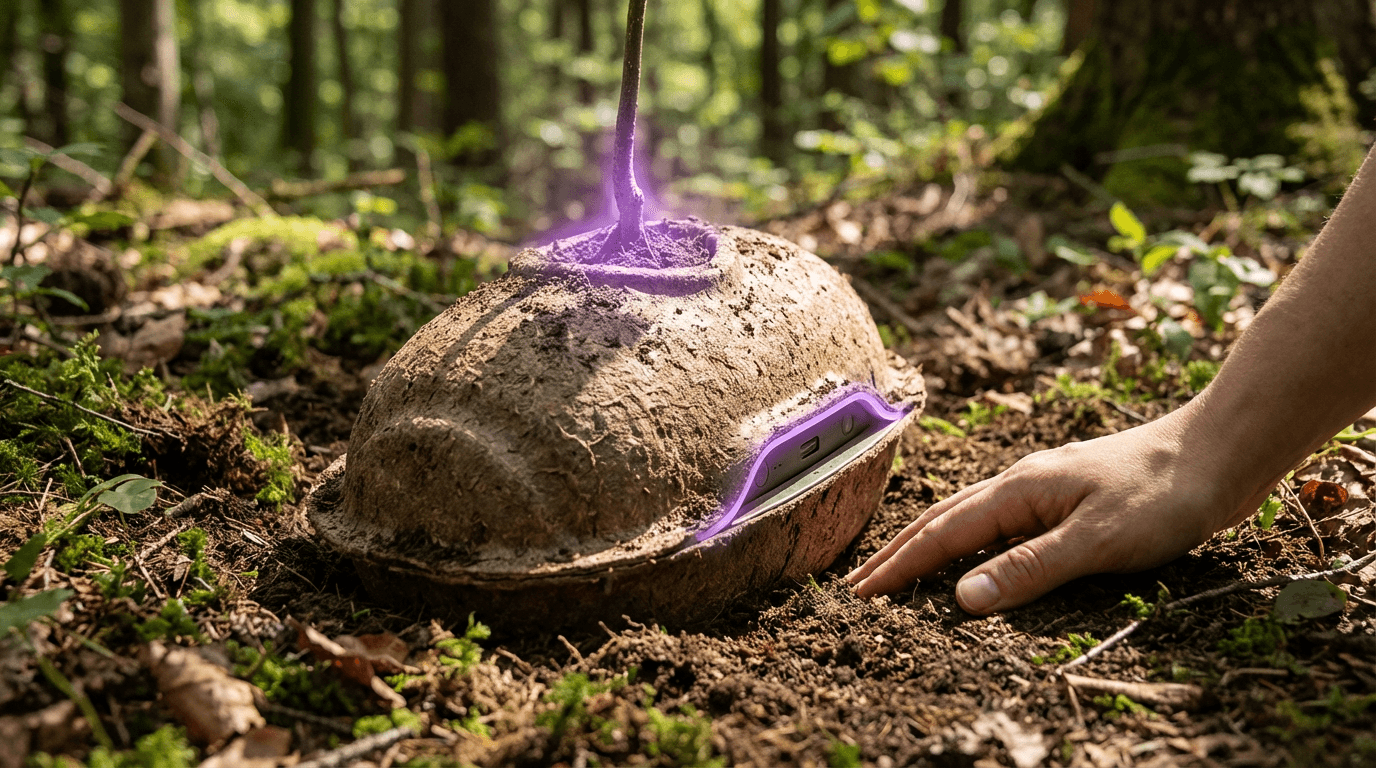
Burial capsules that transform human remains into nutrients for growing memorial trees
Distributed ledgers that record death certificates and manage cross-border inheritance claims
Platforms coordinating organ and tissue donation from consent through allocation
Digital platforms coordinating the return of human remains across international borders
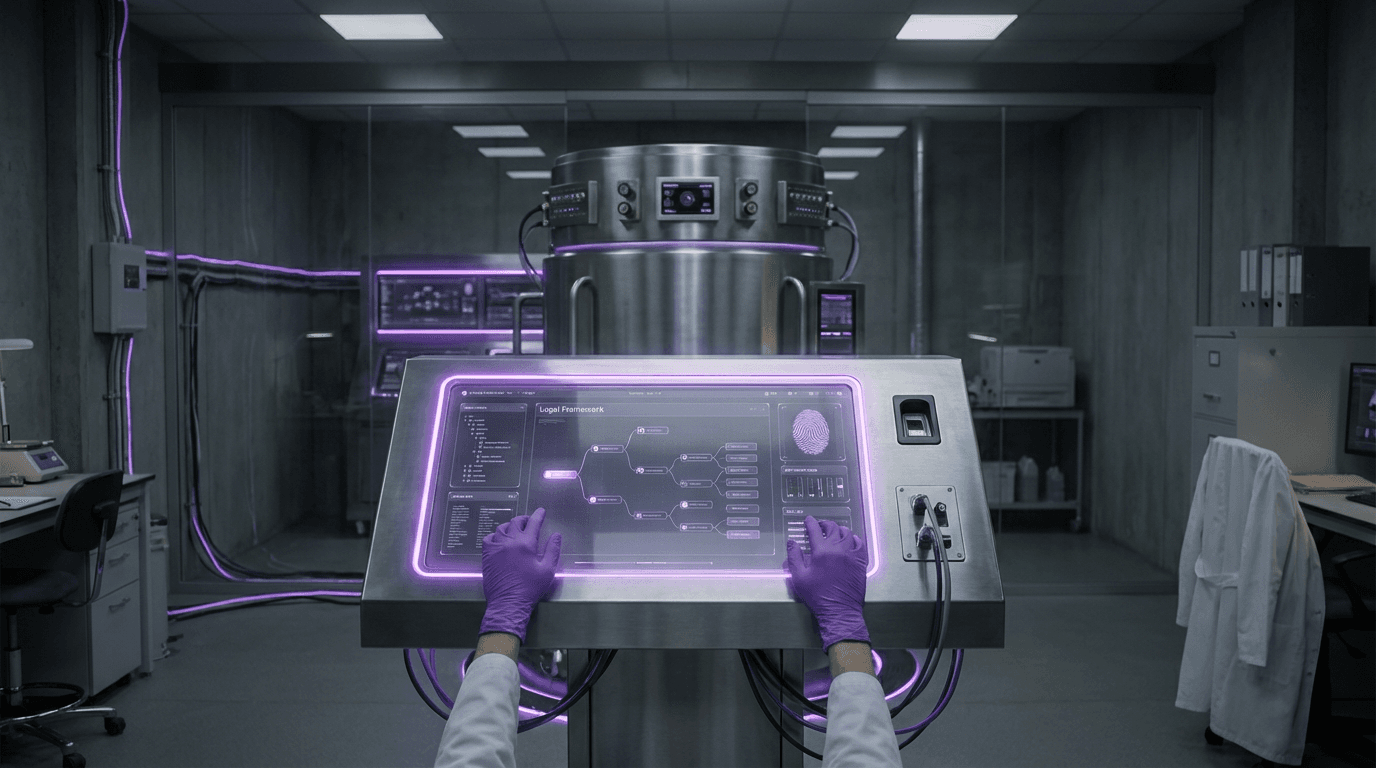
Legal protocols governing cryopreservation consent, storage rights, and future revival scenarios
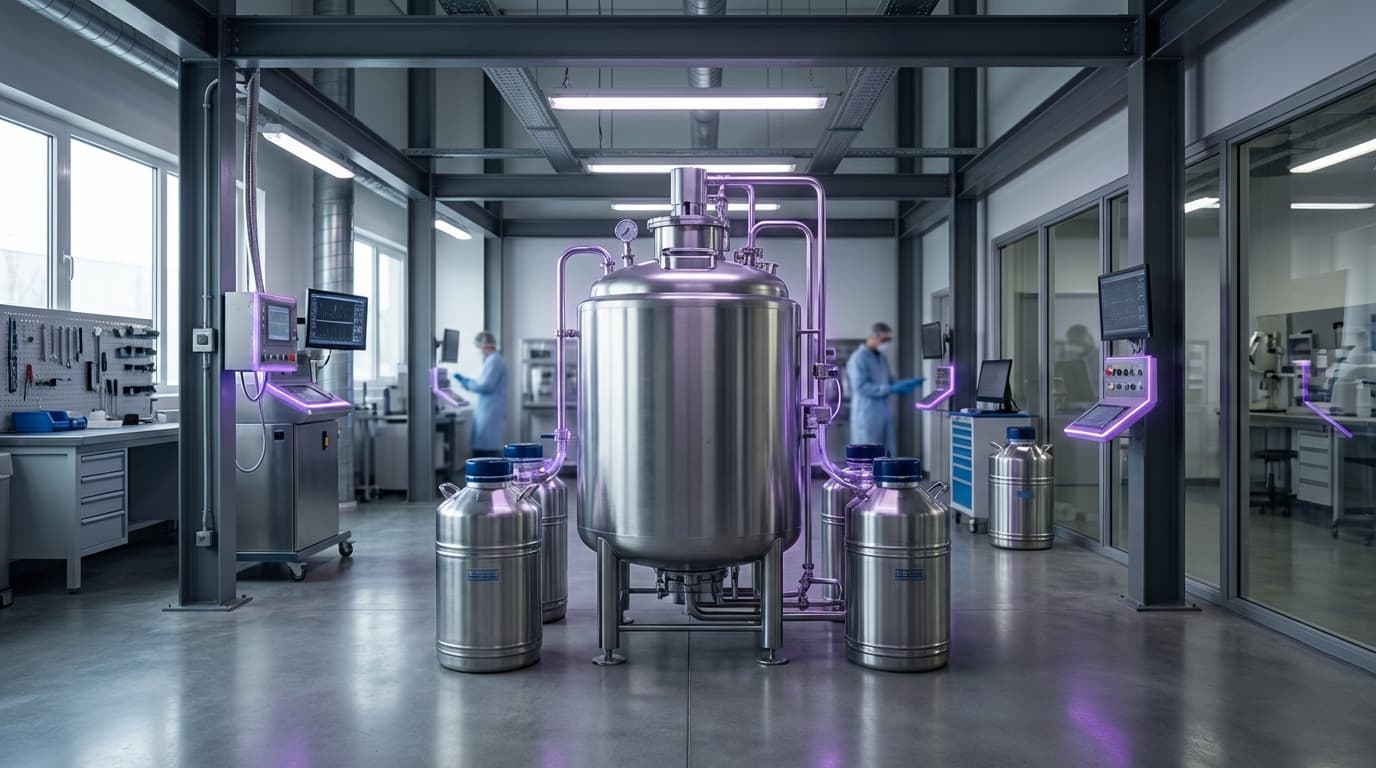
Medical infrastructure for preserving bodies or brains at cryogenic temperatures after legal death
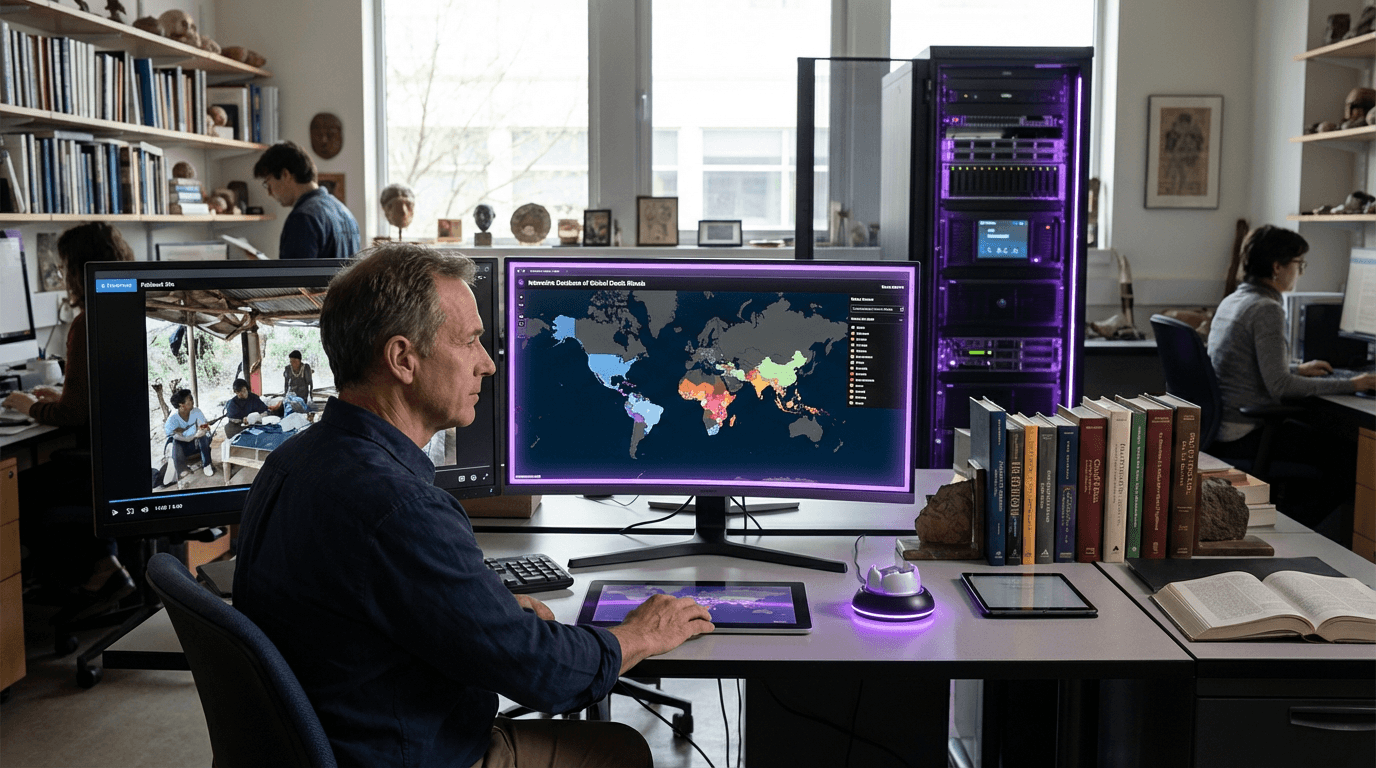
Open repository documenting death rituals, mourning customs, and memorial practices across global cultures
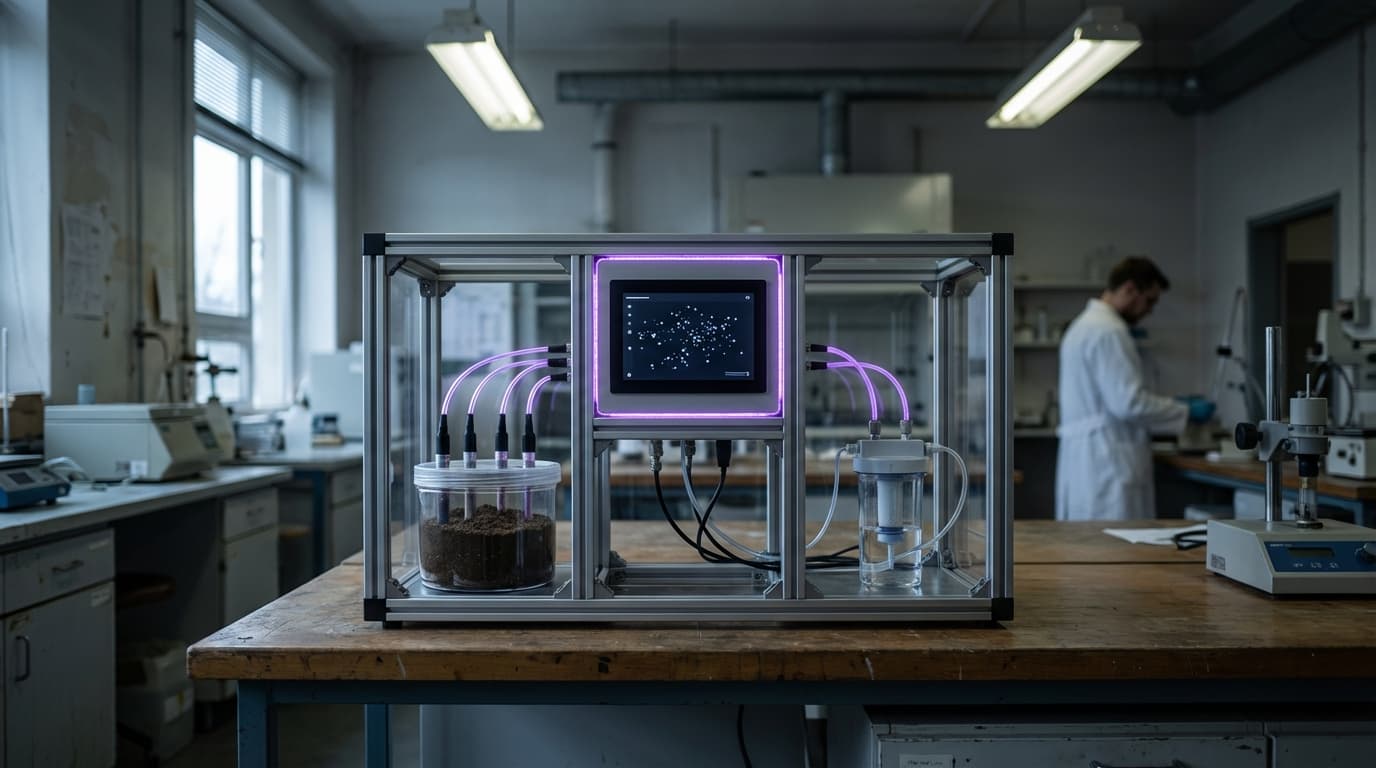
Sensor networks tracking pollution and resource use from burials, cremation, and funeral practices
Digital platforms matching families with trained end-of-life companions for non-medical support
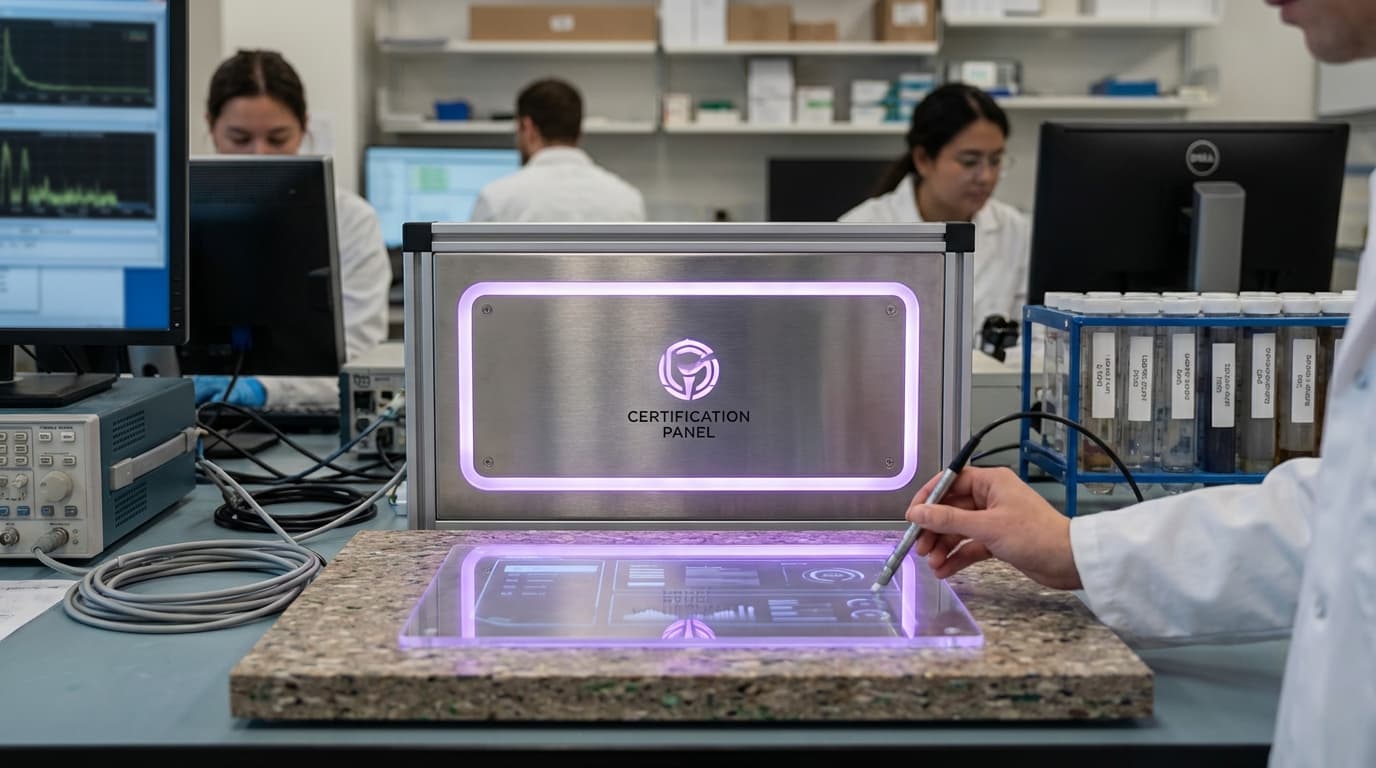
Industry standards ensuring ethical practices, data protection, and environmental claims in end-of-life technologies
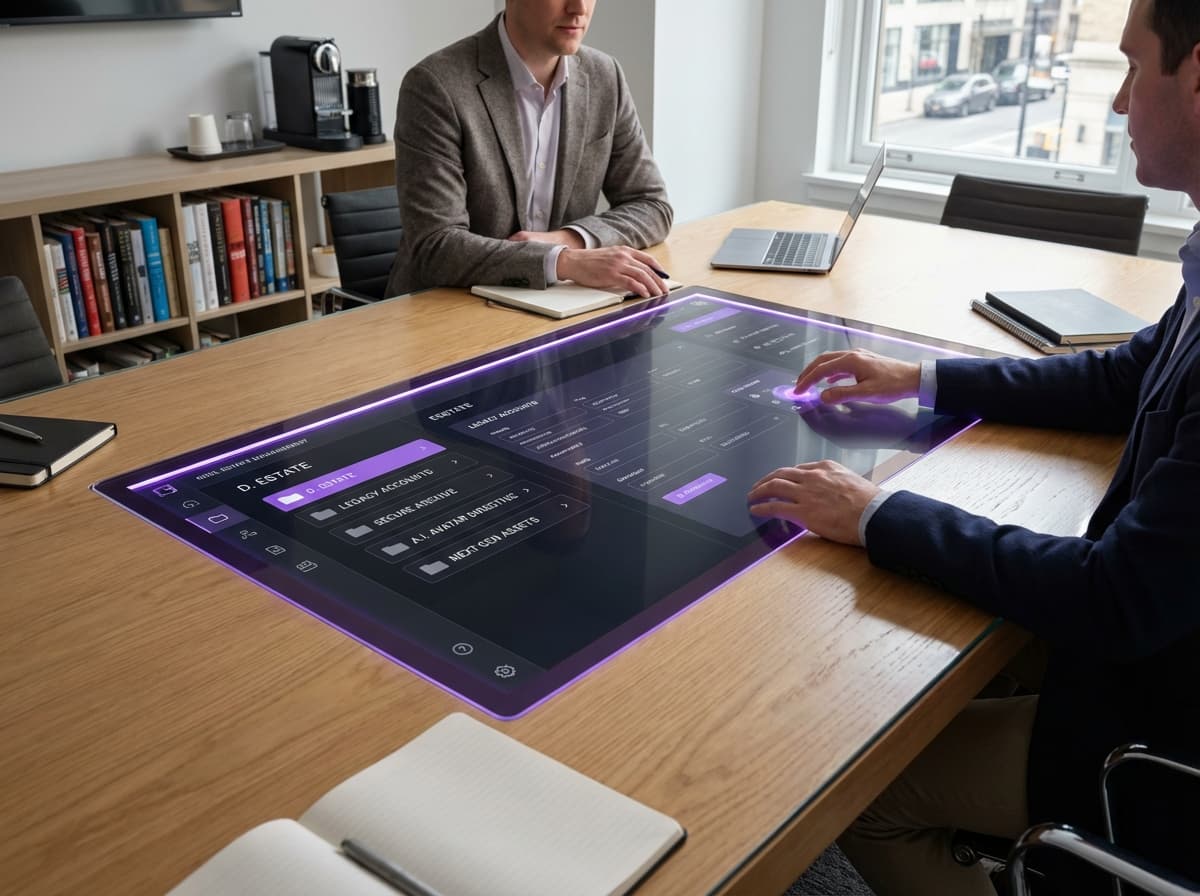
Platforms for organizing and transferring digital assets, accounts, and memories after death
Cryptographic systems enabling verified executors to access deceased users' digital accounts
Curated digital archives that preserve personal histories through photos, videos, and interactive media
Frameworks ensuring death tech reaches underserved populations through equitable access models
AI chatbots trained on a deceased person's messages, emails, and posts to simulate conversation
Digital platforms connecting families with eco-friendly burial options and natural disposition sites
Integrated platforms combining in-person and remote attendance for memorial services
Digital systems coordinating eligibility, assessments, and documentation for legal assisted death services
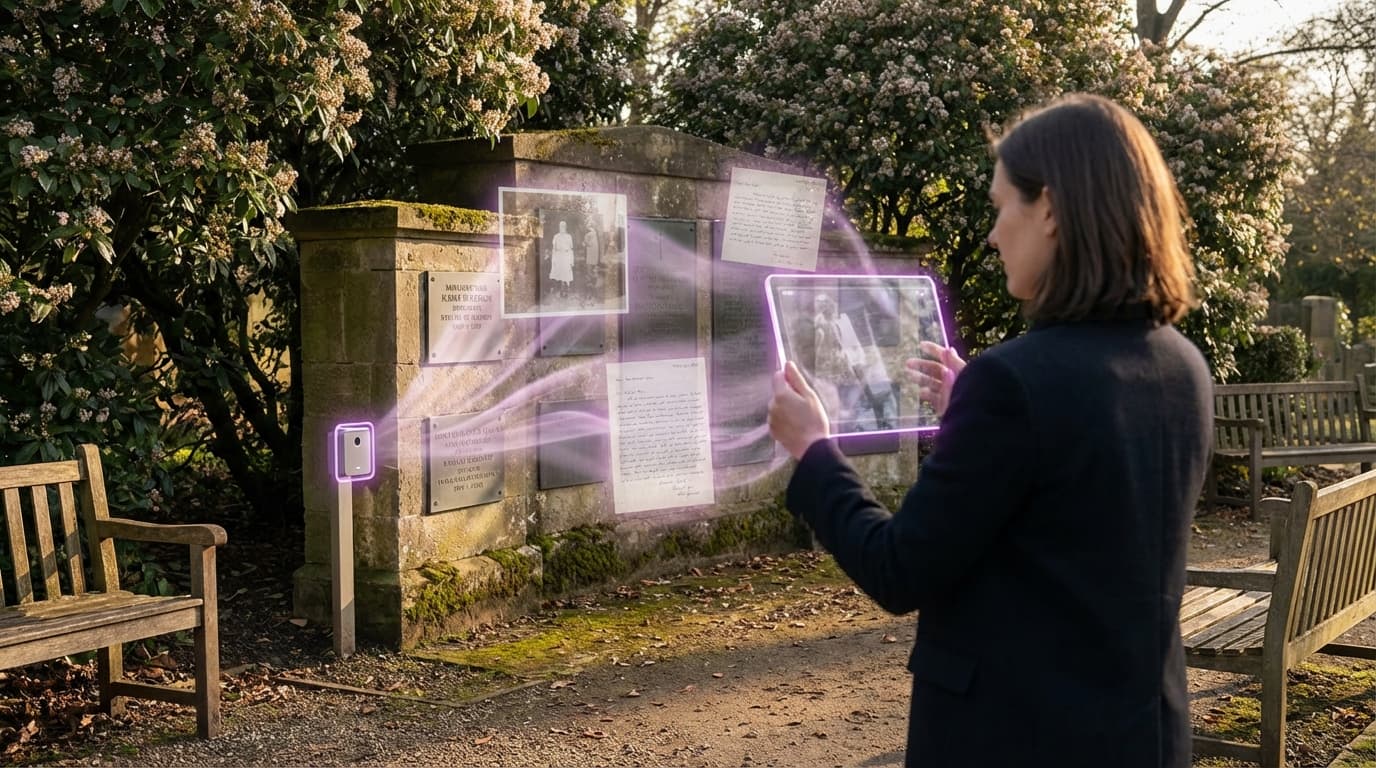
Augmented reality systems that overlay personal stories and media onto physical memorial sites
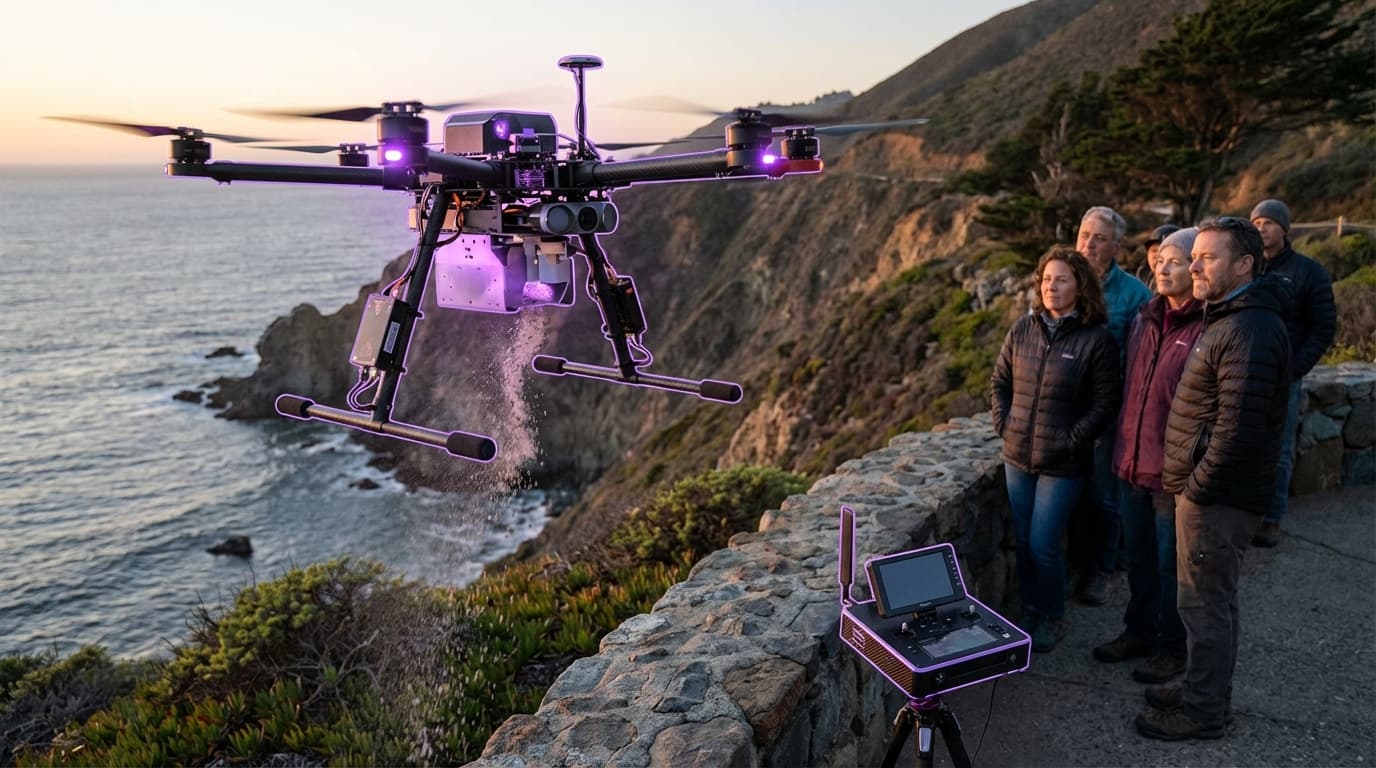
Drones engineered for controlled ash scattering and aerial memorial ceremonies
Specialized content moderation protecting grieving users in online memorial platforms
Memorial structures grown from fungal mycelium and agricultural waste as living tributes
Chambers that accelerate human decomposition into soil through controlled biological processes
Devices that use electrical stimulation to interrupt pain signals in terminal patients
Machine learning models that predict palliative care needs and grief complications from patient data
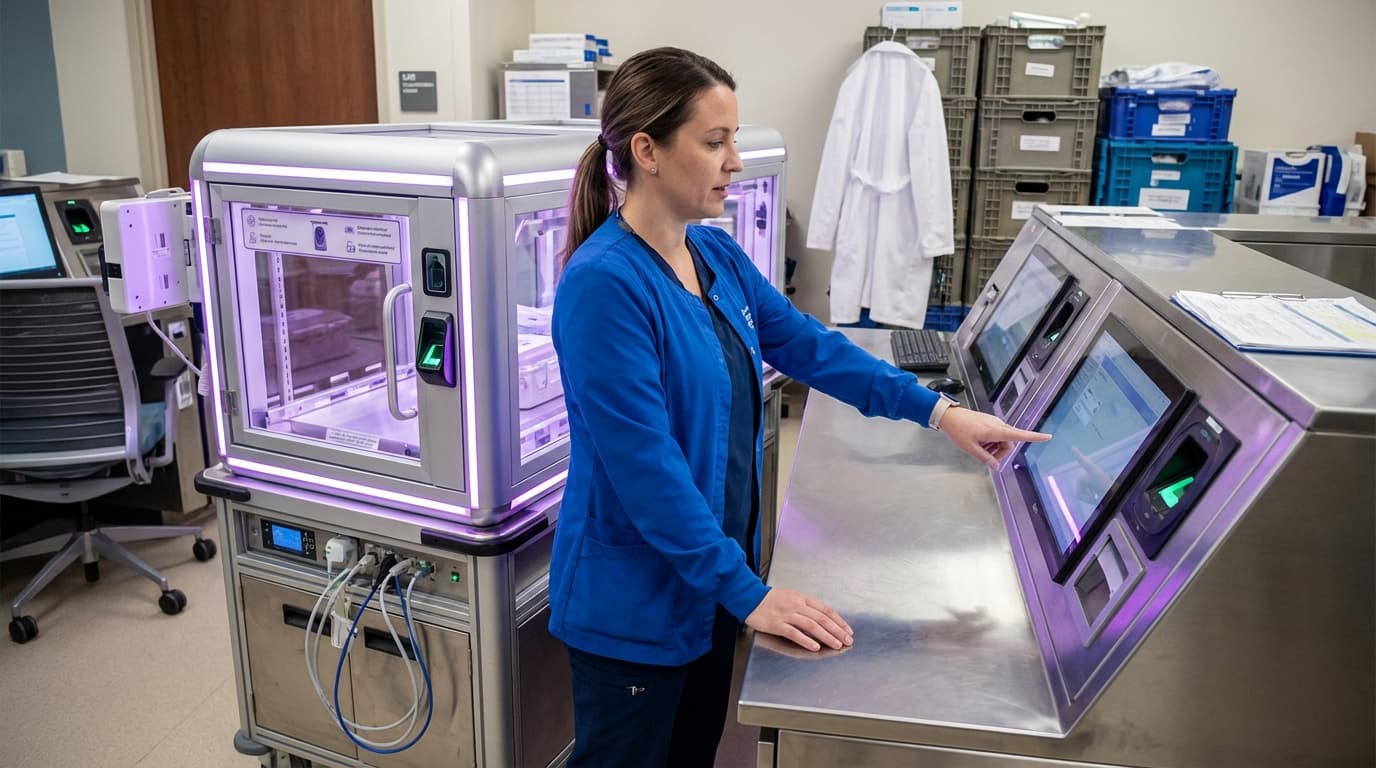
Medical-grade sensors that continuously monitor symptoms in end-of-life care patients
Protocols governing the use of voice, face, and DNA data after death
Legal and ethical frameworks governing digital information after death
Clinical frameworks using psilocybin, MDMA, or ketamine to ease existential distress in terminal patients
Compresses cremated ashes into durable stone-like memorial objects through hydraulic pressure
Platforms that design personalized end-of-life ceremonies blending cultural, spiritual, and family needs
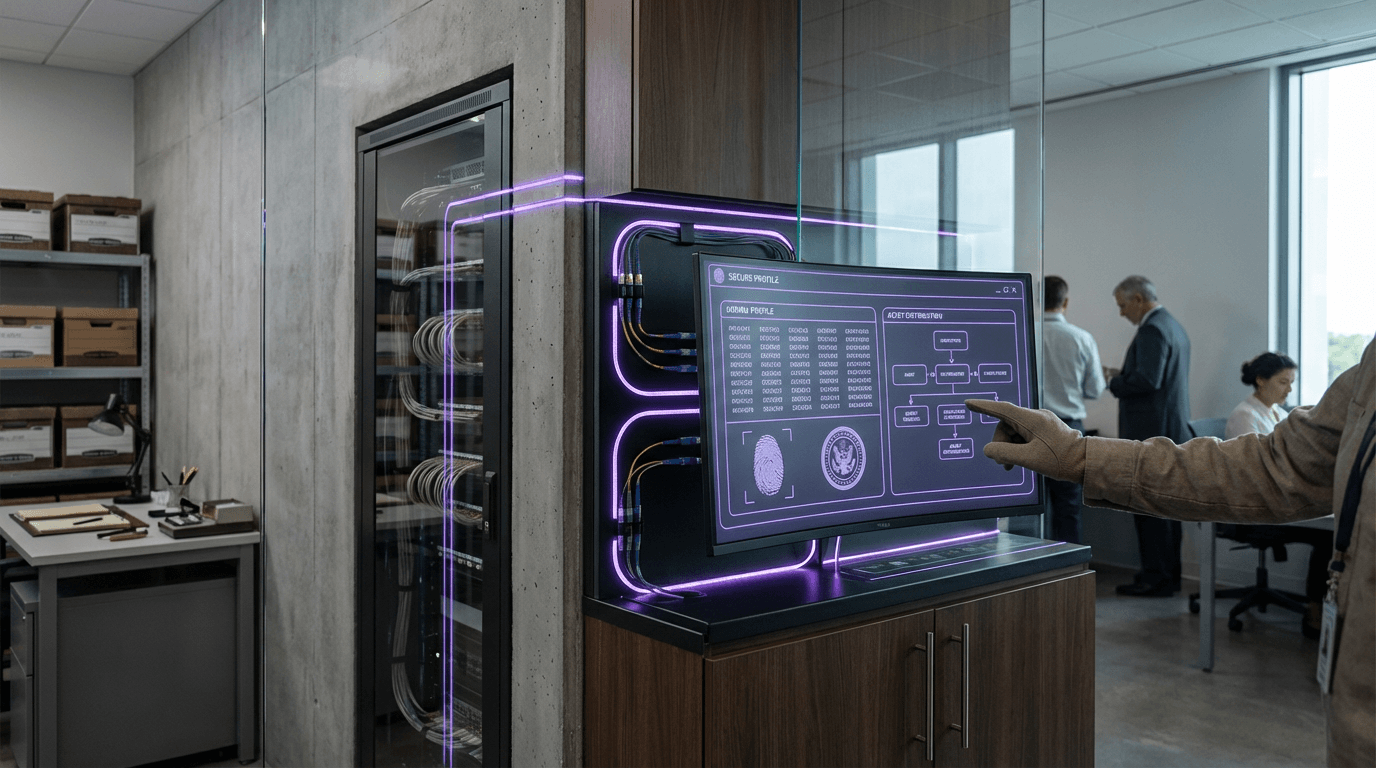
Networked cremation vaults with environmental monitoring and digital visitor interfaces
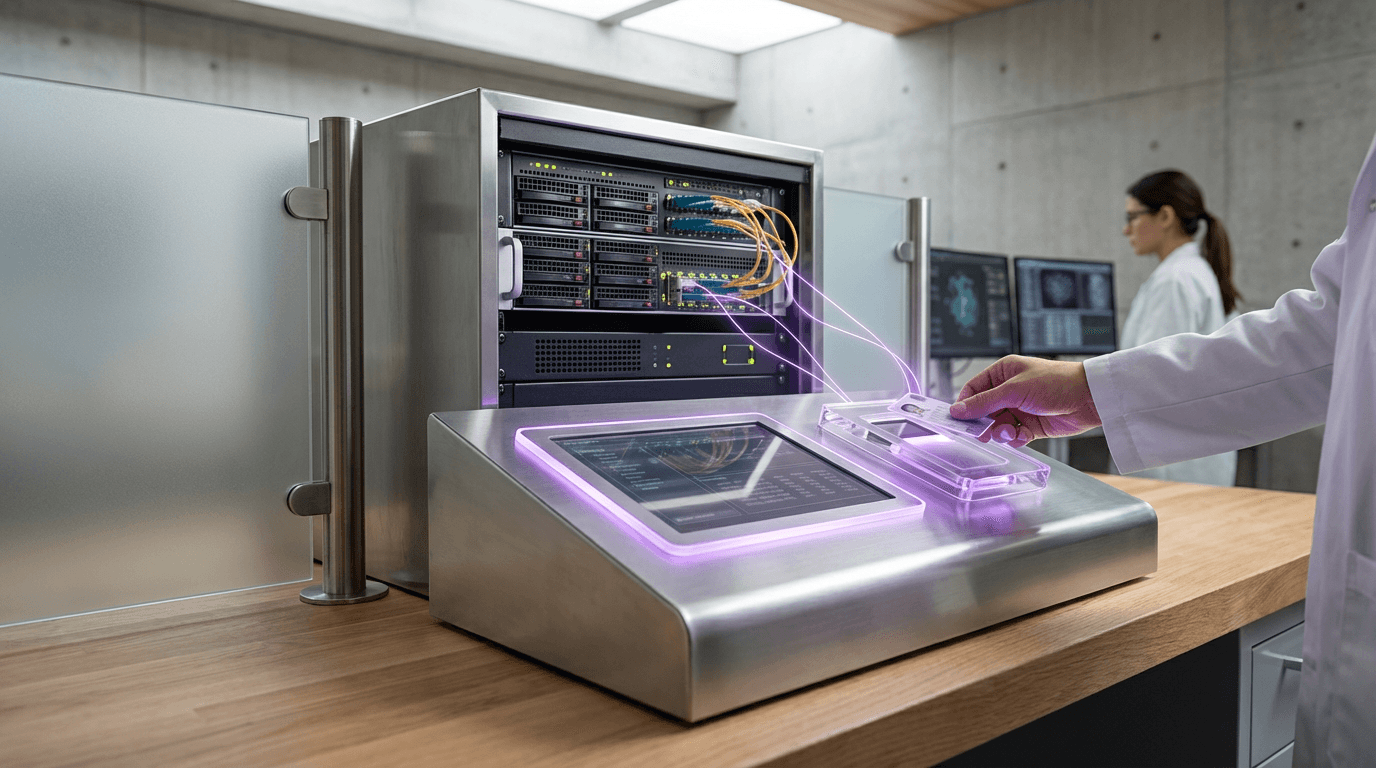
Encoding digital information into synthesized DNA molecules for ultra-dense, long-term archival
Remote palliative care delivery through video consultations and home monitoring devices
Immersive digital environments to manage pain and anxiety in hospice and palliative care
Tracking signals shaping the future of end-of-life systems — memorial technologies, legacy management, care-planning systems, and transition rituals.
Follow us for weekly foresight in your inbox.