Neuromodulation Pain Devices
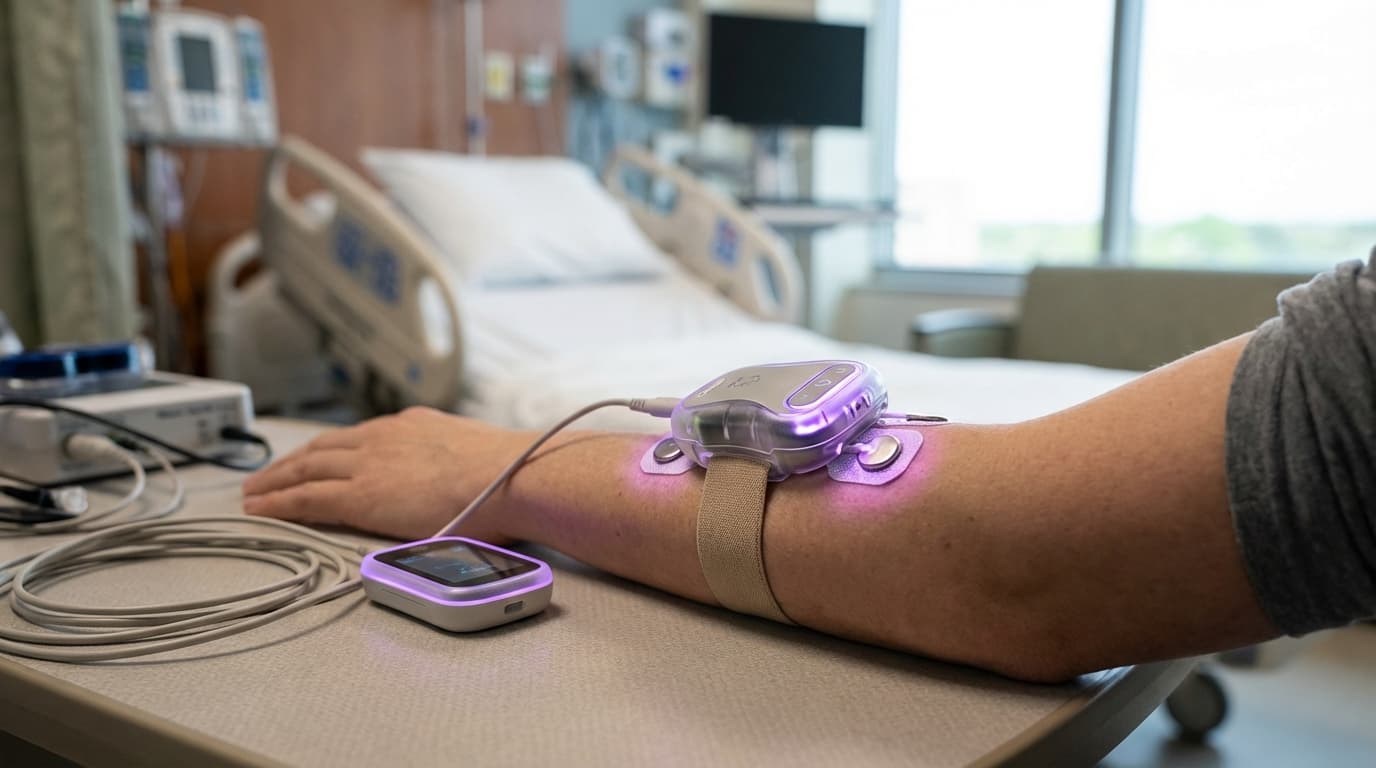
Neuromodulation pain devices represent a sophisticated class of medical technologies designed to manage chronic and terminal pain through electrical or magnetic stimulation of the nervous system. These devices work by delivering controlled electrical impulses to specific neural pathways, effectively interrupting or modulating pain signals before they reach the brain's pain centers. The technology encompasses several distinct approaches: spinal cord stimulators that deliver pulses to the dorsal columns of the spinal cord, peripheral nerve stimulators that target specific nerve bundles in affected areas, and transcranial direct current stimulation devices that apply low-intensity electrical currents through the scalp to modulate cortical activity. Modern systems increasingly incorporate closed-loop feedback mechanisms, adjusting stimulation parameters in real-time based on physiological responses, and some advanced implantable devices now feature rechargeable batteries and wireless programming capabilities that allow clinicians to fine-tune treatment without additional surgical procedures.
For patients facing end-of-life scenarios, these devices address a critical clinical challenge: the management of severe, persistent pain that no longer responds adequately to conventional pharmacological interventions. Terminal conditions such as advanced cancer, progressive neurological diseases, and complex regional pain syndrome often produce pain that becomes refractory to even high-dose opioid therapy, or patients may develop intolerable side effects from medications that compromise their remaining quality of life. Neuromodulation offers a non-pharmacological pathway that can reduce or eliminate the need for systemic medications, thereby avoiding the cognitive impairment, constipation, respiratory depression, and other complications associated with heavy opioid use during a patient's final months. This approach also enables greater patient autonomy, as many devices allow individuals to adjust stimulation levels within prescribed parameters, providing a sense of control during a period when autonomy is often diminished.
Clinical adoption of neuromodulation for terminal pain management has expanded significantly over the past decade, with palliative care programs increasingly incorporating these technologies into comprehensive end-of-life care plans. Research suggests that spinal cord stimulation can provide meaningful pain relief in up to seventy percent of carefully selected patients with refractory pain, while newer wearable tDCS devices offer non-invasive options for those unable or unwilling to undergo surgical implantation. Hospice and palliative medicine specialists now routinely collaborate with pain management teams and neurosurgeons to evaluate candidates for these interventions, particularly as device miniaturisation and improved battery technology have made implantation less invasive. The integration of neuromodulation into end-of-life care reflects a broader shift toward personalised, multimodal pain management strategies that prioritise dignity and comfort in terminal illness, moving beyond the traditional reliance on escalating medication doses and acknowledging that technological interventions can play a compassionate role in the final chapter of life.
Related Organizations

Creator of the FreeStyle Libre system, a leading continuous glucose monitoring platform.

Produces the WaveWriter Alpha portfolio of spinal cord stimulator systems, offering combination therapies to treat complex pain patterns.

A global leader in medical technology, producing the Percept PC neurostimulator with BrainSense technology.

Pioneered HF10 therapy, a high-frequency spinal cord stimulation that relieves pain without the paresthesia (tingling sensation) common in older devices.

Global medical device company focused on closed-loop spinal cord stimulation.
Creates a micro-implantable neurostimulation system that is battery-free (powered externally), reducing the invasiveness of the implant.

Focuses on ReActiv8, an implantable restorative neurostimulation system specifically for mechanical chronic low back pain.

Develops Quell, a wearable neuromodulation device that stimulates sensory nerves in the lower leg to trigger the body's natural pain relief response.

Manufacturer of non-invasive neuromodulation and brain stimulation devices, including specific GVS hardware for research.
Supporting Evidence
Research this in Signals
Signals turns a topic into a sourced research record you can inspect and rerun. Your first scan is free, and this one starts with Neuromodulation Pain Devices already loaded, so edit it or scan as is.