Biodegradable Memorial Pods
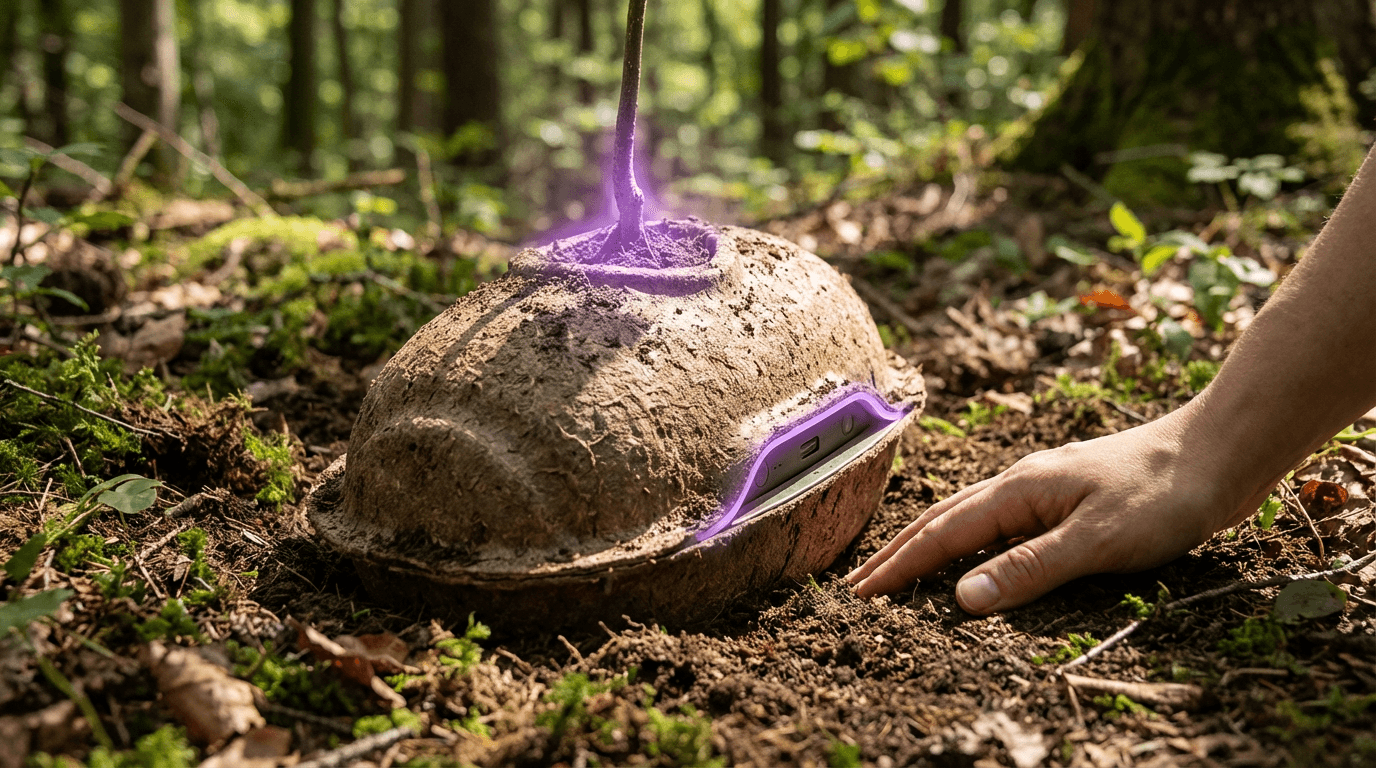
Biodegradable memorial pods represent an innovative intersection of burial practices and ecological restoration, fundamentally reimagining how human remains can contribute to environmental regeneration. These engineered capsules are constructed from organic materials such as plant-based polymers, mycelium composites, or compressed natural fibers that decompose predictably over time. The pods are designed with specific structural features that facilitate controlled nutrient release and optimal conditions for root development. Internal compartments separate cremated remains or prepared bodies from carefully selected tree species, with permeable barriers that allow gradual integration as decomposition progresses. The design incorporates principles from soil science and arboriculture, ensuring that the breakdown process enriches rather than contaminates the surrounding earth. Some systems include mycorrhizal fungi networks that accelerate nutrient cycling and establish symbiotic relationships between the decomposing organic matter and developing root systems.
The death care industry faces mounting pressure from environmental concerns about traditional burial practices, which often involve embalming chemicals, non-biodegradable caskets, and concrete vaults that occupy land indefinitely without ecological benefit. Cremation, while space-efficient, carries a significant carbon footprint and leaves families with ashes that hold limited memorial value beyond symbolic retention. Memorial pods address these challenges by transforming end-of-life disposition into an act of environmental stewardship. This approach eliminates the need for chemically-intensive preservation methods and replaces static cemetery plots with dynamic living memorials. The technology enables a new category of "conservation burial" that can restore degraded landscapes, create urban green spaces, or contribute to reforestation efforts. For municipalities struggling with cemetery space constraints and communities seeking more sustainable practices, these systems offer a solution that aligns with growing environmental consciousness while maintaining the dignity and commemorative aspects families seek.
Early implementations of biodegradable memorial pods have emerged in several countries, with pilot programs establishing memorial forests in Italy, the United Kingdom, and parts of North America. These projects typically partner with conservation organizations or municipal authorities to designate appropriate land for tree-based memorials, often in areas requiring ecological restoration. Families can select from native tree species suited to local climate conditions, creating personalized living tributes that contribute to broader ecosystem health. The pods' decomposition timeline—typically ranging from several months to a few years depending on soil conditions and materials—is calibrated to support seedling establishment during critical early growth phases. As environmental awareness continues to reshape consumer preferences in the death care sector, memorial pods represent a convergence of sustainable materials science, ecological design, and evolving cultural attitudes toward mortality. This technology positions itself within broader movements toward green burial practices, offering a tangible way for individuals to leave a regenerative rather than extractive legacy, while providing families with meaningful, accessible memorial sites that grow and change over time.
Related Organizations
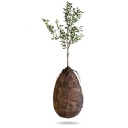
Designers of the iconic egg-shaped biodegradable pod intended to turn a burial into a tree.

Developers of the first biodegradable urn designed to turn ashes into a tree, featuring a two-capsule system.

Dutch biotech startup growing living coffins and urns from mycelium, with R&D into other structural applications.
Makers of the Infinity Burial Suit (Mushroom Suit) which uses fungal spores to aid decomposition.
US-based company offering a bio-urn planting system for trees, indoors or outdoors.

A wholesale provider of green funeral products.

An engineering-focused privacy platform that automates data subject requests and consent changes directly in the database.

Better Place Forests
United States · Company
Operates memorial forests where ashes are mixed with soil and placed beneath trees.

The entity that certifies green burial products and providers in North America.
Morgenrot
Germany · Company
German funeral service focused on ecological alternatives and biodegradable products.
Supporting Evidence
Research this in Signals
Signals turns a topic into a sourced research record you can inspect and rerun. Your first scan is free, and this one starts with Biodegradable Memorial Pods already loaded, so edit it or scan as is.