Ritual Orchestration Systems
End-of-life rituals have historically been shaped by centuries of cultural tradition, religious doctrine, and community practice. However, modern society presents unprecedented challenges: families are geographically dispersed, cultural identities are increasingly hybrid, spiritual beliefs are more diverse and personalized, and accessibility requirements vary widely. Traditional funeral directors and religious officiants, while experienced, often lack the tools to seamlessly integrate these complex, sometimes conflicting requirements into coherent ceremonial experiences. Ritual Orchestration Systems emerge as a response to this complexity, employing artificial intelligence and data synthesis to design end-of-life ceremonies that honor individual wishes while respecting cultural sensitivities and navigating practical constraints. These platforms function as intelligent planning engines, drawing from extensive databases of cultural practices, religious traditions, legal requirements, and accessibility standards to generate customized ritual frameworks. The systems analyze inputs ranging from the deceased's documented preferences and family interviews to venue capabilities and participant mobility needs, then propose detailed ceremonial sequences that might span days or weeks—from bedside vigils and washing ceremonies to memorial services and scattering rituals.
The death care industry faces mounting pressure to accommodate increasingly personalized expectations while managing logistical complexity that traditional planning methods struggle to address. Families today often seek ceremonies that blend elements from multiple traditions—perhaps incorporating Buddhist meditation practices alongside Christian hymns, or integrating Indigenous land acknowledgments with secular celebration-of-life formats. Ritual Orchestration Systems address this challenge by maintaining comprehensive libraries of ceremonial elements, understanding their cultural contexts and compatibility constraints, and proposing combinations that maintain ritual integrity while honoring individual identity. These platforms also solve critical coordination problems: synchronizing remote participants across time zones, arranging multilingual interpretation, ensuring wheelchair accessibility at multiple venues, coordinating music and visual media across physical and virtual spaces, and managing the complex timing of events that may involve specific astronomical conditions or religious calendars. By automating much of this orchestration, these systems free families and facilitators to focus on emotional presence rather than logistical troubleshooting.
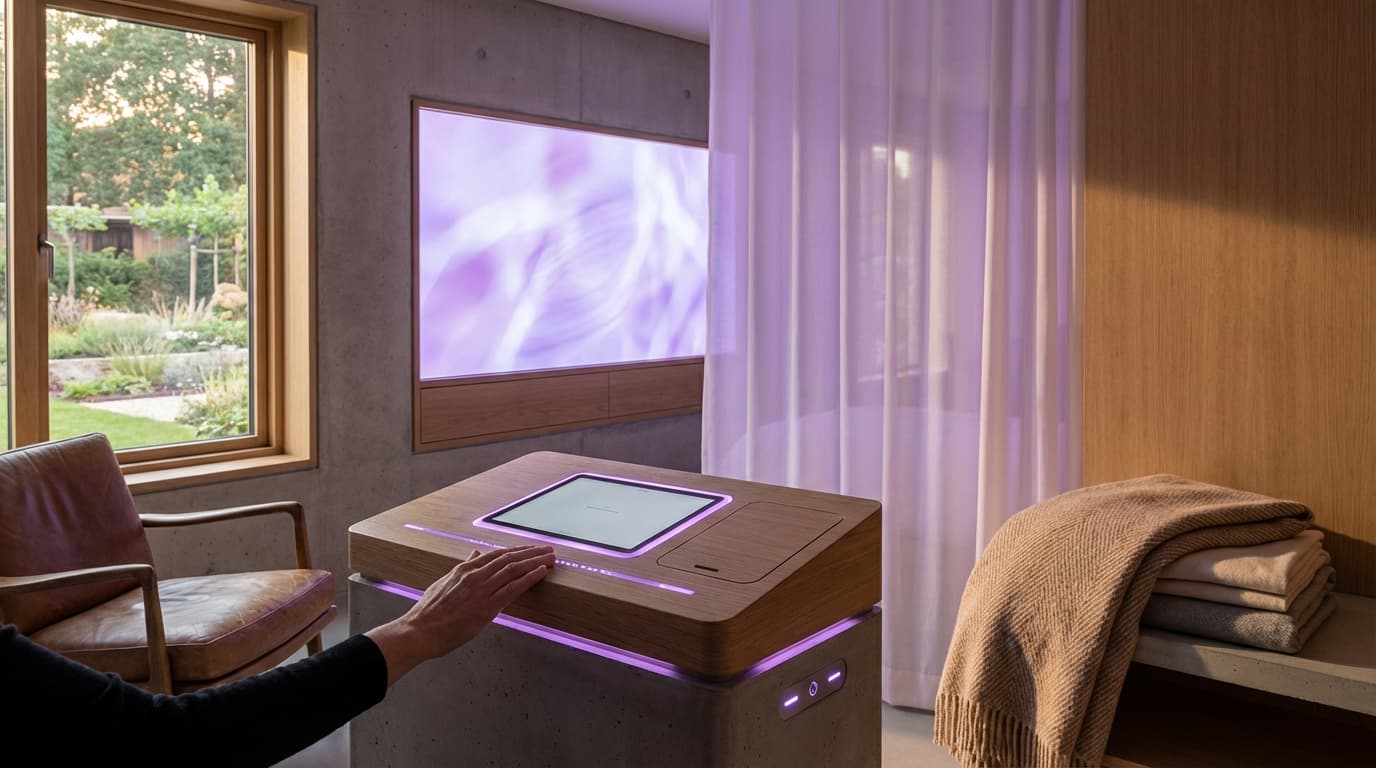
Early implementations of ritual orchestration technology are appearing within progressive funeral homes and end-of-life doula practices, particularly in culturally diverse urban centers where demand for customized ceremonies is highest. Some platforms now offer families interactive interfaces where they can explore ritual options, preview ceremonial sequences through virtual walkthroughs, and adjust elements in real-time while the system maintains cultural appropriateness and practical feasibility. Research in thanatology and human-computer interaction suggests that well-designed ritual orchestration can reduce family stress during grief while increasing satisfaction with memorial experiences. As these systems mature, they are likely to incorporate more sophisticated cultural consultation—perhaps partnering with anthropologists and religious scholars to ensure authentic representation—and expand beyond death rituals to other major life transitions. The trajectory points toward a future where technology serves not to replace human ritual expertise but to amplify it, making deeply meaningful, culturally resonant ceremonies accessible to families regardless of their own cultural fluency or planning capacity.
Related Organizations

A digital platform that guides users through the process of creating their own secular or spiritual rituals for grief, loss, and end-of-life.

A comprehensive end-of-life planning platform that helps users document their wishes regarding healthcare, funeral preferences, and legacy.

An all-in-one death tech platform offering wills, probate, and direct cremation, focusing on simplifying and modernizing the logistics of death.

A public benefit corporation providing step-by-step guidance for navigating death, including pre-planning and post-loss logistics.

Provides case management software for funeral homes, including features for livestreaming services and collaborative family planning.

A social online memorial platform dedicated to preserving the life stories of the departed.

Pioneering public benefit corporation that developed the proprietary vessel system for natural organic reduction (human composting).

Better Place Forests
United States · Company
Operates memorial forests where ashes are mixed with soil and placed beneath trees.

A consumer technology company that manufactures diamonds from cremated remains or hair using HPHT presses.

The primary developer of the technology that solidifies cremated remains into stone-like forms using a ceramic binding process.
Supporting Evidence
Research this in Signals
Signals turns a topic into a sourced research record you can inspect and rerun. Your first scan is free, and this one starts with Ritual Orchestration Systems already loaded, so edit it or scan as is.