Body & Organ Donation Networks
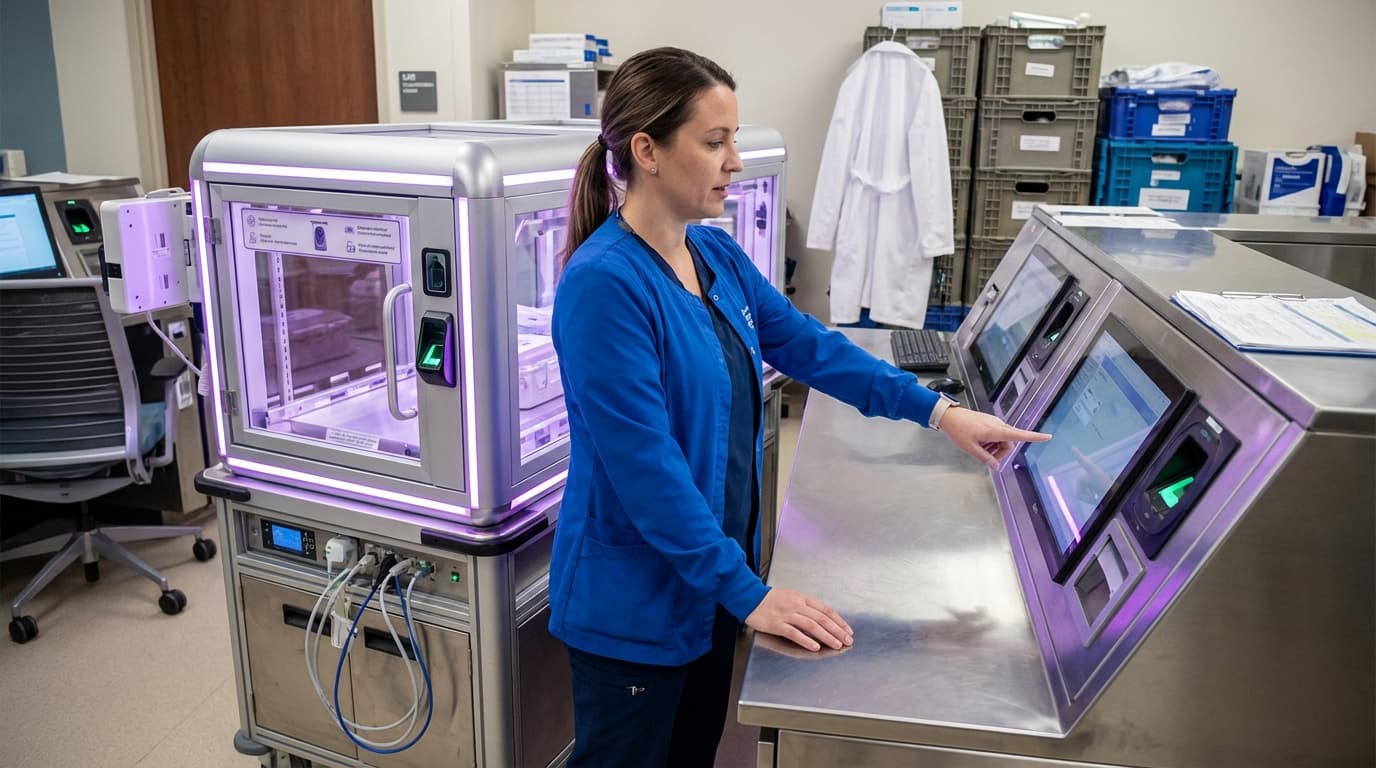
Body and organ donation networks represent sophisticated digital infrastructure that addresses one of healthcare's most critical logistical challenges: connecting willing donors with recipients and research institutions in time-sensitive scenarios where every minute matters. These platforms integrate multiple stakeholders—organ procurement organizations, transplant centers, medical schools, tissue banks, and coroner offices—into unified systems that manage the complex choreography of donation from initial consent through final allocation. The technology relies on real-time databases that track donor registrations, medical compatibility factors, geographic proximity, and institutional capacity, while simultaneously coordinating transportation logistics, surgical team availability, and preservation protocols. Advanced matching algorithms consider factors far beyond basic blood type compatibility, incorporating tissue markers, organ viability windows, recipient urgency scores, and even predictive models for transplant success rates. These systems also manage the sensitive process of family communication, providing structured workflows for consent verification, grief support resources, and transparent documentation of how donations are utilized.
The fundamental problem these networks solve is the persistent gap between available organs and those in need, a disparity that costs thousands of lives annually while simultaneously limiting medical education and research opportunities. Traditional donation coordination relied heavily on phone calls, fax machines, and manual record-keeping, creating delays that could render organs non-viable and resulting in coordination failures that left potential donations unrealized. Modern integrated platforms dramatically reduce these inefficiencies by automating compatibility screening, instantly notifying relevant institutions when donors become available, and optimizing allocation decisions based on comprehensive data rather than geographic happenstance or institutional relationships. For whole-body donation programs supporting medical education, these systems ensure that anatomical gifts reach institutions with immediate teaching needs while maintaining rigorous tracking for eventual cremation and return of remains to families. The technology also addresses the growing complexity of tissue banking, where a single donor might contribute corneas, skin grafts, heart valves, and bone tissue to multiple recipients, requiring meticulous coordination across numerous medical facilities and precise cold-chain logistics.
Several regional organ procurement organizations have deployed next-generation platforms that incorporate mobile applications for real-time surgical team coordination and blockchain-based consent registries that provide immutable records of donor wishes. Research hospitals report that integrated donation networks have increased the utilization rate of donated organs while reducing the average time between procurement and transplantation. The technology is expanding beyond traditional organ transplantation into emerging fields such as vascularized composite allotransplantation and research tissue procurement for regenerative medicine studies. As artificial intelligence capabilities mature, these platforms are beginning to incorporate predictive analytics that can identify potential donors earlier in critical care scenarios and optimize preservation techniques based on organ-specific characteristics. The evolution of these networks reflects broader trends toward precision medicine and data-driven healthcare logistics, positioning donation coordination as an increasingly sophisticated intersection of medical ethics, supply chain optimization, and life-saving intervention that will become more critical as transplantation techniques advance and demand continues to outpace supply.
Related Organizations
United Network for Organ Sharing (UNOS)
United States · Nonprofit
Manages the Organ Procurement and Transplantation Network (OPTN) in the US, matching donors to recipients.
International organization responsible for the allocation of donor organs in Austria, Belgium, Croatia, Germany, Hungary, Luxembourg, Netherlands, and Slovenia.
The executive non-departmental public body of the UK Department of Health managing organ, blood, and tissue donation.

The world's largest whole-body donation program, linking donors with medical research and education institutions.
Manages the National Donate Life Registry and partners with tech companies (like Apple) to facilitate donor registration.
A leading whole-body donation organization facilitating donation for medical research and education.
Developer of the Organ Care System (OCS), a portable normothermic perfusion platform for heart, lung, and liver transplantation.
A nonprofit whole-body donation organization focusing on ethical standards and connecting donors with education.
Anatomical donation program facilitating whole body donation for science and research.
Provides organ preservation products and services to support the logistics of transplantation.
Supporting Evidence
Research this in Signals
Signals turns a topic into a sourced research record you can inspect and rerun. Your first scan is free, and this one starts with Body & Organ Donation Networks already loaded, so edit it or scan as is.