Palliative Wearables
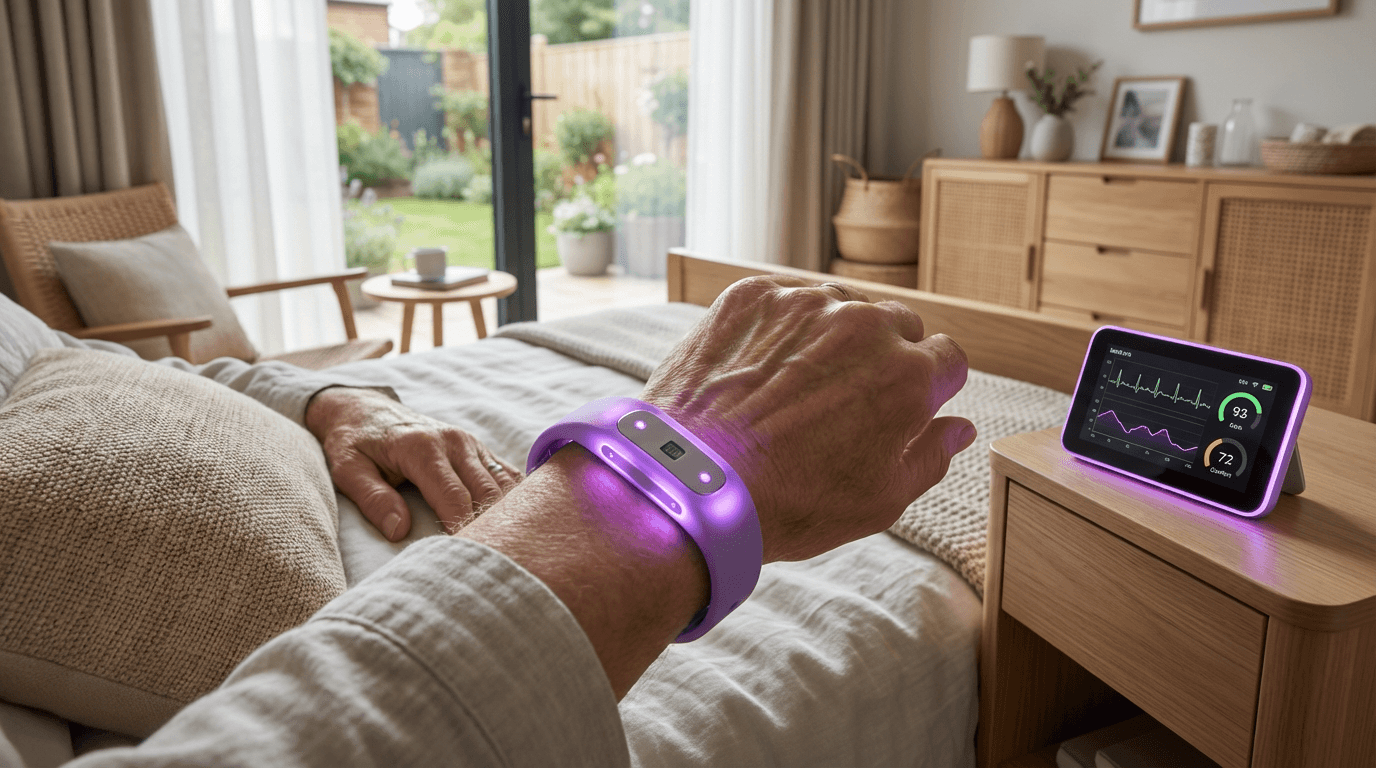
Palliative wearables represent a specialized category of medical-grade Internet of Things devices designed to provide continuous, non-invasive monitoring of patients receiving end-of-life care. These devices employ an array of biosensors—including photoplethysmography for heart rate variability, accelerometers for movement and fall detection, respiratory sensors for breathing pattern analysis, and in some cases, electrodermal activity sensors to detect physiological stress responses. Unlike consumer wellness trackers, palliative wearables are calibrated to detect subtle physiological changes that may indicate distress or discomfort in patients with advanced illness. The devices typically take the form of wristbands, chest patches, or adhesive sensors that can be worn continuously without causing additional burden to already fragile patients. Data collected by these sensors is transmitted wirelessly to cloud-based platforms where algorithms analyze patterns and flag deviations that may require clinical intervention, creating a continuous feedback loop between patient physiology and care delivery.
The fundamental challenge in hospice and palliative care has long been the episodic nature of symptom assessment, which relies heavily on patient self-reporting during scheduled visits or family observations that may come too late to prevent suffering. Pain breakthrough episodes, respiratory distress, and anxiety can escalate rapidly in end-of-life patients, yet traditional monitoring approaches often fail to capture these critical moments until they become severe enough to warrant emergency intervention. Palliative wearables address this gap by enabling proactive rather than reactive care management. When the system detects concerning patterns—such as elevated heart rate variability suggesting pain, irregular breathing rhythms indicating respiratory compromise, or reduced mobility that might signal declining function—automated alerts are sent to care teams, allowing for timely medication adjustments or comfort interventions. This continuous monitoring capability also reduces the burden on family caregivers, who often struggle with the anxiety of not knowing whether their loved one is experiencing unmanaged symptoms during overnight hours or between professional visits.
Early implementations of palliative wearables in hospice programs indicate promising outcomes in both patient comfort and healthcare resource utilization. Several hospice organizations have piloted these systems, reporting reductions in crisis-driven emergency department visits and hospital readmissions, as care teams can intervene before symptoms escalate to crisis levels. The technology also supports more personalized care planning by revealing individual symptom patterns over time, enabling clinicians to anticipate needs and adjust medication schedules accordingly. Beyond the clinical benefits, these devices offer families greater peace of mind and a sense of connection to professional care even when they cannot be physically present. As healthcare systems increasingly recognize the importance of quality end-of-life care and the potential for technology to enhance rather than depersonalize this deeply human experience, palliative wearables represent a convergence of compassionate care philosophy with precision medicine capabilities. The trajectory of this technology points toward more sophisticated integration with electronic health records, predictive analytics that can forecast symptom trajectories days in advance, and potentially even integration with automated medication delivery systems that could provide immediate relief while alerting human caregivers to provide emotional support and presence.
Related Organizations

Creates medical-grade wearable devices (BioSticker, BioButton) for continuous remote patient monitoring.

Enterprise remote care management platform acquired by Best Buy Health.

Spun out of Northwestern University, developing soft, flexible sensors for ICU-grade monitoring in the home.
Produces the VitalPatch, a biosensor that detects 8 physiological measurements continuously.

Provider of wearable sensors and a medical data platform for decentralized clinical trials and patient monitoring.

Digital health platform connecting patients with complex care needs to care teams.


Develops medical-grade wearables (Embrace) monitoring EDA and physiological signals.

The B2B division of Withings, providing connected health devices for chronic disease management.
Supporting Evidence
Research this in Signals
Signals turns a topic into a sourced research record you can inspect and rerun. Your first scan is free, and this one starts with Palliative Wearables already loaded, so edit it or scan as is.