Psychedelic Palliative Protocols
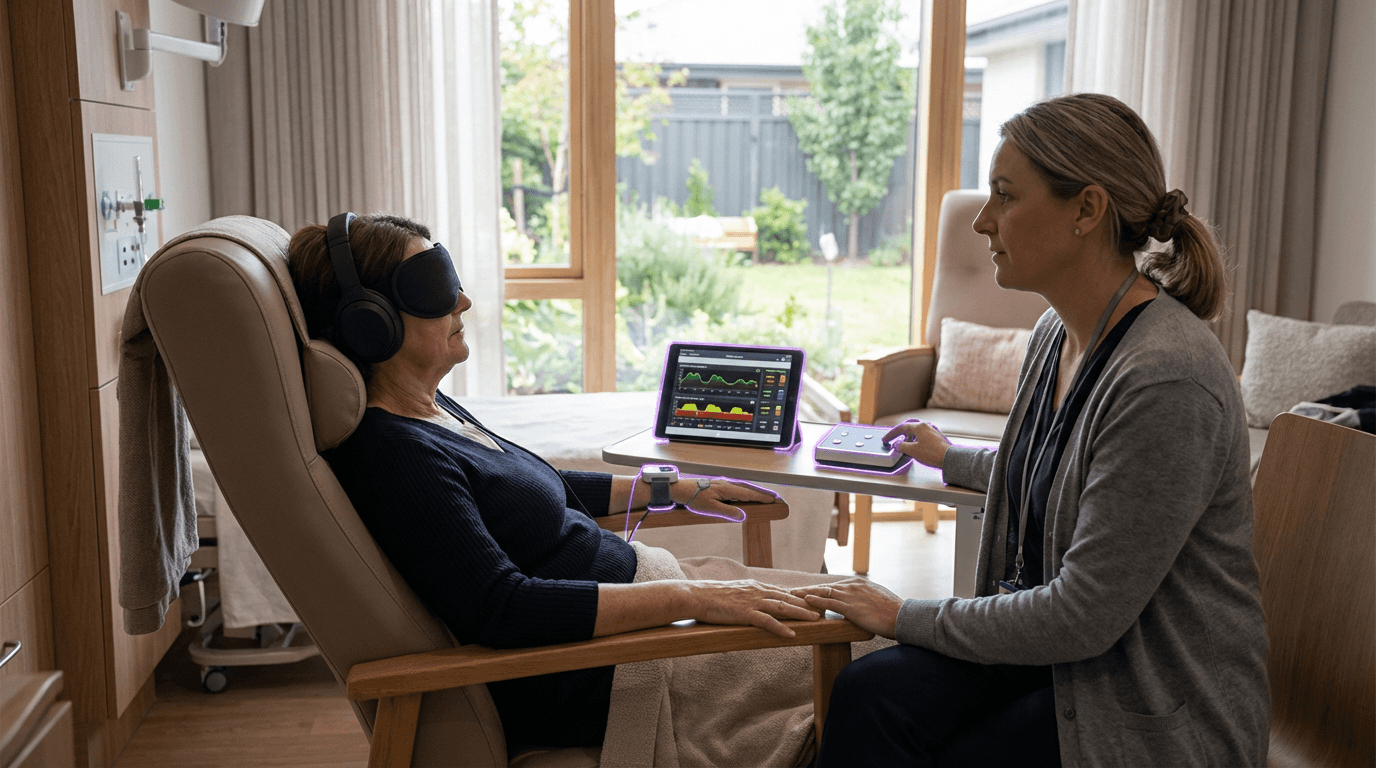
Psychedelic palliative protocols represent a clinical framework for administering controlled psychedelic substances—primarily psilocybin, MDMA, and ketamine—to terminally ill patients experiencing severe existential distress, anxiety, and depression related to their impending death. These protocols operate through carefully structured therapeutic sessions that combine pharmacological intervention with intensive psychological support. The substances work by modulating serotonin and other neurotransmitter systems in ways that can temporarily dissolve rigid thought patterns and emotional defenses, creating what researchers describe as a "window of neuroplasticity" during which patients may experience profound shifts in perspective. Sessions typically occur in controlled clinical settings with trained therapists present throughout, often involving preparatory counseling beforehand and integration therapy afterward to help patients process and incorporate insights gained during the psychedelic experience. The physiological mechanisms appear to involve increased connectivity between brain regions that normally operate independently, allowing for novel patterns of thought and emotional processing that can break through the psychological rigidity often accompanying terminal diagnoses.
The fundamental challenge these protocols address is the inadequacy of conventional palliative care in treating the deep existential suffering that frequently accompanies terminal illness—a form of distress that often proves resistant to standard psychiatric medications and talk therapy alone. Traditional anxiolytics and antidepressants may dampen symptoms without addressing the underlying terror of mortality or the profound sense of meaninglessness that can accompany a terminal diagnosis. Early clinical research suggests that psychedelic-assisted therapy can catalyze experiences of interconnectedness, spiritual transcendence, or psychological reconciliation that fundamentally reframe a patient's relationship with death. This approach enables healthcare systems to offer a more comprehensive response to end-of-life suffering, potentially reducing the need for heavy sedation in final weeks and allowing patients to remain more present with loved ones. The protocols also represent a shift toward recognizing and treating the psychological and spiritual dimensions of dying as legitimate medical concerns deserving of evidence-based interventions.
Several academic medical centers and specialized clinics have begun implementing these protocols within carefully regulated research frameworks, with early results indicating significant reductions in death anxiety and depression that can persist for months following a single guided session. Patients report experiences ranging from profound feelings of cosmic unity to deeply personal psychological breakthroughs regarding unresolved relationships or life regrets. The therapy appears particularly effective for individuals with cancer-related anxiety and depression, though applications are expanding to other terminal conditions. As regulatory frameworks evolve and clinical evidence accumulates, these protocols are gradually transitioning from experimental research settings toward potential integration into mainstream palliative care. This development reflects broader cultural shifts in how societies approach death and dying, moving away from purely biomedical models toward more holistic frameworks that acknowledge the psychological, spiritual, and existential dimensions of the end-of-life experience as integral to comprehensive care.
Related Organizations

A leading research center conducting landmark studies on psilocybin for cancer-related depression and anxiety.

An academic center focused on psychiatry and psychedelic research.

A non-profit coalition advocating for legal access to psilocybin therapy for palliative Canadians.

Aquilino Cancer Center
United States · Company
A community-based cancer center integrating clinical research and care.

A leading global research hub for the mechanisms and clinical application of psychedelics.

A company focused on delivering psychedelic-assisted therapy specifically within the medical setting of cancer centers.

A medical research organization conducting clinical trials on psilocybin for major depressive disorder and anxiety.

A think tank and research foundation dedicated to psychedelic science and drug policy reform.

A mental health care company developing COMP360 psilocybin therapy for treatment-resistant depression.

A mental health care company providing psychedelic-assisted therapies through a network of clinics.

A biopharmaceutical company creating next-generation psychedelic-based therapeutics.
Supporting Evidence
Research this in Signals
Signals turns a topic into a sourced research record you can inspect and rerun. Your first scan is free, and this one starts with Psychedelic Palliative Protocols already loaded, so edit it or scan as is.