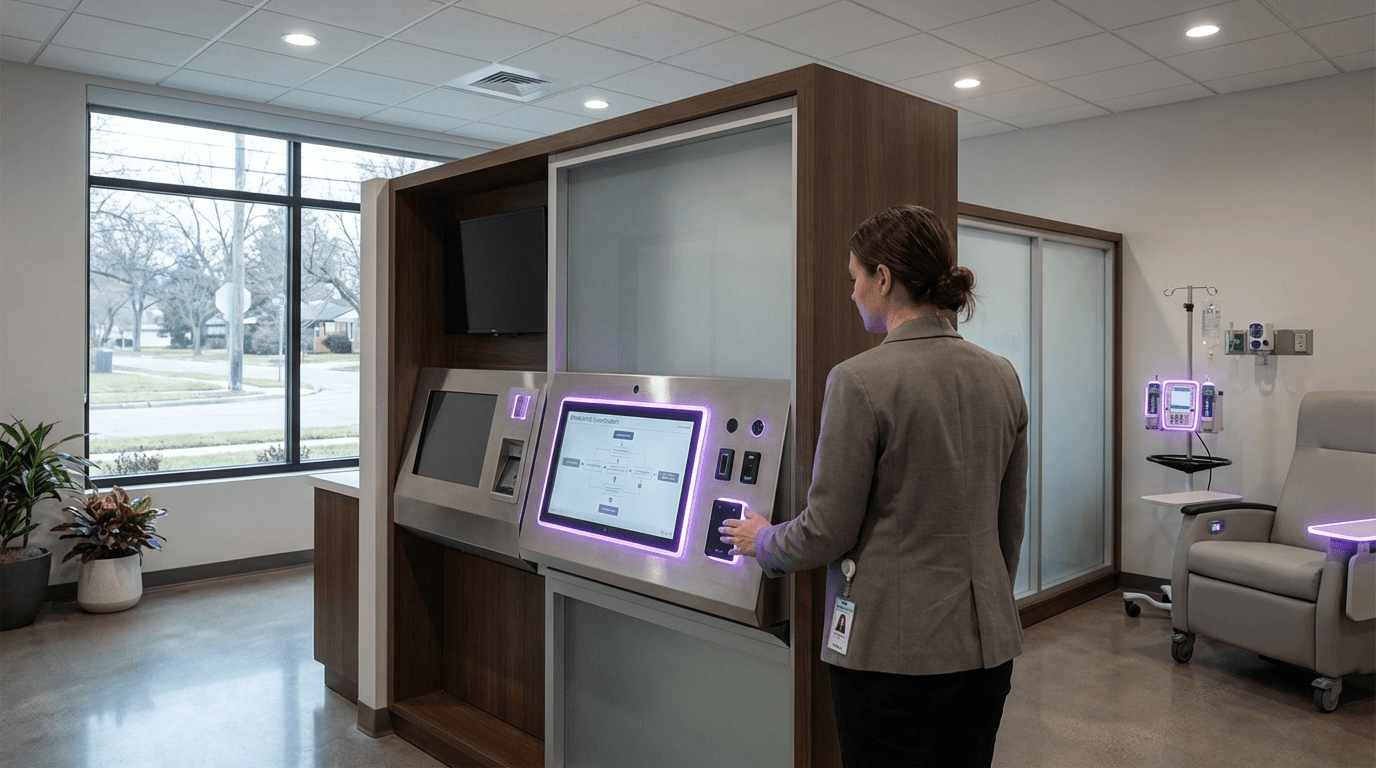
Medical Assistance in Dying (MAiD) Platforms
Medical Assistance in Dying (MAiD) platforms represent a specialized category of healthcare coordination systems designed to manage the complex administrative, clinical, and legal requirements surrounding assisted death services in jurisdictions where such practices are legally sanctioned. These platforms integrate multiple functions into a unified digital infrastructure, including patient eligibility verification against statutory criteria, coordination of mandatory psychiatric and medical assessments, scheduling of required witness presence, secure documentation of informed consent processes, and management of pharmaceutical procurement chains for approved medications. The technical architecture typically incorporates encrypted communication channels, audit trail capabilities, and compliance monitoring systems that align with jurisdiction-specific regulatory frameworks. By centralizing what would otherwise be a fragmented series of interactions across multiple healthcare providers, legal professionals, and administrative bodies, these platforms aim to reduce procedural errors and ensure that every step meets the stringent legal requirements that govern assisted dying practices.
The healthcare industry faces significant challenges in implementing MAiD services, even in regions where legislation permits them. Fragmented coordination between physicians, psychiatrists, pharmacists, and legal witnesses can lead to delays that extend patient suffering during their final weeks or months. Documentation requirements are particularly demanding, as jurisdictions typically mandate multiple independent assessments, waiting periods, and witnessed consent processes to safeguard against coercion or premature decisions. Traditional paper-based or ad-hoc digital systems struggle to maintain the necessary audit trails and compliance verification, potentially exposing healthcare institutions to legal liability. MAiD platforms address these challenges by creating standardized workflows that guide practitioners through each required step, automatically flag missing documentation, and maintain comprehensive records that demonstrate regulatory compliance. This systematization also helps healthcare institutions manage the emotional and administrative burden on staff, who often find the coordination of these services particularly challenging given the sensitive nature of end-of-life care.
Early implementations of MAiD coordination systems have emerged primarily in Canada, the Netherlands, Belgium, and certain U.S. states where assisted dying legislation has been established for several years. These platforms typically operate within hospital networks or specialized palliative care organizations, though some jurisdictions are exploring broader integration with regional health information systems. Current deployments focus heavily on ensuring that the technology supports rather than replaces the essential human elements of end-of-life care, with platforms designed to facilitate meaningful conversations between patients, families, and care teams rather than reduce the process to a purely administrative exercise. As global attitudes toward end-of-life autonomy continue to evolve and more jurisdictions consider or implement assisted dying legislation, the development of robust, ethically-designed coordination platforms will likely become increasingly important. The trajectory of these systems points toward greater integration with broader palliative care planning tools, advance directive management, and legacy planning services, reflecting a more holistic approach to supporting individuals through their final life transitions while maintaining the rigorous safeguards that such profound decisions demand.
Related Organizations
National association creating clinical standards and training for MAiD.
Swiss non-profit providing assisted dying services to international members.

Non-profit advocating for voluntary euthanasia and developing end-of-life technologies.
Voluntary Assisted Dying (VAD) association based in Basel.
The largest non-profit in the US dedicated to expanding and improving end-of-life options.

Charity protecting end-of-life rights and helping Canadians navigate MAiD.
Association promoting self-determination at the end of life.

Organization providing education and exit guides for those seeking to end their lives.
Health promotion charity established to relieve the distress of people with terminal illnesses.
International federation of organizations working to secure the right to die.
Supporting Evidence
Research this in Signals
Signals turns a topic into a sourced research record you can inspect and rerun. Your first scan is free, and this one starts with Medical Assistance in Dying (MAiD) Platforms already loaded, so edit it or scan as is.