Posthumous Biometrics Guardrails
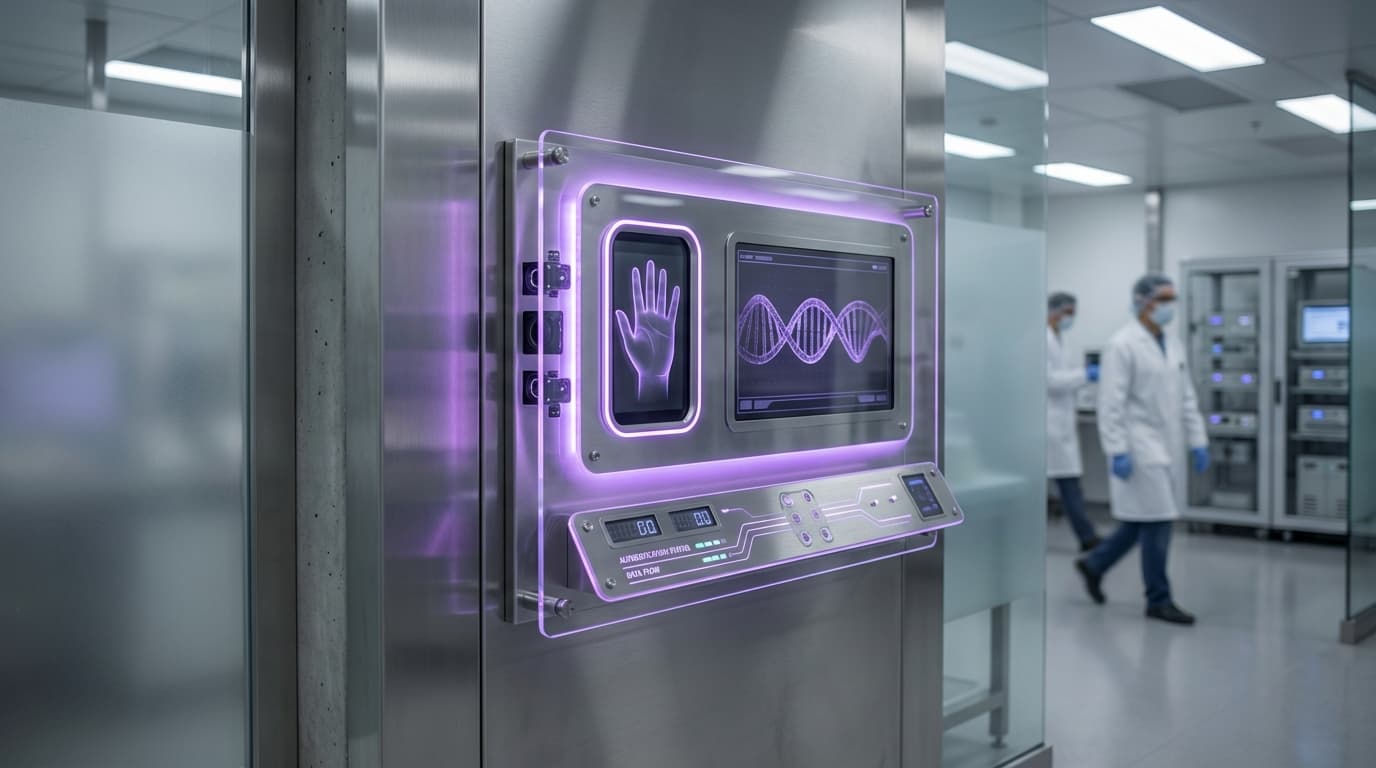
The rapid advancement of artificial intelligence and biometric technologies has created an unprecedented challenge: what happens to our most intimate biological signatures—our voices, faces, and genetic information—after we die? Posthumous biometrics guardrails represent a comprehensive framework of technical protocols and governance mechanisms designed to protect the dignity and privacy of the deceased while managing the legitimate needs of families, researchers, and institutions. These systems function through a combination of cryptographic access controls, blockchain-based audit trails, and multi-party authorization requirements that ensure biometric data cannot be accessed, replicated, or manipulated without explicit consent from designated parties. The technical architecture typically involves secure enclaves where biometric templates are stored with granular permission settings, allowing executors or family members to specify exactly how voice recordings might be used in memorial contexts, whether facial data can be employed in historical reconstructions, or under what circumstances genetic information may be shared with medical researchers. Advanced implementations incorporate time-locked encryption, where certain data becomes permanently inaccessible after specified periods, and purpose-limitation algorithms that can detect and prevent unauthorized uses such as deepfake generation or commercial exploitation.
The proliferation of voice assistants, facial recognition systems, and consumer genetic testing has created vast repositories of biometric information that outlive their original owners, raising profound ethical and practical questions. Without proper guardrails, this data becomes vulnerable to misuse ranging from identity fraud and unauthorized digital resurrection to discriminatory profiling of descendants based on inherited genetic markers. The entertainment industry has already demonstrated the technical feasibility of recreating deceased performers through AI, while insurance companies and employers have shown interest in accessing genetic information that could inform risk assessments affecting family members. These guardrails address the fundamental problem of consent in perpetuity—how can individuals maintain agency over their biological identity when they are no longer present to enforce their wishes? The systems also navigate complex family dynamics, establishing clear hierarchies of authority when multiple parties claim rights to a deceased person's biometric legacy, and providing mechanisms for dispute resolution when family members disagree about appropriate uses.
Early implementations of these protocols are emerging primarily within estate planning services, digital legacy platforms, and healthcare systems managing genetic databases. Several European jurisdictions have begun incorporating biometric data rights into their inheritance frameworks, while technology companies are developing "biometric wills" that allow individuals to pre-specify how their voice, image, and genetic data should be handled posthumously. Research institutions working with biobanks have pioneered consent frameworks that extend beyond death, ensuring that genetic samples collected for specific studies cannot be repurposed without family approval. The convergence of these guardrails with broader end-of-life planning reflects a growing recognition that our biological signatures have become as significant as our financial and intellectual property. As synthetic media technologies become more sophisticated and the commercial value of biometric data increases, robust posthumous protections will likely transition from optional estate planning tools to essential components of digital rights management, shaping how future generations remember and interact with the biological traces we leave behind.
Related Organizations

Creates conversational video AI that allows people to record their life stories for future generations to interact with.

A professional body dedicated to raising standards in digital asset planning and posthumous data privacy.

An app that records personal stories and uses AI to let loved ones ask questions about those memories later.


Interdisciplinary research centre at Cambridge exploring the nature of AI intelligence and moral status.

A multidisciplinary research and teaching department of the University of Oxford.

Creates autonomously animated 'Digital People' with simulated nervous systems.
Supporting Evidence
Research this in Signals
Signals turns a topic into a sourced research record you can inspect and rerun. Your first scan is free, and this one starts with Posthumous Biometrics Guardrails already loaded, so edit it or scan as is.