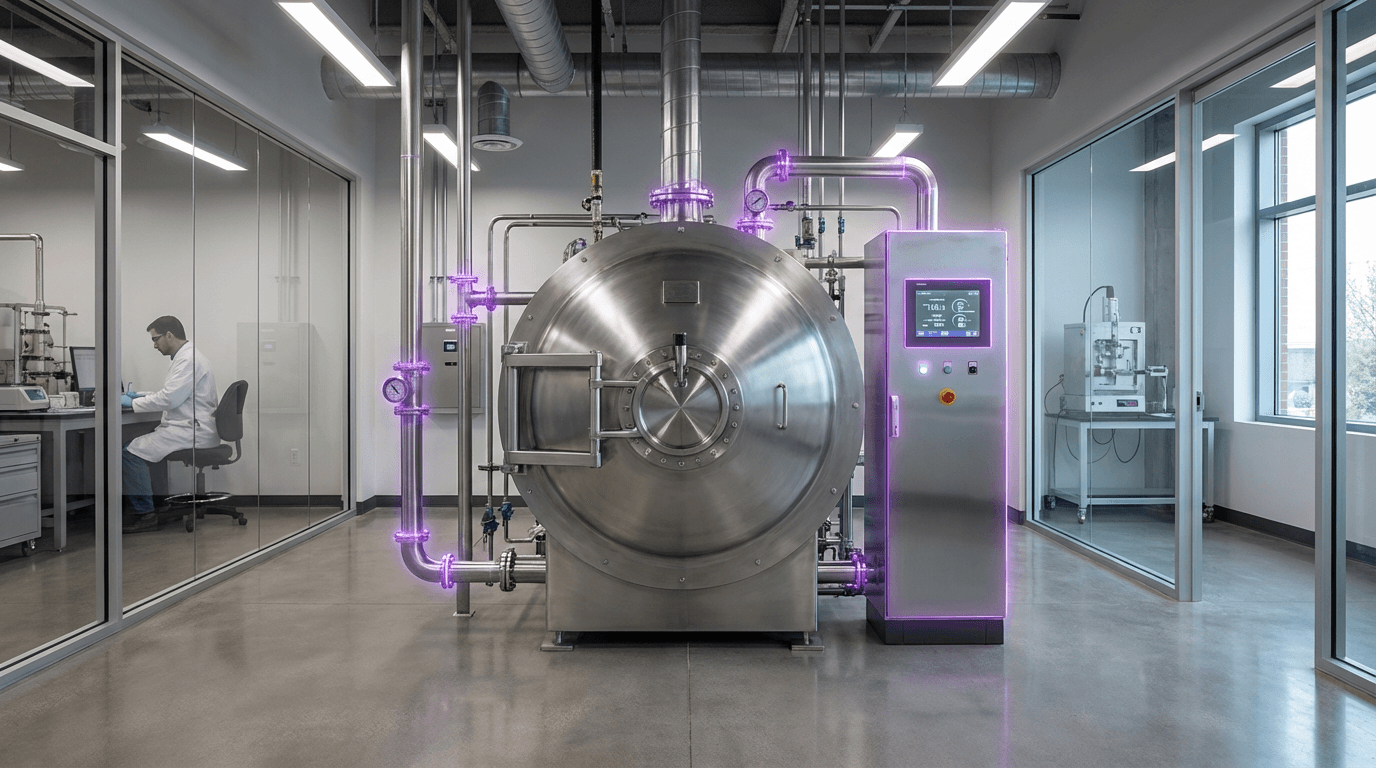
Alkaline Hydrolysis Units
Alkaline hydrolysis represents a fundamental shift in body disposition technology, replacing traditional flame-based cremation with a water-based process that operates at significantly lower temperatures. The system works by placing the deceased in a pressurized stainless steel chamber filled with a solution of water and alkali—typically potassium hydroxide or sodium hydroxide. The chamber is then heated to temperatures between 150-180°C (300-350°F) while maintaining pressure of approximately 10 atmospheres. This combination of heat, pressure, and alkaline solution accelerates the natural decomposition process that would otherwise take years in soil, breaking down organic tissues through hydrolysis in a matter of hours. The process leaves behind bone fragments, which are then processed into ash similar to traditional cremation, and a sterile liquid byproduct that contains amino acids, peptides, sugars, and salts—safe enough to be returned to the water system or used as fertilizer.
The death care industry faces mounting pressure to reduce its environmental footprint, particularly as traditional flame cremation consumes substantial fossil fuels and releases mercury from dental amalgam fillings into the atmosphere. Alkaline hydrolysis addresses these concerns by reducing energy consumption by approximately 90% compared to flame cremation and eliminating direct emissions entirely. The technology also resolves the challenge of processing medical implants and devices, as pacemakers and other equipment that must be removed before flame cremation can remain in place during alkaline hydrolysis without risk of explosion. For funeral homes and crematories, these units represent a capital investment that can differentiate their services in an increasingly environmentally conscious market, while also reducing ongoing operational costs through lower energy consumption. The sterile nature of the process also eliminates concerns about pathogen transmission, making it particularly valuable for disposition of bodies with infectious diseases.
Currently available in several U.S. states, Canadian provinces, and select international markets, alkaline hydrolysis has moved from experimental technology to commercial reality, though regulatory acceptance remains uneven across jurisdictions. Early adopters include progressive funeral homes, university medical programs seeking sustainable options for donated bodies, and pet cremation facilities where the technology has gained broader acceptance. The equipment ranges from smaller units suitable for individual funeral homes to large-scale systems capable of processing multiple bodies simultaneously for institutional use. As environmental considerations become increasingly central to end-of-life planning, alkaline hydrolysis aligns with broader trends toward green burial practices and reduced carbon footprints in death care. The technology's ability to recover and recycle nutrients also positions it within emerging conversations about circular economy principles applied to human remains, suggesting a future where body disposition actively contributes to environmental restoration rather than merely minimizing harm.
Related Organizations

A US-based manufacturer specializing in alkaline hydrolysis technology for both human (Aquamation) and pet disposition.

A pioneering UK manufacturer of alkaline hydrolysis equipment, often referred to as 'water cremation' or Resomation.

Trade association providing education, statistics, and legislative support for cremation, including alkaline hydrolysis.
A dedicated alkaline hydrolysis facility serving funeral homes in the Midwest US.
A division of Matthews International, a global leader in memorialization products, now offering Bio-Cremation (alkaline hydrolysis) equipment.

California's first funeral home dedicated exclusively to alkaline hydrolysis for humans.

Global market leader in cremation equipment that has expanded into researching and developing alternative technologies.


University program managing anatomical donations that utilizes alkaline hydrolysis for final disposition.

Innovative funeral director in the UK known for adopting alternative disposition methods including water cremation.
Supporting Evidence
Research this in Signals
Signals turns a topic into a sourced research record you can inspect and rerun. Your first scan is free, and this one starts with Alkaline Hydrolysis Units already loaded, so edit it or scan as is.