Blockchain Death Registry
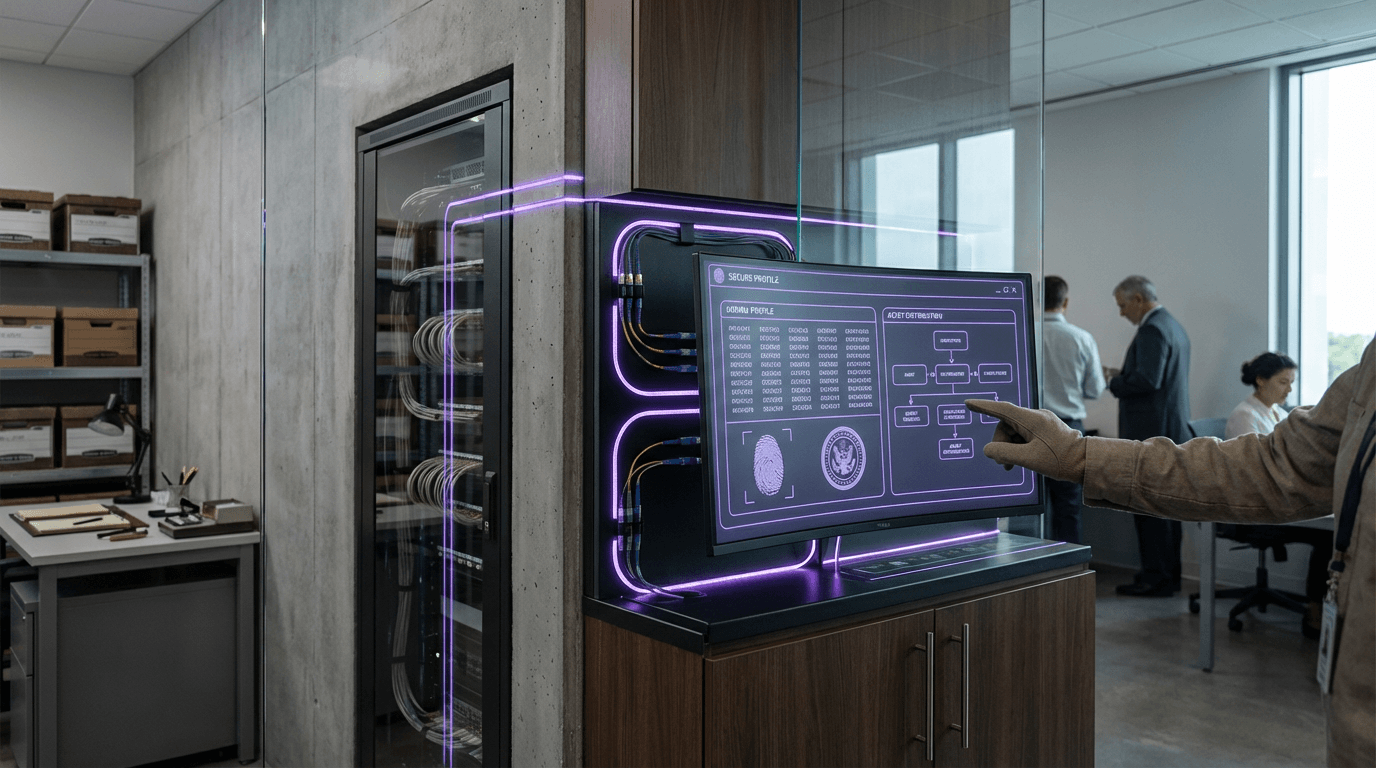
The management of death records and estate settlement has long been plagued by inefficiencies, fraud vulnerabilities, and jurisdictional complications. Traditional death certificate systems rely on paper-based or siloed digital databases maintained by individual governments, creating significant barriers when estates span multiple countries or when beneficiaries need to prove a death occurred in a foreign jurisdiction. Identity theft involving deceased individuals remains a persistent problem, with fraudulent actors exploiting gaps in verification systems to claim benefits, open credit accounts, or contest inheritances. Meanwhile, the probate process can take months or years to complete, particularly when assets are distributed across borders, leaving families in legal limbo during already difficult times. Blockchain death registries emerge as a solution to these systemic challenges by creating tamper-proof, globally accessible records that can be verified instantly while maintaining appropriate privacy protections.
At its technical core, a blockchain death registry operates as a distributed ledger where death certificates, last wills, and inheritance claims are recorded as immutable entries across a network of nodes. When a death is officially registered by an authorised entity such as a hospital, coroner, or government office, the information is cryptographically hashed and added to the blockchain, creating a permanent, time-stamped record that cannot be altered or deleted. Smart contracts embedded within the system can automatically execute predetermined inheritance instructions once a death is verified, eliminating the need for lengthy probate proceedings in straightforward cases. Zero-knowledge proofs allow third parties to verify that a death occurred and confirm specific details without exposing sensitive personal information, addressing privacy concerns while maintaining the integrity of the verification process. The decentralised nature of the system means no single authority controls the records, reducing the risk of data loss, corruption, or manipulation while enabling cross-border recognition without complex treaty negotiations.
Early implementations of blockchain-based vital records systems have emerged in several jurisdictions, with pilot programs exploring how distributed ledger technology can modernise death registration and estate management. Research suggests that such systems could dramatically reduce the administrative burden on executors and beneficiaries, particularly in cases involving international assets or beneficiaries residing in different countries. Financial institutions and insurance companies have expressed interest in blockchain death registries as a means of preventing fraud and accelerating claims processing, while legal professionals note the potential for reducing contested estates through clearer, more transparent documentation of final wishes. As global mobility increases and families become more geographically dispersed, the need for universally recognised, instantly verifiable death records becomes more pressing. The technology aligns with broader trends toward digital identity systems and the tokenisation of assets, suggesting a future where end-of-life administration becomes significantly more streamlined, secure, and accessible across borders.
Related Organizations
Developers of 'Inheriti', a decentralized inheritance platform.

A decentralized dead man's switch built on Ethereum and Arweave.

A blockchain dedicated to long-term data transmission and time capsules.


A decentralized arbitration service for the disputes of the new economy, acting as a subjective oracle for governance decisions.

A gamified personal development and digital legacy platform.


An independent agency of the United States government.

Developed the Cross-Chain Interoperability Protocol (CCIP) to enable secure token transfers and messaging.
Supporting Evidence
Research this in Signals
Signals turns a topic into a sourced research record you can inspect and rerun. Your first scan is free, and this one starts with Blockchain Death Registry already loaded, so edit it or scan as is.