Myco-Architectural Memorials
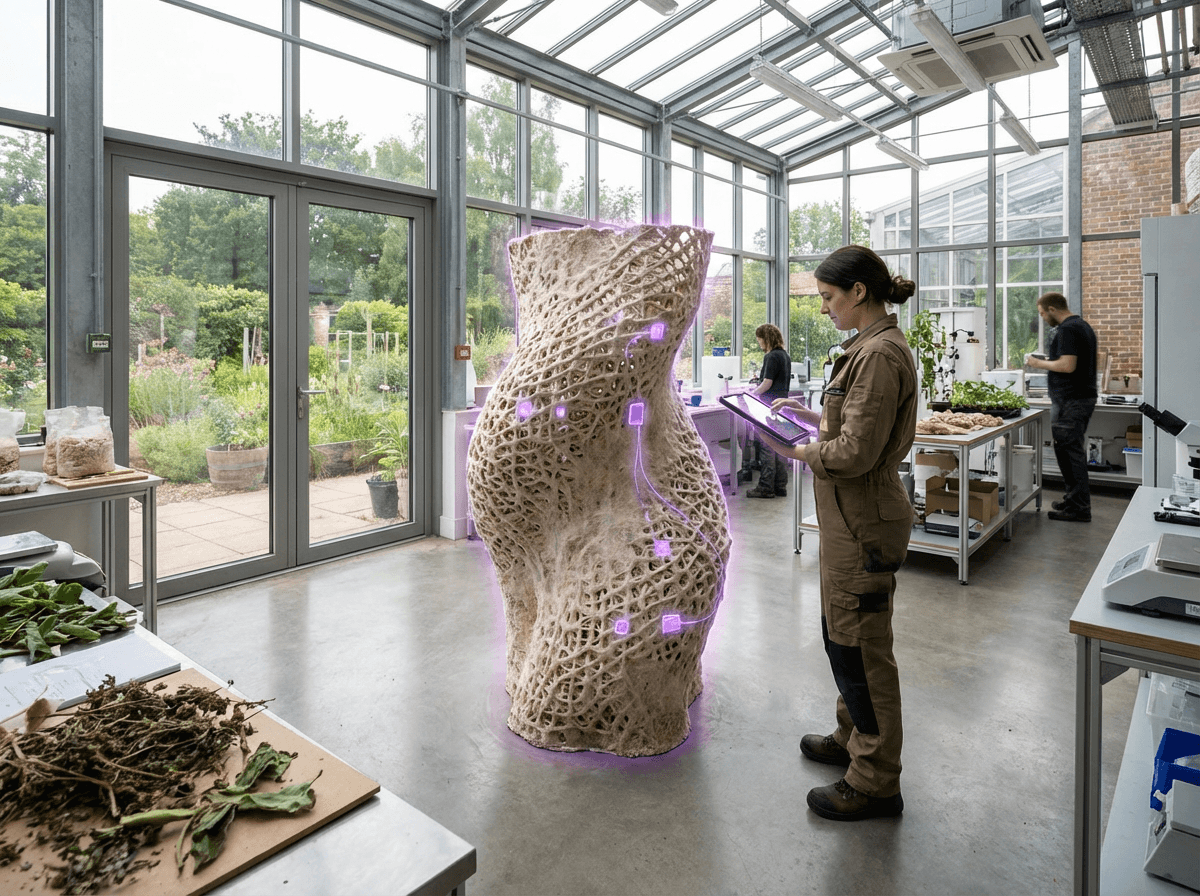
The concept of memorial architecture is undergoing a radical transformation through the application of mycelium-based construction materials. Myco-architectural memorials represent a convergence of biotechnology, sustainable design, and end-of-life practices, where fungal networks serve as both structural material and living organism. Mycelium, the vegetative root structure of fungi, can be cultivated in controlled environments and combined with agricultural waste substrates to create composite materials that harden into durable, lightweight structures. The growth process involves inoculating organic matter with specific fungal species, allowing the mycelium to colonize and bind the substrate over a period of weeks. Once the desired form is achieved, the material is dried and heat-treated to halt growth while preserving structural integrity. Unlike traditional construction materials such as concrete or steel, mycelium composites require minimal energy input during production, sequester carbon throughout their growth phase, and possess inherent insulating and fire-resistant properties that make them suitable for permanent structures.
The death care industry faces mounting pressure to address its environmental impact, from the carbon emissions associated with cremation to the chemical burden of embalming fluids and the land consumption of traditional cemeteries. Myco-architectural memorials offer a compelling alternative that aligns with growing demand for green burial options and natural death practices. These structures can be designed to accommodate human remains in ways that facilitate rather than prevent decomposition, transforming the memorial itself into a living ecosystem that evolves over time. The self-repairing capabilities of mycelium materials, when maintained in appropriate conditions, allow for ongoing biological processes that can extend the structure's lifespan or enable controlled degradation according to family preferences. This approach fundamentally reimagines the relationship between memorial permanence and natural cycles, offering families the option of monuments that either persist as living tributes or gradually return to the earth, eliminating perpetual maintenance obligations and land-use concerns that burden conventional cemeteries.
Early research initiatives and pilot projects have demonstrated the feasibility of mycelium-based memorial structures, though widespread commercial adoption remains in nascent stages. Experimental installations have explored various scales, from individual urns and small memorial markers to larger pavilion-style structures capable of housing multiple remains or serving as contemplative spaces for grieving families. The technology shows particular promise in natural burial grounds and conservation cemeteries, where the biodegradable nature of mycelium aligns with land preservation goals. As regulatory frameworks slowly adapt to accommodate alternative burial methods and sustainable materials in memorial contexts, myco-architectural memorials represent a broader shift toward regenerative design principles in death care. The technology connects to emerging movements in biomaterials, circular economy practices, and the growing recognition that end-of-life infrastructure should contribute to rather than detract from ecological health, suggesting a future where memorial spaces function as carbon sinks and habitat restoration sites rather than static monuments to human permanence.
Related Organizations

Dutch biotech startup growing living coffins and urns from mycelium, with R&D into other structural applications.

The pioneer of mycelium technology, developing the 'MycoComposite' platform used to grow sustainable building materials and packaging.
A trans-disciplinary design studio founded by Maurizio Montalti, focusing on fungal design and bio-materials.
A biomanufacturing company using mycelium for construction, researching the thermal and acoustic sensing properties of their materials.

An Autodesk Studio that designed the 'Hy-Fi' tower at MoMA PS1, the first large-scale structure made of mycelium bricks.
A nonprofit architecture and urban design research group that experiments with living materials, including fungal architectures.

Developers of the 'DelFly', a flapping-wing micro air vehicle (MAV) inspired by fruit flies.

Develops mycelium-based materials for interior design and is researching 'smart' fungal materials that respond to the environment.
Redhouse Studio
United States · Company
An architecture firm researching 'biotecture', including using mycelium to bind biomass for structures on Earth and Mars (NASA partner).

Uses fungi to remediate toxic construction waste (like asphalt shingles) and convert it into reusable raw materials.
Supporting Evidence
Research this in Signals
Signals turns a topic into a sourced research record you can inspect and rerun. Your first scan is free, and this one starts with Myco-Architectural Memorials already loaded, so edit it or scan as is.