Green Burial Planning Networks
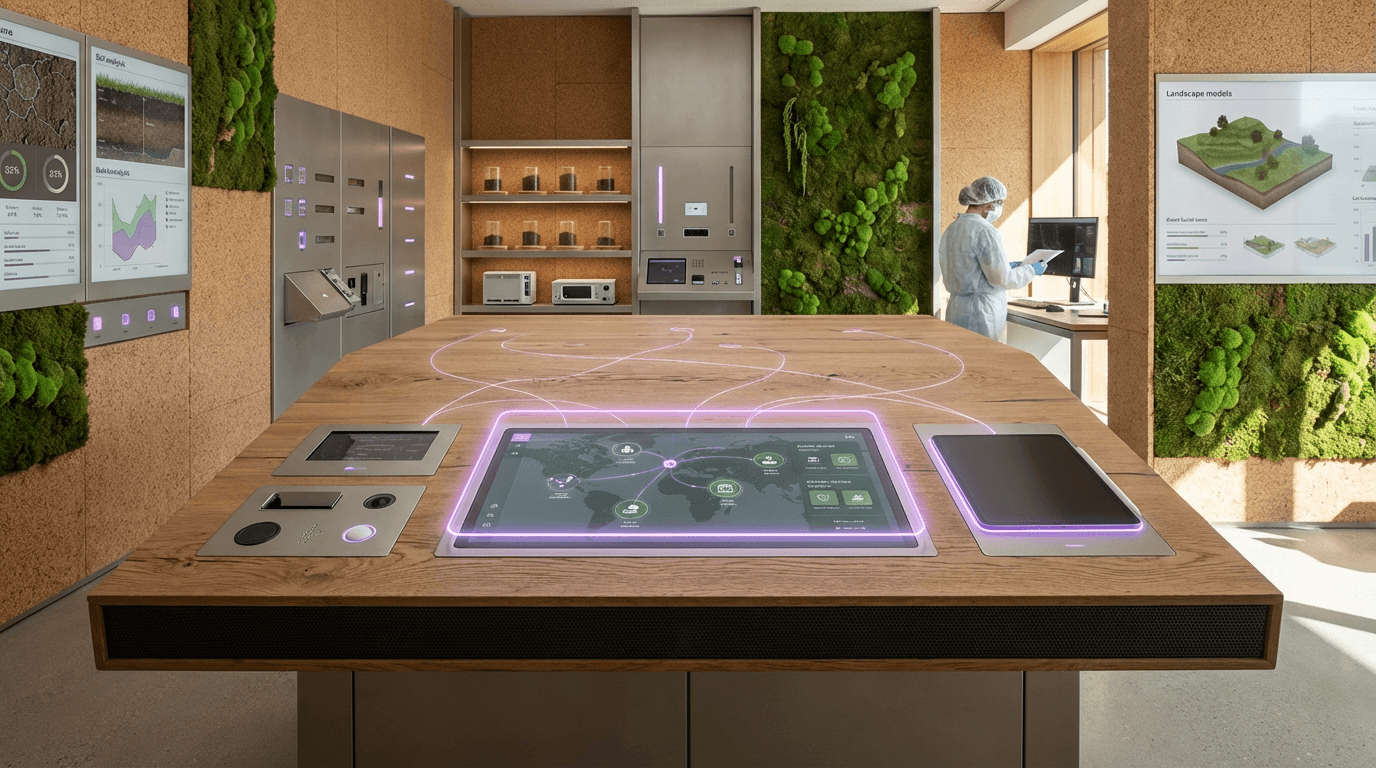
Green burial planning networks represent a digital infrastructure designed to streamline the complex process of arranging environmentally conscious end-of-life disposition. These platforms aggregate information about natural burial sites, conservation cemeteries, human composting facilities, water cremation providers, and marine memorial reefs into searchable databases that allow families to evaluate options based on ecological footprint, cost, legal compliance, and personal values. The technical architecture typically combines geospatial mapping, regulatory databases, and provider directories with carbon footprint calculators and comparative analytics. Users can filter by location, environmental certification standards, land conservation partnerships, and specific ecological outcomes—such as whether burial fees support habitat restoration or endangered species protection. The systems also navigate the patchwork of state and local regulations governing natural burial, which vary significantly across jurisdictions and can present substantial barriers to families unfamiliar with the legal landscape.
The death care industry has historically been dominated by conventional burial and cremation practices that carry significant environmental costs, from embalming chemicals leaching into groundwater to the carbon emissions of cremation and the land use implications of traditional cemeteries. Green burial planning networks address the information asymmetry that has long prevented wider adoption of ecological alternatives. Families seeking sustainable options have traditionally faced fragmented information, difficulty locating certified providers, uncertainty about legal requirements, and challenges coordinating between funeral homes, burial grounds, and conservation organizations that may have limited experience working together. These platforms solve coordination problems by serving as intermediaries that connect families with vetted providers, translate complex regulations into actionable guidance, and facilitate communication between multiple stakeholders. They also enable price transparency in an industry where costs are often opaque, helping families understand the true financial and environmental trade-offs between conventional and natural burial methods.
Early adoption of these networks has been concentrated in regions with established natural burial movements, particularly in the Pacific Northwest, parts of the United Kingdom, and areas with strong environmental conservation cultures. Several platforms now offer end-to-end planning that extends beyond simple provider directories to include advance directive integration, memorial planning tools, and grief support resources tailored to families choosing ecological options. Some networks have partnered with land trusts and conservation organizations to create hybrid models where burial fees directly fund land preservation, effectively transforming cemeteries into protected natural areas. As climate awareness grows and younger generations increasingly prioritize environmental legacy, these planning tools are positioned to play a crucial role in normalizing green burial practices. The technology aligns with broader trends toward death positivity, advance care planning, and the desire for meaningful rituals that reflect personal values while contributing to ecological restoration rather than environmental degradation.
Related Organizations

The entity that certifies green burial products and providers in North America.

Pioneering public benefit corporation that developed the proprietary vessel system for natural organic reduction (human composting).

Better Place Forests
United States · Company
Operates memorial forests where ashes are mixed with soil and placed beneath trees.
Provides soil transformation services using a proprietary vessel technology that mimics the natural forest floor decomposition process.

Operates one of the world's largest terramation facilities with a proprietary vessel system designed for high-volume organic reduction.
A UK charity providing independent advice on dying and funeral planning, specifically advocating for natural burial grounds.

An engineering-focused privacy platform that automates data subject requests and consent changes directly in the database.

A natural burial cemetery that developed its own solar-powered natural organic reduction cradle system.

Designers of the iconic egg-shaped biodegradable pod intended to turn a burial into a tree.
Supporting Evidence
Research this in Signals
Signals turns a topic into a sourced research record you can inspect and rerun. Your first scan is free, and this one starts with Green Burial Planning Networks already loaded, so edit it or scan as is.