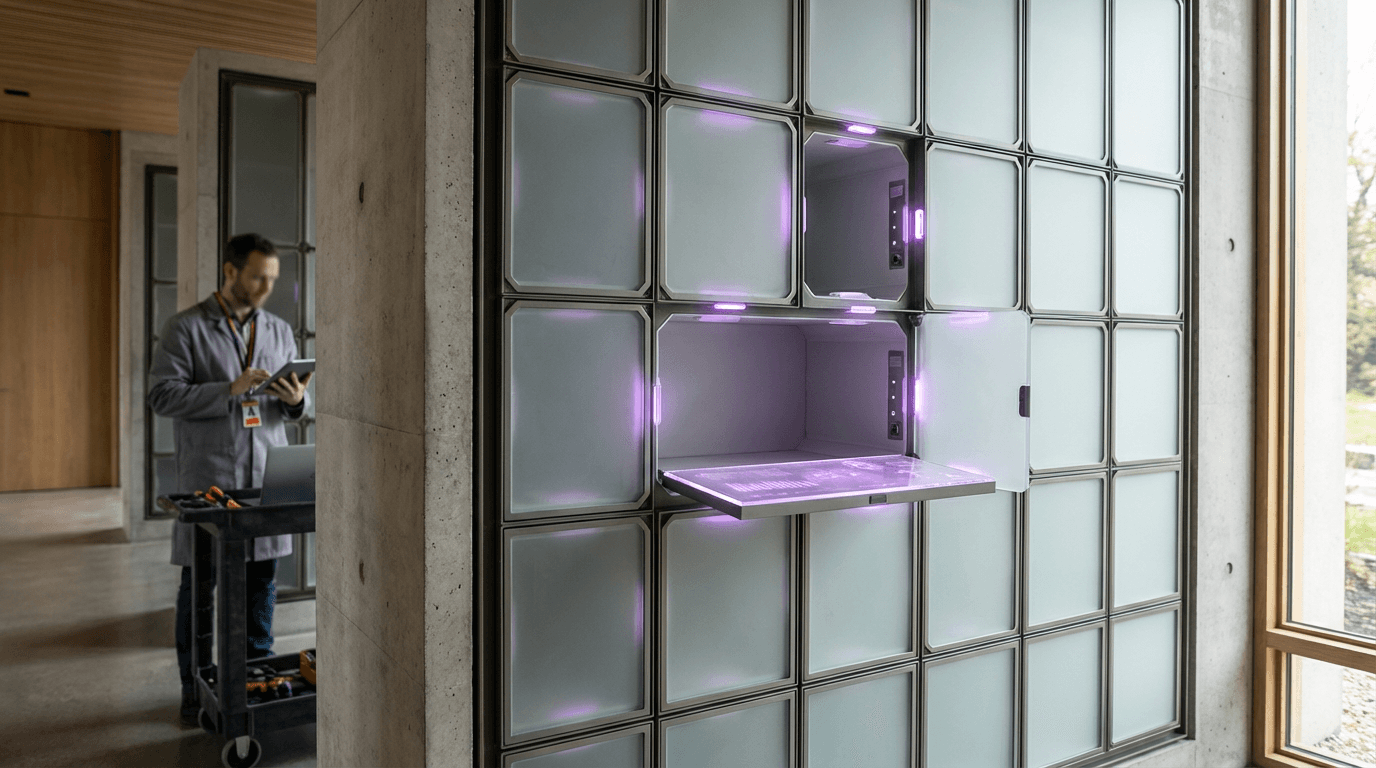
Smart Columbarium Niches
Smart columbarium niches represent an evolution in memorial infrastructure, integrating Internet of Things (IoT) technology into traditional cremation storage systems. These networked vaults incorporate environmental sensors that monitor temperature, humidity, and structural integrity, ensuring optimal preservation conditions for cremated remains. Each niche is equipped with LED lighting systems that can be programmed for different ambient effects, along with near-field communication (NFC) tags or QR code interfaces embedded discreetly into the physical structure. When visitors approach with smartphones or tablets, these interfaces trigger digital content—biographical narratives, photo galleries, video tributes, or messages from family members—creating a bridge between the physical memorial space and cloud-based digital archives. The modular design allows facilities to retrofit existing columbarium walls or construct new installations that accommodate both technological components and traditional aesthetic expectations of memorial spaces.
The death care industry faces mounting pressure to serve increasingly dispersed families while addressing space constraints in urban areas and evolving expectations around memorialization. Traditional columbariums offer limited opportunities for personalization and provide no mechanism for remote connection when family members cannot visit in person. Smart columbarium systems address these challenges by enabling families to update memorial content remotely, share access with relatives across geographic distances, and receive notifications about the physical condition of the memorial site. Facilities can monitor environmental conditions across hundreds of niches simultaneously, preventing deterioration and demonstrating stewardship to families. This technology also creates new revenue opportunities for cemeteries and memorial parks through tiered digital service offerings, from basic QR-linked tributes to comprehensive multimedia archives with ongoing content management. By transforming static memorial walls into interactive spaces, these systems help facilities differentiate their services in an increasingly competitive market while meeting contemporary expectations for digital connectivity.
Early implementations of smart columbarium technology have emerged in forward-thinking memorial parks and urban cemeteries seeking to attract younger demographics and tech-savvy families. Some facilities report that the digital interface capabilities help families feel more connected to deceased loved ones between physical visits, particularly when geographic distance makes regular attendance difficult. The environmental monitoring features have proven particularly valuable in coastal or humid climates where traditional columbariums face accelerated degradation challenges. As the technology matures, industry observers note growing interest in integration with broader digital legacy platforms and virtual memorial spaces, suggesting that physical and digital memorialization will become increasingly intertwined. This convergence aligns with broader trends in the death care sector toward personalization, transparency, and ongoing family engagement beyond the immediate funeral period, positioning smart columbariums as part of a larger transformation in how societies approach remembrance and the management of physical memorial spaces.
Related Organizations

A Buddhist temple in Tokyo famous for its high-tech columbarium featuring thousands of LED-lit crystal Buddhas controlled by smart cards.

Develops solar-powered cameras and audio systems for gravesites and niches, allowing remote monitoring and interaction.

Logistics and forklift subsidiary of Toyota that engineers automated storage and retrieval systems (AS/RS) used in automated columbariums.

Japanese company specializing in Buddhist altars that has developed modern, space-saving, and tech-integrated memorial furniture.

A global leader in material handling systems that designs automated storage solutions adapted for high-density automated cemeteries.

A major provider of memorialization products that is integrating digital technologies and QR codes into physical memorial structures.

Provides QR code medallions and digital platforms that link physical resting places to digital archives.

The pioneer of electrophoretic display technology, producing flexible e-paper displays for e-readers and signage.

Provides software solutions for funeral homes, including digital registry and memorial wall integrations.
Supporting Evidence
Research this in Signals
Signals turns a topic into a sourced research record you can inspect and rerun. Your first scan is free, and this one starts with Smart Columbarium Niches already loaded, so edit it or scan as is.