Death Doula Marketplaces
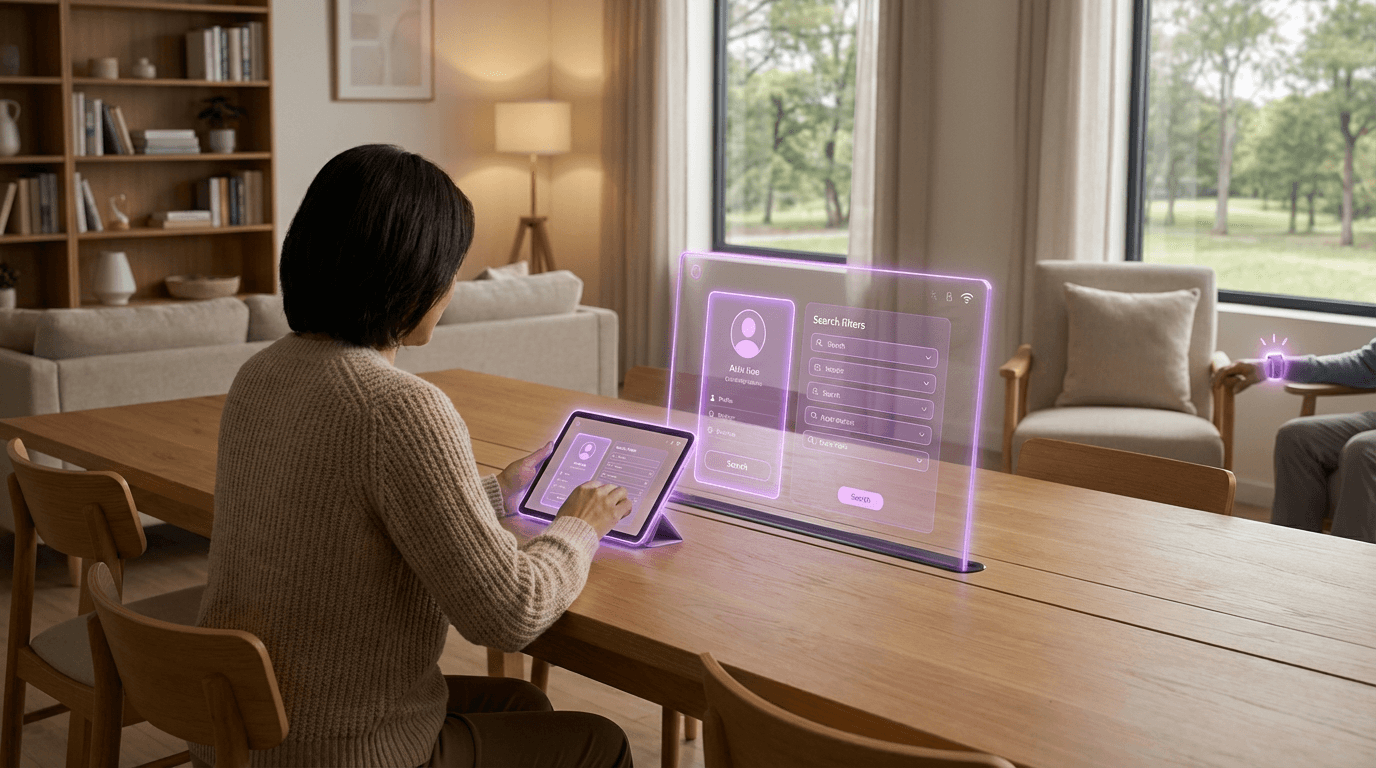
The end-of-life experience in modern society often leaves families feeling isolated and unprepared, struggling to navigate the complex emotional, spiritual, and practical dimensions of death. Traditional healthcare systems typically focus on medical interventions while offering limited support for the holistic needs of dying individuals and their loved ones. Death doula marketplaces address this gap by creating structured platforms that connect families with trained end-of-life companions who provide non-medical support during the dying process. These digital platforms function similarly to other care marketplace models, featuring verified profiles of death doulas, ritual facilitators, and peer supporters, along with integrated tools for scheduling sessions, processing payments, and coordinating care plans. The platforms typically include rating systems, credential verification, and matching algorithms that consider factors such as cultural background, spiritual preferences, and specific service needs. By centralising access to these professionals, the marketplaces reduce the friction families face when seeking compassionate guidance during one of life's most challenging transitions.
The emergence of these platforms responds to growing recognition that the dying process involves far more than clinical care. Research suggests that many families desire support in creating meaningful rituals, navigating difficult conversations, and managing the practical tasks surrounding death, yet lack access to trained professionals who can provide this guidance. Death doula marketplaces solve several critical problems: they make previously fragmented services discoverable and accessible, they provide transparency around practitioner qualifications and specialisations, and they offer collaborative tools that allow families, doulas, and healthcare providers to coordinate care effectively. The platforms often include features for advance care planning, memorial service coordination, and grief support resources. This model also creates economic sustainability for death doulas themselves, who have historically struggled to build viable practices due to limited visibility and inconsistent client pipelines. By professionalising and standardising access to end-of-life support, these marketplaces are helping to establish death doula services as a recognised component of comprehensive end-of-life care.
Early platforms in this space have begun operating in regions with established death doula training programs, particularly in North America and parts of Europe. These services typically offer both in-person and virtual support options, with some families engaging doulas for weeks or months of ongoing guidance, while others seek assistance for specific events such as vigil planning or legacy projects. The platforms are emerging alongside broader cultural shifts toward death positivity and increased interest in personalised, meaningful end-of-life experiences. Industry observers note that as populations age and more individuals seek alternatives to institutional death experiences, demand for accessible death doula services is likely to grow. The integration of these marketplaces with other end-of-life technologies—such as digital legacy management tools and virtual memorial platforms—suggests a future where comprehensive support for the dying process becomes as normalised and accessible as other life transition services. By reducing barriers to finding qualified support, these platforms are contributing to a gradual transformation in how societies approach death, moving toward models that honour both the practical and sacred dimensions of life's final passage.
Related Organizations

Provides training and certification for death doulas and maintains a directory connecting them with families.

A membership organization that sets proficiency standards and hosts a directory of NEDA-proficient doulas.

Offers end-of-life planning services and a comprehensive training program for death doulas.
Provides global training for end-of-life doulas and a platform for families to find certified practitioners.
The professional body for End of Life Doulas in the UK, maintaining a public directory of members.
Deathwives
United States · Company
A female-led collective offering education on death doula work, green burial, and home funerals.

An agency and training center that certifies doulas and connects them with local communities.

UK-based organization offering training and a network for 'Doulas for the Dying'.

Offers a professional certificate for End-of-Life Doulas, legitimizing the profession within academia.
Supporting Evidence
Research this in Signals
Signals turns a topic into a sourced research record you can inspect and rerun. Your first scan is free, and this one starts with Death Doula Marketplaces already loaded, so edit it or scan as is.