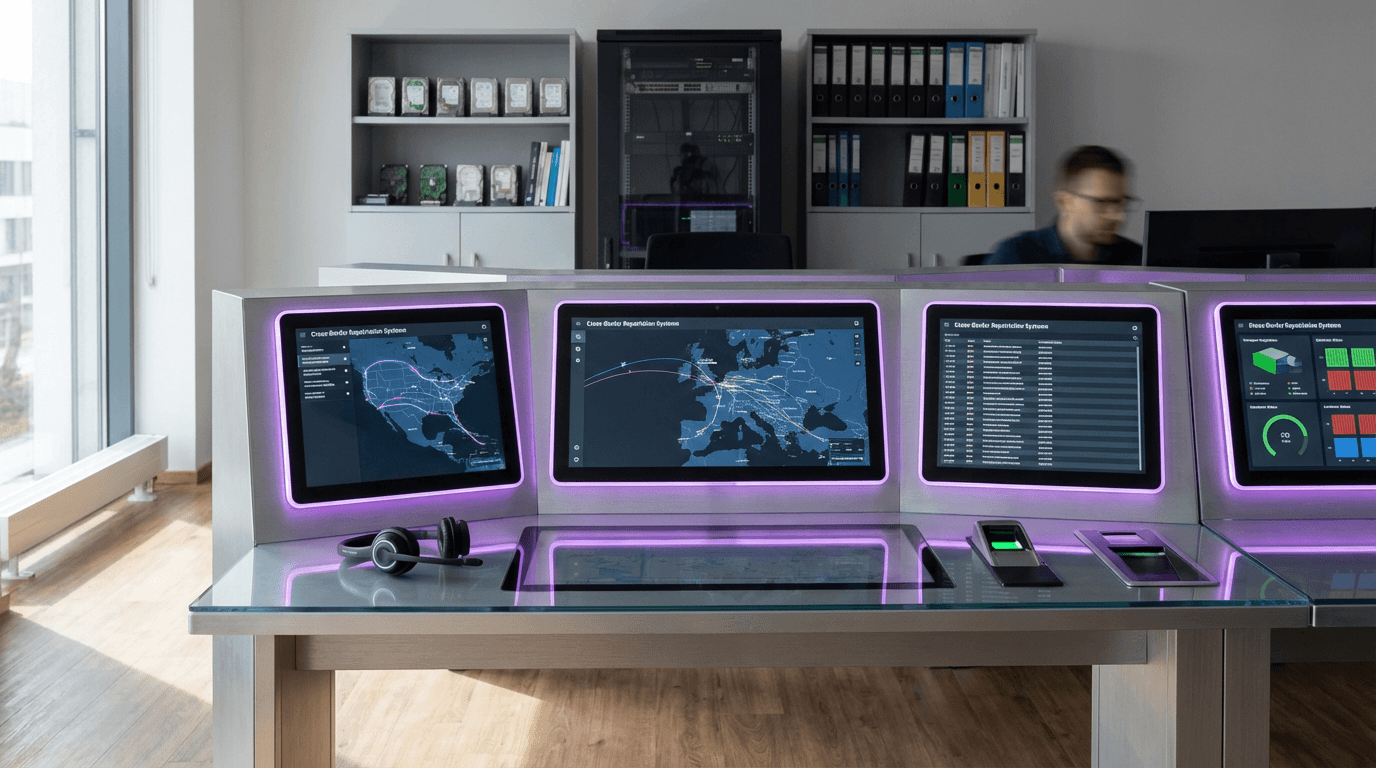
Cross-Border Repatriation Systems
When individuals die far from home, their families face a labyrinth of bureaucratic requirements spanning multiple jurisdictions, languages, and regulatory frameworks. Cross-border repatriation systems address this challenge by providing integrated digital platforms that coordinate the complex logistics of returning human remains across international borders. These platforms function as centralized hubs that connect funeral service providers, consular offices, airlines, customs authorities, and translation services within a unified workflow. The technology automates critical steps including the generation and authentication of death certificates in multiple languages, coordination of embalming or cremation procedures that meet destination country requirements, arrangement of specialized airline cargo bookings, and management of customs documentation. By digitizing these processes, the systems reduce what traditionally required weeks of phone calls, faxes, and physical document transfers into streamlined digital workflows that can be tracked in real-time by grieving families and service providers alike.
The global mobility of populations has created unprecedented demand for efficient repatriation services. Each year, hundreds of thousands of people die while traveling, working abroad, or living as expatriates, and their families must navigate vastly different legal systems, cultural practices, and logistical requirements to bring them home. Traditional repatriation processes are fragmented across multiple service providers, each operating with their own systems and protocols, leading to delays, miscommunications, and additional emotional burden during already difficult times. These coordination platforms solve this fragmentation by establishing standardized protocols and digital interfaces between all parties involved in the repatriation chain. For insurance companies and assistance organizations that manage repatriation benefits, these systems provide cost transparency and process visibility that was previously impossible. The platforms also address the particular challenges faced by migrant workers and their families, who often lack the resources and knowledge to navigate complex international bureaucracies without assistance.
Early implementations of these systems have emerged primarily through international funeral service networks and global assistance companies that manage repatriation as part of travel insurance policies. Some platforms now integrate with airline cargo management systems to automatically identify available routes and capacity for human remains transport, while others have established partnerships with consular services to expedite document authentication processes. The technology is particularly valuable in regions with high volumes of cross-border movement, such as the European Union, the Gulf states with large expatriate populations, and along major migration corridors. As digital identity systems and international data-sharing agreements mature, these platforms are positioned to become even more efficient, potentially incorporating blockchain-based document verification and automated regulatory compliance checking. The broader trend toward digitization of death-related services suggests that cross-border repatriation systems will evolve from specialized tools into standard infrastructure, ensuring that the final journey home becomes more dignified and less burdensome for families regardless of where their loved ones pass away.
Related Organizations

Global repatriation experts assisting families and funeral directors worldwide.

InvoCare
Australia · Company
A leading international provider of funeral, cemetery, crematoria, and related services in the Asia-Pacific region.


Lufthansa Cargo
Germany · Company
The cargo subsidiary of Lufthansa.

The world's leading and largest funeral service association.


Provides case management software for funeral homes, including features for livestreaming services and collaborative family planning.
Supporting Evidence
Research this in Signals
Signals turns a topic into a sourced research record you can inspect and rerun. Your first scan is free, and this one starts with Cross-Border Repatriation Systems already loaded, so edit it or scan as is.